Deadline: 20 March 2026
1. Background
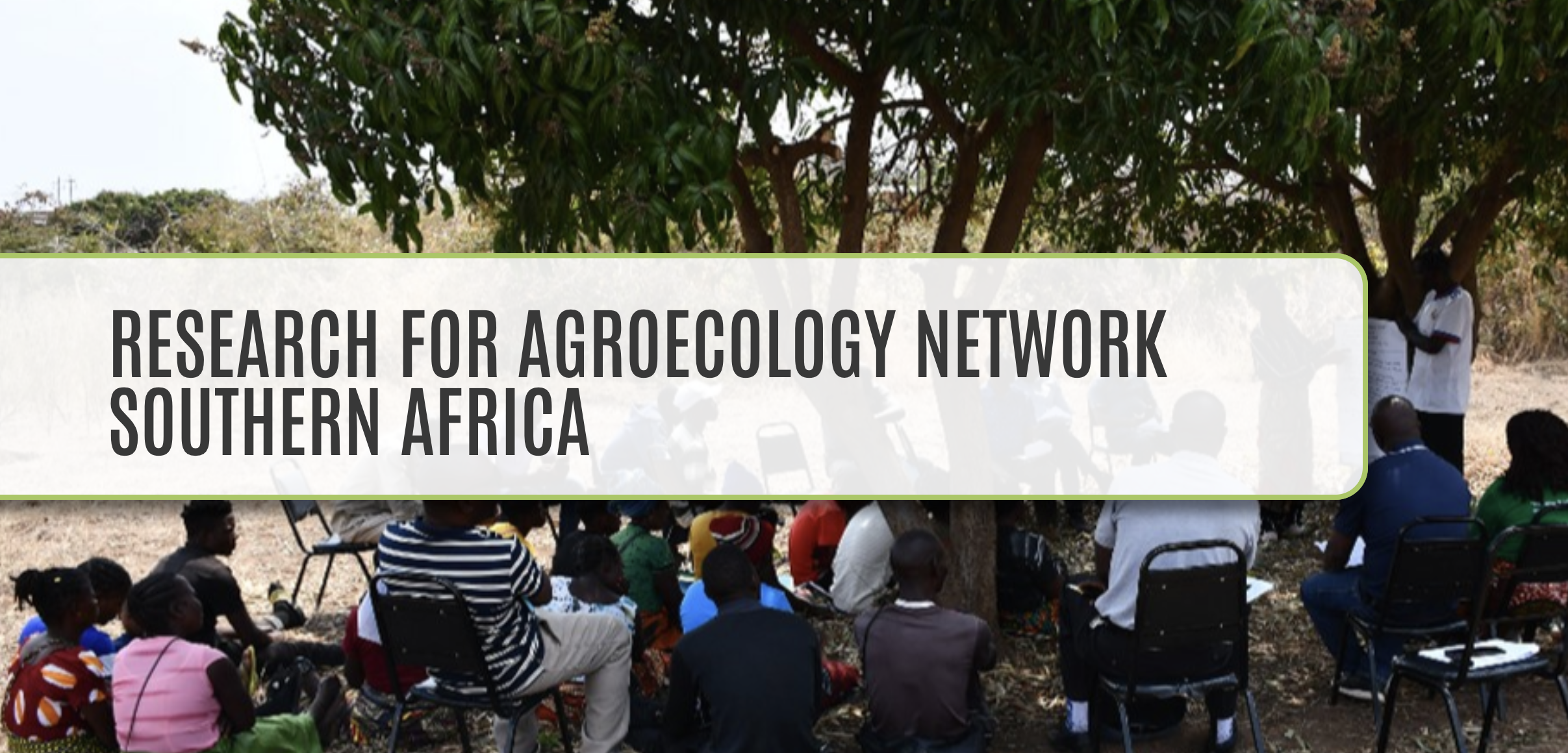
The Young Professionals for Agricultural Development (YPARD) is part of the Research for Agroecology Network Southern Africa (RAENS), a transdisciplinary agroecology research and knowledge network in Southern Africa. The overall goal of RAENS is to strengthen existing initiatives, showcase the potential and scalability of agroecology, facilitate shifts in agricultural training and research towards agroecology, and to inform policy, thereby leading to an enabling landscape for agroecology uptake, research and training. See https://agroecologysouthernafrica.net/ for more about RAENS.
In line with the goal of informing policy, a small grant is available from RUFORUM to RAENS members to strengthen science–policy interfaces, support advocacy efforts, and enhance evidence-based decision-making to ensure that agroecology becomes an integral component of national and regional agricultural and food system strategies. This support is intended to enable the production of decision-support information, policy-oriented studies, and knowledge products that respond directly to the needs of policymakers, practitioners, and advocacy actors. The supported research and activities will contribute to raising awareness, strengthening advocacy, and informing the integration of agroecology principles and practices into national agricultural investment plans, sector policies, and development programmes.
2. Objectives
The primary objective of this grant is to provide financial support to researchers and experts to conduct specialized studies that will contribute to agroecology advocacy work and:
- Feed into decision-support information systems for science-policy interfaces.
- Disseminate and publicize selected agroecology scientific/research outputs.
- Increase awareness and policy support for agroecological principles and practices.
- Demonstrate the contribution of agroecology to the transformation of African food systems.
3. Priority Areas
Proposals must directly address agroecology principles and align with African agricultural priorities. Key areas include:
- Agroecological principles, including but not limited to Biodiversity, soil health, recycling, synergies, resilience, and co-creation of knowledge (see HLPE 2019).
- Policy advocacy, strategies for the recognition of agroecology as an activity of national interest.
- The role of agroecology in achieving societal priorities such as food and nutrition security.
- Gender- and/or youth-sensitive agroecology policy and practice.
- Youth engagement and leadership in agroecology, including strengthening youth-led communities of practice and promoting youth participation, knowledge exchange, and collaboration in agroecological research and innovation
4. Eligibility
Applicants must be affiliated with a RAENS member institution and receive a letter of support/affiliation from the RAENS focal point at the institution. In addition, they must:
- Be students, early-career researchers, academic staff, farmer organizations, NGOs, or research institutes
- Be based in Africa, either through citizenship or institutional affiliation
- Demonstrate the ability to conduct applied research or community-based projects, including access to research sites and/or farmer networks.
- Demonstrate compliance with research ethics standards, particularly when engaging with indigenous communities and traditional knowledge systems
- Demonstrate clear alignment with RAENS objectives.
5. Application requirements
Applicants must submit a complete proposal package comprising the following:
- Technical Proposal: A short (1-2 page) but detailed description of the proposed research, including the methodology, alignment with agroecology principles, and the expected policy and/or community impact.
- Budget: A detailed and itemized budget outlining the requested funding (up to a maximum of EUR 5,000), with clear justification for each cost item.
- Work Plan: A realistic timeline indicating key activities, milestones and deliverables.
- Curriculum Vitae: CV of the lead applicant any others that will handle key research areas, highlighting relevant experience and expertise and indicating 3 references.
6. Financial support
- Maximum grant amount is Euro 5,000 per selected proposal.
- A maximum of 10 proposals will be funded, across the continent.
- Eligible costs:
- Monthly stipend to support special research studies
- Travel costs to attend national or international conferences for the presentation of research findings
- Costs associated with organizing dissemination and advocacy meetings
- Grants are awarded in accordance with the no-profit principle as stipulated under the EU PRAG guidelines.
- Expenditures must be fully justified, reasonable and supported by appropriate documentation.
- Duration of the grant: Activities must be completed by 30 November 2026
7. Expected outputs
Selected grantees will be expected to deliver the following outputs:
- Submission of high-quality research reports and/or publication of findings in reputable journals or other recognized knowledge platforms.
- Presentation of research results at national and/or international conferences, workshops or scientific forums.
- Active participation in agroecology dialogues, policy roundtables and stakeholder consultations to promote uptake of findings.
- Contribution to the development or strengthening of decision-support information systems relevant to agroecology and sustainable food systems.
8. Timelines
Important Deadlines
Concept note submission to your institution | 20 March 2026
Institution provides feedback to applicants | 25 March 2026
Provision of letter of RAENS support to selected applicant(s) | 26 March 2026
Final proposal submission to RUFORUM | 30 March 2026
RUFORUM decisions and contracting | 10 May 2026
9. Concept note submission
Submit complete applications Kofi Acquaye via africa@ypard.net cc: info@ypard.net and genna.tesdall@ypard.net



.jpg)