
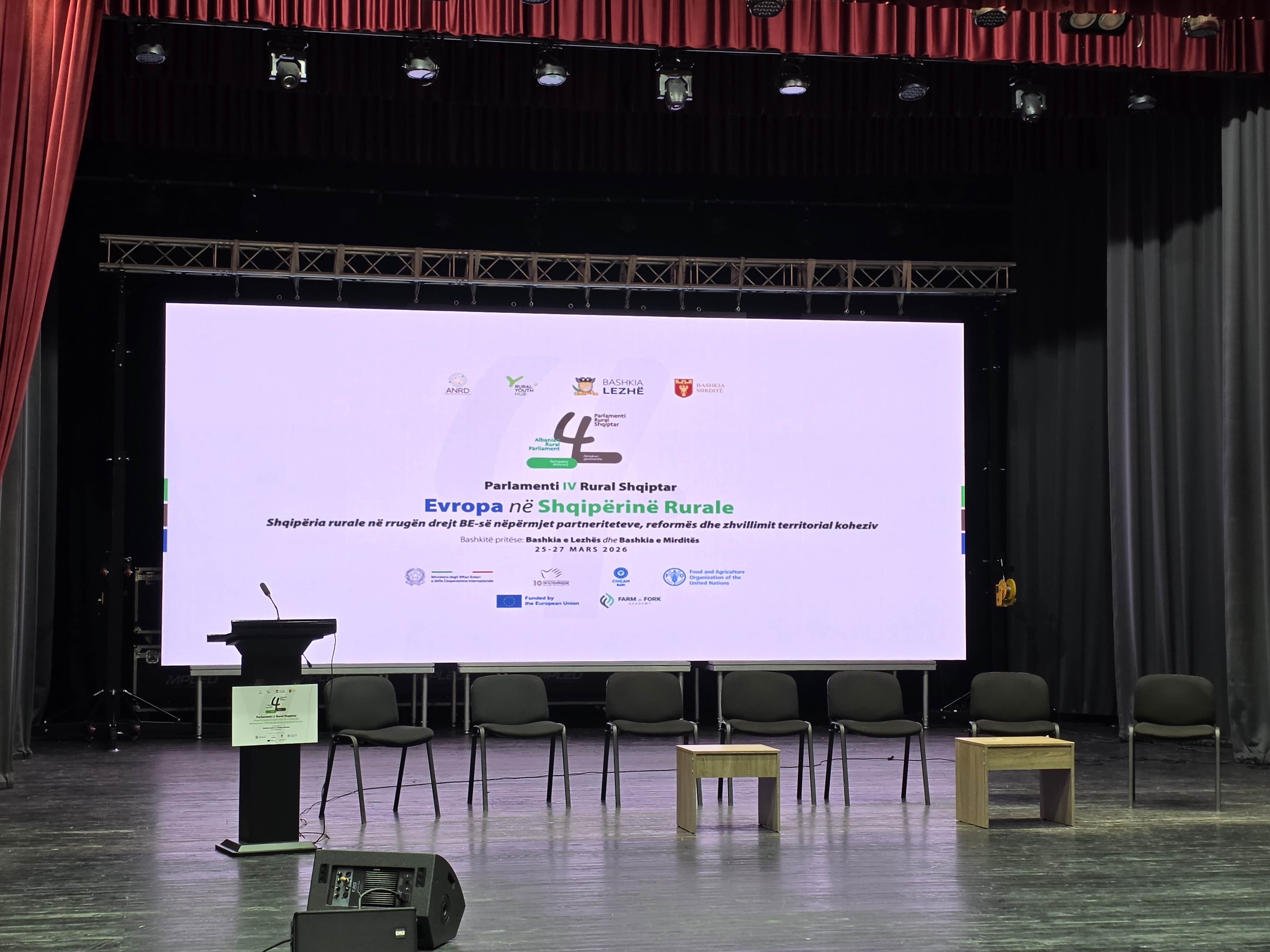

Food loss continues to pose a major challenge to sustainable agriculture and food systems worldwide. While often overlooked in broader agricultural discussions, losses occurring between production and market access have serious consequences for farmer livelihoods, food security, resource efficiency, and environmental sustainability. In Albania, these challenges are particularly visible within smallholder farming systems, where limited infrastructure, fragmented production, weak market connections, and post-harvest inefficiencies continue to affect agricultural productivity and incomes. Against this backdrop, YPARD Albania is helping bring greater attention to the issue through its participation in the FOLOU Twinning Regions Programme, an initiative supporting knowledge exchange and practical action on reducing food loss across agricultural systems.
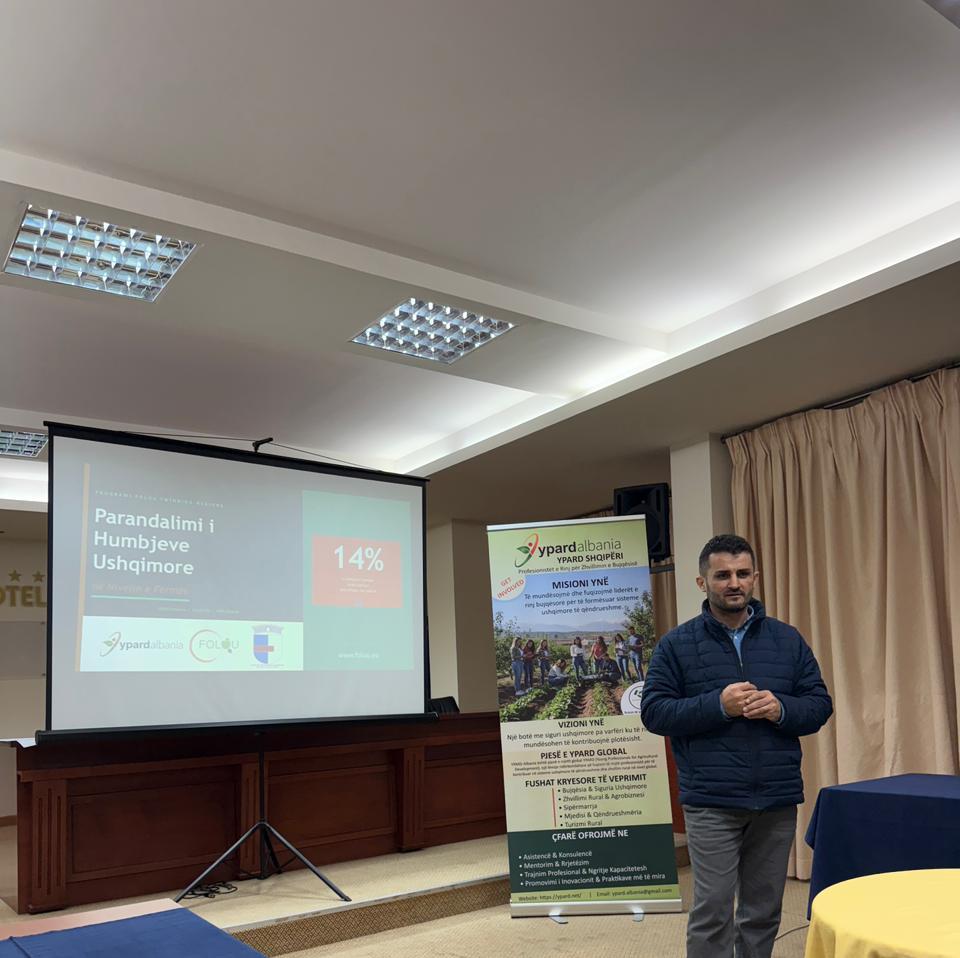
On 26 March 2026, YPARD Albania participated in the 4th Albanian Rural Parliament, organized by the Albanian Network for Rural Development (ANRD). The event brought together young farmers, researchers, policymakers, rural organizations, and development actors to discuss key challenges affecting Albania’s rural and agricultural sectors. During the forum, YPARD Albania delivered a dedicated presentation focused on food loss, creating space for dialogue around a challenge that many farmers experience daily but is rarely discussed in a structured or measurable way. One of the strongest messages emerging from the discussions was that food loss is often accepted as an unavoidable part of farming rather than recognized as a challenge that can be reduced through practical interventions, better planning, and stronger systems. The discussions helped shift the conversation from awareness towards identifying actionable solutions that can support farmers while strengthening the sustainability of Albania’s food systems.
Conversations with participants revealed that a significant share of food loss occurs during the post-harvest stage. Farmers highlighted several recurring challenges that contribute to these losses, including poor storage conditions, inadequate transportation systems, limited cold chain infrastructure, and difficulties accessing stable markets. Participants also emphasized the influence of market-related factors such as fluctuating prices, strict quality standards, lack of buyer agreements, and delays in market access. In many cases, produce that cannot be sold on time is either rejected or wasted entirely. These insights reinforced an important reality: food loss is not simply a technical issue linked to farming practices. It is deeply connected to broader structural and economic challenges across the agricultural value chain.
Through the FOLOU Twinning Regions Programme, YPARD Albania introduced practical methodologies aimed at helping farmers and stakeholders better understand, measure, and reduce food loss. Central to the approach is a simple but powerful principle: “You cannot manage what you do not measure.”
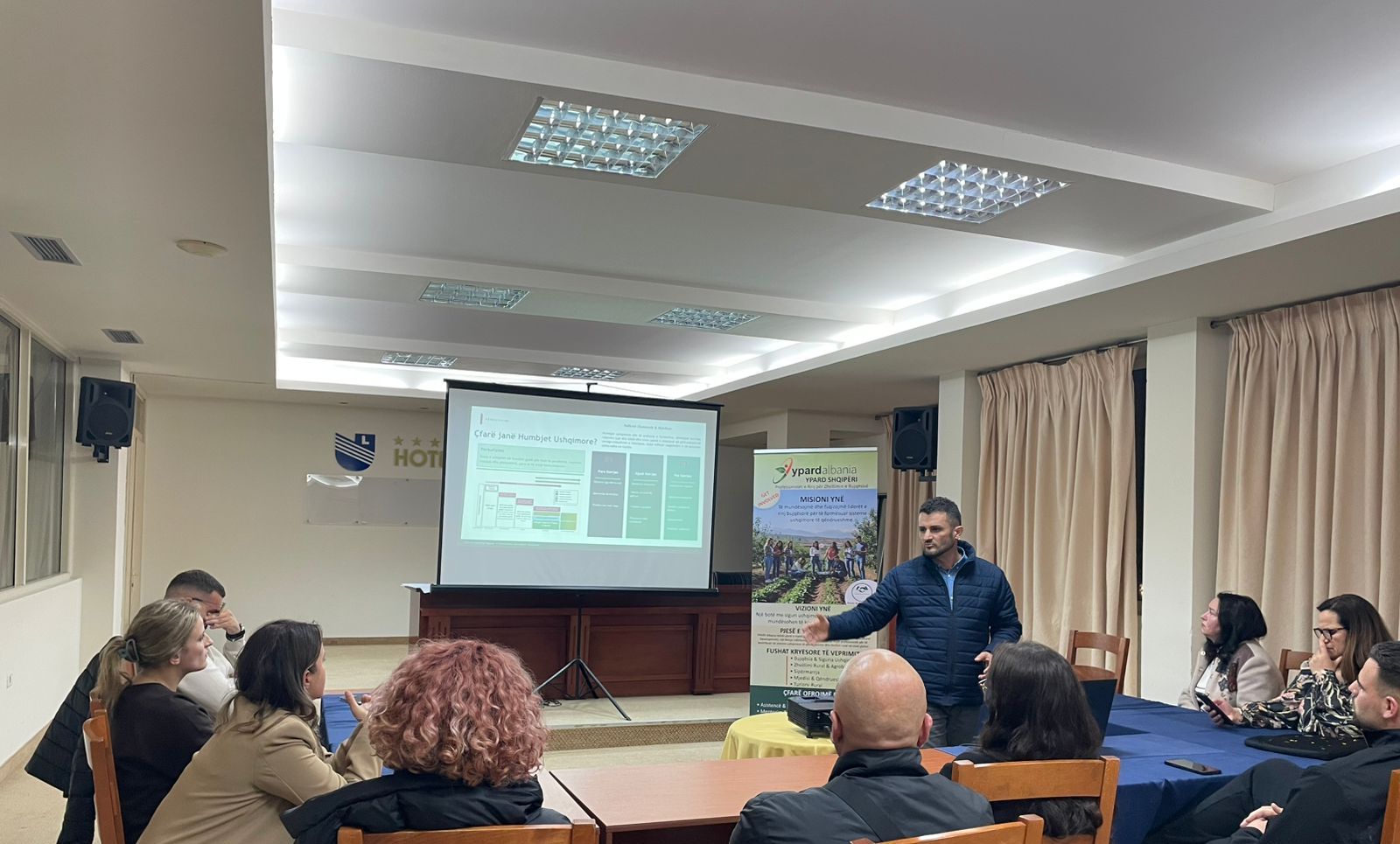
The programme promotes practical and accessible methods that allow farmers to identify where losses occur, understand the causes behind them, and apply targeted solutions adapted to local realities. The approach combines low-cost field practices with digital tools and knowledge-sharing methods, ensuring that solutions remain practical and accessible for different farming contexts across Albania. By encouraging farmers to measure and monitor losses more systematically, the initiative supports more informed decision-making and helps identify opportunities to improve efficiency without necessarily increasing production costs.
The discussions at the Rural Parliament also highlighted the important role young people can play in driving innovation within agricultural systems. Young farmers participating in the dialogue demonstrated strong interest in adopting new practices, digital tools, and climate-smart approaches that can help reduce losses while improving sustainability and profitability. Reducing food loss offers multiple benefits for young producers:
-Increased income through improved efficiency
-Better resource utilization
-Greater resilience to climate and market shocks
-Improved competitiveness within evolving agricultural markets
Participants also explored how alignment with European frameworks and sustainability priorities could create additional opportunities for investment, collaboration, and policy support for food loss reduction initiatives in Albania.
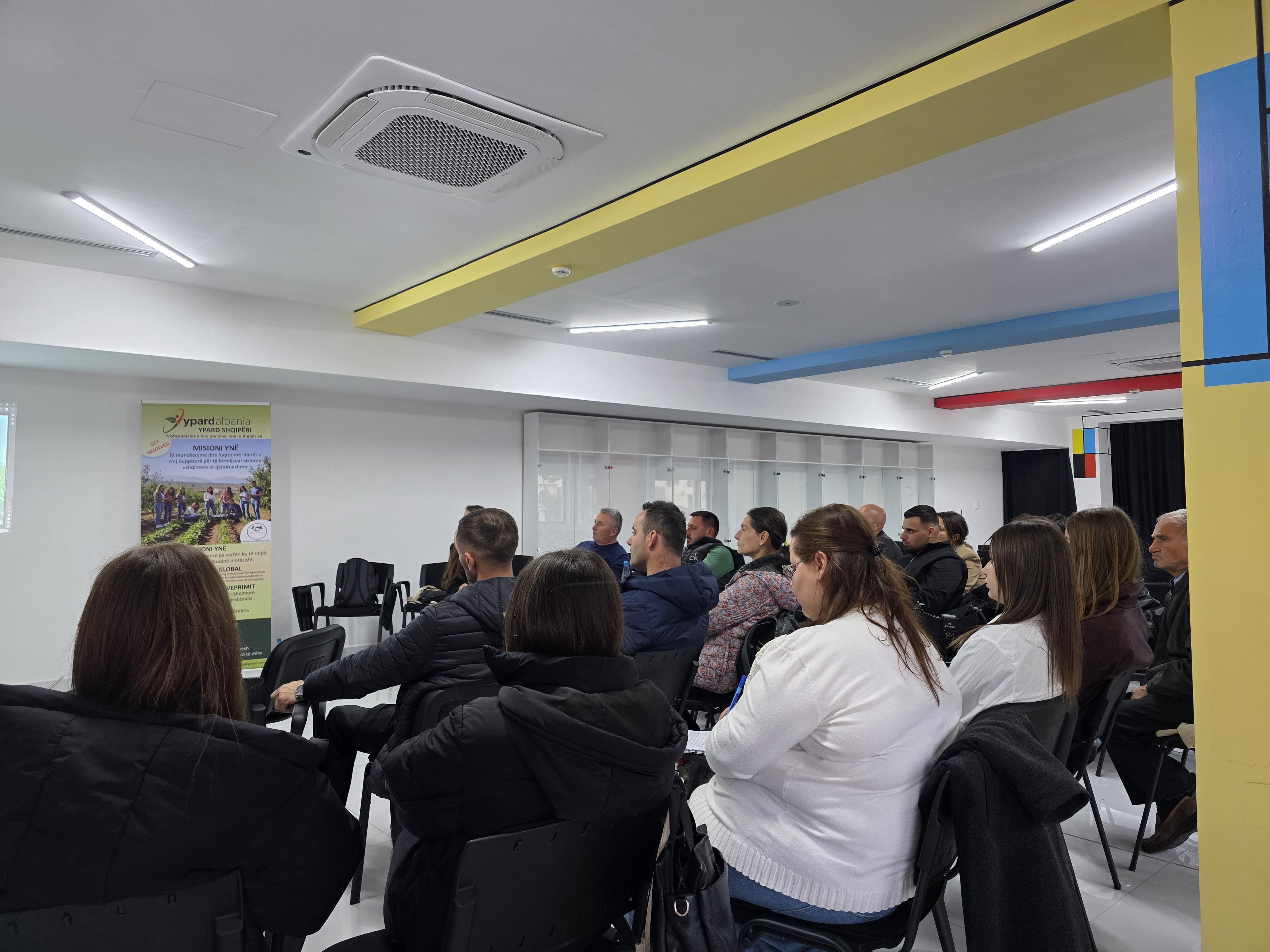
While awareness and discussion are important starting points, participants emphasized that long-term progress will require coordinated implementation efforts at multiple levels. At the farm level, this includes improving harvesting methods, storage systems, production planning, and post-harvest handling practices. At the system level, investments in infrastructure, logistics, and market organization remain critical. At the policy level, stakeholders highlighted the need for stronger support mechanisms, data collection systems, and targeted strategies that recognize food loss reduction as an important component of sustainable food systems development. YPARD Albania continues to contribute to this process by facilitating dialogue, supporting youth engagement, promoting practical solutions, and strengthening collaboration among stakeholders working across agriculture and rural development.
The conversations at the 4th Albanian Rural Parliament reinforced that reducing food loss cannot be addressed by farmers alone. Sustainable solutions require collaboration among producers, institutions, researchers, private sector actors, civil society organizations, and policymakers. The FOLOU experience demonstrates the value of combining local knowledge, youth engagement, practical innovation, and institutional support to drive meaningful change. As Albania continues working toward more resilient and sustainable agrifood systems, addressing food loss presents an important opportunity not only to improve efficiency and farmer livelihoods but also to strengthen environmental sustainability and food security for the future.

.jpg)