.png)

YPARD is pleased to welcome and introduce the members of the 2026 Policy Working Group (PWG), a diverse and dynamic team of young professionals from across the globe committed to advancing youth engagement in international policy processes related to climate change, biodiversity, land governance, agroecology, food systems, and just transitions. Representing different regions, expertise, and lived experiences, these focal points and subgroup leads bring valuable knowledge and leadership in areas such as sustainable agriculture, climate action, research, youth advocacy, biodiversity conservation, agribusiness, and community development. Through the Policy Working Group, they will contribute to amplifying youth voices, strengthening collaboration across regions, and advancing inclusive, resilient, and sustainable agrifood systems through global advocacy, dialogue, and collective action.
.jpg)
Inimbom Bassey is a Climate Change Specialist, Agribusiness Consultant, and Rural Development Expert whose work is driven by a strong commitment to building resilient food systems, advancing climate-smart agriculture, and creating economic opportunities for youth and smallholder farmers. She currently serves as the Executive Director of Baci Green Initiatives and coordinates the YAPU Solutions Berlin project, “Digital Data to Unlock Climate Finance for Smallholder Farmers’ Resilience” in Nigeria.
With extensive experience in climate action, sustainable agriculture, and rural development, Inimbom is passionate about supporting inclusive solutions that strengthen communities while promoting environmental sustainability. Her work focuses on bridging the gap between innovation, policy, and grassroots impact, particularly in areas related to land governance, agroecology, and youth empowerment. Through her role in YPARD, she hopes to amplify youth voices in global land and agroecology policy discussions, strengthen collaboration among young professionals across regions, and promote inclusive, climate-resilient land governance systems that support both people and the planet.
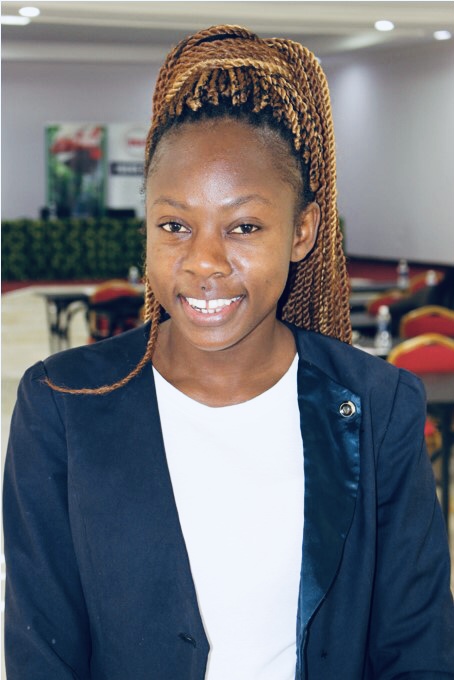
Sussana Phiri is an Entrepreneur for Rural Access (ERA), youth leader, and advocate for sustainable agrifood systems transformation currently serving as the Country Representative for YPARD Zambia and the Global Lead of the #Youth4Soil initiative. She is also an alumna of the Global Change Makers School and GLFP ’19, experiences that have further strengthened her leadership and commitment to youth-driven environmental and agricultural action. With extensive experience in youth engagement, women-focused interventions, climate resilience, and sustainable farming practices. Sussana has actively worked to promote inclusive approaches that empower rural communities and young people within agriculture and land governance spaces. Her work focuses on supporting youth participation, strengthening community resilience, and advancing sustainable land use practices that contribute to food security and environmental sustainability.
As Focal Point for the Land Subgroup, she envisions harnessing youth innovation and advancing clear policy priorities to strengthen sustainable land management and land tenure security. She is particularly passionate about fostering collaboration across diverse policy processes and ensuring that youth voices actively shape resilient, equitable, and sustainable land systems within regional and global forums.

Kitso Monyadi is the Founder and Creative Director of Botlhale Ba Rrammutla Farms, a youth-led bioeconomy enterprise dedicated to biodiversity conservation, Indigenous Knowledge Systems (IKS), phytomedicine research, and the commercialization of indigenous plant-based innovations. Her work is centered on bridging science, policy, and community-driven innovation through the sustainable use of biodiversity while creating opportunities for youth empowerment and local economic development.
Passionate about the intersections between biodiversity, food systems, health, and sustainable development, Kitso actively promotes approaches that recognize the value of indigenous knowledge and nature-based solutions in addressing contemporary environmental and social challenges. Her work also focuses on strengthening awareness around biodiversity conservation and advancing inclusive participation within environmental governance spaces. Kitso is currently participating in the SACAU Young Leaders’ Incubation Programme (YLIP), which focuses on strengthening youth leadership and policy engagement across the SADC region. She is also a Fellow of the Women Leaders in Planetary Health programme, an experience that has further deepened her interest in the connections between biodiversity, public health, food systems, climate resilience, and sustainable development. Through her role within the YPARD Policy Working Group, she hopes to contribute meaningfully to strengthening youth engagement in biodiversity policy processes, advancing collaborative advocacy across regions, and building stronger connections between policy discussions and practical implementation at community level. She is particularly committed to ensuring that young people, especially women and indigenous communities, are recognized as important actors in biodiversity conservation and sustainable ecosystem management.

Katia Carranza is a sustainability researcher, policy advocate, and strategist whose work focuses on strengthening the relationship between people, ecosystems, and resilient food systems. With a strong background in conservation, climate justice, and agroecology, she is passionate about advancing approaches that recognize the interconnectedness of environmental sustainability, community wellbeing, and social equity. Holding a Master of Science in Natural Resources, Katia has contributed to research and policy processes that examine complex socioecological systems across multiple scales. Her work has involved developing evidence-based recommendations that support climate resilience, equitable resource management, biodiversity conservation, and agroecological transitions while centering the experiences and knowledge of multicultural and local communities.
Katia’s professional and academic journey reflects a strong commitment to collaborative and inclusive approaches to environmental governance. She believes that sustainable solutions emerge when communities, researchers, policymakers, and young leaders work together to co-create strategies that respond to both local realities and global challenges. As Co-Lead of the Biodiversity Policy Working Group within YPARD, Katia is enthusiastic about mobilizing and connecting young leaders from different regions to contribute to biodiversity and food systems policy discussions. She hopes to help shape holistic agricultural and environmental policy solutions that strengthen communities, protect ecosystems, and promote equitable and climate-resilient futures through cross-sectoral and cross-scale collaboration.

Sopiko Babalashvili is a young professional from Georgia working at the intersection of sustainable development, climate resilience, and community empowerment. She currently serves on the UNCCD Civil Society Organization (CSO) Panel as the representative for the Central and Eastern Europe region, contributing to international discussions and advocacy related to land degradation, drought resilience, and sustainable land management. Over the past six years, Sopiko has led and supported a wide range of initiatives focused on climate-resilient agriculture, rural development, climate education, and the empowerment of women and youth. Her work has involved engaging local communities, supporting knowledge-sharing processes, and promoting inclusive approaches to sustainability that respond to the realities faced by vulnerable populations, particularly in rural areas.
Since becoming a Country Representative for YPARD in 2022, Sopiko has actively contributed to strengthening youth engagement within agrifood systems and environmental governance spaces. She is passionate about creating opportunities for young people to participate meaningfully in policy discussions and decision-making processes at both regional and international levels. As Focal Point for the UNCCD Subgroup, Sopiko is motivated by the need to strengthen civil society participation and ensure that youth perspectives are better represented within international land and drought negotiations. She hopes to support stronger collaboration among young professionals and grassroots actors while advocating for inclusive, people-centered approaches to sustainable land management, ecosystem restoration, and climate resilience.

Aya Ait El Madani is a youth advocate from Morocco working at the intersection of climate action, sustainable agriculture, and youth engagement. She is passionate about advancing inclusive environmental solutions and strengthening the role of young people in shaping sustainable and resilient communities. Currently serving as a UNCCD Focal Point, Aya contributes to strengthening youth participation in global discussions on land restoration, climate resilience, and sustainable development. Her work is driven by the belief that young people are not only future leaders, but also active changemakers already contributing to solutions within their communities.
She is particularly interested in connecting local realities with global platforms, promoting practical and community-centered environmental action, and empowering youth to actively engage in climate and land restoration processes at both local and international levels. Through her role within YPARD, Aya aims to strengthen youth representation in environmental decision-making spaces, advocate for sustainable land use practices, and support initiatives that translate global commitments into meaningful community impact.

Michelle Gaëlle Bidima is a youth climate negotiator and environmental advocate from Burkina Faso actively engaged in advancing youth participation in international climate and biodiversity governance processes, particularly within the UNFCCC and CBD spaces. She works closely with young people and youth networks to strengthen inclusive climate action, environmental justice, and youth leadership across African communities. Her work focuses on creating opportunities for meaningful youth engagement in climate discussions while promoting stronger connections between climate action, sustainable agriculture, biodiversity conservation, and food systems transformation. Michelle is especially passionate about ensuring that African youth voices are represented within global environmental policy spaces and decision-making processes.
Her motivation for joining and continuing within the YPARD Policy Working Group stems from her commitment to ensuring that young people, particularly those from underrepresented regions, are meaningfully included in climate governance and international negotiations. She believes YPARD plays a critical role in connecting youth voices working at the intersection of climate, agriculture, sustainable development, and food systems. Through this Working Group, Michelle hopes to strengthen collaboration among members, support the development of impactful youth contributions and position papers, and help create more accessible, inclusive, and empowering opportunities for youth engagement within the UNFCCC process and related global climate discussions.
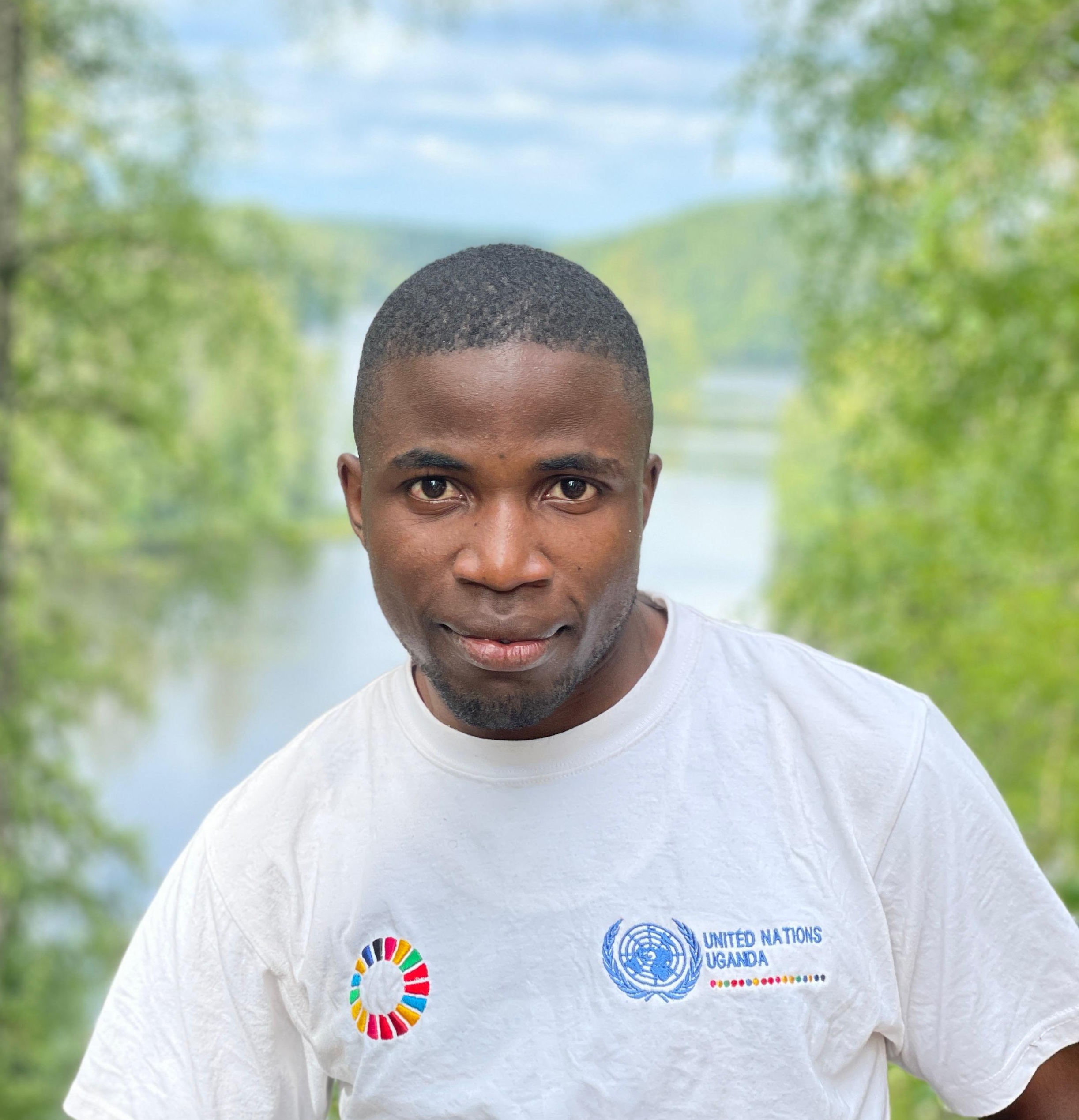
Enock Joseph Ssembuusi is an agronomist, researcher, and agricultural innovator from Uganda with a strong passion for climate-resilient agriculture and sustainable food systems transformation. He currently serves as a Field Agronomist at the African Fertilizer and Agribusiness Partnership and as Co-founder and Head of Research and Development at Veridian BioHarvest, where he works on developing climate-resilient, bio-based crop solutions that improve yields and restore soil health for smallholder farmers. His work combines science, innovation, and practical agricultural solutions to address challenges related to climate change, soil degradation, and food insecurity, particularly among farming communities in developing countries. Enock is deeply committed to advancing sustainable agricultural practices that strengthen resilience while improving livelihoods and productivity for smallholder farmers.
He has also been actively engaged in international climate and food systems advocacy, including volunteer contributions with ClimaTalk during COP30 preparations and participation as a World Food Forum (WFF) Youth Observer from 2024–2026. These experiences have strengthened his interest in ensuring that agriculture and food systems remain central within global climate discussions and negotiations.
His motivation for joining the YPARD Policy Working Group is to contribute scientific, practical, and entrepreneurial perspectives to global climate conversations, particularly on the role of agriculture in climate adaptation and mitigation. He is passionate about ensuring that young professionals, especially from Africa, have a meaningful voice in shaping climate policy and advancing resilient agrifood systems. As the YPARD Focal Point for the UNFCCC process, Enock hopes to strengthen youth participation in climate negotiations, advocate for greater recognition of agriculture and food systems within climate agendas, and amplify the voices, innovations, and solutions of young professionals from developing countries.

Nikita Bhusal is a food scientist, researcher, and youth advocate from Nepal currently serving as the Country Representative for YPARD USA while pursuing her PhD in Food Science and Technology at the University of Georgia. Her research focuses on microbial food safety, bioinformatics, bacterial population genetics, and genomics, with a strong interest in advancing safer, healthier, and more sustainable food systems. Growing up in Nepal, Nikita developed an early understanding of the importance of food not only as a basic necessity, but also as something deeply connected to health, dignity, identity, and opportunity. Witnessing inequalities in access to safe and nutritious food based on income levels and social identities inspired her commitment to advocating for more equitable, resilient, and inclusive food systems.
Her interest in the concept of a “Just Transition” is rooted in the belief that sustainability efforts must go beyond environmental outcomes to also address the social and economic realities faced by communities most affected by climate change, inequality, and food insecurity. She strongly believes that building a resilient and regenerative future requires collaboration among governments, institutions, organizations, and inclusive communities where no one is left behind. Through her role within the YPARD Policy Working Group, Nikita hopes to amplify the voices of young people in global discussions around food systems and sustainability, contribute to meaningful policy dialogues, and promote evidence-based and inclusive approaches that support a more just, equitable, and sustainable future for all.
.PNG)
Evance Ochola is an agrifood systems professional, youth advocate, and Master’s candidate in International Farm Management at the Weihenstephan-Triesdorf University of Applied Sciences. His academic background reflects a strong commitment to sustainable agriculture and agrifood systems transformation, holding a Bachelor of Agribusiness Management from Egerton University, a Postgraduate Diploma in Advanced Agriculture from the Arava International Centre of Agriculture in Israel, and a Certificate in Agribusiness from Baraka Agricultural College in Kenya. Evance’s work and advocacy focus on advancing sustainable agriculture, climate action, youth engagement, and inclusive food systems. He is particularly passionate about strengthening resilient agrifood systems that respond to the growing environmental, economic, and social challenges affecting communities globally, especially young people and smallholder farmers.
His engagement closely aligns with global efforts to accelerate climate action and support a just transition toward sustainable and low-emission economies, including the transformation of agrifood systems and the transition away from fossil fuel dependency. He strongly believes that young people must play a central role in shaping equitable and inclusive climate solutions that balance environmental sustainability with social and economic justice. As the Focal Point for the Just Transition Subgroup within the YPARD Policy Working Group, Evance is committed to fostering meaningful youth participation in global policy processes related to climate action, energy transitions, and food systems transformation. Inspired by the urgency of transforming agrifood systems, he advocates for inclusive, equitable, and youth-responsive approaches that ensure young people are actively involved in shaping sustainable futures.

Samikshya Gaire is a young food technologist from Nepal with a strong passion for improving safe, sustainable, and affordable food systems. She holds a Bachelor’s degree in Food Technology from Tribhuvan University, where she specialized in food safety, quality assurance, and traditional food preservation methods. Her academic background has strengthened her interest in sustainable food production and evidence-based approaches to food systems development. Currently serving as a Research Assistant at the Nepal Agricultural Research Council, Samikshya focuses on research related to high-altitude crops, particularly their nutritional and bioactive properties. Her work contributes to understanding the value of indigenous and underutilized crops and their potential role in strengthening nutrition, resilience, and sustainable agriculture in vulnerable communities.
Her dissertation, “Comparative Quality Assessment of Khuwa from Kathmandu Valley,” explored the safety and standardization challenges surrounding traditional dairy products and further deepened her interest in food research, sustainable food processing, and science-informed policy development. She is particularly interested in how food technology and innovation can support resilient food systems while preserving traditional knowledge and local food cultures. As the Focal Point for the Agroecology Subgroup within YPARD, Samikshya hopes to collaborate with young professionals from different regions who are working toward sustainable agriculture and resilient food systems. She looks forward to contributing ideas on food technology, sustainable processing practices, and underutilized crops while promoting stronger youth participation in agroecology and agricultural development initiatives globally.

Ezeofor Goodness is a young forester from Nigeria, agripreneur, and youth advocate passionate about agroecology, sustainable food systems, and she is the Founder and CEO of G-ACTIVE Drinks, a natural beverage brand dedicated to processing indigenous crops into healthy drinks while promoting local agriculture, value addition, and community impact. Her work focuses on supporting sustainable livelihoods through the use of locally sourced agricultural products while encouraging healthier food choices and strengthening local food systems. Through her enterprise, Ezeofor actively promotes the importance of indigenous crops, youth entrepreneurship, and environmentally conscious agricultural practices that contribute to both economic empowerment and ecological sustainability.
Her motivation for joining the Agroecology Working Group stems from her strong belief in sustainable and inclusive agricultural systems that protect biodiversity, strengthen local communities, and preserve indigenous knowledge. She is particularly passionate about advocating for farming approaches that work in harmony with nature while creating opportunities for youth and smallholder farmers across Africa. Through her role within the YPARD Policy Working Group, Ezeofor hopes to learn from diverse global experiences, contribute meaningfully to discussions on agroecology and sustainable landscapes, build impactful collaborations, and support innovative solutions that advance resilient, inclusive, and climate-conscious food systems across Africa and beyond.