
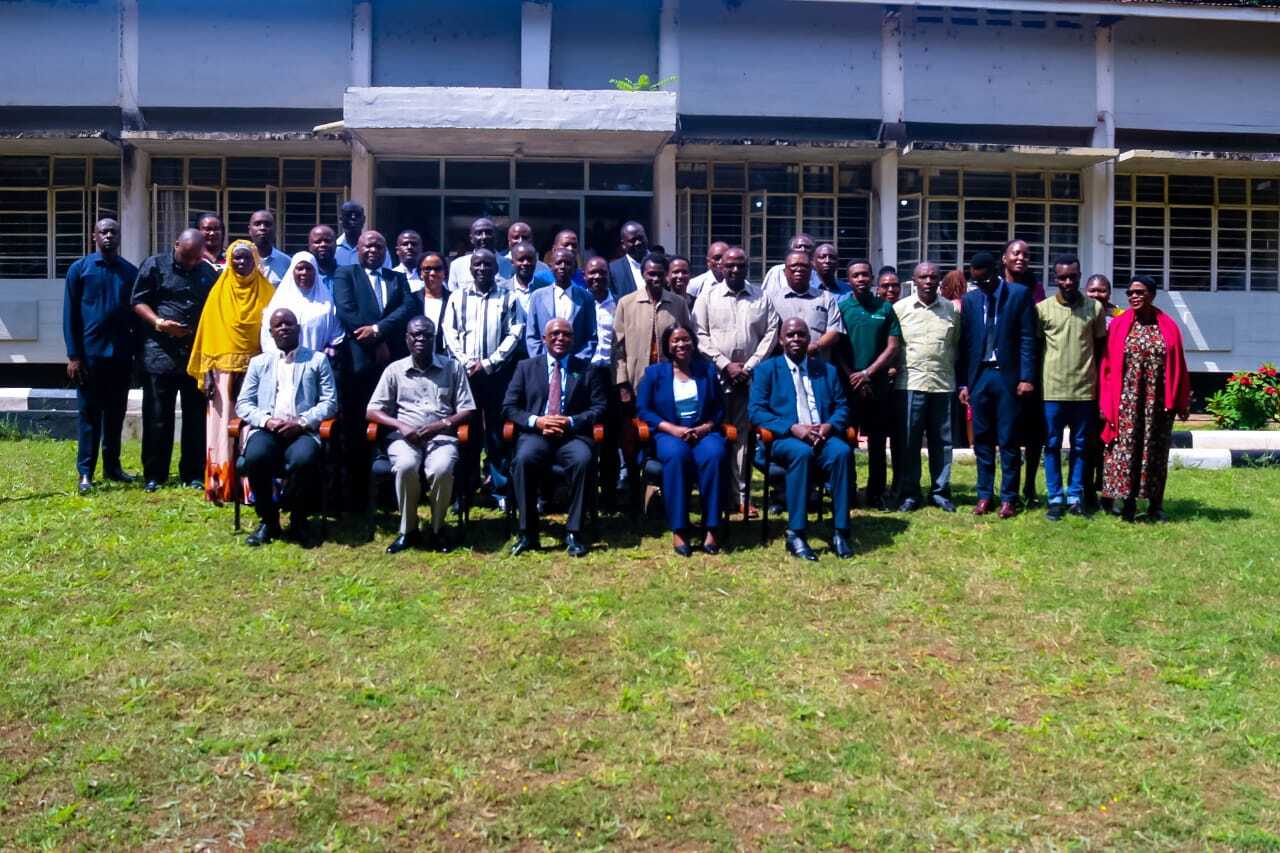

As the world continues to confront the interconnected challenges of climate change, biodiversity loss, food insecurity, and environmental degradation, agroecology is increasingly emerging as a transformative pathway toward sustainable and resilient food systems. In response to these pressing global and local realities, the Agroecology Hub in Tanzania convened its Annual Stakeholders Forum from 31 March to 1 April 2026 at the ICE Elephant Hall, located at Sokoine University of Agriculture in Morogoro, Tanzania. Held under the theme “Driving Agroecology Forward through Collaborative Solutions for Sustainable and Resilient Food Systems,” the forum brought together diverse actors from across the agroecology ecosystem to strengthen dialogue, partnerships, and action toward sustainable agricultural transformation.
.jpeg)
The Annual Stakeholders Forum served as an important platform for engagement among farmers, researchers, policymakers, civil society organizations, development practitioners, youth leaders, and private sector actors committed to advancing agroecology in Tanzania and beyond. At a time when conventional food systems are increasingly under pressure from climate shocks, soil degradation, economic inequalities, and unsustainable production models, the forum created space for critical reflection and collaborative problem-solving. Participants explored how agroecological approaches can contribute to healthier ecosystems, improved livelihoods, resilient communities, and sustainable food production systems.
More than a conference, the gathering represented a collective commitment to reimagining the future of agriculture through approaches that place people, nature, and sustainability at the center. The forum focused on strengthening coordinated efforts to address key challenges affecting food systems while identifying opportunities to scale agroecological solutions across Tanzania.
One of the central objectives of the forum was to create opportunities for stakeholders to exchange experiences, lessons learned, and innovative practices in agroecology implementation. Farmers and practitioners shared practical examples of sustainable farming techniques, soil regeneration practices, biodiversity conservation, seed preservation, water management strategies, and community-led innovations that are helping build resilience in local food systems.
Researchers and technical experts contributed evidence and insights on agroecological approaches, while community organizations highlighted the realities and needs of smallholder farmers working on the frontlines of climate change. These exchanges helped strengthen learning across sectors and demonstrated the value of locally driven solutions in advancing food security and environmental sustainability.
The forum also emphasized the importance of partnerships and multi-stakeholder collaboration in accelerating agroecological transformation.

Building on recommendations from the 4th National Ecosystem and Agroecology Conference (NEOAC), participants discussed ways to address persistent challenges including:
-Research and knowledge gaps
-Limited policy support for agroecology
-Capacity-building needs
-Access to resources and financing
-Strengthening youth and women’s participation
-Scaling successful agroecological models
Participants acknowledged that achieving sustainable and resilient food systems requires coordinated action among governments, academic institutions, civil society, farmer organizations, development partners, and local communities. By strengthening networks and collaboration, stakeholders can collectively advance policies, programs, and investments that support agroecology at both local and national levels.
While discussions and knowledge-sharing remain important, participants recognized that meaningful transformation depends on effective implementation.
The forum therefore focused not only on identifying priorities but also on developing practical and actionable strategies to advance agroecology in Tanzania. Through interactive discussions and collaborative planning sessions, participants explored implementation pathways that can translate ideas into measurable impact. These strategies included strengthening farmer training initiatives, promoting research and innovation, enhancing community engagement, advocating for enabling policies, and creating stronger support systems for agroecological enterprises and local food systems. The forum reinforced the importance of accountability, coordination, and long-term commitment in ensuring that agroecological transitions are both inclusive and sustainable.
Agroecology continues to gain global recognition as a holistic approach that integrates ecological principles, traditional knowledge, social equity, and sustainable agricultural practices. In Tanzania, agroecology presents an important opportunity to address multiple challenges simultaneously by improving food security, restoring ecosystems, strengthening resilience to climate change, empowering communities, and supporting sustainable livelihoods. The Annual Stakeholders Forum highlighted the growing momentum behind agroecology and the increasing commitment among stakeholders to drive systemic change through collaboration and innovation.

As Tanzania and the broader global community continue to seek sustainable solutions for the future of food systems, platforms such as the Agroecology Hub’s Annual Stakeholders Forum remain critical in fostering dialogue, strengthening partnerships, and mobilizing action. The 2026 forum demonstrated that building sustainable and resilient food systems is not the responsibility of one sector alone. It requires collective leadership, shared learning, and coordinated action from all stakeholders. Most importantly, it reaffirmed that agroecology is not only an agricultural approach it is a movement for environmental sustainability, social justice, community resilience, and a healthier future for both people and the planet.

.jpg)