
.png)

Under the Women and Youth in Agroecology (WYNA) Programme, young leaders across Africa are empowered to design and implement innovative community- Youth led solutions that promote sustainable agriculture, food security, and inclusive food systems. One of the community solution projects is the Mushroom Growing Project led by Anyama Henry, a WYNA Fellow from Uganda’s Adjumani District. Henry’s project trains youth and women in practical mushroom cultivation techniques, transforming locally available agricultural waste into nutritious food and income-generating opportunities.
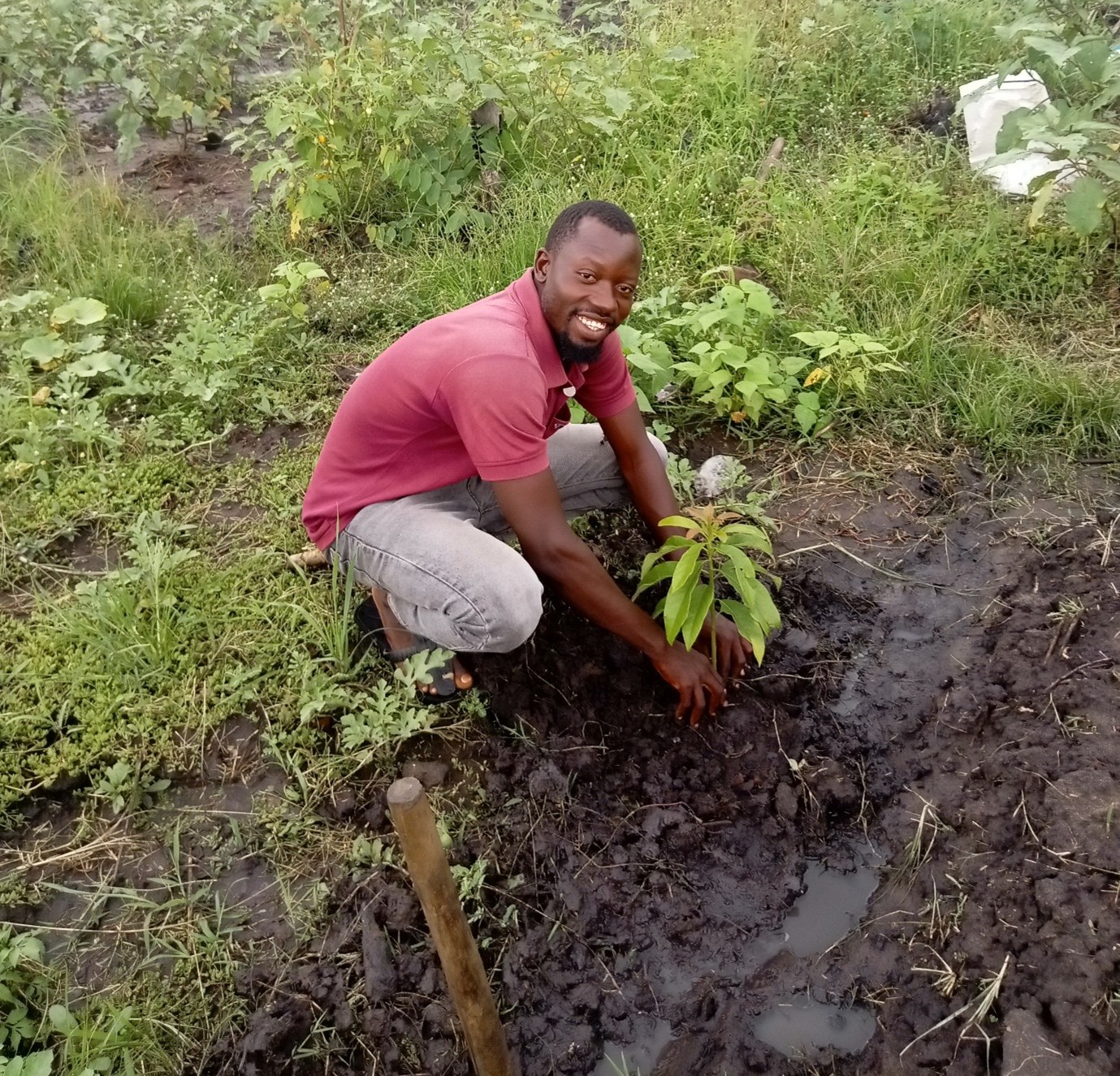
Henry is a passionate community development advocate committed to promoting sustainable livelihoods, youth empowerment, and gender equality. He founded the mushroom growing initiative to equip local youth and women with practical skills in agroecology and income generation. Through his project, Henry emphasizes environmental conservation, the reuse of agricultural by-products, and building resilient food systems. His motivation to join the WYNA Programme came from a desire to gain mentorship, skills, and networks that could enhance the impact of his community solution and foster long-term change.
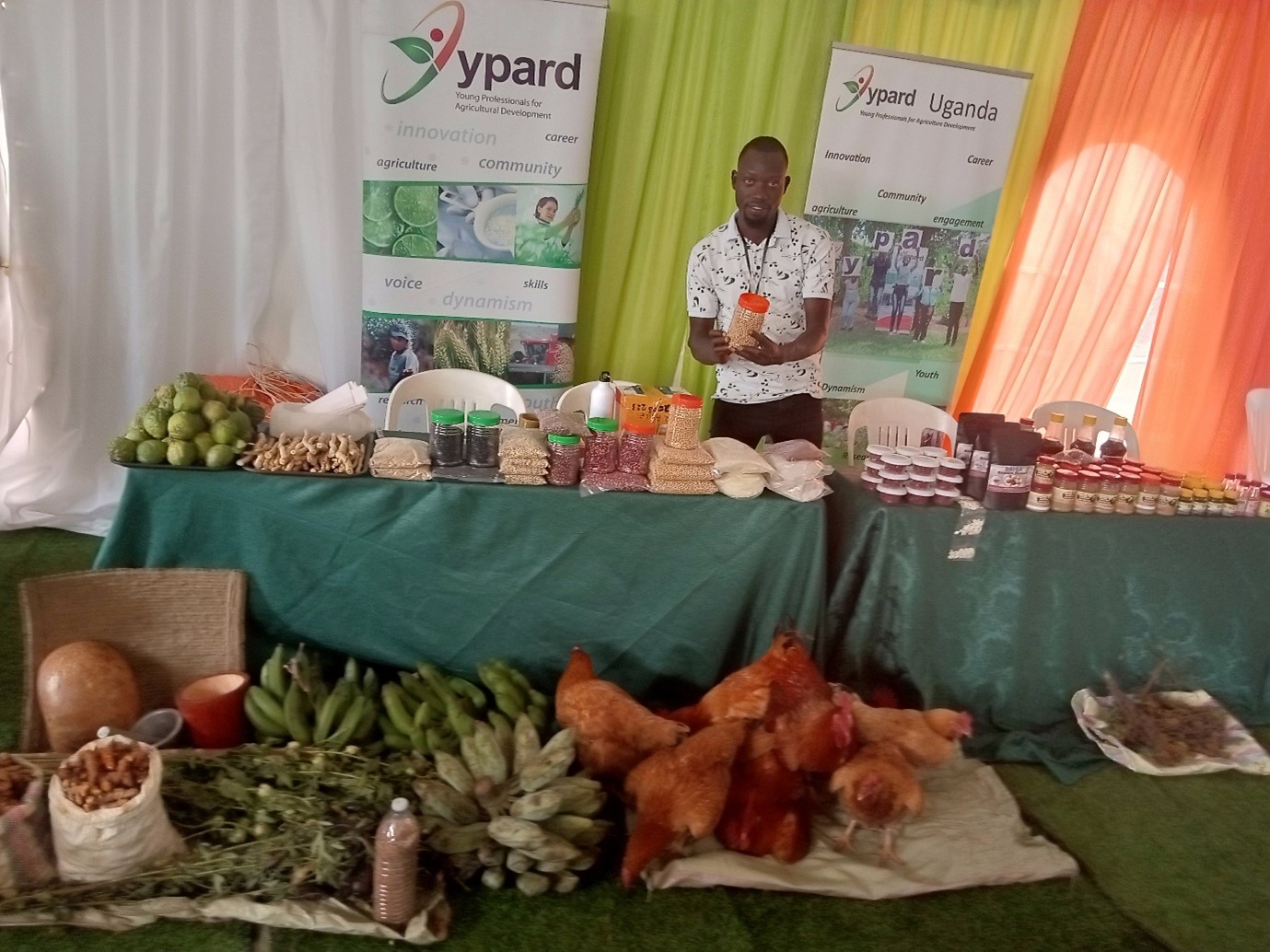
Henry’s community solution focuses on mushroom cultivation using locally available materials such as maize husks, cotton waste, and sawdust. The project addresses pressing issues like unemployment, food insecurity, and environmental degradation. By converting agricultural waste into nutritious mushrooms, the project provides a source of protein-rich food while offering practical skills and income opportunities for youth and women. Inspired by the struggles he observed in his community, Henry envisioned mushroom farming as a low-cost, high-value enterprise that empowers people economically and contributes to better nutrition.
The mushroom project primarily benefits youth and women, particularly those with limited income opportunities. It equips participants with practical cultivation skills, basic agribusiness knowledge, and the tools needed to produce and market their mushrooms effectively. Local households benefit through improved access to affordable, nutritious food, while the wider community gains from reduced organic waste and enhanced environmental conservation. The project demonstrates how small-scale agroecology initiatives can promote self-reliance, strengthen livelihoods, and contribute to healthier and more sustainable food systems. In addition, Henry supports women in Adjumani to engage in horticulture as an alternative income-generating activity. This initiative provides them with additional financial stability, enabling them to better meet household needs and improve overall well-being.
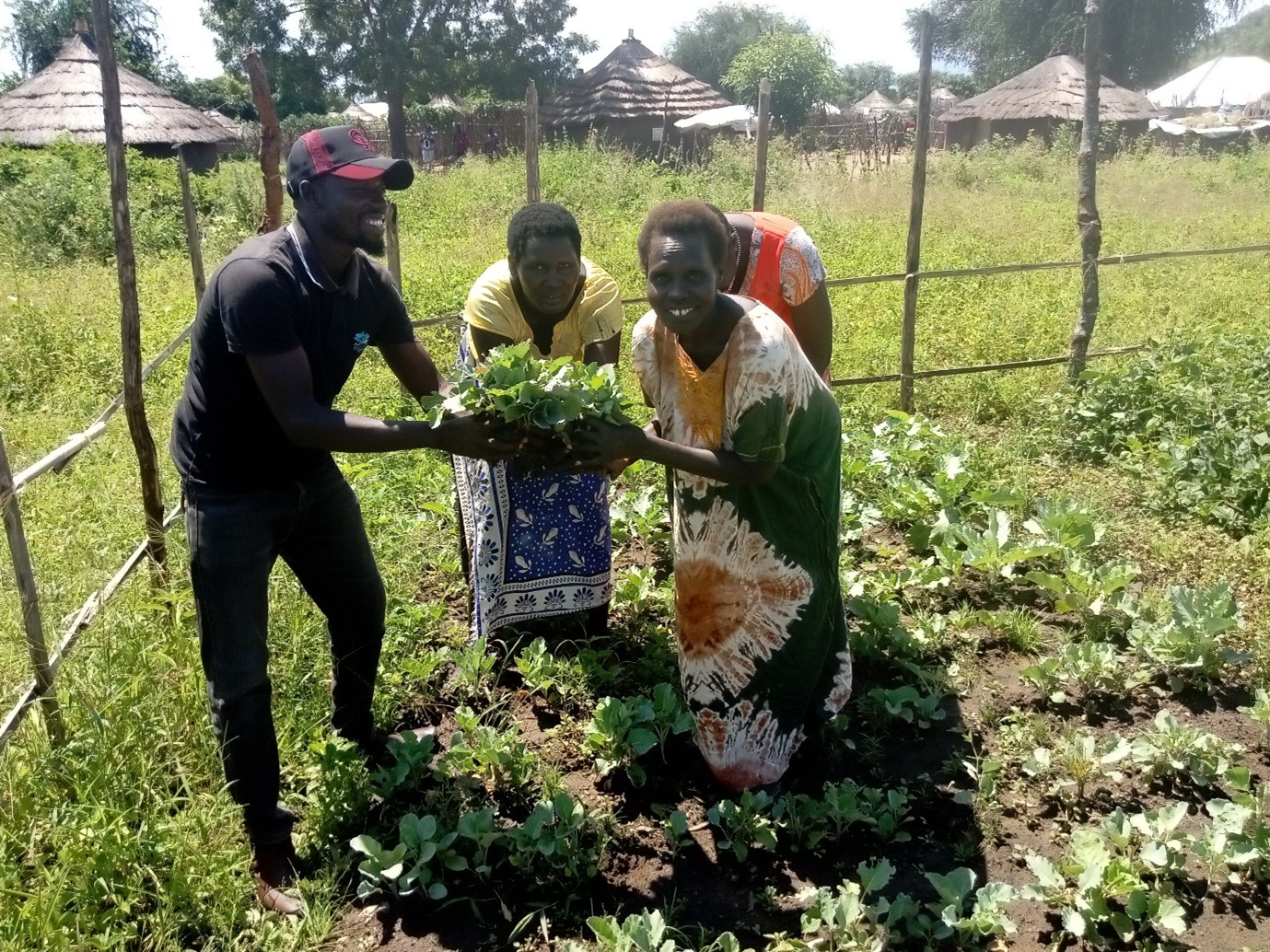
To sustain and scale the project beyond the WYNA Programme, Henry plans to form producer groups, expand production, and establish partnerships with local government, NGOs, and agricultural organizations. Investments in equipment such as dryers, refrigerators, and packaging materials, along with capacity building and mentorship, will strengthen the project’s sustainability. Henry also seeks technical support in agribusiness management, value addition, marketing, and certification to reach wider markets and maximize impact.
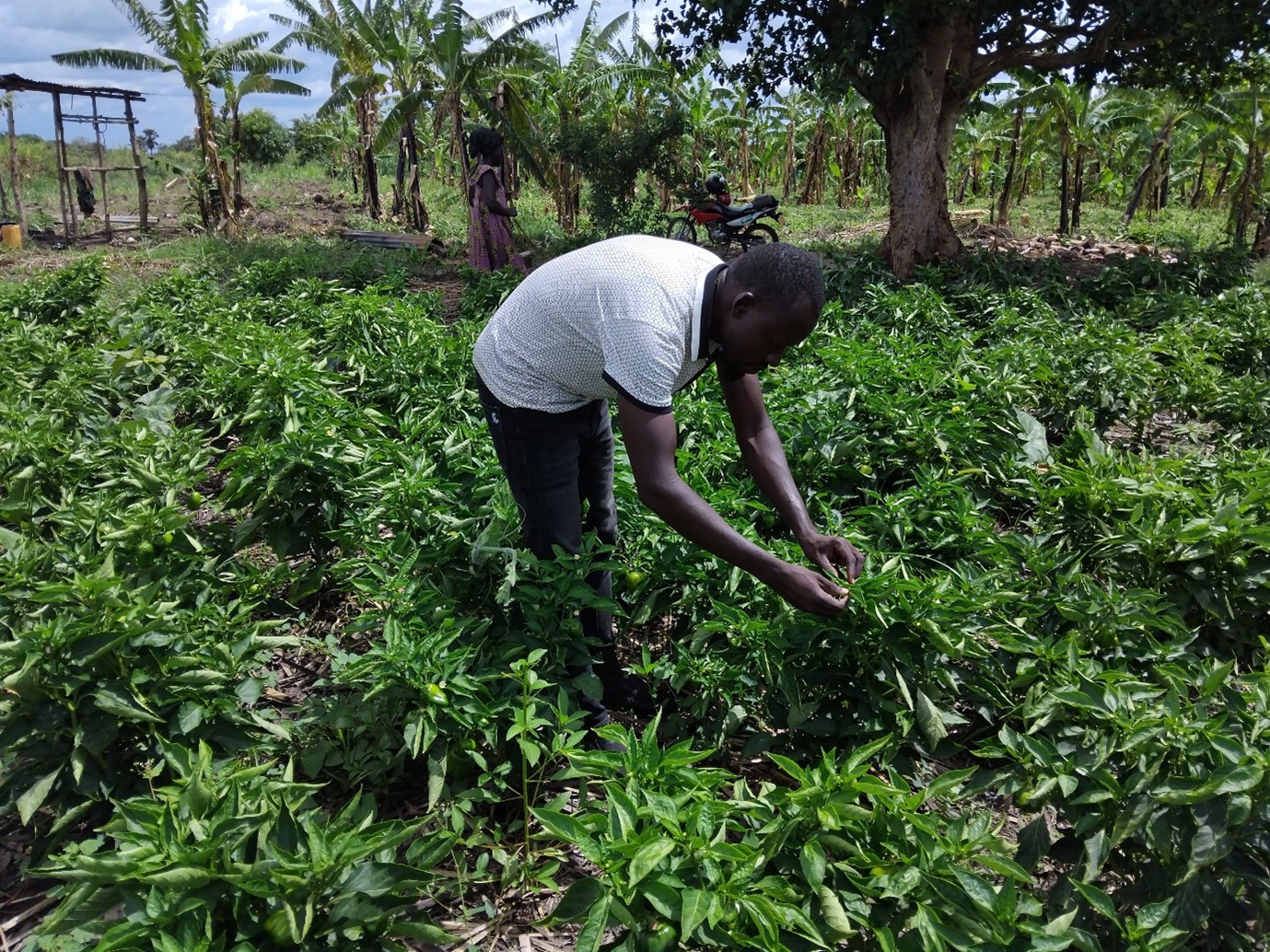
Henry’s project contributes to agroecology by encouraging the sustainable use of local resources, avoiding chemical fertilizers, and recycling agricultural waste. By training youth and women in organic mushroom cultivation, the initiative spreads awareness about environmentally friendly farming practices while promoting food security and income generation.
"I encourage young people to see agroecology as a pathway to empowerment and resilience" Henry said. He advises the young people to start small, make use of available resources, and build strong networks with relevant stakeholders. “Start where you are, with what you have. Even small steps in agroecology can create meaningful change,” he says. He further emphasizes the importance of blending traditional knowledge with innovation, stating, “We must combine indigenous knowledge with new ideas and technologies if we are to build sustainable food systems.” He concludes by highlighting that agroecology goes beyond farming, noting, “Agroecology is not just farming it is about building resilient communities, protecting the environment, and creating opportunities for future generations.”

.jpg)