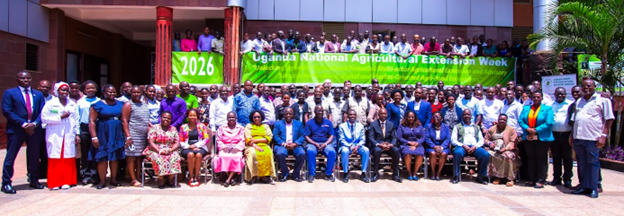

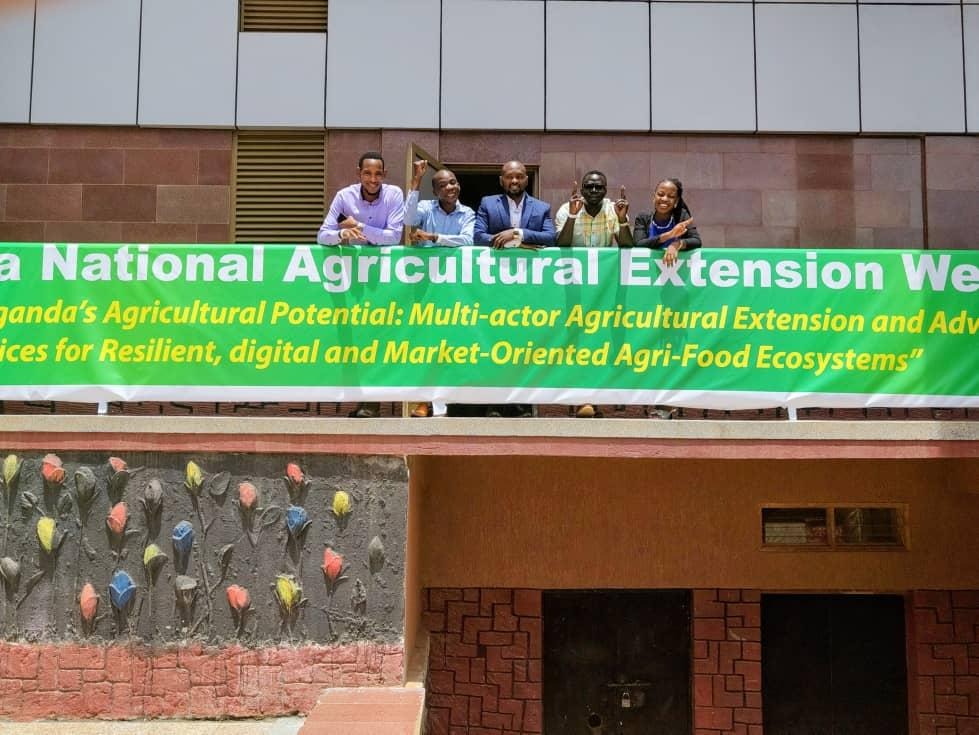
The Uganda National Agricultural Extension Week 2026 was held at Silver Springs Hotel, Kampala Uganda from 20th –24th April 2026 under the theme: Unlocking Uganda's Agricultural Potential: Multi-actor Agricultural Extension and Advisory services for Resilient, digital and Market-Oriented Agri-Food Ecosystems. This event brought together a diverse range of stakeholders from across the agricultural extension and advisory services (AERAS) ecosystem, including government agencies, research institutions, development partners, private sector actors, academia, and youth networks. The event provided a strategic platform to reflect on the role of extension in transforming Uganda’s agri-food systems.

A number of YPARD Uganda members as well as the Uganda Global Programme for Small-Scale Agroecology Producers and Sustainable Food Systems Transformation”, (GP-SAEP) youth fellows actively participated in the five-day event in different ways i.e contributing to discussions, supporting rapartouring, supporting the front registration desk and engaging in knowledge exchange, as well as strengthening their capacity as young professionals in extension and agrifood systems. Some of the YPARD Uganda members that attended the event included Nagujja Julian, Arinaitwe Patricia, Kasiita Gerald, Ategeka Stuart, Ankunda Moureen, Kakunguru Brenda, Rukundo Nicholas, Mugisha Ruth, and GP SAEP fellows (also YPARD Uganda members) i.e. Ajuna Tadeo, Frank Mufuruki, Emiru Jacob and Nabulime Deborah.
The participation of YPARD Uganda members and GP SAEP fellows aimed to:

The event kicked off with opening remarks by Ms. Beatrice Luzobe the CEO of UFAAS who highlighted the urgency of strengthening extension systems, while the keynote by the chief guest Dr. Nakalet Commisioner-MAAIF representing the Minister of Agricultire Animal Industry and Fisheries emphasized the transformative role of extension in shaping livelihoods and communities. Regional and global perspectives reinforced the need for stronger coordination, breaking institutional silos, and enhancing collaboration among stakeholders.

Key reflections from Day One: The chief guest highlighted that extension is the “first mile” of agricultural transformation and that Uganda’s agro-industrialization ambitions depend on an efficient and responsive extension system. Discussions also pointed at persistent extension challenges, including low technology adoption, high farmer-to-extension ratios, and weak linkages between research and markets. Participants explored scalable extension approaches, the emerging role of artificial intelligence in extension, and a range of innovative solutions showcased through exhibitions. YPARD Uganda members and GP SAEP fellows particularly benefited from these sessions by engaging with cutting-edge ideas and interacting with innovators shaping the future of extension.
Day Two transitioned into more practical and reflective engagements. The session on “Wearing the Scientific Goggles,” led by Dr. Hlami encouraged extension practitioners, including youth, to see themselves as knowledge creators rather than passive implementers, an approach that strongly resonated with YPARD members by reinforcing their role in generating and documenting field-based evidence. Several parallel sessions further explored key thematic areas, including market-driven and scalable AERAS models, extension in high-value value chains such as horticulture, livestock, and aquaculture, as well as climate-smart and resilient agricultural systems. Participants actively shared field experiences, highlighting practical challenges and context-specific solutions. In the afternoon, capacity-building sessions focused on agroecology knowledge capitalization, the application of artificial intelligence in extension, practical tools for integrating agroecology into extension services, and strategies to enhance employability among young extension professionals. These sessions proved highly beneficial to GP SAEP fellows and YPARD Uganda members, equipping them with practical skills and tools directly applicable to their work.

Day Three emphasized policy dialogue, partnerships, and institutional strengthening, featuring exhibition tours that showcased innovations across the agricultural value chain, as well as side events on scalable extension models and agroecology experiences. The day also included policy dialogues on private-sector-led extension and agroecology-focused AERAS, providing a platform for critical reflection and exchange. A major highlight was the panel discussion on the professionalization of the agricultural extension workforce, where stakeholders underscored the need for structured career pathways, continuous capacity development, and stronger coordination among actors. In addition, experience-sharing sessions by District and City Production Officers reinforced the importance of breaking silos, promoting continuous learning and adaptation, and adopting context-specific solutions in extension.
Day Four: Field Learning and Practical Exposure
Day Four focused on field visits, offering participants hands-on learning experiences through visits to urban farms, commercial farms, and research institutions. These engagements enabled participants to observe the practical application of extension approaches, interact directly with farmers and practitioners, and gain deeper insight into real-world challenges and innovations. Overall, the visits effectively bridged the gap between theory and practice, reinforcing key lessons from the previous days.
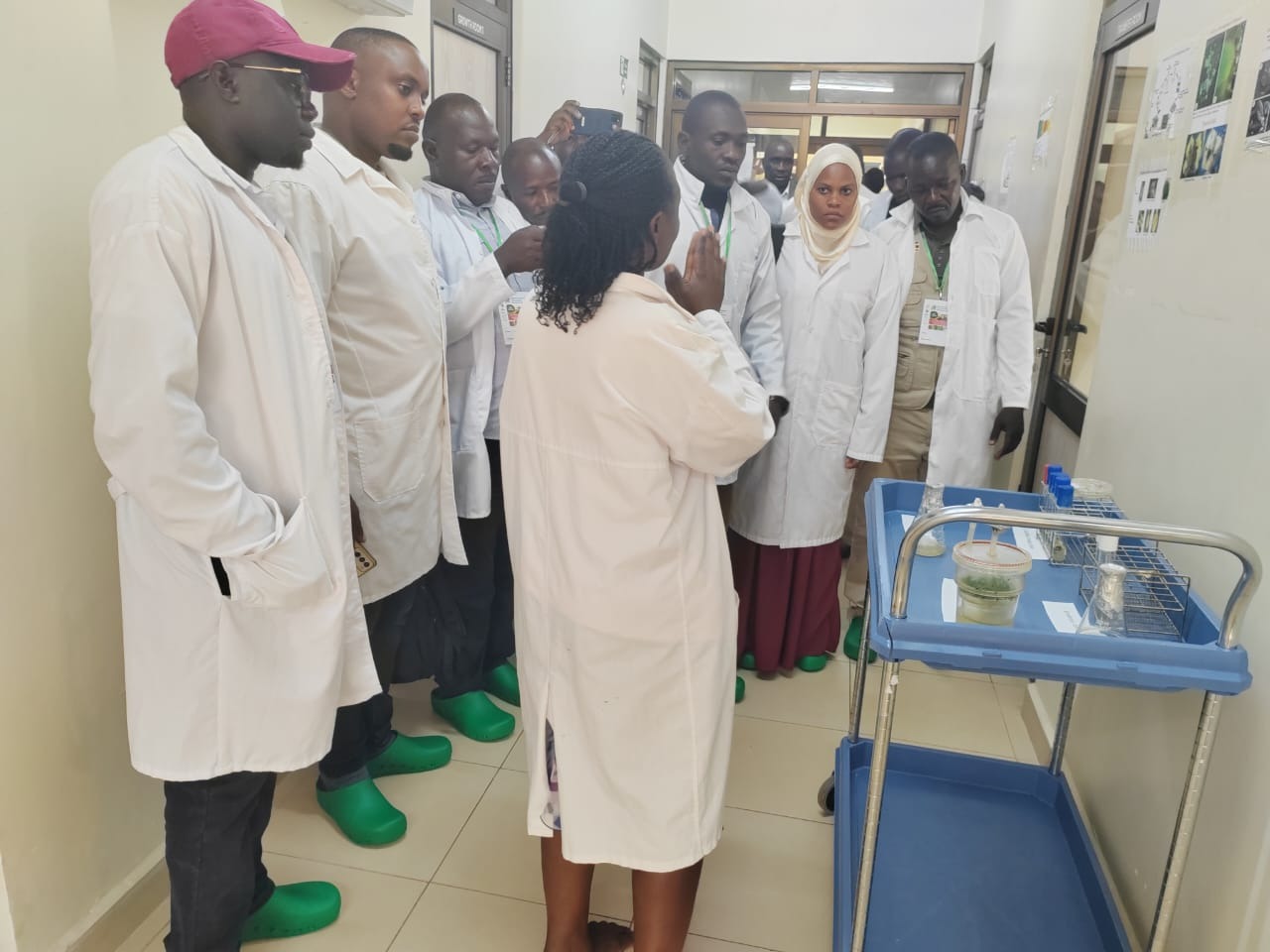
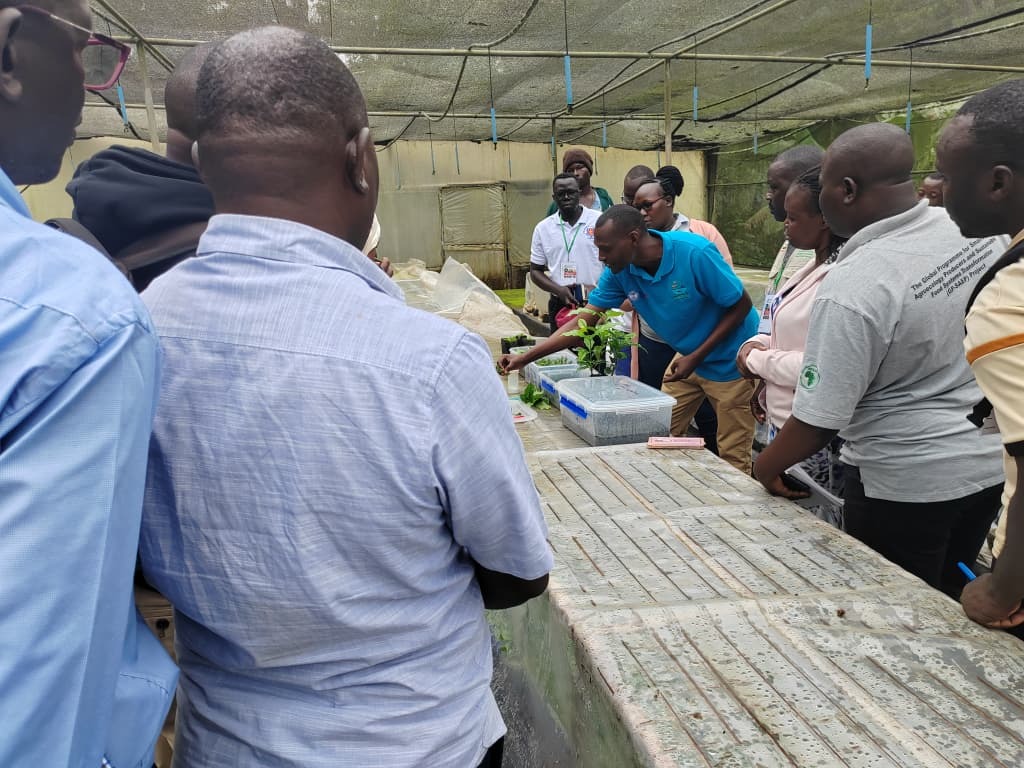
Day Five marked the official closure of the Uganda National Agricultural Extension Week 2026, bringing together key stakeholders to reflect on the deliberations, commitments, and way forward for strengthening agricultural extension and advisory services in Uganda.
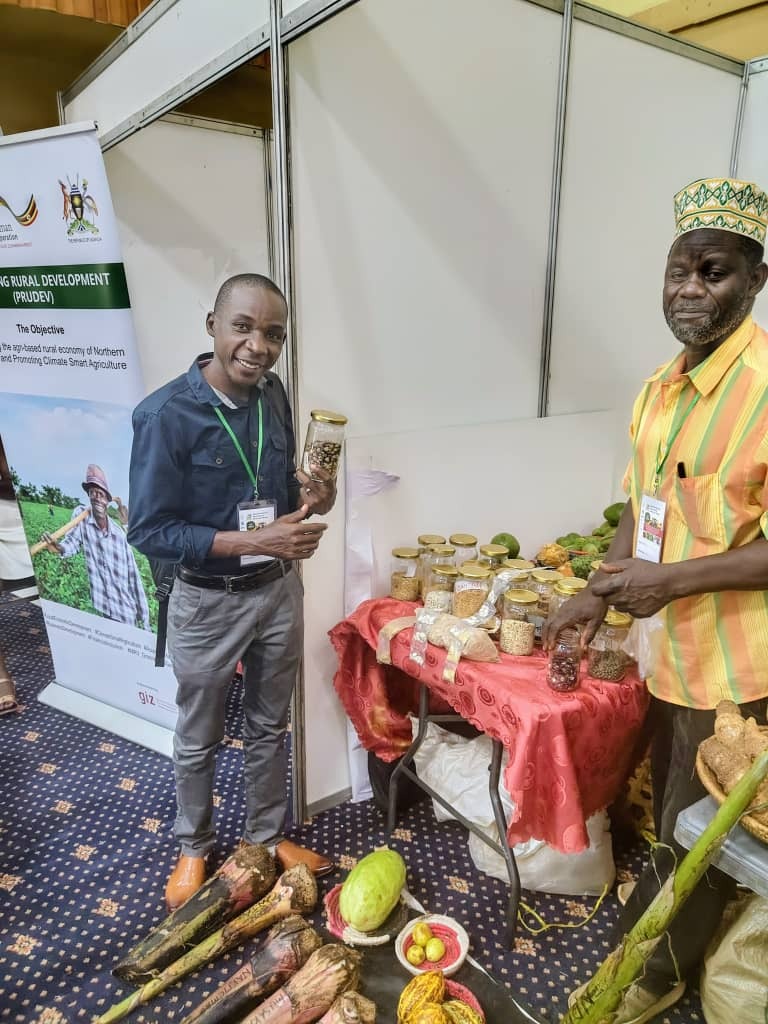
The closing session provided an opportunity to synthesize key insights from the previous days, with emphasis on the urgent need to transition from dialogue to action. Stakeholders reiterated the importance of building a more coordinated, inclusive, and professional Agriculture extension system that effectively responds to the needs of farmers and other value chain actors.
One of the key highlights from the closure was the recognition of the critical role of multi-stakeholder collaboration in transforming extension systems and with this key actors were awarded for their outstanding work. The event concluded with expressions of appreciation to organizers, partners, and participants, alongside a collective commitment to sustain the momentum generated and translate the lessons learned into practical actions at community, district, and national levels.
Participation in the Extension Week generated several critical insights:
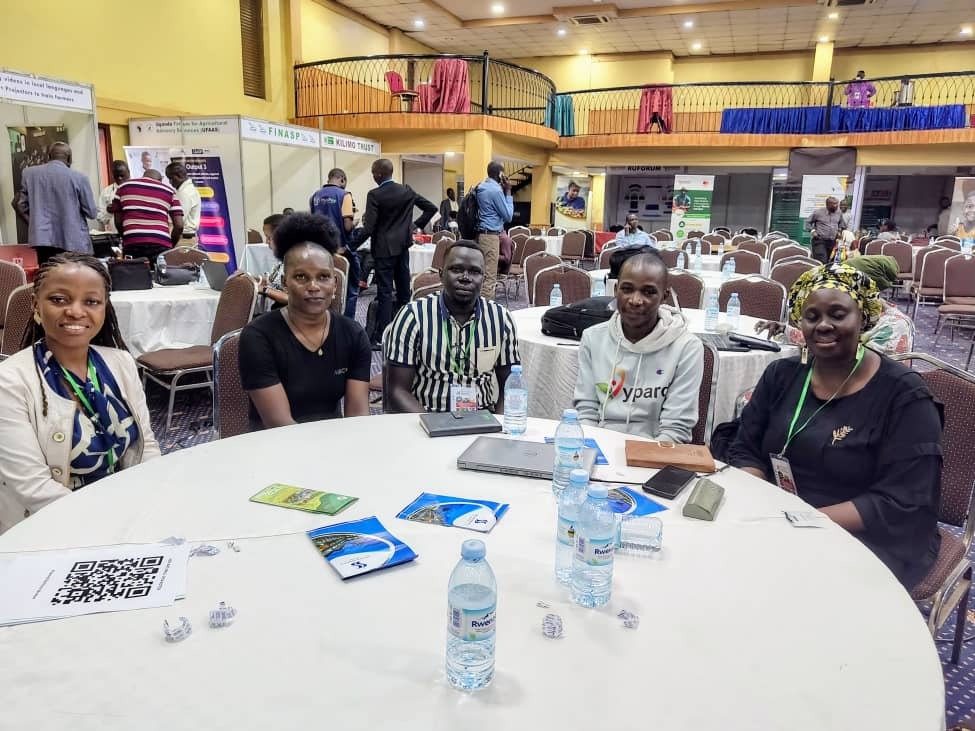
The Uganda National Agricultural Extension Week 2026 provided a timely and impactful platform for reflection, learning, and collaboration. For YPARD Uganda members and GP SAEP fellows, participation was both enriching and strategic, strengthening their capacity to contribute to a more responsive, inclusive, and innovative extension system.
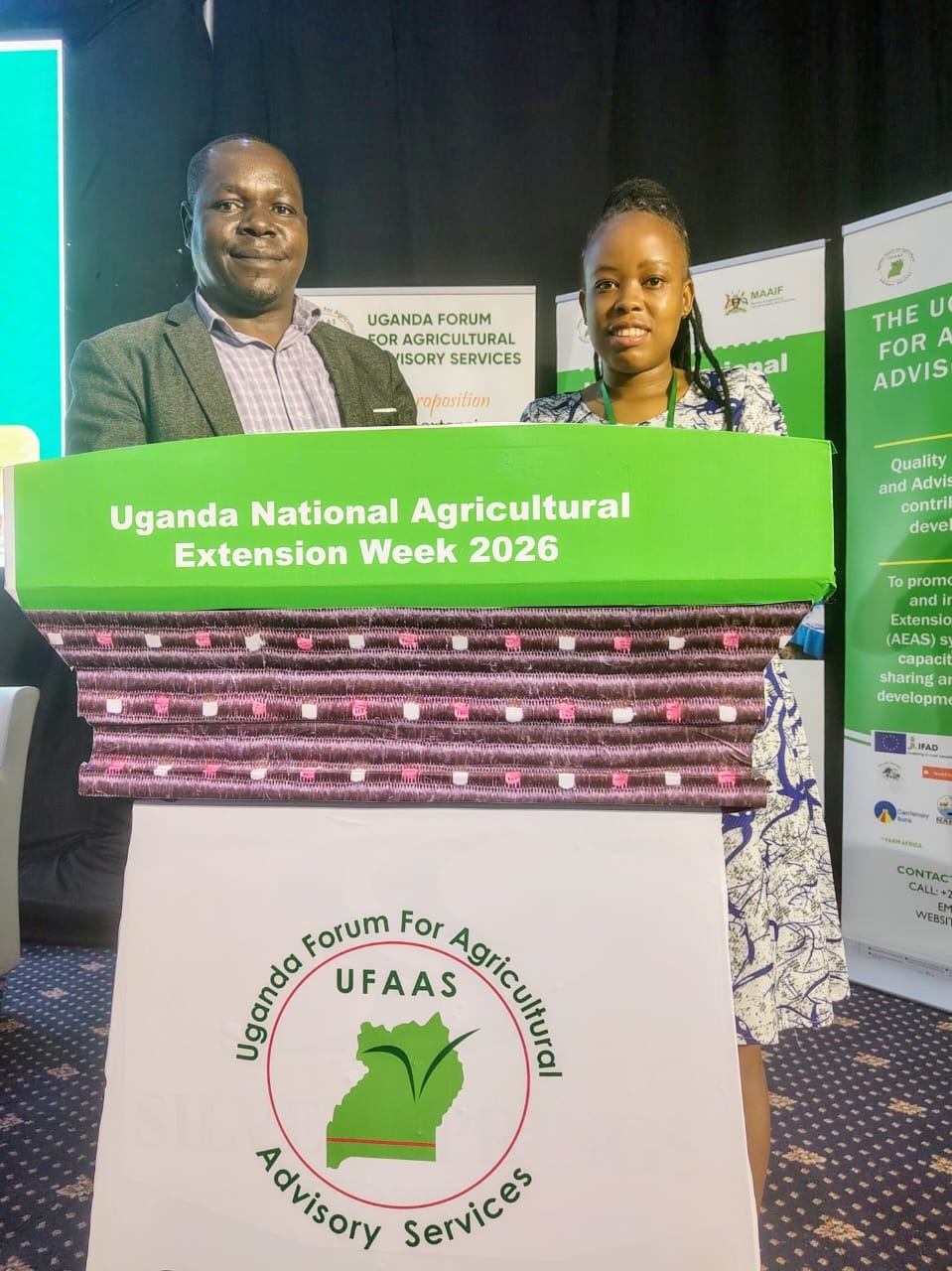
The momentum generated during the event presents a valuable opportunity for youth to take a more active role in shaping the future of agricultural extension and agrifood systems in Uganda.
Special thanks to YPARD GCU | UFAAS | AFAAS and all YPARD Uganda colleagues that actively participated in this event