


On Saturday, 21st March 2026, the Young Professionals for Agricultural Development (YPARD) Uganda Chapter convened its 5th WYNA National Café at Acacia City Hotel under the theme: “Exploring Effective Youth Engagement in Networks for Agroecological Transition: A Case of YPARD.” The café formed part of the broader WYNA Programme, which seeks to strengthen youth engagement and leadership in agroecology and sustainable food systems across Africa.
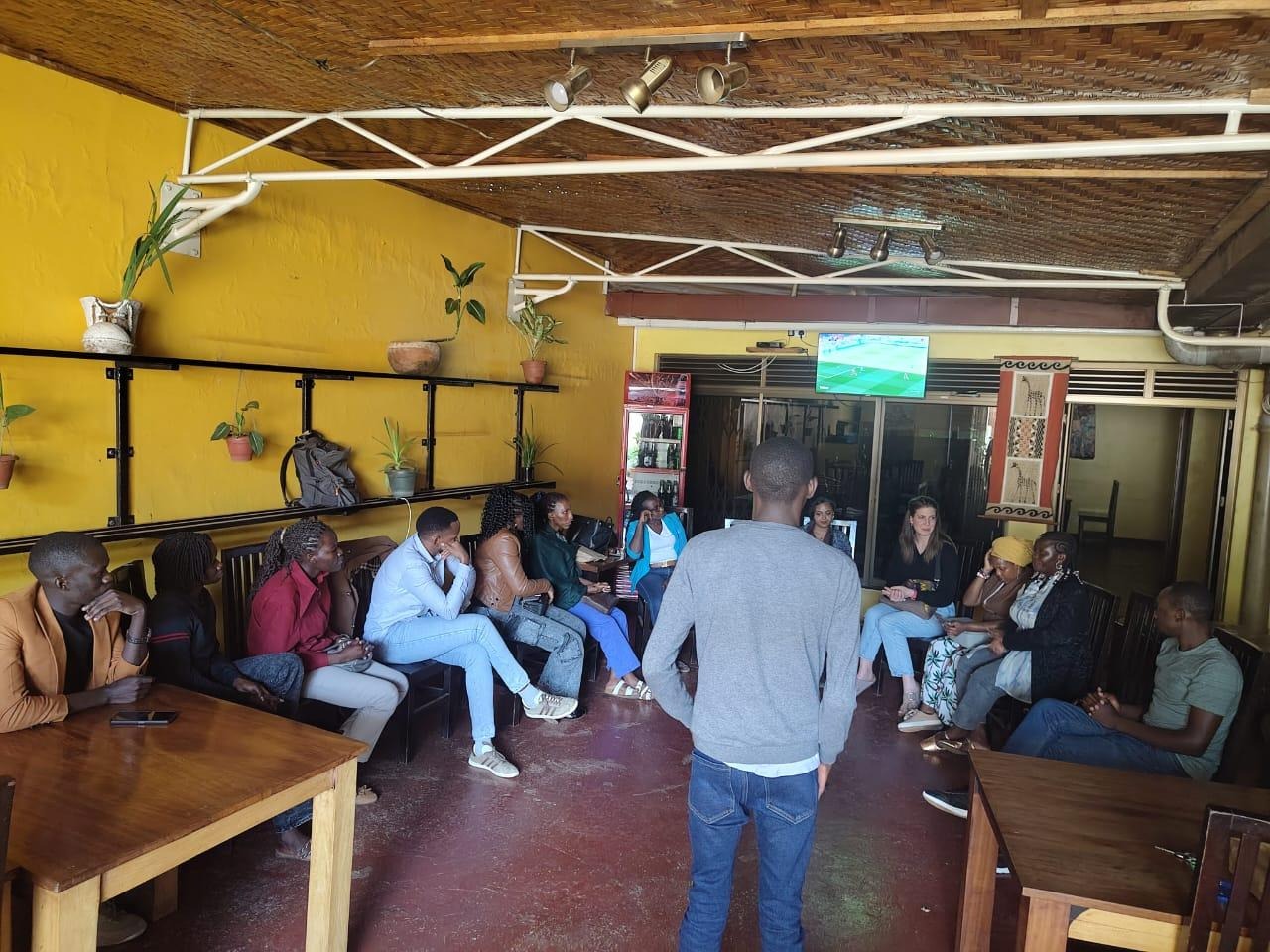
The event commenced with a networking luncheon that brought together over 15 participants, comprising 9 female and 6 male youth actively engaged in agrifood systems. This informal session provided a conducive environment for participants to interact, reconnect, and build new relationships ahead of the formal discussions. The official programme began with welcome remarks from Daniel Kisekka the YPARD Uganda Co-country Representative, who warmly received participants and expressed appreciation for their continued commitment to advancing agroecology. He also extended gratitude to the YPARD Global Coordination Unit (GCU) for its leadership, guidance, and sustained efforts in promoting meaningful youth engagement in agrifood systems globally. In line with the core objective of the WYNA cafés to foster peer learning, networking, and knowledge exchange participants introduced themselves, sharing their names, affiliations, reasons for joining YPARD, and their areas of interest within agrifood systems. This session highlighted the diversity of experiences and passions represented in the room, setting the stage for a rich and engaging dialogue.
The café then transitioned into an in-depth discussion on how youth engaged in agroecology can derive meaningful value from networks, as well as how networks themselves can better respond to the needs and aspirations of young people. Using YPARD as a case study, participants reflected on their personal experiences and shared perspectives on what constitutes effective and meaningful youth engagement. Several insightful contributions emerged during the discussion
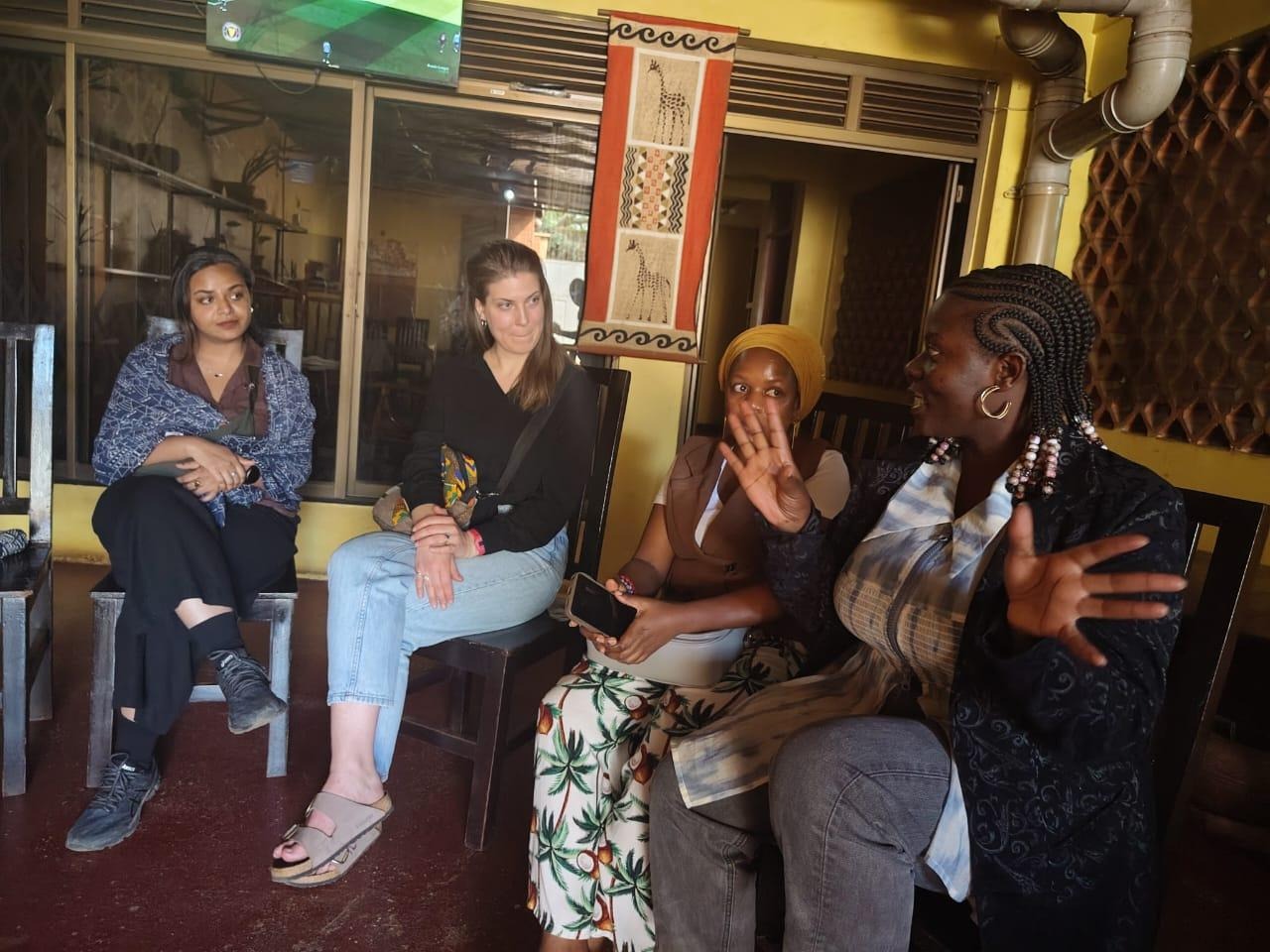
Mbabazi Joanita Komungaro noted: “From my research background, I believe youth networks need to invest more in agroecology research. Many of the challenges we face can be addressed through effective research, but there are still limitations in funding. Young people in agroecology are facing real challenges, and it is through research that we can find solutions, not only for agroecology but for the entire food system.”
Nalubega Ziada shared her experience, stating: “I would like to thank YPARD for the platform it has given me, including the opportunity to present at COP 31. That was one of the best moments of my life. Many of us are working in agroecology but lack platforms to showcase and publicize our initiatives. Through YPARD, I have gained visibility, and this has contributed to two major projects for my organization. For me, this is what meaningful youth engagement should look like.”
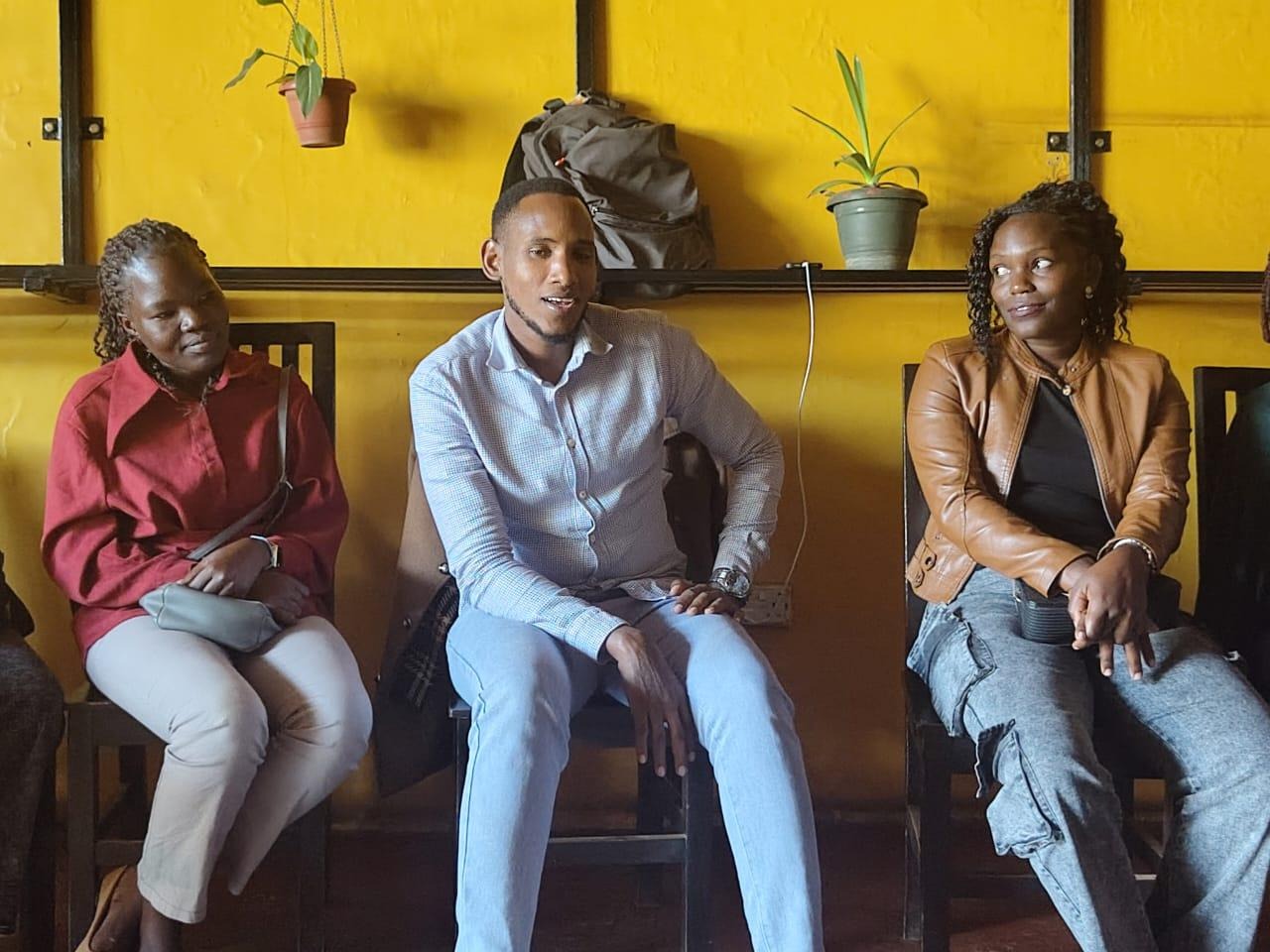
Frank Mufuruki emphasized the importance of clarity in networks: “Value proposition is very critical when belonging to networks. Youth networks need to clearly showcase why they exist, it goes beyond just having a website. For young people to feel a sense of belonging, they must understand the benefits. Unfortunately, many youth networks are not clear on this, and that is where the challenge lies.”
Ataro Mary Laura highlighted the need for peer learning and inclusivity: “I appreciate initiatives like YPARD and the WYNA Programme that support youth in agroecology through community solution projects. However, I would really value opportunities for peer-to-peer exchange with those already benefiting from such projects. These are people whose experiences I can easily relate to. I also appreciate initiatives like farm visits and field days, but I believe they should be scaled further into rural communities to create more impact.”
Additional issues raised during the discussions included the need to better showcase youth-led agroecology initiatives on network platforms, including websites and social media channels, as well as through partner organizations. Participants emphasized that increased visibility is key to unlocking opportunities, building credibility, and inspiring other young people to engage in agroecology.
In response, Genna Tesdall (Photo below) expressed her sincere appreciation for the candid and constructive feedback shared by participants. She acknowledged the importance of continuously improving youth engagement strategies and informed participants that YPARD has developed its 2026–2030 Strategy, which addresses many of the challenges highlighted. She further reaffirmed YPARD’s commitment to advocating for stronger, more inclusive youth networks and ensuring that young people derive real value from their participation.
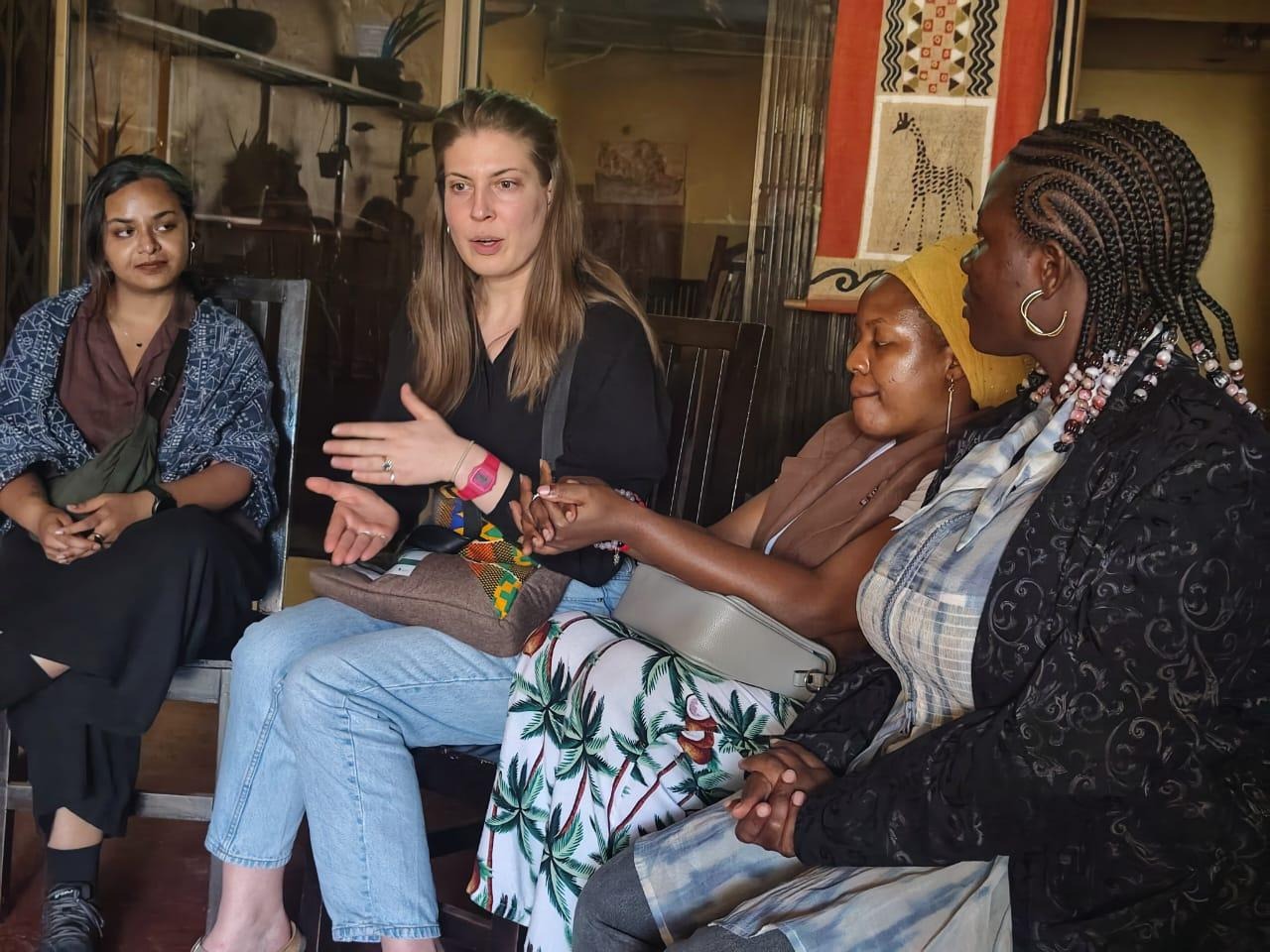
Building on the rich contributions shared during the discussion, Trisha Mandal, YPARD’s Communications and Partnerships Coordinator expressed her sincere appreciation for the valuable insights and perspectives provided by the participants. She reaffirmed YPARD’s strong commitment, as a youth network, to continuously amplify the voices and work of its members, particularly those actively engaged in agroecology. She highlighted that YPARD will continue to feature youth-led initiatives across its website and social media platforms and, where possible, further elevate these stories through partner channels, including newsletters and collaborative communication platforms.
At the same time, she encouraged young people to proactively take advantage of these opportunities by sharing their experiences, innovations, and impact stories, emphasizing that increased visibility not only strengthens individual initiatives but also contributes to a more vibrant and connected agroecology community.
During the closing session, Ajuna Tadeo, together with other YPARD Uganda members, extended heartfelt appreciation to the Global Director, Genna Tesdall, and the communications and partnerships Coordinator for their unwavering support to the Uganda Chapter. This support includes providing platforms for visibility, technical and financial assistance, and facilitating connections with strategic partners and opportunities for youth. In keeping with Ugandan cultural traditions of hospitality and appreciation, the visiting team was presented with symbolic gifts as a gesture of gratitude and a warm invitation to return.
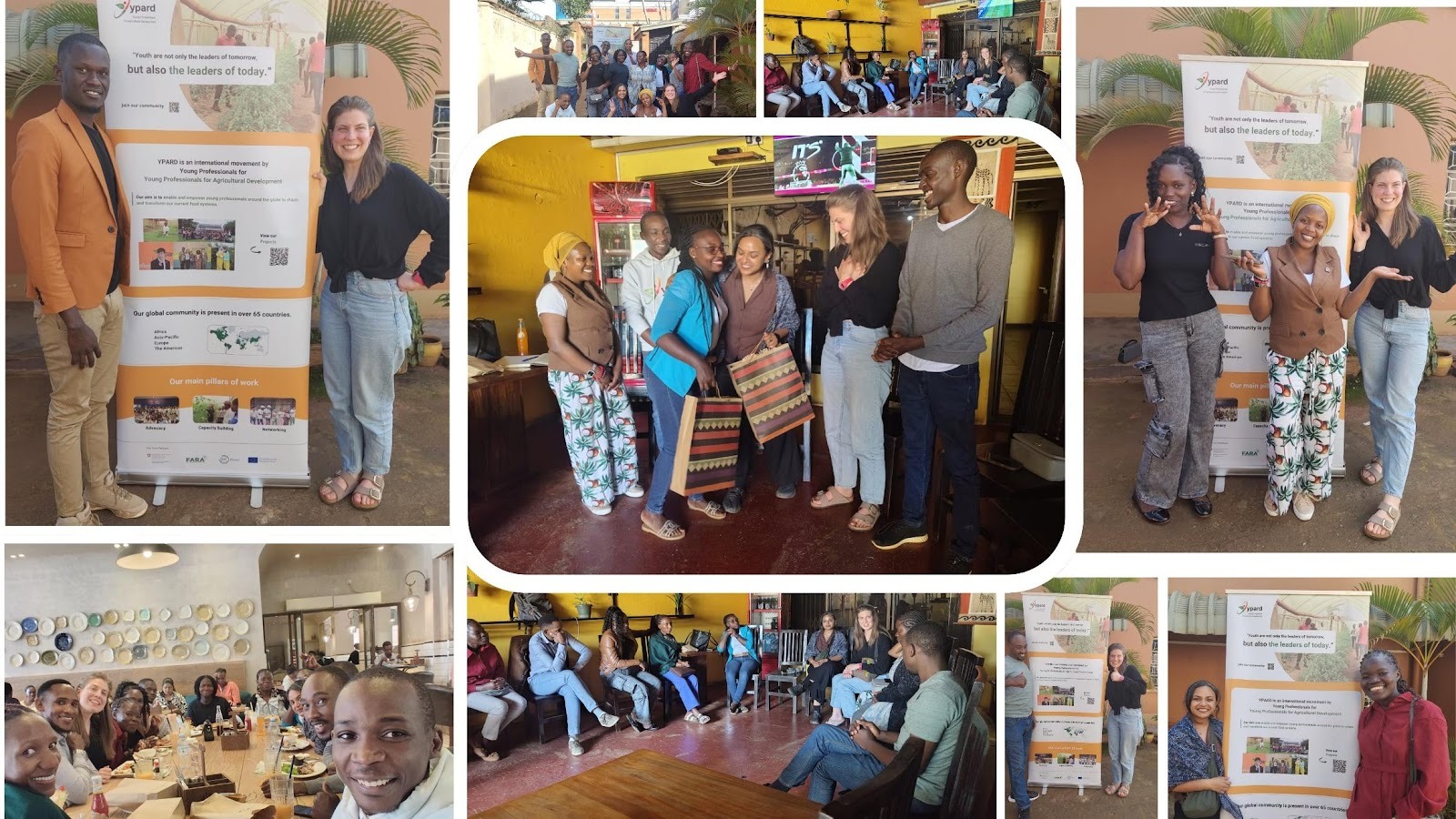
The event concluded with a group photo session, followed by informal networking as participants continued their conversations and strengthened connections. The café successfully created a vibrant space for dialogue, reflection, and collaboration, reinforcing the critical role of youth networks in advancing agroecological transition.
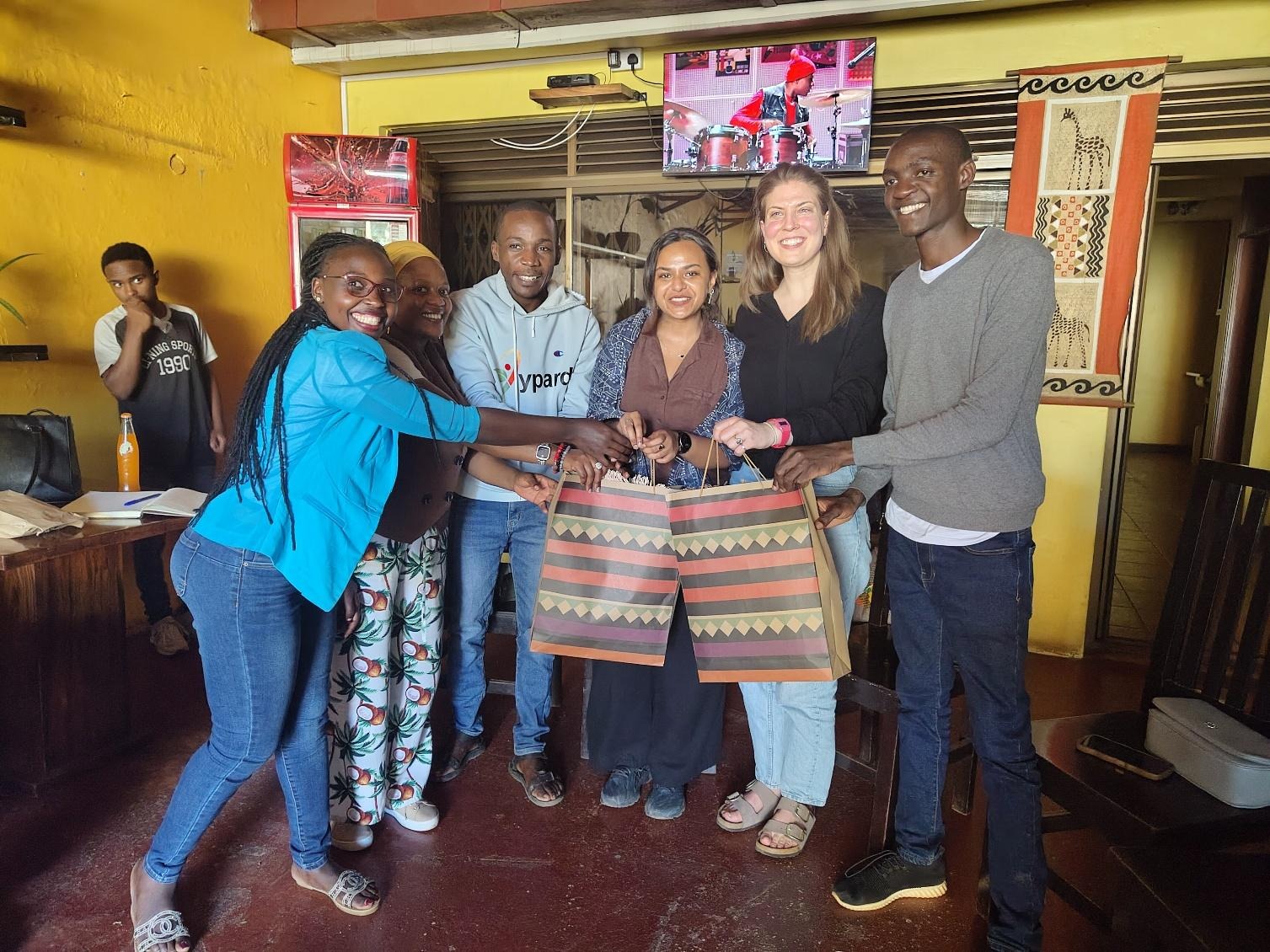
Special thanks to: YPARD Uganda members, YPARD GCU and the WYNA Programme
Other Photos from the event:

.jpg)