
.jpg)

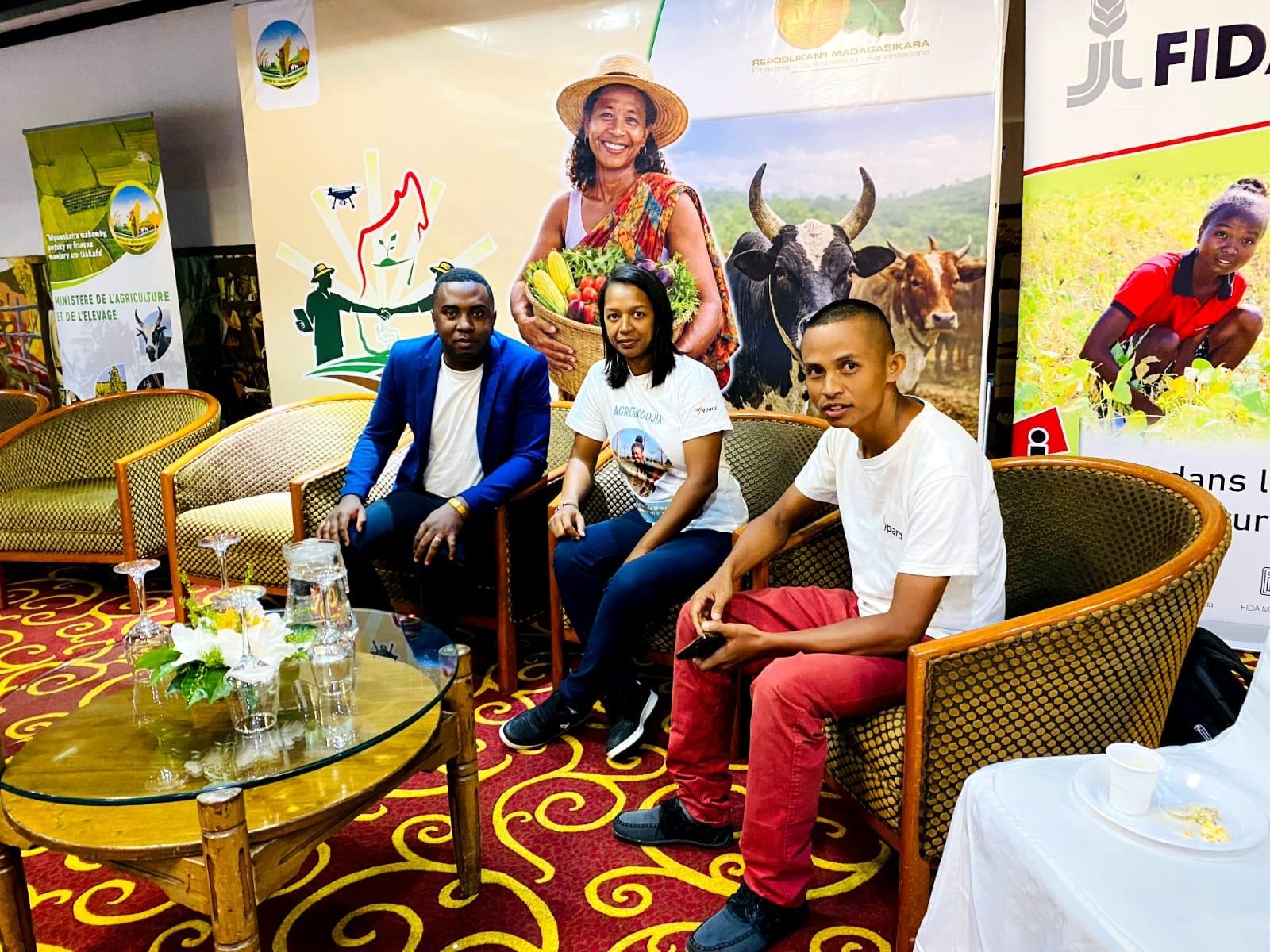
From 17–20 February 2026, YPARD Madagascar youth fellows Laricha AMBININTSOA (from Morondava), Mariano TONGAMISY (from Mahabo), and Fallet NOMENJANAHARY (from Miandrivazo) under the GPSAEP project proudly participated in the National Extension Week held at the Carlton Anosy in Antananarivo. Organized under the theme “An effective and sustainable extension for prosperous producers.,” .
The event convened a broad spectrum of stakeholders ranging from government institutions, farmers’ organizations, research bodies, technical and financial partners, and private sector actors with an aim of strengthening collaboration and enhancing the quality of agricultural advisory services across the country.
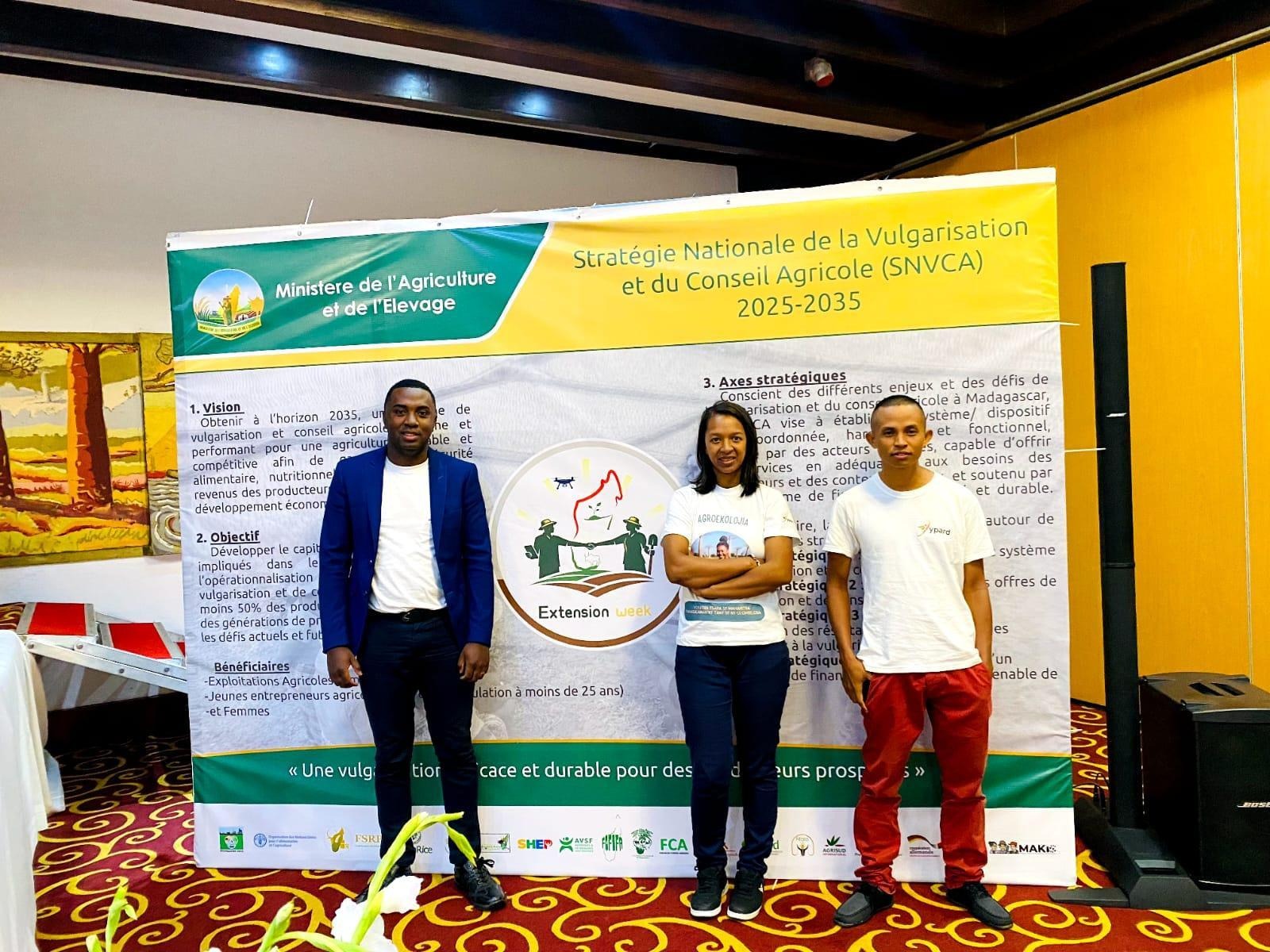
The National Extension Week served as a strategic platform for the fellows and other participants to foster dialogue and collaboration among stakeholders, align public and private sector initiatives, highlight the National Strategy for Agricultural Extension and Advisory Services (SNVCA) 2025–2035, promote locally adapted innovations, and reflect on sustainable financing mechanisms, particularly in response to climate change
The event also featured exhibitions, roundtables, technical presentations, demonstrations, videos, and posters, ensuring dynamic knowledge exchange and broad participation.
The official opening ceremony marked the launch of the National Strategy for Agricultural Extension and Advisory Services (SNVCA) 2025–2035 by the Ministry of Agriculture and Livestock.
Key addresses were delivered by representatives from institutions including CGIAR, AFAAS, IFAD, and FAO, underscoring the importance of coordinated action in transforming agricultural extension services in Madagascar.
The fellows had an opportunity to attend two high-level panels that included:
Panel 1: Placing farmers at the heart of agricultural innovation: Discussions in this panel emphasized the need to recognize farmers as co-creators of knowledge, promote participatory research, and disseminate innovations through accessible formats such as radio programs and videos.
Panel 2: Technologies and innovative tools for extension: Innovative approaches were showcased, including digital platforms, archiving of research outputs, and creative educational formats such as agricultural reality shows that combine entertainment and learning.
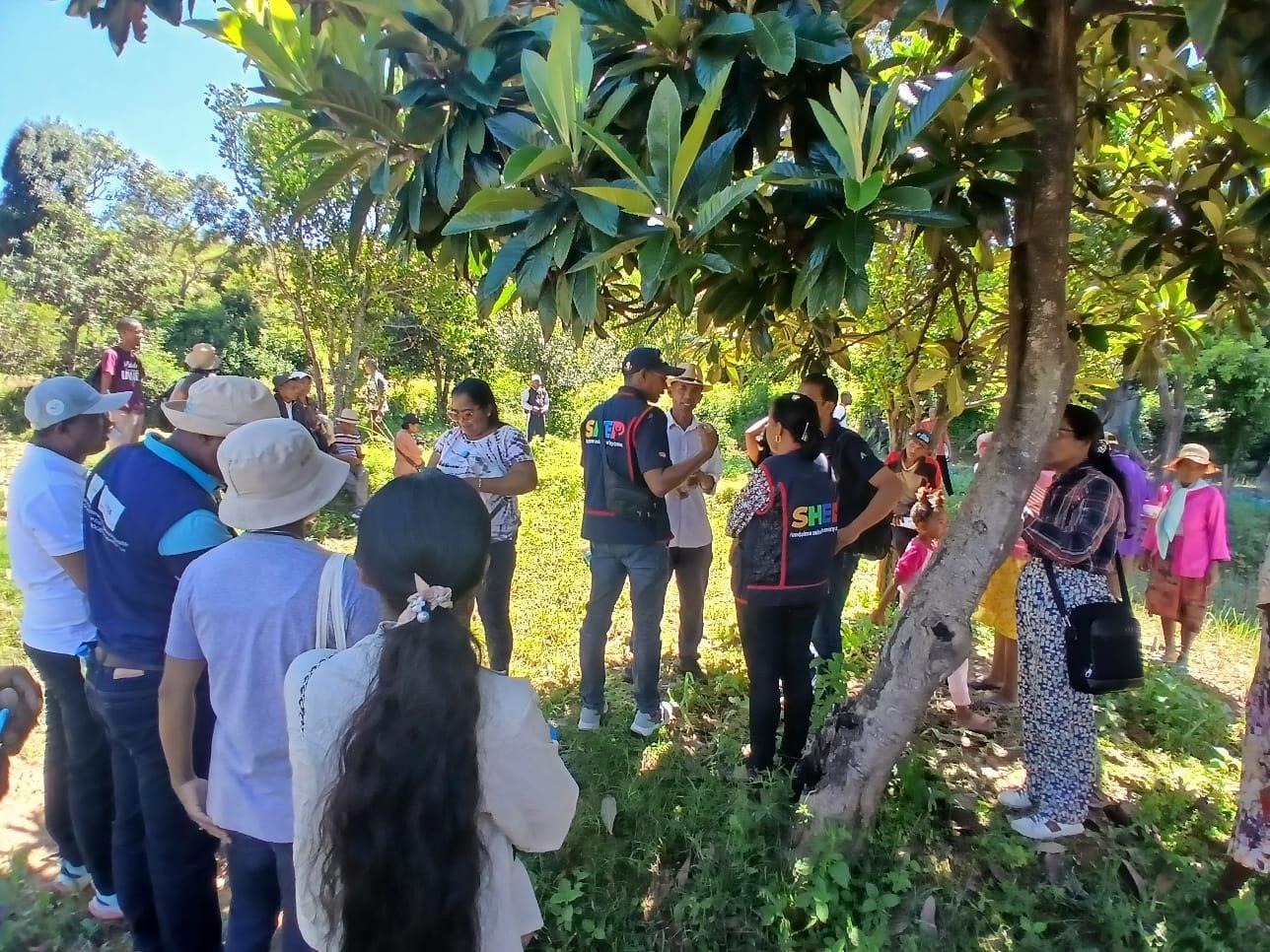
One of the highlights of the week was a field visit to the farmers’ organization Tanjona, where participants observed the implementation of the Japan International Cooperation Agency (JICA)-supported Smallholder Horticulture Empowerment & Promotion (SHEP) approach.
The SHEP model encourages farmers to adopt a market-oriented mindset—prioritizing market analysis and sales planning before production. This shift in perspective fosters entrepreneurship, resilience, and improved incomes among smallholder farmers. The visit provided practical insights into how extension services can effectively bridge the gap between innovation and farmers’ realities.
Although attending the extension week primarily as participants and learners, YPARD fellows leveraged the platform to showcase their achievements and work under the GP SAEP program in the Menabe region, implemented in partnership with FCA (Agricultural Forum Advisory).
At its booth, YPARD fellows presented about how the fellows and youth are thriving through the programme innovations such as Youth Community of Practice (YCOP), YPARD Café as a youth dialogue and networking platform, as well as their peer-to-peer learning through community-based Youth-led initiatives promoting sustainable agriculture
The Fellows shared their personal experiences from the event:
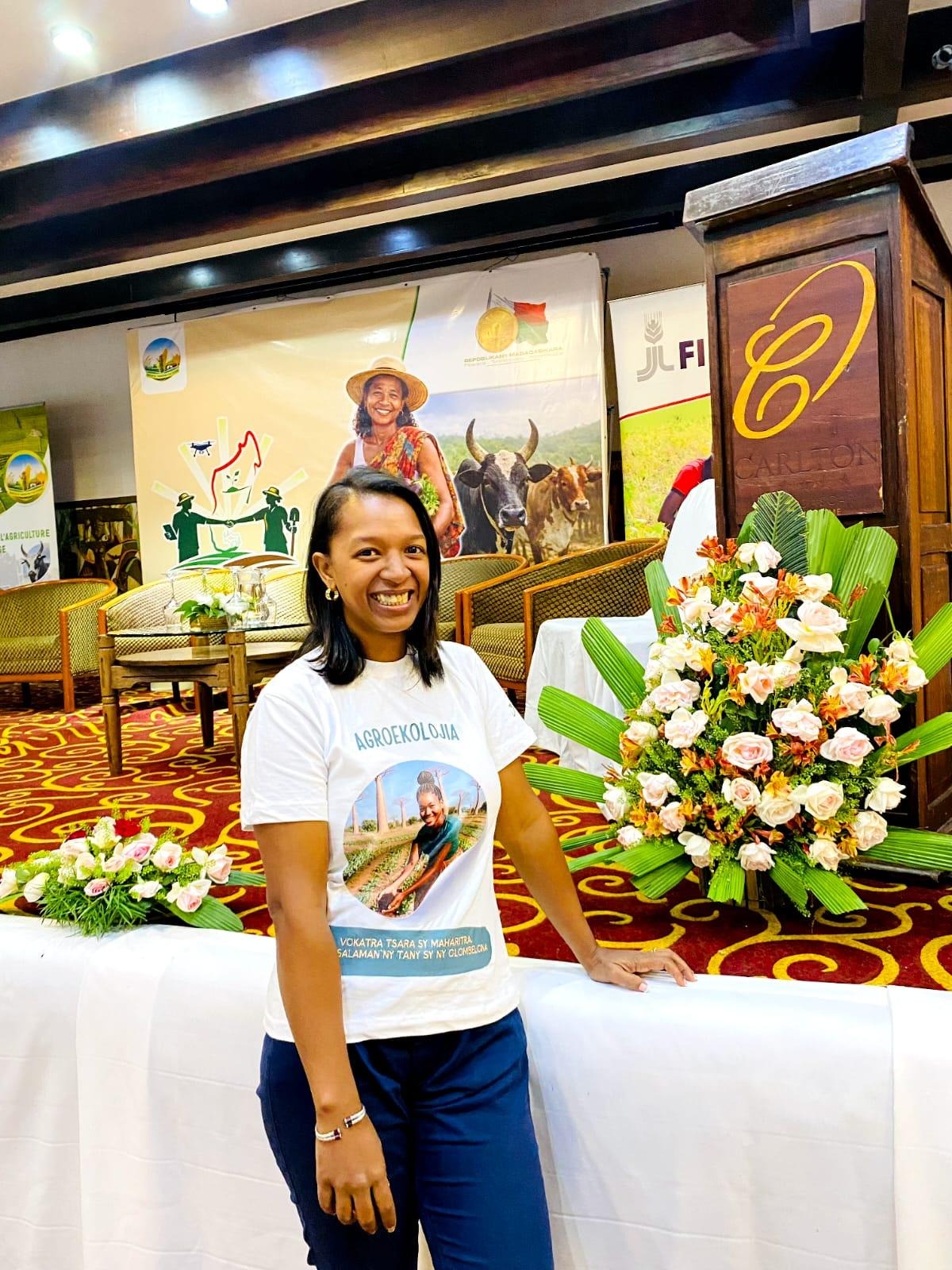
“Being part of the National Extension Week broadened my perspective through new encounters with agricultural stakeholders and the discovery of existing innovations. It also offered strategic insights on how to adapt innovations to farmers’ realities, especially empowering youth through technology.”
— Laricha AMBININTSOA
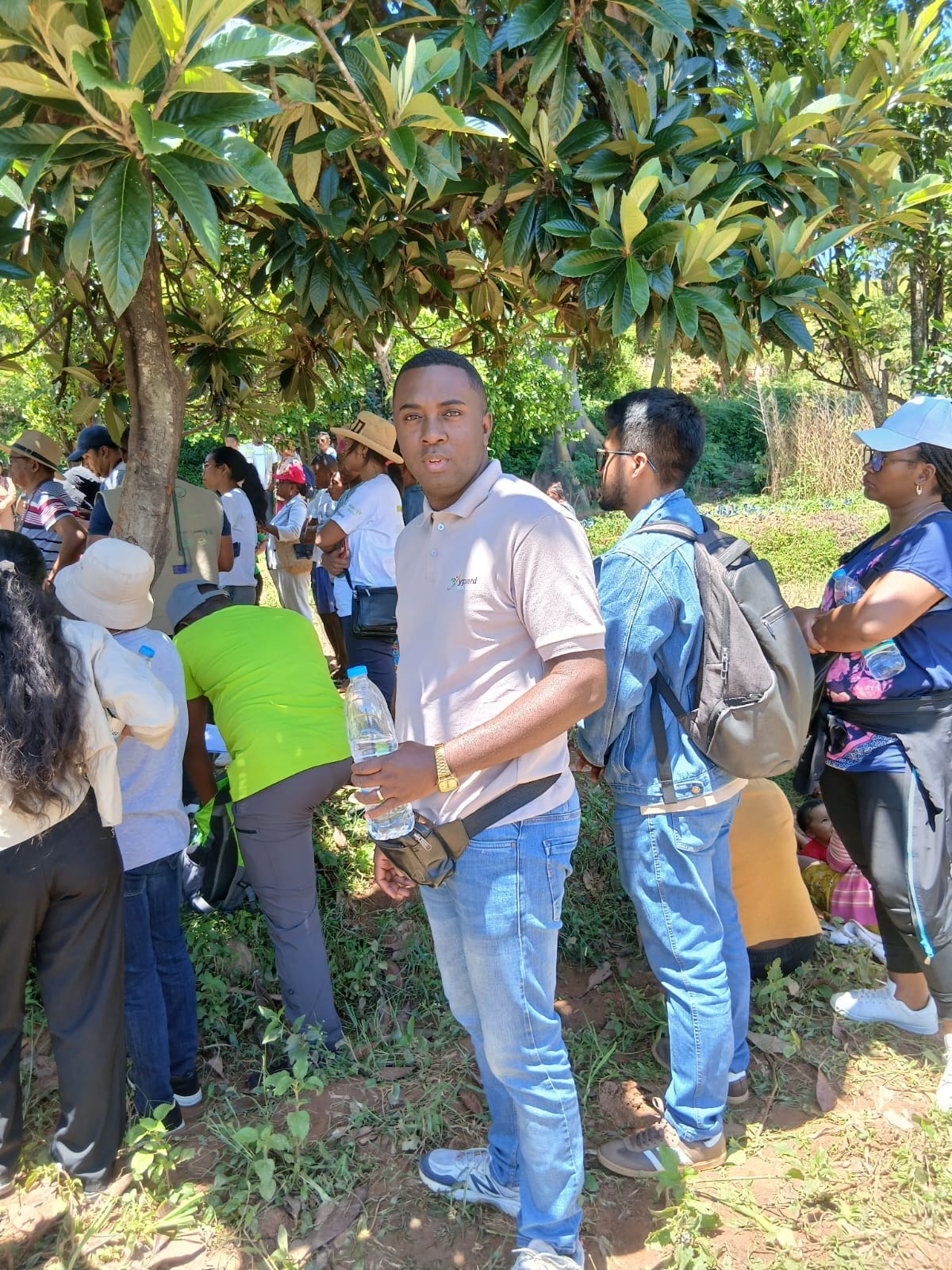
“Participating in the National Extension Week allowed YPARD to connect with key stakeholders and showcase youth-led initiatives in agriculture. It was a valuable opportunity to highlight how young professionals contribute to innovation and advisory services.”
— Mariano TONGAMISY

“Through this event, YPARD aligned its work with the National Strategy for Agricultural Extension and Advisory Services, reinforcing its commitment to national priorities. We gained insights into new approaches and tools that can strengthen our programs for young professionals.”
— Fallet NOMENJANAHARY
Key lessons from the extension Week: Several important lessons emerged from the discussions, exchanges and fellows’ participation in the event. i.e.

Participation in the National Extension Week was significant for YPARD and the fellows in several ways:
1. Visibility and Networking: The event provided valuable exposure among key stakeholders in agricultural extension, strengthening YPARD’s position as a youth-led platform and opening opportunities for collaboration.
2. Learning and Knowledge Exchange: YPARD Fellows gained firsthand insights into modern extension approaches, innovative financing mechanisms, digitalization tools, and best practices that can inform future programming.
3. Alignment with National Priorities: By engaging in discussions around the SNVCA, YPARD demonstrated its commitment to supporting national agricultural development strategies and contributing meaningfully to their implementation.
4. Promoting Youth Engagement: The emphasis on farmer-centered innovation resonated strongly with YPARD’s mission of empowering young professionals to co-create practical, affordable, and context-specific solutions with farming communities.
The transformation of Madagascar’s agricultural landscape depends on closing the gap between research, advisory services, and farmers’ real needs. The 2026 National Extension Week provided YPARD Fellows with a clearer understanding of how researchers, advisors, and producers can work in synergy.
The practical lessons gained—particularly on the SHEP approach and the role of Paysans Relais (relay or model farmers)—will directly inform YPARD’s future engagement under the GPSAEP project.
Equipped with new knowledge, networks, and inspiration, YPARD Madagascar remains committed to mobilizing and empowering the next generation of young Malagasy farmers—driving forward a professionalized, sustainable, and prosperous agricultural sector that contributes to national food sovereignty.

.jpg)