
The event brought together a diverse group of stakeholders including farmers, students, young professionals, agripreneurs, researchers, development partners, and community members to exchange knowledge, showcase innovations, and strengthen collaboration toward sustainable agrifood systems.
Held under the theme “Growing the Future: Soil Health for Sustainable Food Systems, Agroecology & AI/Data-Driven Innovation for Youth and Community Empowerment,” the festival was designed to promote youth engagement in agriculture, encourage knowledge exchange, advance agroecological practices, and foster partnerships that support resilient and sustainable food systems.
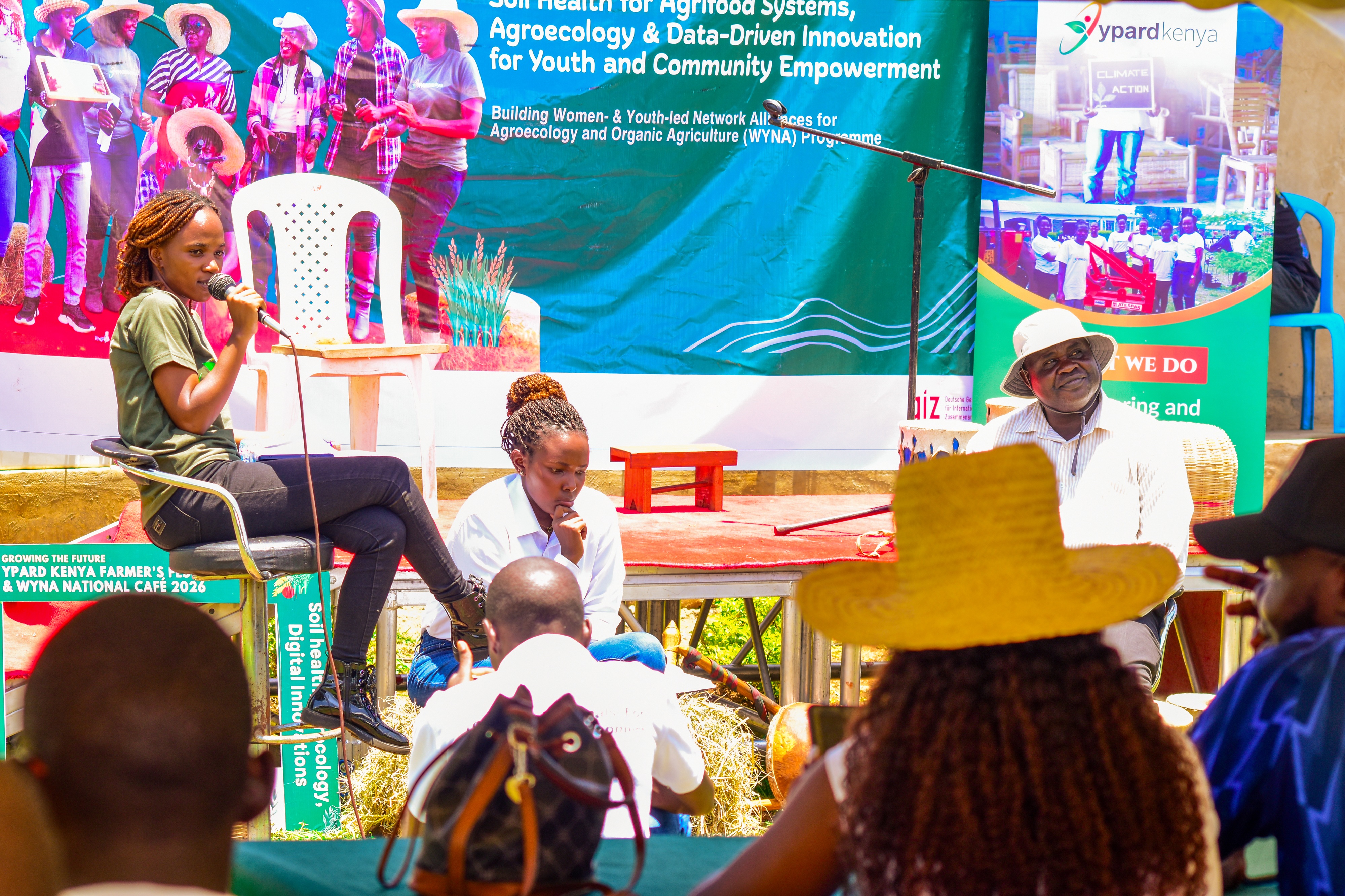
The festival attracted over 300 participants, reflecting a strong and growing interest in agriculture and sustainability, particularly among young people. Students formed a significant portion of attendees, with 60 students from Sinyolo Girls National School, 50 from Kochogo Senior School, 50 from Katolo Senior School, and 48 from Dr. Aloo Gumbi Senior School taking part. In addition, 50 invited guests, including university students, joined members of the local farming community.
The active involvement of both secondary school students and farmers highlighted an encouraging trend: young people are increasingly recognizing agriculture as a viable and meaningful field, especially within the context of sustainable food systems.
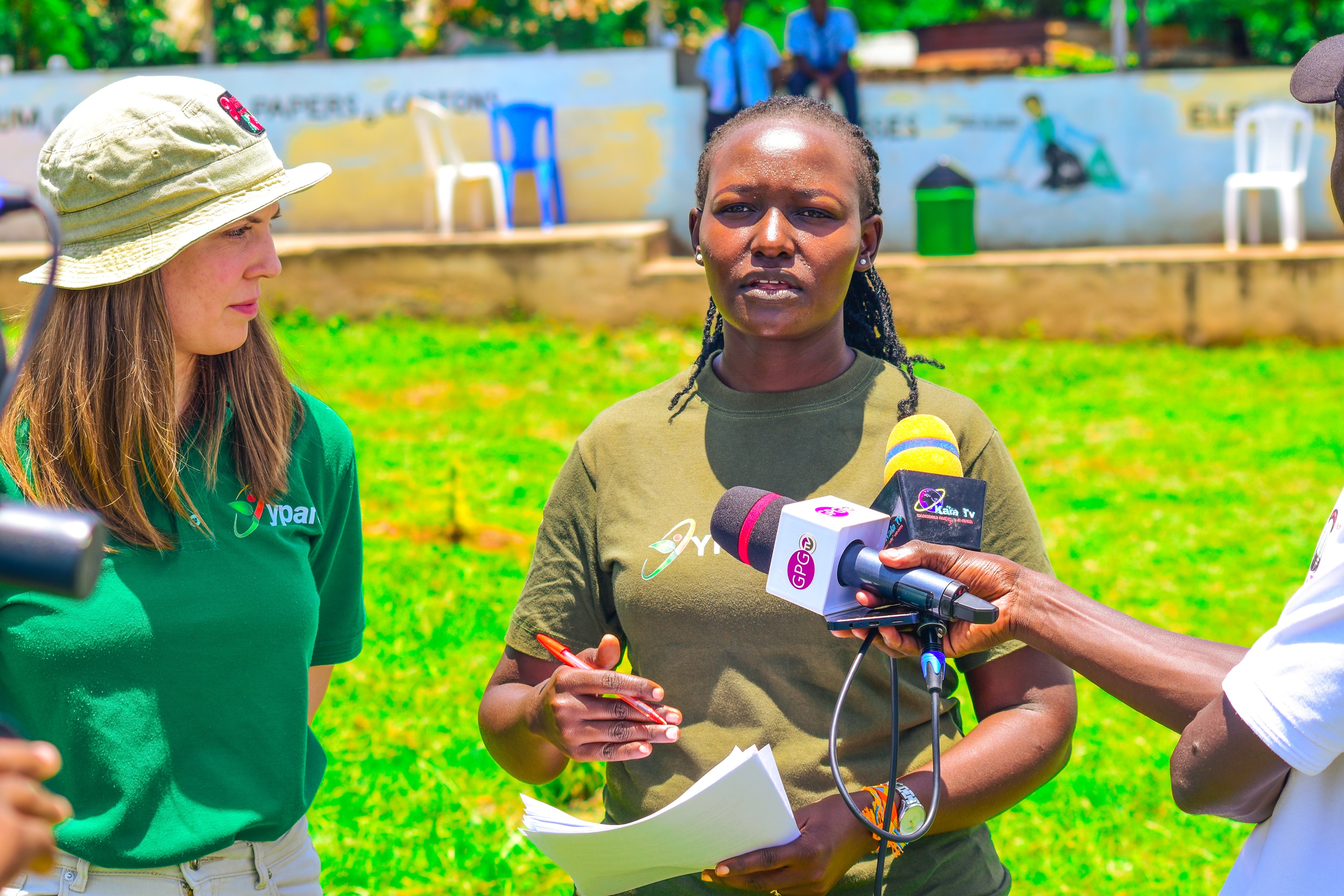
The festival received strong media attention, significantly amplifying its reach and impact beyond those physically present. Both KALA TV and DALA TV provided live streaming coverage of the event, enabling a wider audience to follow the proceedings in real time. In the lead-up to the festival, a radio talk show aired on Radio Wach Maber 88.3 FM, where organizers and stakeholders discussed agroecology, youth engagement in agriculture, and sustainable farming practices while also promoting the event.
This coordinated media engagement played a key role in broadening public awareness and deepening conversations around youth participation and sustainability in agriculture.
The festival programme unfolded smoothly and featured a well-balanced mix of activities designed to foster engagement, learning, and collaboration. The day began with some time for participants to network informally. Participants were then taken on a guided tour of the Miya Ywech facility, offering firsthand insight into the local context.
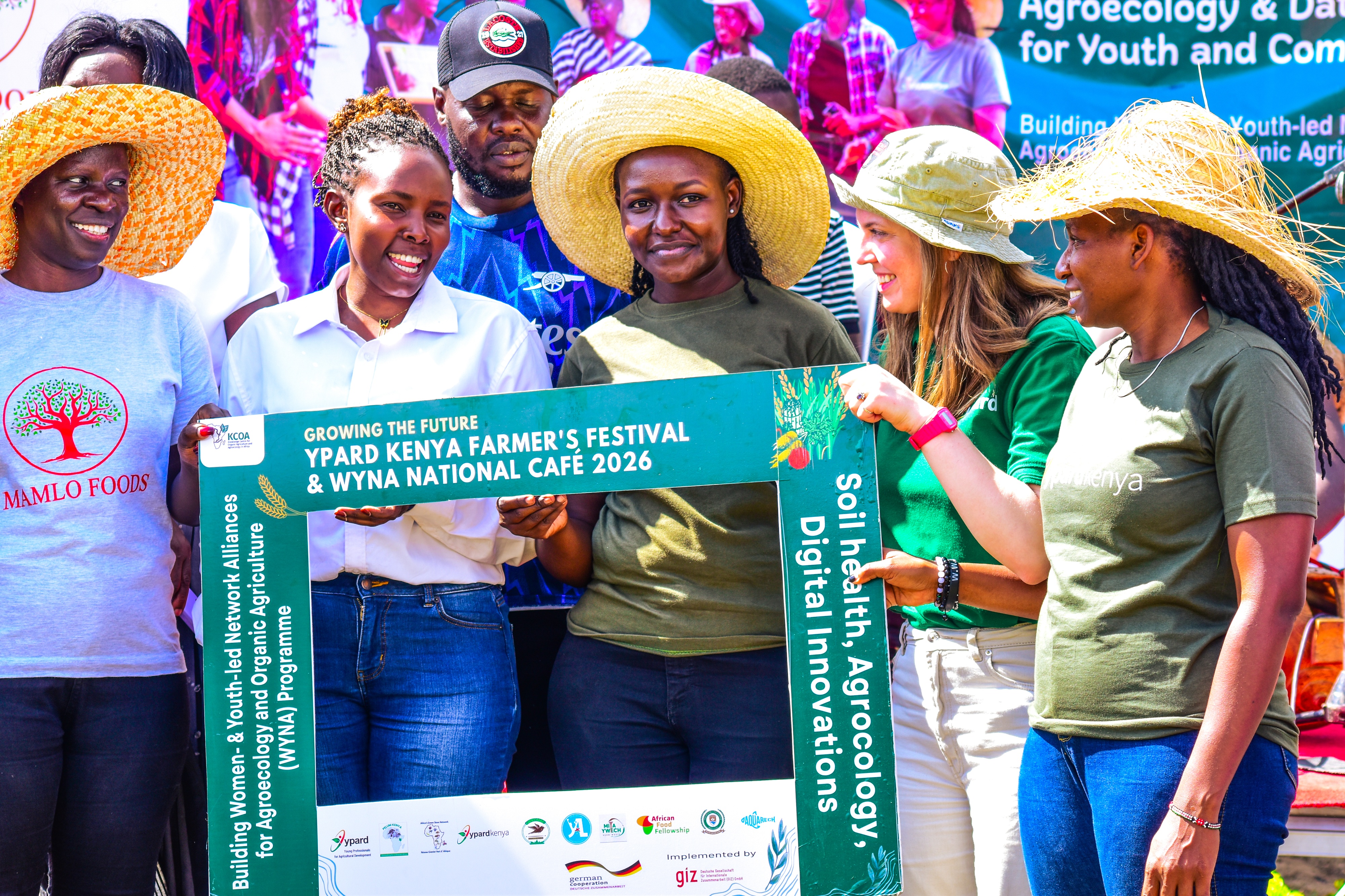
The official opening ceremony set the tone for the day, leading into a series of interactive sessions, including a panel discussion focused on youth and women in sustainable agrifood systems. Breakout sessions allowed for more targeted discussions on key thematic areas, while exhibition tours and refreshment breaks created additional opportunities for interaction. The programme also included plenary and thematic presentations, and concluded with further networking and entertainment sessions that brought participants together in a more relaxed setting.
One of the central highlights of the festival was the panel discussion titled “Why Youth and Women for Sustainable Agrifood Systems?” The session brought together experts from diverse fields, including Janet Cheruiyot, a Young SMART Farmer specializing in precision farming and drone technology; Ezekiel Ouko, a soil health consultant; and Harriet Amondi, a WYNA Fellow.
The discussion explored critical issues such as the importance of soil health, the role of agroecological practices, the potential of AI and digital innovation, and the need for strong youth leadership in agriculture. The panel emphasized that sustainable agrifood systems cannot be achieved without actively involving young people and women as key drivers of change.
Following the panel, participants engaged in breakout sessions organized around three thematic areas: soil health solutions, agroecological practices, and AI and data innovation opportunities. These smaller group discussions provided space for deeper engagement, allowing participants to exchange ideas, share experiences, and collaboratively explore practical approaches to strengthening sustainable agricultural systems.
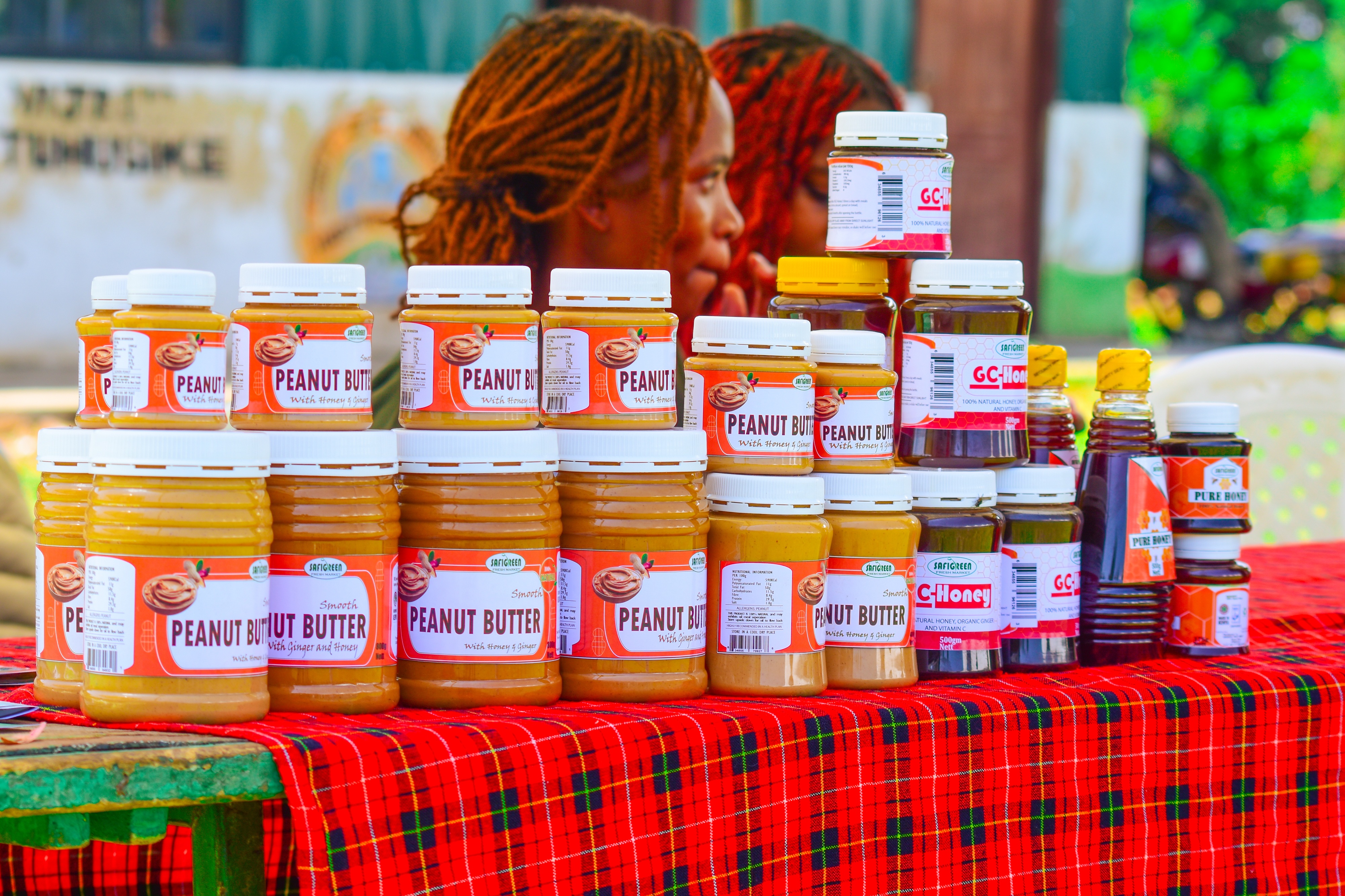
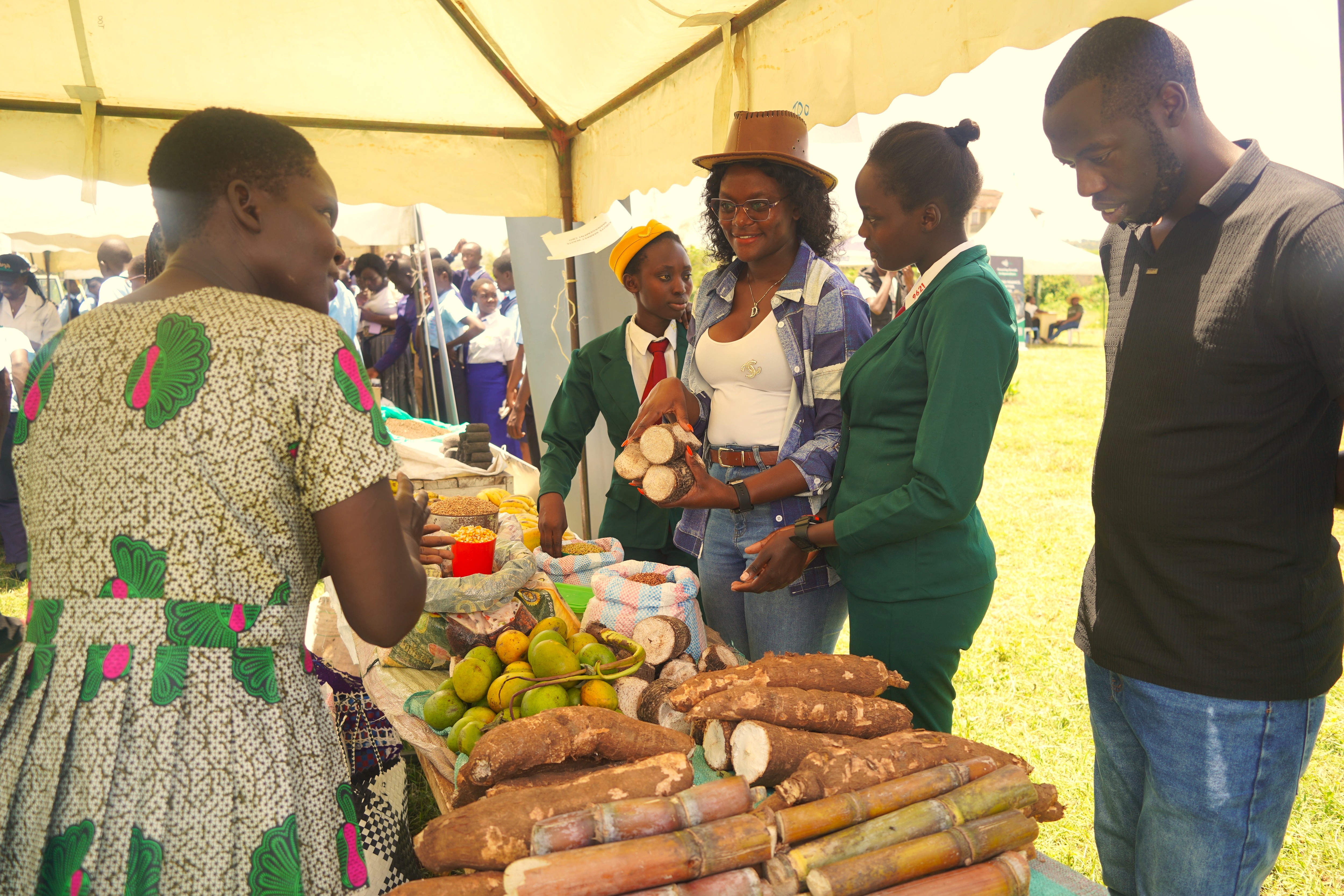
The exhibition segment created a vibrant and interactive learning environment where organizations and innovators showcased a wide range of agricultural technologies, services, and products. Participants had the opportunity to engage directly with exhibitors such as AquaRech Ltd, CIFOR-World Agroforestry (ICRAF), MAMLO Foods, Kabaka Farm, Rebirth Solutions Ltd, Muhoroni-Koru Farmers, Impact Smart CBO, United Destiny Shapers CBO, Smart Farm Agriculture, SafiGreen Fresh Market, and SHICODE Organic Enterprises.
Through these interactions, attendees were able to explore innovative solutions, gain practical insights, and better understand emerging trends shaping the future of agriculture. The exhibition space served not only as a marketplace of ideas but also as a platform for building connections between innovators and potential users.
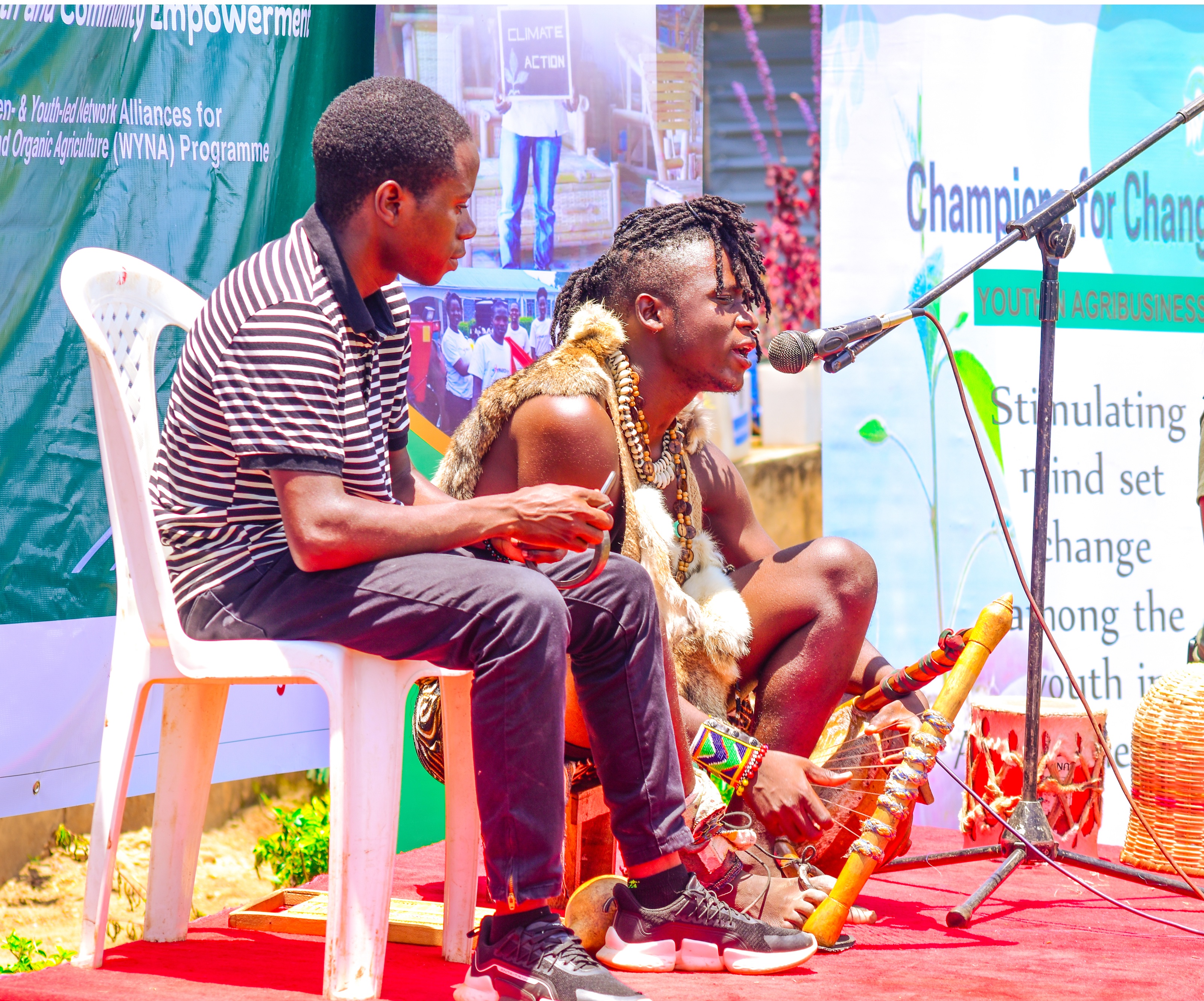
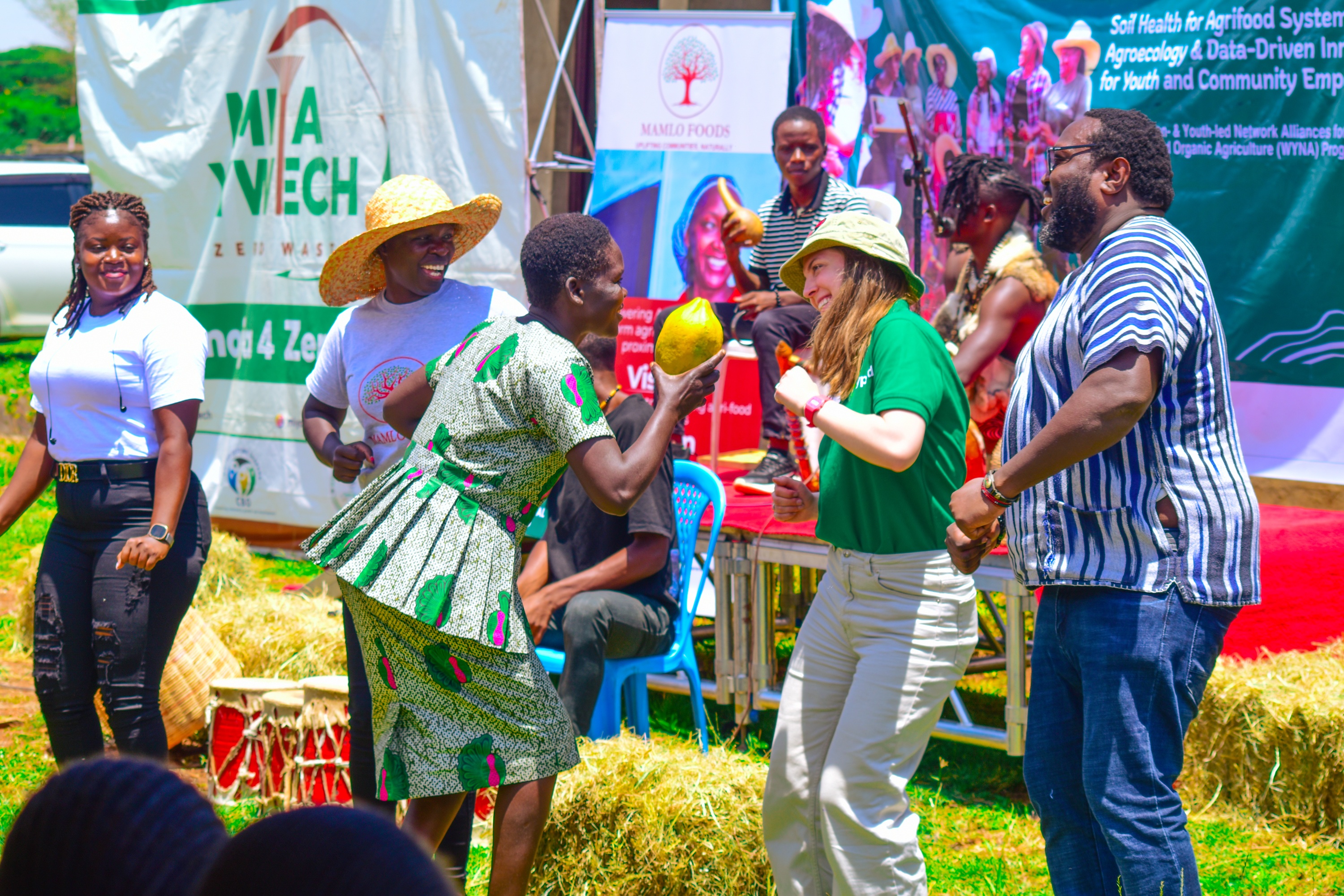
In addition to its technical and knowledge-sharing sessions, the festival highlighted community engagement through cultural activities involving all participants in attendance. These cultural and entertainment activities added energy and depth to the overall experience, enriching the festival experience and celebrating local heritage.
These activities spotlighted local artists and students from several schools in the area.
Performances by the Sinyolo Girls National School Rhumba Team and the Kochogo Senior School Traditional Dance Group brought vibrancy to the event, while a Nyatiti traditional performance by Otos Jalambwe (Victor Riziki) highlighted the richness of local cultural heritage.
These performances created moments of celebration and connection, reinforcing the importance of culture as an integral part of community engagement and development.
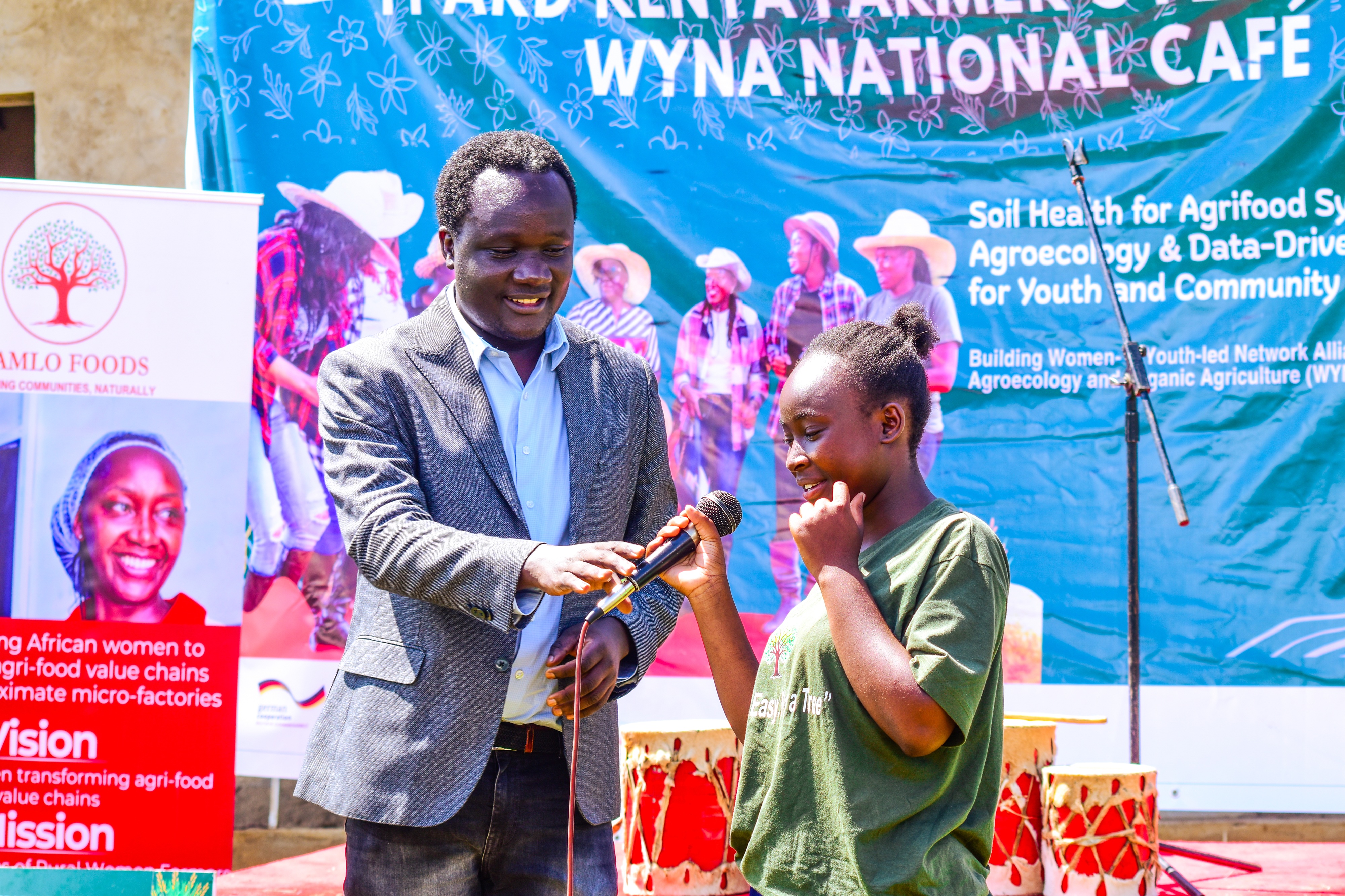
The festival featured several speakers who delivered powerful and inspiring messages centered on youth empowerment, innovation, and resilience in agriculture. Chief Guest Mr. Dave Okech, CEO of AquaRech Ltd, shared his personal entrepreneurial journey, encouraging young people to think boldly and embrace creativity. He underscored the importance of resilience and risk-taking, noting that “sometimes the foolish ideas are the ones that work.”
Mr. Arthur Muiruri, President of the Kenya Agricultural Students Association, reflected on his own journey as a university student and emphasized the need to reposition agriculture as an opportunity-driven sector. He highlighted the importance of placing youth at the center of agricultural transformation and called for stronger intergenerational collaboration. He also urged institutions and development partners to continue investing in youth-centered agricultural education and partnerships.
Ms. Genna Tesdall, Director of YPARD, spoke about the critical role of agriculture in global development, emphasizing that the sector thrives on connections, collaboration, and learning through action. She encouraged young people to embrace innovation and to view mistakes as a natural and necessary part of the learning process. Mr. Ajuna Tadeo, Programs Coordinator at YPARD, reinforced the importance of global youth collaboration and knowledge exchange as key drivers in transforming food systems.
The successful organization of the festival was made possible through strong collaboration with a range of partners, including the African Food Fellowship, AquaRech Ltd, CIFOR-ICRAF, the Miya Ywech Consortium, KALA TV, and DALA TV. These partners played an important role in supporting the event and strengthening ongoing conversations around sustainable agriculture and youth empowerment.
The YPARD Kenya Farmers’ Festival & WYNA National Café 2026 successfully provided a dynamic platform for dialogue, knowledge sharing, youth empowerment, and partnership building within the agricultural sector. The strong participation of students, farmers, youth leaders, innovators, and development partners demonstrated a growing commitment to sustainable agriculture and highlighted the vital role of young people in shaping the future of food systems.
Ultimately, the festival reinforced the need for continued collaboration among youth networks, research institutions, development partners, and communities. Such partnerships are essential for building resilient, inclusive, and sustainable agricultural systems capable of meeting the challenges of the future.