
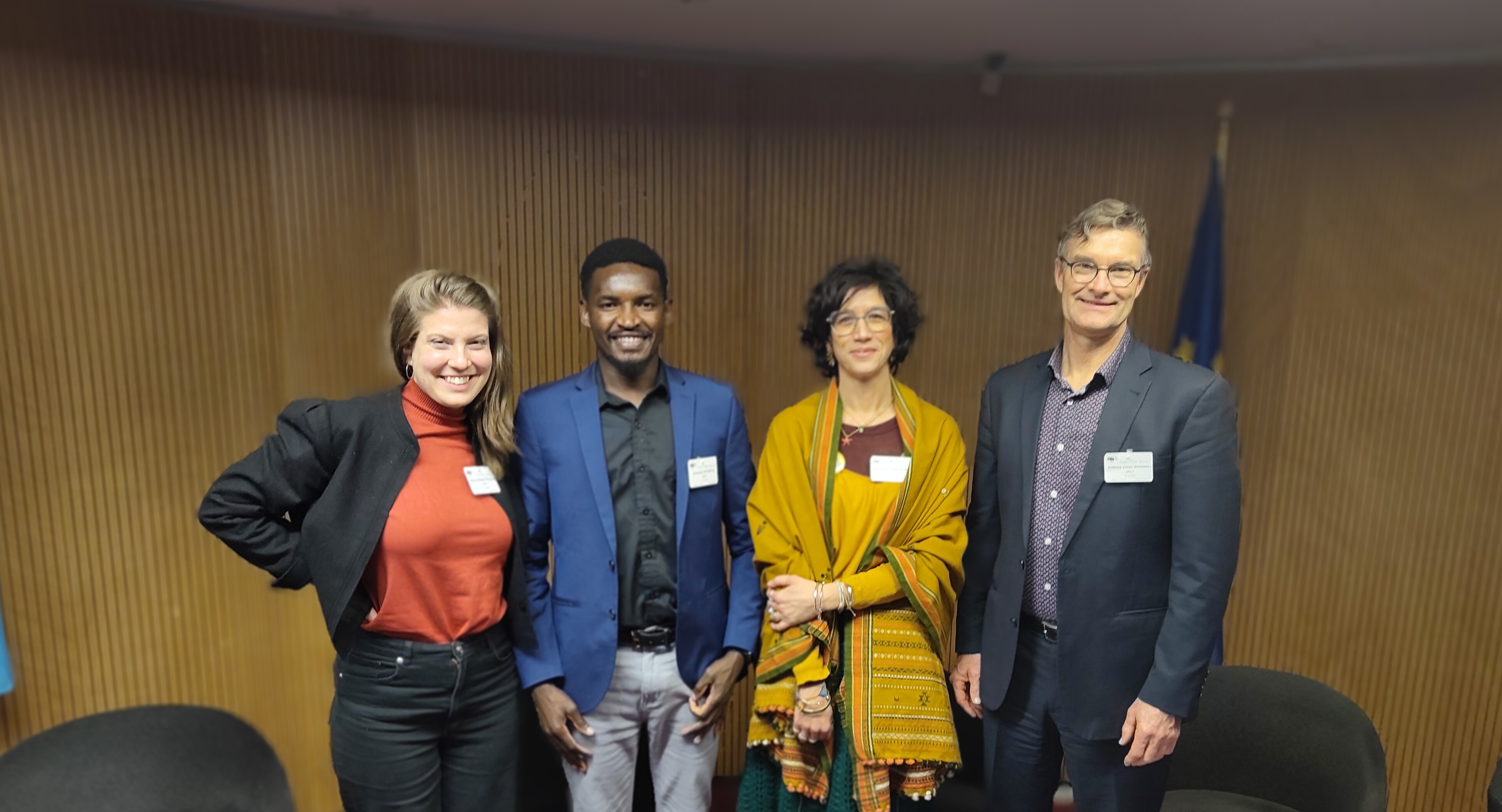

YPARD’s participation in the Assembly put youth in the centre of these discussions. Representing YPARD at the Assembly were Evance Ochola, intern at YPARD GCU, and Genna Tesdall, Director of YPARD. During the thematic session on “The Future of Youth in Agrifood Systems: Tackling the Double Challenge of Access to Land and Finance,” young professionals, donors, and development partners reflected on how land and finance are deeply interconnected. Drawing from lived experience from youths, panellists highlighted how the land–finance gap remains one of the biggest structural barriers facing young agripreneurs today.
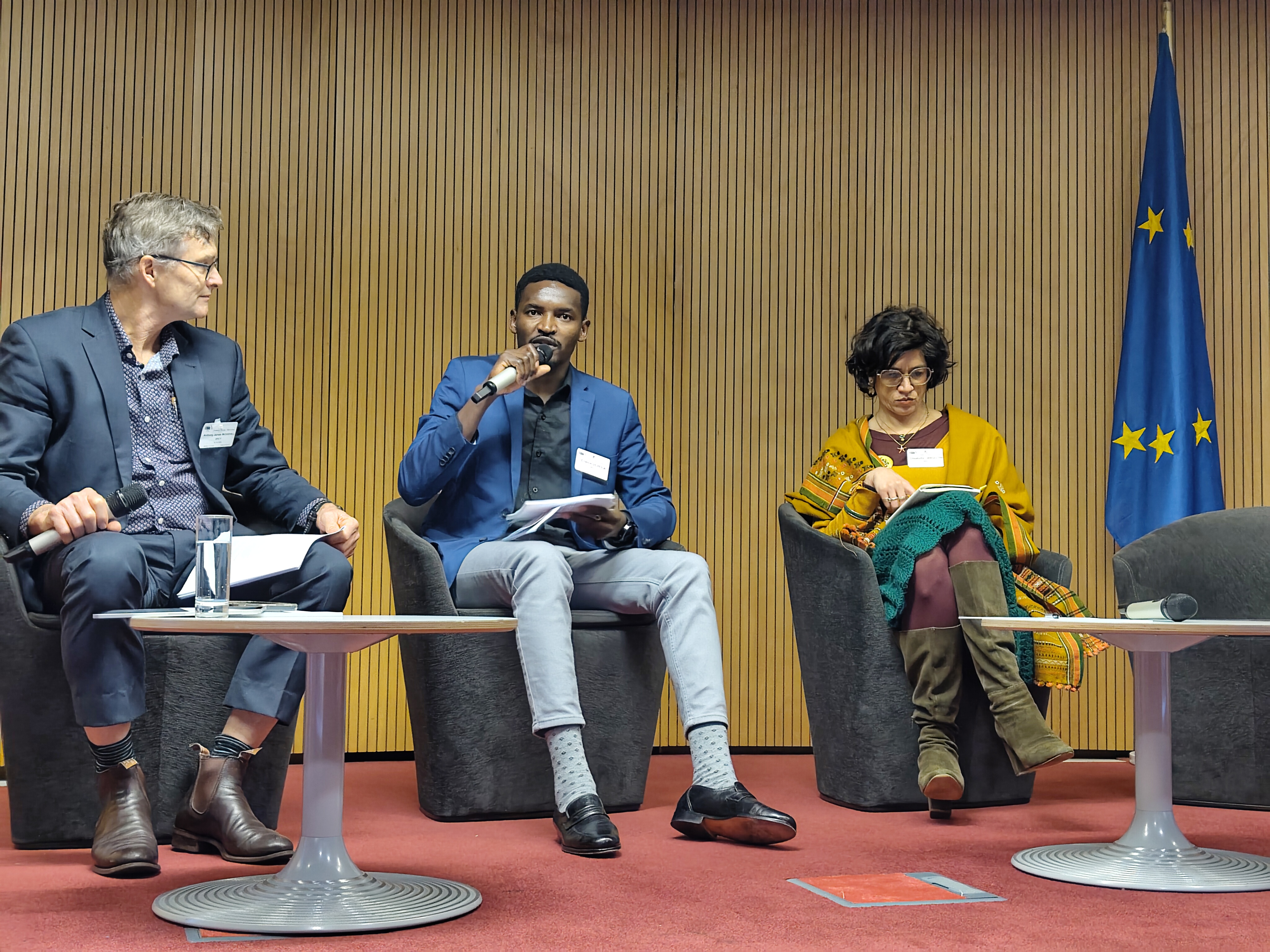
As part of the thematic session, Evance brought in his experience as a young professional deeply involved in the sector. He pointed out how across many countries, especially in Africa, young people are entering agriculture with strong technical skills, digital knowledge, and innovative ideas and yet, when they try to start or scale up their ventures, they quickly encounter systems that are not designed for them.
Land is often small, fragmented, held under parents or elders, or untitled as most youths are regarded as young to own land titles. Evance further highlighted how young women face added obstacles including discriminatory inheritance practices, patriarchal land governance, mobility restrictions, and limited access to information networks. Even when young people have solid business plans and training certificates, the absence of a title deed immediately surfaces their ability to venture into the agrifood systems.
At the same time, access to land itself requires money. Leasing land usually demands upfront payment, while buying land is far beyond the reach of most young people. Without finance, youth cannot secure land; without land, they cannot access finance. This creates a reinforcing cycle—a double bind —that keeps many youth stuck at the start.
While challenges remain, the session highlighted several solutions that are already showing promise,
- Cash-flow–based and performance-based lending , rather than collateral-based finance
- Land sharing and partnership models between aging farmers and youth
- Input financing linked to structured markets
- Youth group leasing and cooperative land access , instead of individual land ownership
These approaches focus on youth potential rather than asset ownership and provide the stability needed for long-term investment, climate-smart practices, and value addition.
Youth are the largest demographic entering the labor market, and agriculture remains one of the biggest sources of employment. At the same time, climate change is reshaping food systems and increasing the need for innovation and resilience. Youth are ready to lead this transition—but only if systems evolve to support them.
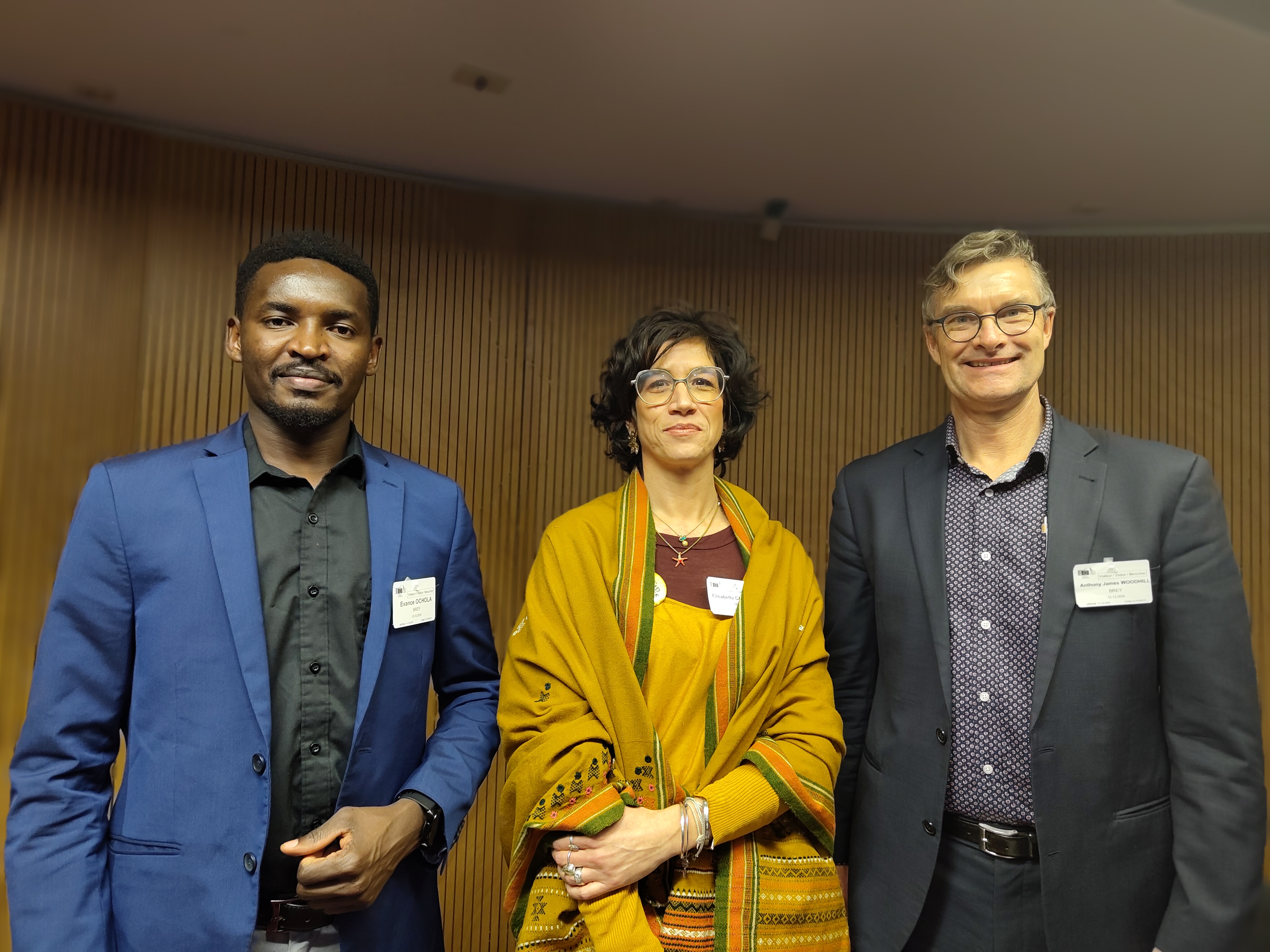
Several key messages aimed towards donors, governments, and development partners emerged at the conclusion of the AGA:
1. De-risk youth lending through guarantees and blended finance
2. Support scalable youth land access models
3. Invest in integrated approaches that link land, finance, markets, and skills
4. Promote gender-responsive solutions, creating inclusive financing products and women-friendly schemes
Recognizing youth as co-creators in agrifood systems transformation is the need of the hour. Unlocking their access to land and finance is essential for building inclusive, resilient, and sustainable agrifood systems.Furthermore, the question of how youth can access both land and finance should not be limited to policy discussions: sustainable transformation of agrifood systems requires structural change in addressing and tackling these complex challenges.

.jpg)