
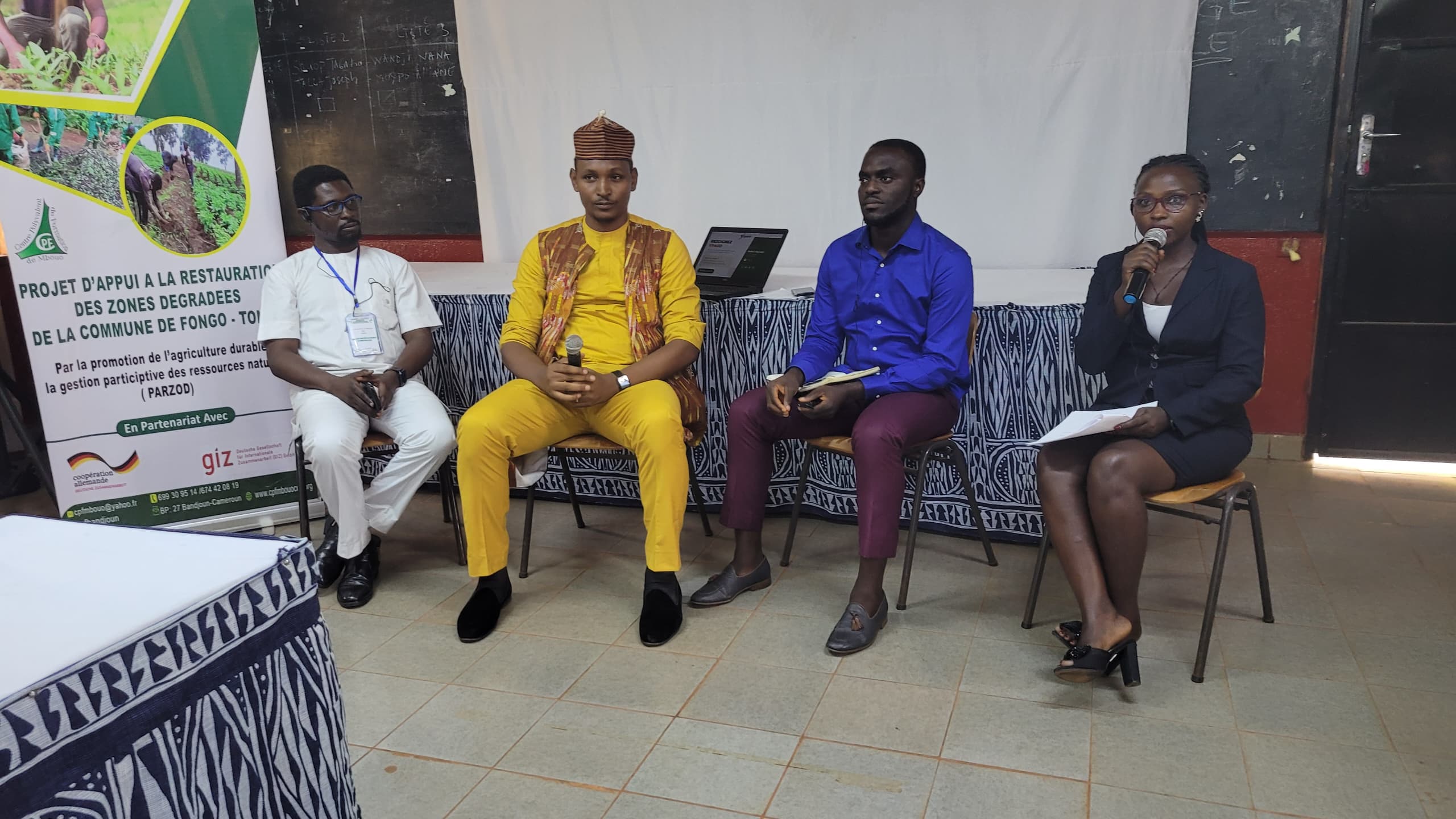

At the margins of the African Green Store Network (AGSN) International Conference, an inspiring conversation unfolded at the WYNA Café, where youth leaders, practitioners, and network partners gathered to explore the theme: “Beyond Carbon Credits: How Agroecology and Youth-Led Systems Contribute to Climate Action.” Moderated by Ednah Kukundakwe, The Communications and Networking Coordinator at YPARD. The panel focused at making it clear that while carbon markets provide important financial incentives for climate mitigation, they are insufficient on their own to achieve fair, inclusive, and sustainable outcomes. “Their impact is greatest when combined with locally driven, nature-based approaches that build resilience in communities,” Ednah noted.
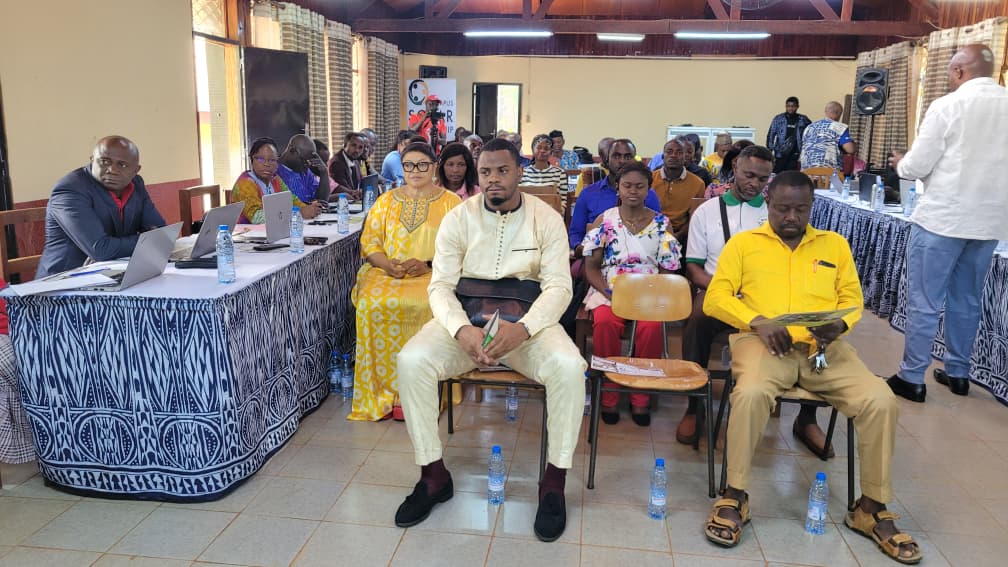
Agroecology, panelists emphasized, provides the foundation for this approach. “Agroecology is more than a way of farming. It is a nature-based solution that combines ecological principles with social inclusion and local knowledge. Practices like soil restoration, biodiversity conservation, diversified farming, and reduced chemical use help communities adapt to and mitigate climate change,” Ednah explained. Healthy soils under agroecological systems enhance carbon sequestration, improve water retention, and reduce vulnerability to climate shocks. Diversified production systems strengthen food security and reduce risks for smallholder farmers, while youth and women-led initiatives demonstrate that climate action becomes more effective when locally rooted and socially inclusive.
The conversation then turned to YPARD (Young Professionals for Agricultural Development) and its role in promoting youth-led agroecology. Bebel Nguepi, The YPARD Cameroon Country Representative, described the YPARD network as a platform that ensures young people are not just beneficiaries of development programs, but innovators and leaders shaping agrifood systems. Bebel further explained that YPARD supports youth in multiple ways, "we connect young professionals across countries and regions, providing platforms for knowledge exchange, partnerships, and collaboration. We focus on building capacities through training, mentorship, and policy engagement, equipping young leaders to influence decision-making processes,” Bebel said. Beyond networking and training, YPARD catalyzes youth-led innovations through YPARD cafés, exhibitions, and collaborative initiatives allowing young people to showcase agroecological solutions, co-create community-driven projects, and amplify their voices at regional and global policy platforms. “Across Africa, this has strengthened youth networks, increased visibility for agroecology initiatives, and nurtured a generation of young leaders transforming agriculture for a sustainable future,” he added.

Tadeo Ajuna the Programme Coordinator at YPARD, represented the consortium and shared more about the Women & Youth-Led Network Alliances (WYNA) Programme, he highlighted how youth and women are driving agroecological transformation across Africa. “WYNA empowers networks to implement agroecology and organic agriculture sustainably. Our approach builds on the Knowledge Centre for Organic Agriculture and Agroecology (KCOA) by strengthening alliances between youth and women-led networks, ensuring collaboration and knowledge-sharing,” Tadeo explained.
The program focuses on capacity building, leadership development, and gender-transformative approaches. Peer-to-peer learning, cross-country exchanges, mentorship, storytelling, and practical exposure equip young agrifood professionals and women with technical, entrepreneurial, and market skills. Women are positioned not only as participants but as leaders influencing decision-making within agrifood systems.
At the community level, WYNA has delivered tangible impacts such as diversified farming systems, soil health restoration, reduced chemical dependency, and increased access to green enterprise opportunities all that have strengthened climate resilience. By linking youth networks with partners such as YPARD, PELUM Kenya, and AGSN under GIZ, WYNA creates an ecosystem that connects knowledge, practice, and markets. “The result is resilient communities, stronger local food systems, and a generation of agroecology champions advancing climate adaptation and sustainable development across Africa,” Tadeo said.

Tabe Brandon, a WYNA fellow from Cameroon, offered a grassroots perspective on youth-led initiatives. “Youth experience climate change firsthand, floods, heatwaves, and food insecurity. Because we feel it first, we must also be part of the solution,” he said.
Brandon highlighted three key traits of youth in climate action: innovation, rapid adaptation, and resilience.
Through the WYNA Fellowship, Brandon has led Kids4Agroecology, a project filling gaps in primary education by teaching agroecology, climate-smart agriculture, and food systems through hands-on gardens and VR tools. Over 100 children have been reached, with initiatives extending into home gardens.
“Youth voices, when combined with mentorship, capacity building, and funding, translate into real action and influence policies today and for the future,” Brandon emphasized.

From a systems perspective, Tayo Oni the General Secretary at AGSN described how the African Green Store Network (AGSN) strengthens climate-smart agriculture across Africa. “AGSN is a network of agricultural and vocational training institutions in over a dozen countries. We equip farmers and agripreneurs with practical skills in soil health, ecosystem management, and diversified farming systems that are resilient to climate shocks,” he said. At its core, AGSN is a multidisciplinary network of agricultural and vocational training institutions across more than a dozen African countries that promotes sustainable agricultural practices, knowledge exchange, and youth integration into the agricultural sector.
AGSN’s programs help reduce reliance on fossil fuels, enhance carbon storage, improve ecosystem services, and connect local action to global climate agendas, enabling farmers to access partnerships, ideas, and funding. “Education, innovation, and networking contribute directly to climate resilience at both farm and system levels,” Tayo noted.
The panel reinforced one central theme: agroecology is not an alternative to carbon finance it is its necessary complement.
“Lasting climate resilience begins in the soil, thrives in communities, and grows in the hands of empowered young leaders across Africa,” concluded Ednah Kukundakwe.
The WYNA Café at the AGSN International Conference demonstrated that when youth leadership, agroecology, and strong partnerships converge, climate action becomes locally owned, socially inclusive, and transformative.

.jpg)