
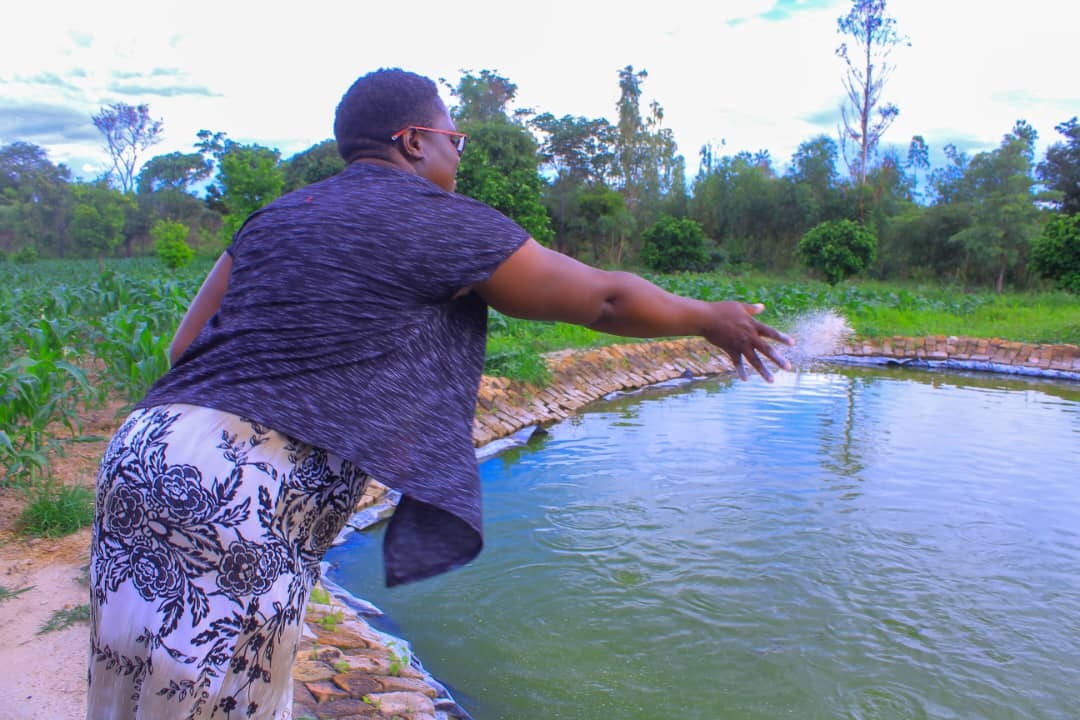

Held under the theme “Empowering Smallholder Farmers Through Agroecology: The Takawira Village Story”, the Café was part of the Research for Agroecology Network Southern Africa (RAENS) programme. The gathering created a vibrant, community-led space to showcase how smallholder farmers in Goromonzi Rural District are transforming their farms and livelihoods using locally available, low-cost agroecological practices.
The Café opened with warm welcomes from local leadership and quickly set a collaborative tone. Community leaders, agroecology farmers, extension officers, and partners came together as Zimbabwe Small Organic Farmers Forum (ZIMSOF) co-facilitated discussions and shared the Goromonzi agroecology story. The Marondera University of Agricultural Sciences and Technology (MUAST) highlighted its partnership with YPARD Zimbabwe and ongoing work under RAENS. These exchanges created a shared space for listening, learning, and reflection - grounded in farmer experience and strengthened through research and youth engagement.
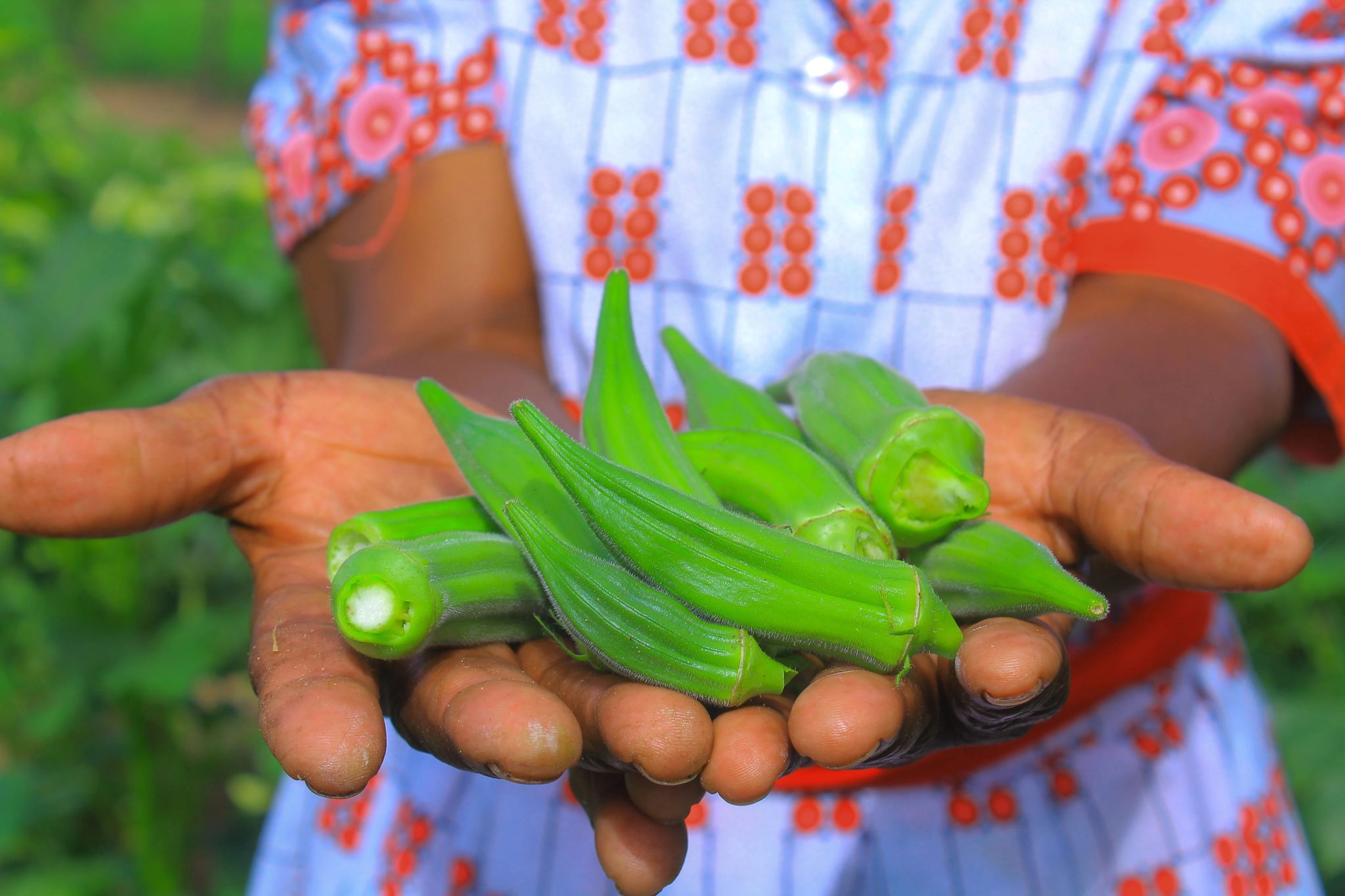
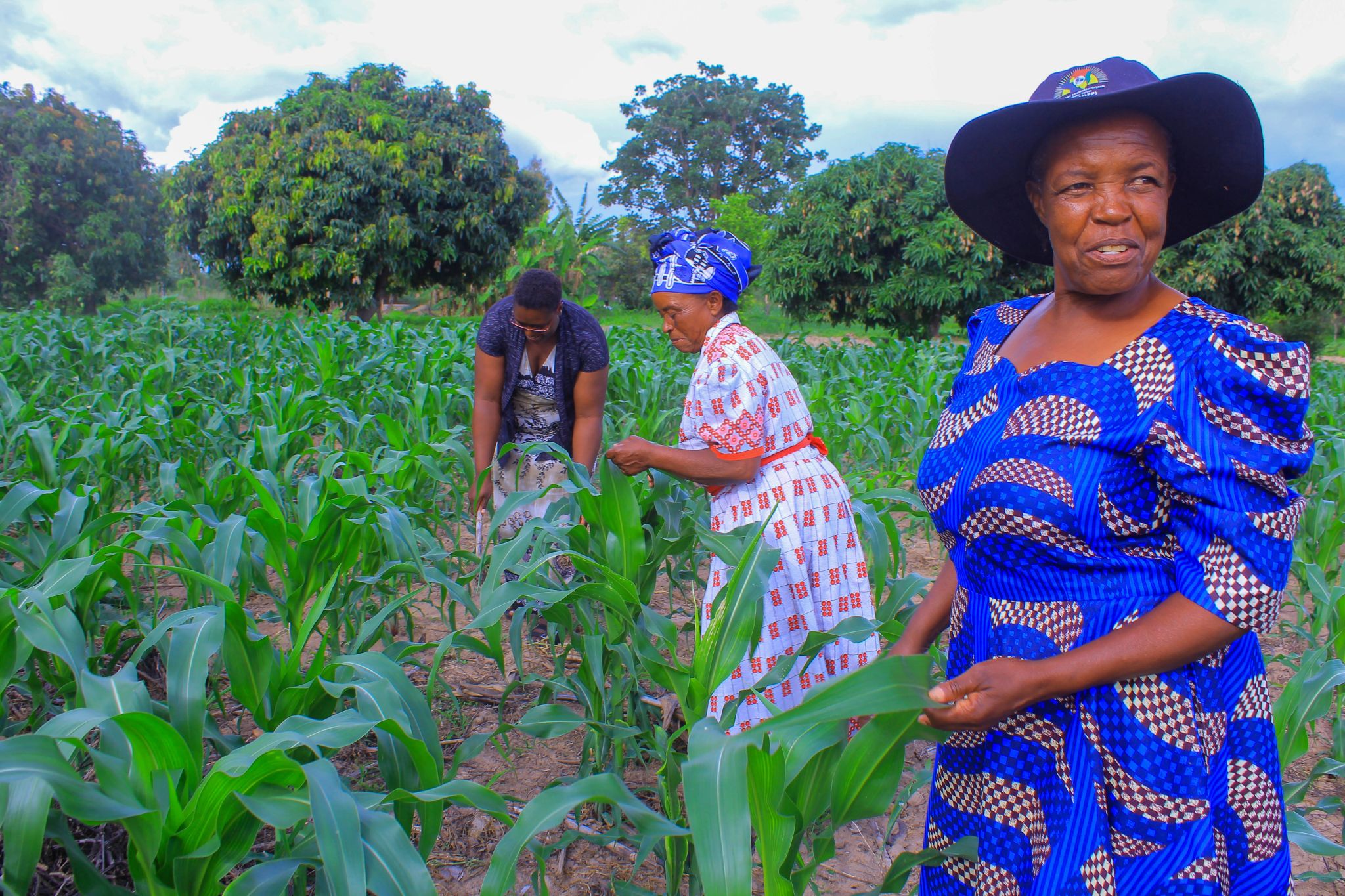
At the heart of the Café were 30 smallholder farmers, the majority women and young people, who shared how they have revitalized into productive vegetable gardens. Using ashes, livestock manure, mulch, compost, and fallen leaves, farmers demonstrated practical techniques for improving soil fertility and moisture retention.
Participants walked through fields and gardens where farmers showed rainwater harvesting methods, agroforestry systems, organic poultry production, and intercropping approaches. These practices have helped households improve food security, diversify nutrition through organic vegetables, and increase resilience to climate variability - all without relying on chemical fertilizers or pesticides.
Youth engagement was the central focus of the Café. Young agroecologists, students, and early-career professionals actively participated in discussions, interviews, and field observations. Through direct interaction with farmers and partners such as Zimbabwe Small Organic Farmers Forum (ZimSof)and Marondera University of Agricultural Sciences and Technology (MUAST), an informal Youth Community of Practice (CoP) began to take shape.
These exchanges highlighted the power of intergenerational learning. Farmers shared traditional knowledge on seed saving, organic pest control using herbs, and nutritional gardens growing vegetables such as pumpkin leaves, beans, and okra. Youth, in turn, supported documentation, story telling, and knowledge sharing - helping translate local innovations into wider learning.
A key innovation of the YPARD Zimbabwe RAENS Café was the use of visual storytelling. Through photos, videos, interviews, and discussion summaries, the Café captured real-life stories of agroecology in action. These materials form the foundation of future knowledge products, including blogs, short videos, and research outputs that will amplify farmer and youth Takawira Village.
Participants also reflected on the health benefits of traditional and organic foods, noting how agroecology supports both livelihoods and well-being. For many, this reinforced agroecology not just as a farming approach, but as a way of life rooted in care for people and the environment.
While limited planning time posed challenges, the Café succeeded in strengthening partnerships, surfacing farmer-led innovations, and reaffirming YPARD Zimbabwe’s role in advancing youth-led agroecology. Farmers expressed a strong desire for continued engagement, mentorship, and follow-up learning exchanges - highlighting the importance of long-term ,community-centred collaboration.
The YPARD Zimbabwe RAENS Café in Takawira Village showed what is possible when youth and farmers learn together: agroecology becomes practical, inclusive, and deeply rooted in local realities. It is from these shared spaces that resilient and equitable food systems can grow.
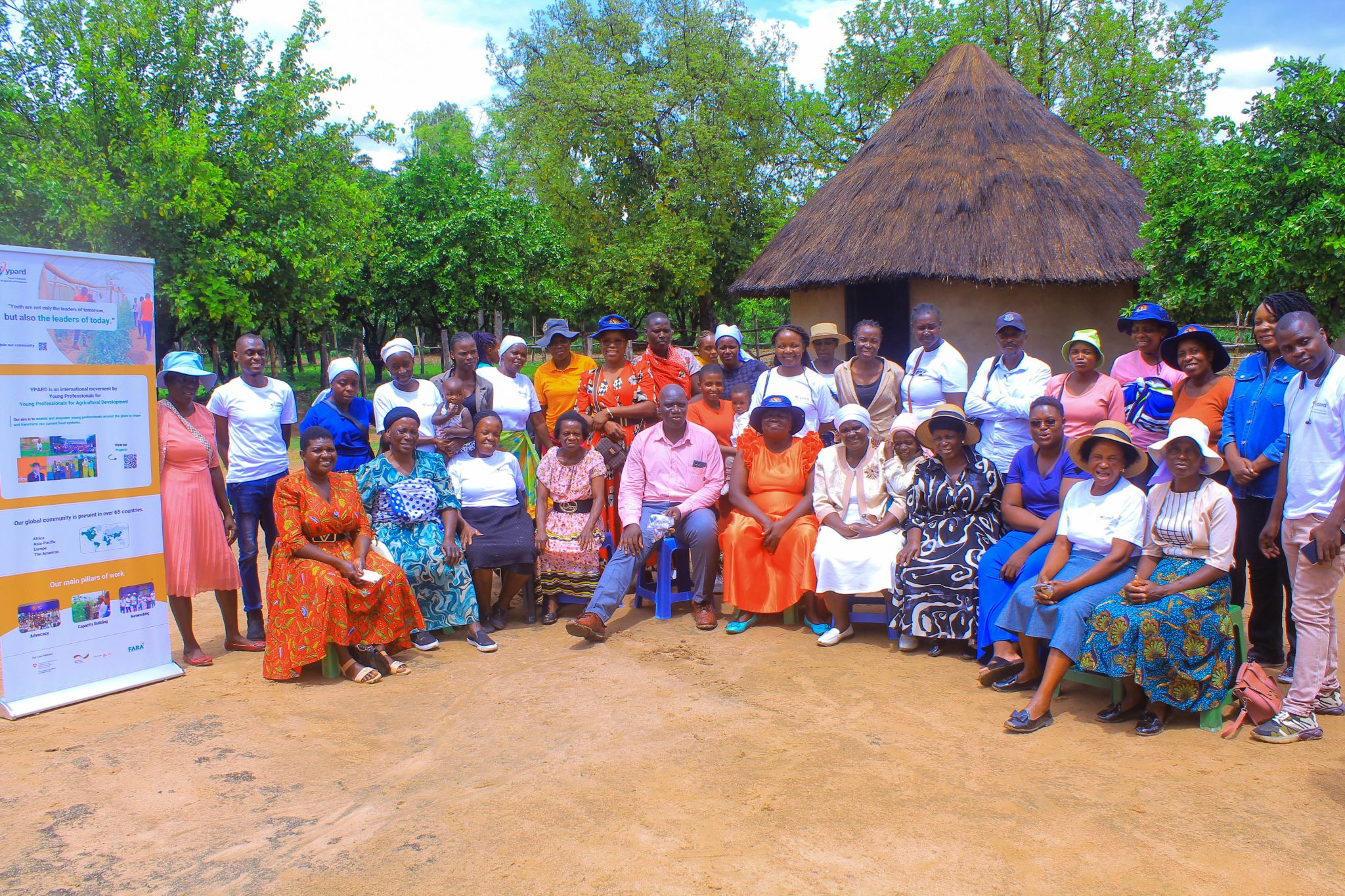
By showcasing locally rooted agroecology practices in Takawira Village and fostering dialogue between farmers, youth, researchers, and extension actors, the Café strengthened participatory agroecology learning under RAENS. The experience highlighted how farmer knowledge and youth engagement together advance RAENS’ goal of building context-specific, inclusive, and climate-resilient agroecology networks across Southern Africa.
RAENS (Research for Agroecology Network Southern Africa) is a regional initiative that brings together farmers, youth, researchers, and practitioners to strengthen agroecology research, learning, knowledge sharing, and policy engagement across Southern Africa.
.jpg)
.JPG)