

On 12 June 2026, Building Women & Youth-led Network Alliances for Agroecology and Organic Agriculture (WYNA) Programme Fellow, Nsiima Faith, successfully organized a one-day Organic Agriculture and Agroecology Sensitization Campaign under the theme Together we can achieve nutritious and healthy diets through Agroecology and Organic Agriculture . This was held in Bukonda Village, Kibaale District, Western Uganda. The campaign forms part of Faith’s broader community solution initiative, Nourishing Futures through Agroecology and Organic Agriculture, which seeks to raise awareness and strengthen community understanding of Organic Agriculture and Agroecology in response to the growing reliance on synthetic pesticides, environmental degradation, and unsustainable agricultural practices within the community. The initiative aims to enhance practical knowledge and adoption of agroecological and organic farming practices while promoting healthier, more resilient, and sustainable food systems.
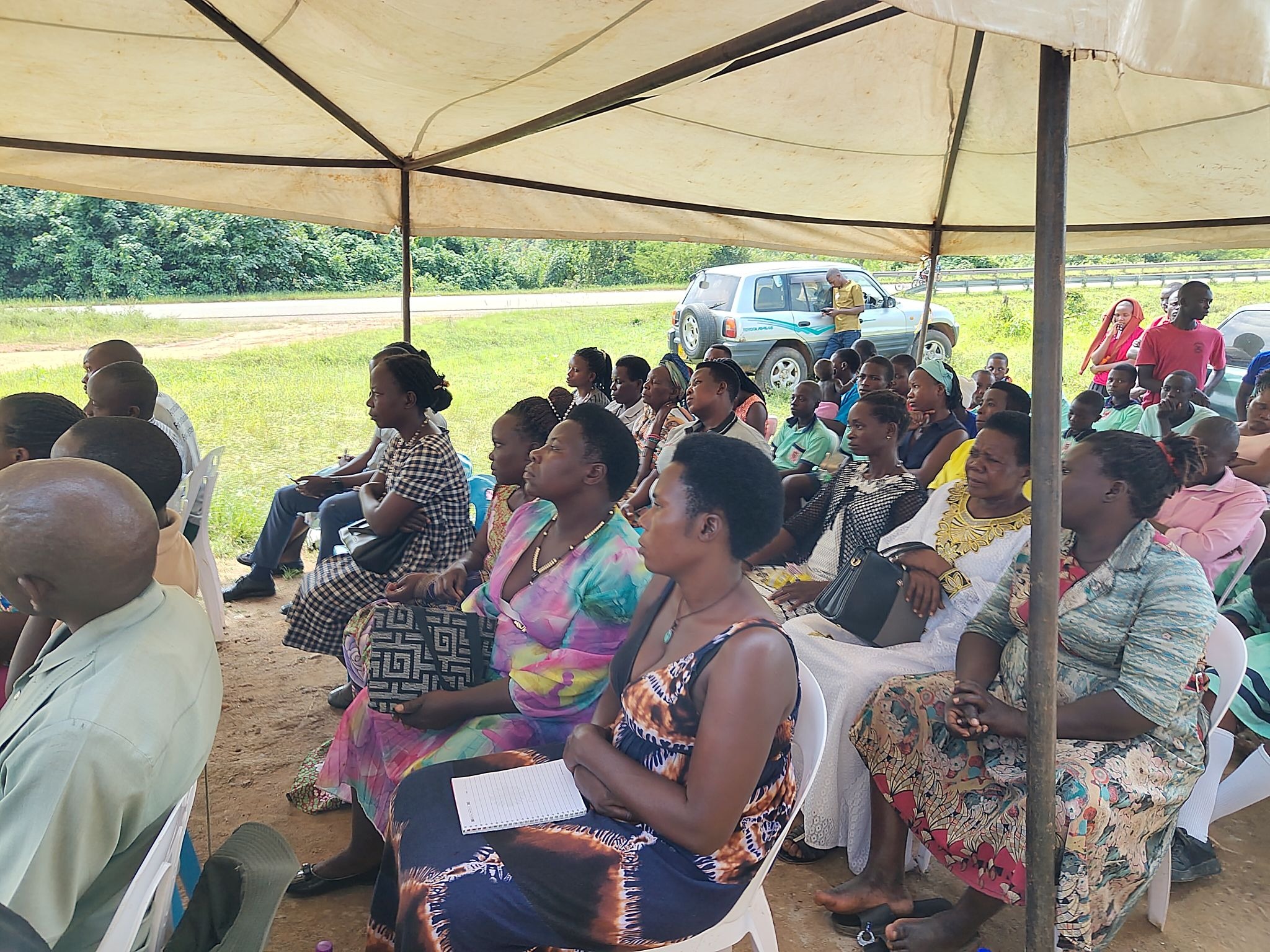
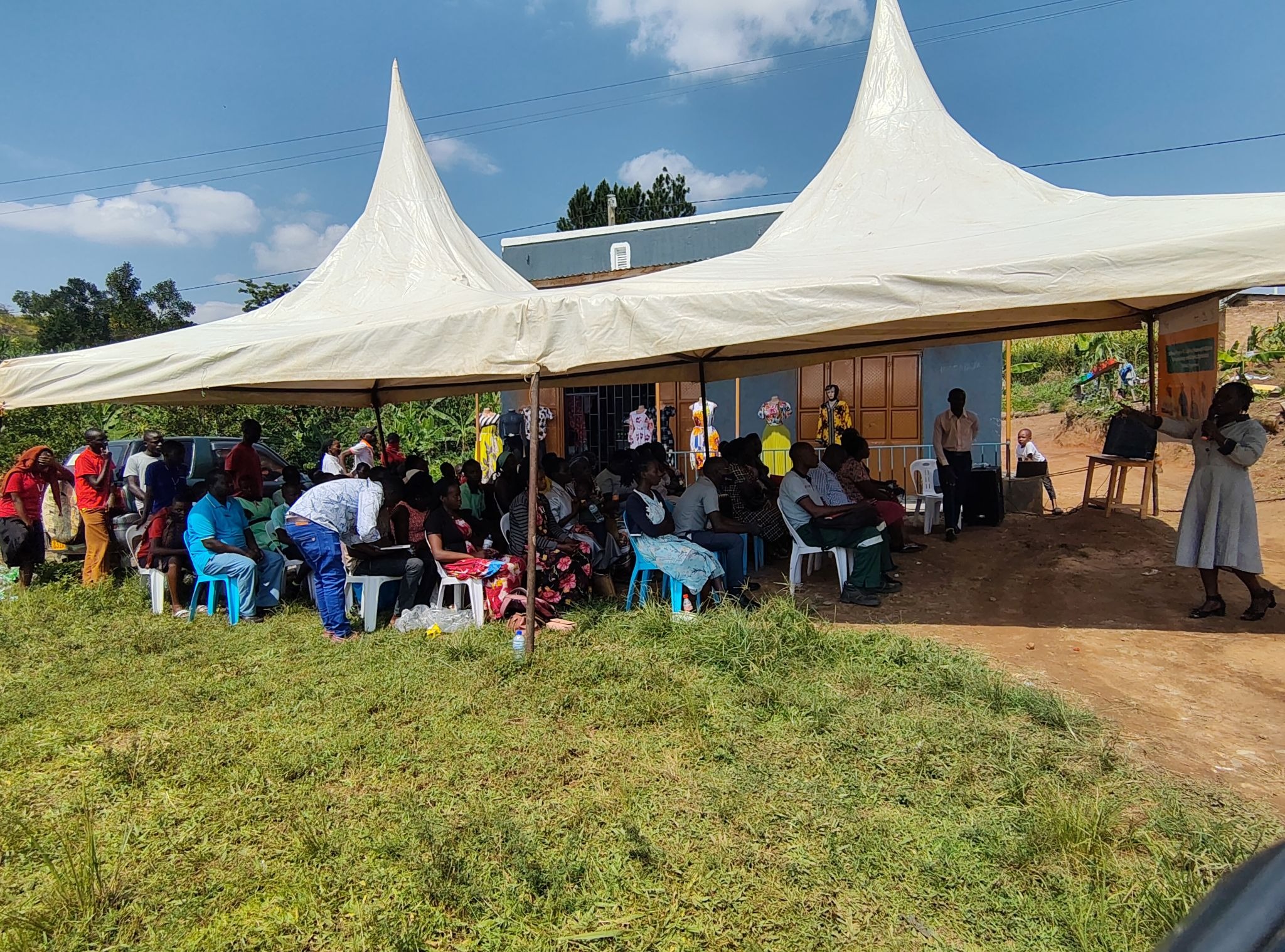
The sensitization campaign brought together over 80 participants of which 75% were female and 48 of the participants were youth. The participants included farmers, teachers, students, religious leaders, local government officials, community leaders, and government agricultural extension officers. The campaign provided a platform for learning, dialogue, and knowledge exchange on sustainable agricultural practices and their role in improving livelihoods, food security, and environmental sustainability. A key highlight of the campaign was a practical learning visit to an Agroecology demonstration farm hosted by YPARD Programme Coordinator, Tadeo Ajuna.
The overall purpose of the “Together we can achieve nutritious and healthy diets through Agroecology and Organic Agriculture” campaign was to create awareness and build practical understanding of organic and agroecological farming among community members in Bukonda Village. The specific objectives were to:
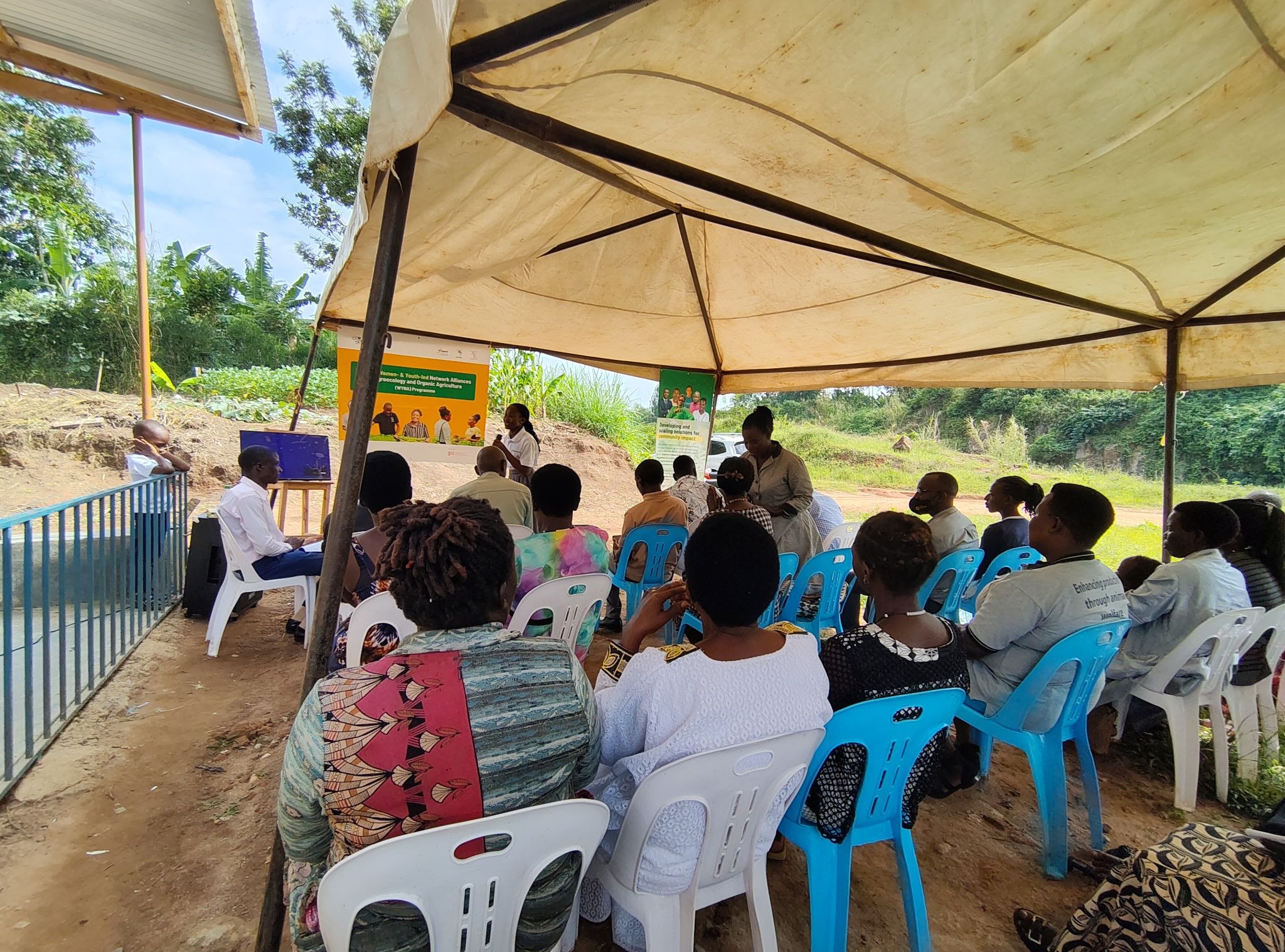
Before delivering her presentation, Faith invited the Head Teacher of Bukonda Primary School, where she is currently implementing her community solution project with learners, to make opening remarks. The Head Teacher expressed appreciation to YPARD for investing in and supporting young women such as Faith to lead community-based initiatives, including the sensitization campaign and the school gardening programme. She observed that while many organizations support young people, YPARD stands out because it empowers fellows to design and implement projects within their own communities, enabling them to address local challenges through locally driven solutions. She reaffirmed the school's commitment to supporting Faith's work by providing additional land for the school garden and allocating time for learners to actively participate in project activities.
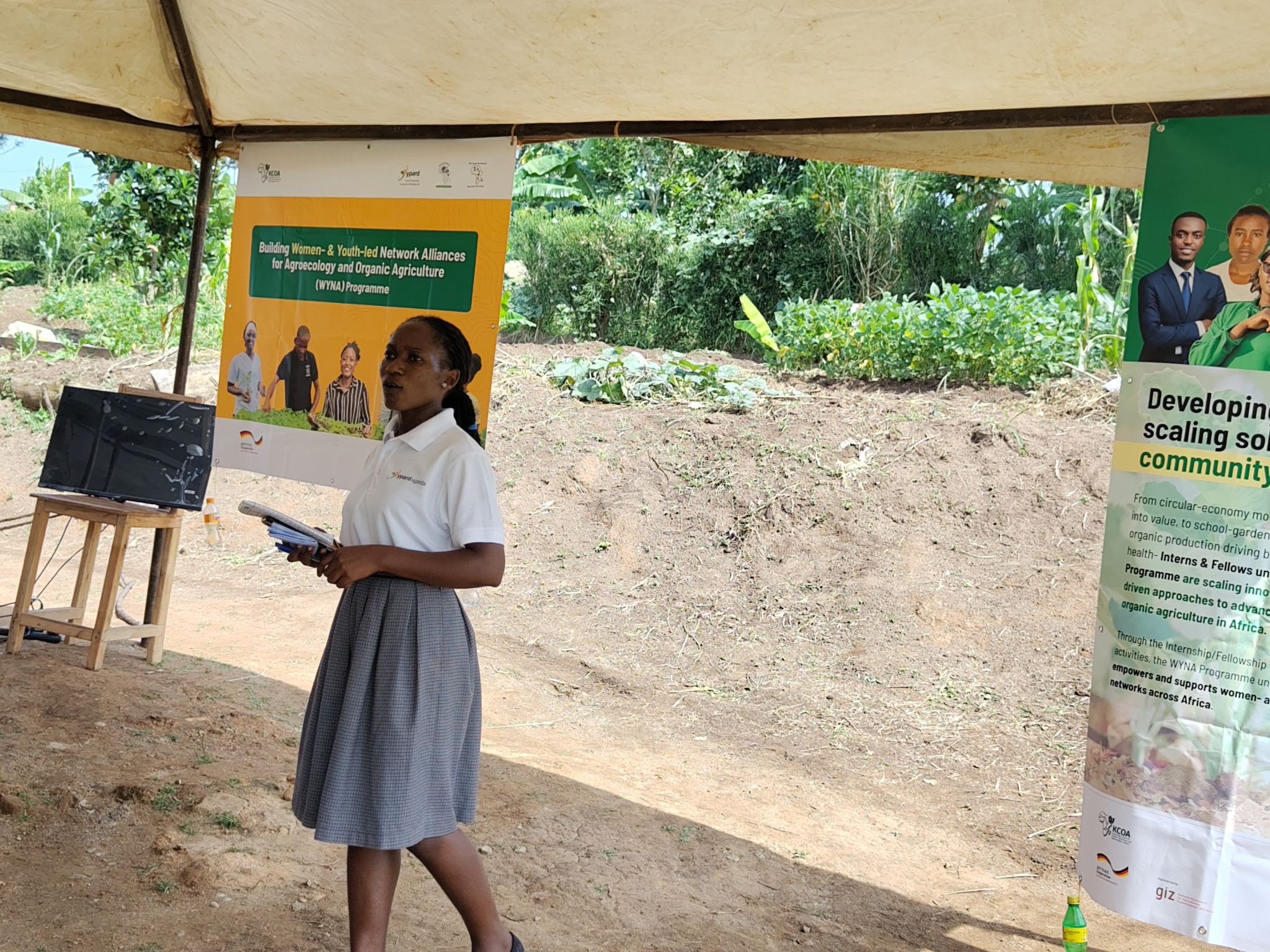
Following the Head Teacher’s remarks, Faith proceeded with her presentation. Recognizing that many participants were unfamiliar with both the Young Professionals for Agricultural Development (YPARD) network and the Building Women & Youth-led Network Alliances for Agroecology and Organic Agriculture (WYNA) Programme, she began by introducing the two initiatives and their respective roles in supporting youth and women in agriculture. Participants were then taken through the objectives of the WYNA Programme, particularly its focus on empowering young people and women through capacity strengthening, leadership development, networking, and the promotion of Agroecology and Organic Agriculture.
Faith (See photo below on the left) also provided an overview of the objectives of the sensitization campaign and shared the motivation behind her Nourishing Futures through Agroecology and Organic Agriculture community solution initiative.
She highlighted the growing dependence on synthetic pesticides, environmental degradation especially through the increasing deforestation, and unsustainable agricultural practices within the community, emphasizing the urgent need for practical, locally relevant, and sustainable alternatives. She further explained the role of Agroecology and Organic Agriculture in restoring soil health, improving food and nutrition security, conserving biodiversity, and strengthening community resilience. Drawing on local experiences and realities, Faith encouraged participants to value indigenous knowledge and embrace sustainable farming practices that can contribute to healthier households, improved livelihoods, and more sustainable food systems.
Speaking on behalf of the WYNA Programme and as a mentor to Faith Nsiima, Mr. Tayo Oni commended Nsiima Faith for her leadership and commitment to addressing food system challenges within her community. He emphasized the importance of youth-led initiatives in advancing Agroecology and Organic Agriculture and highlighted the role of the WYNA Programme in supporting young leaders like Faith to develop and implement community-driven solutions.
Mr. Tayo encouraged participants to actively engage in the learning activities and to apply the knowledge gained within their farms, schools, and communities. He further highlighted the importance of collaboration among farmers, extension officers, local leaders, and development actors in creating sustainable and resilient food systems.
He concluded by reaffirming WYNA Programme's commitment to strengthening local capacities and supporting innovative approaches that contribute to sustainable agricultural development.
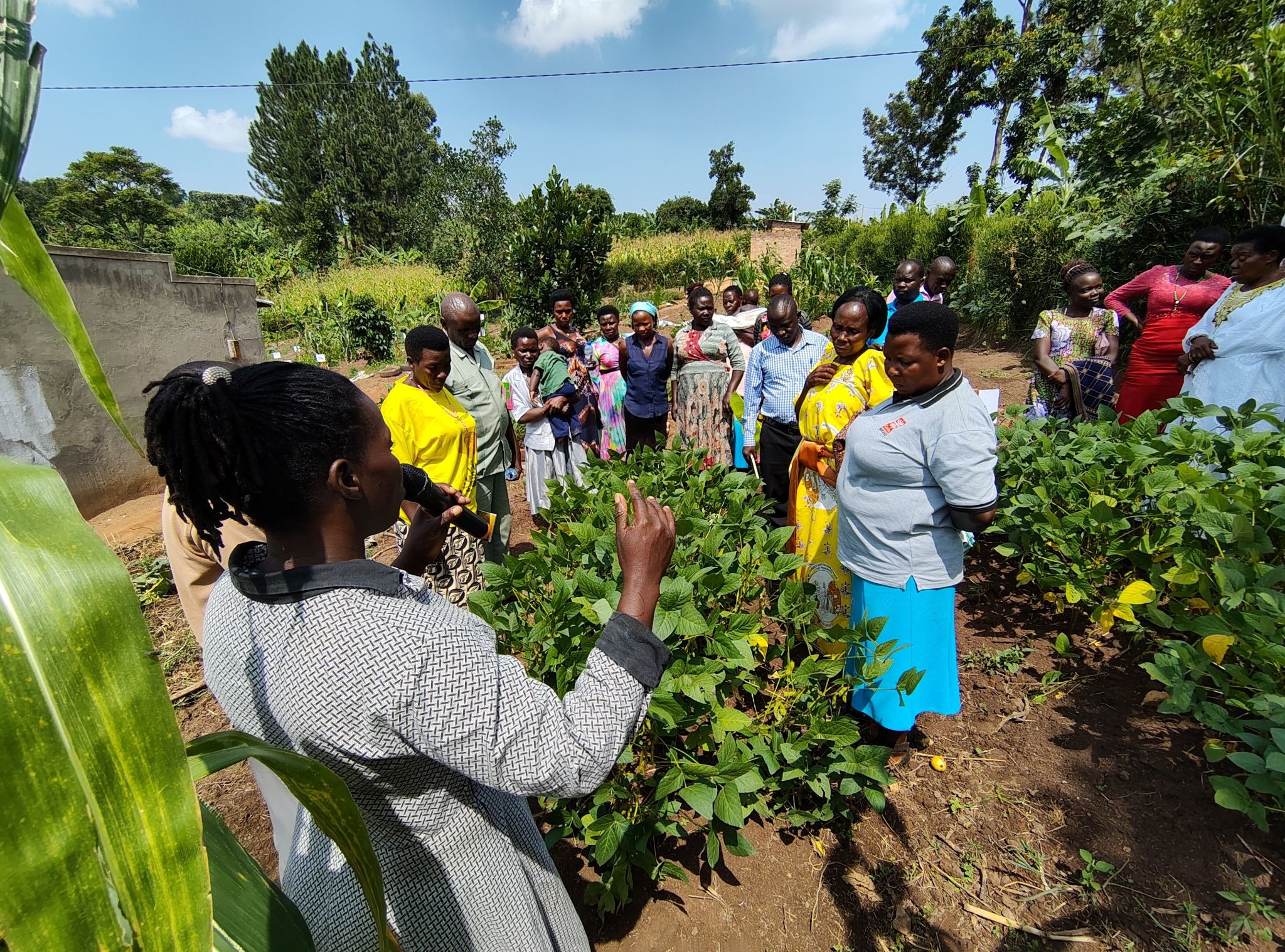
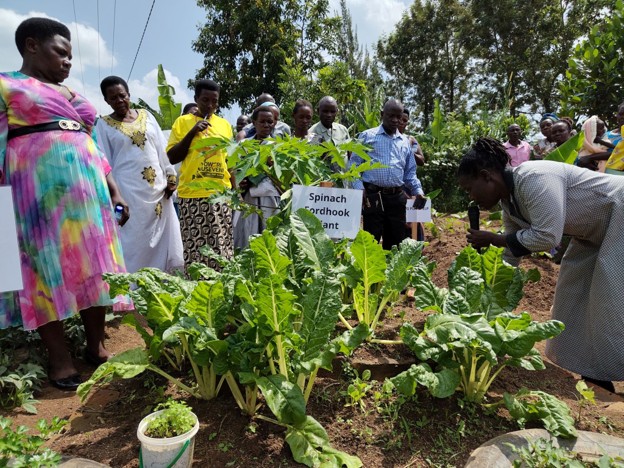
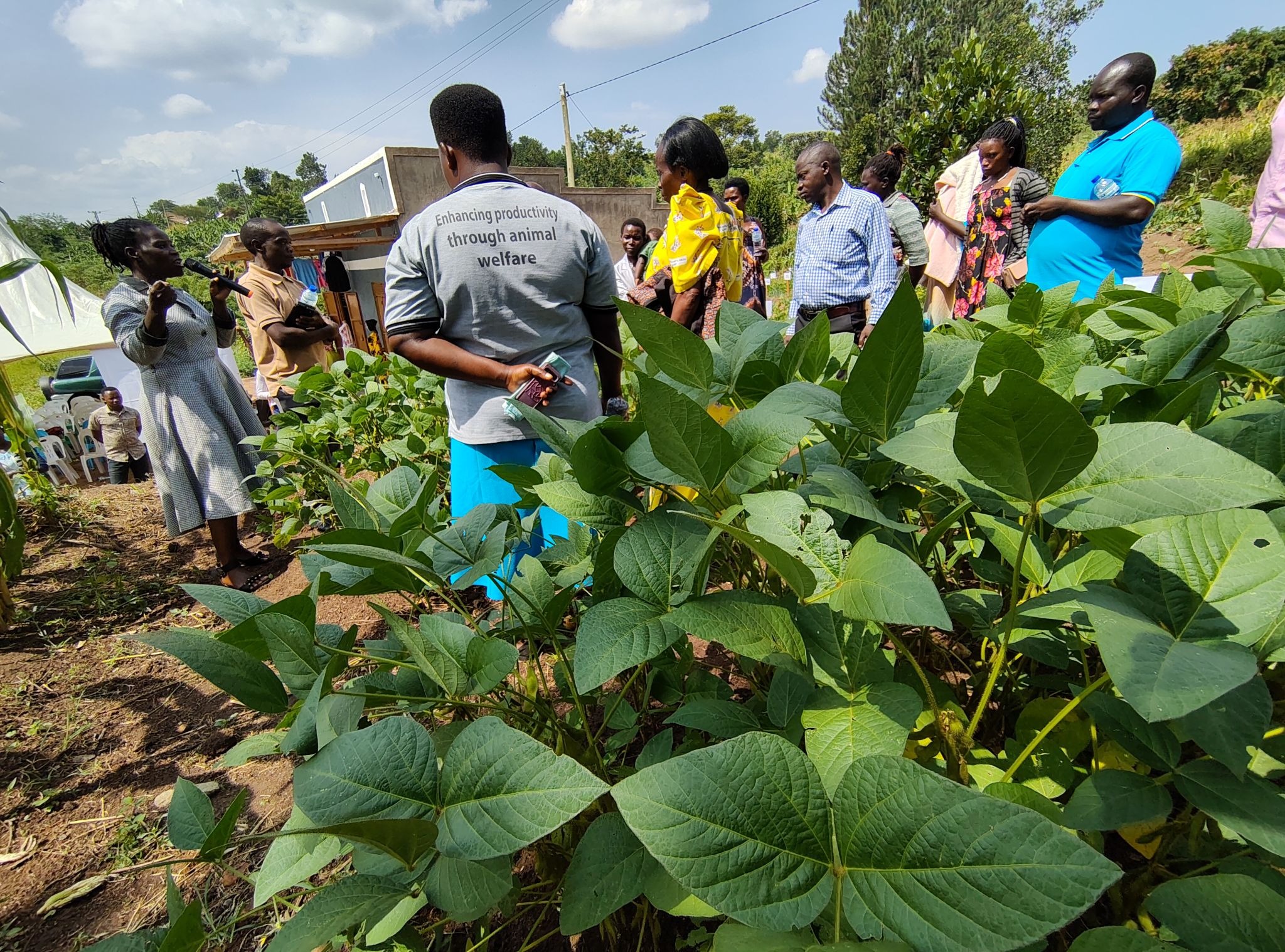
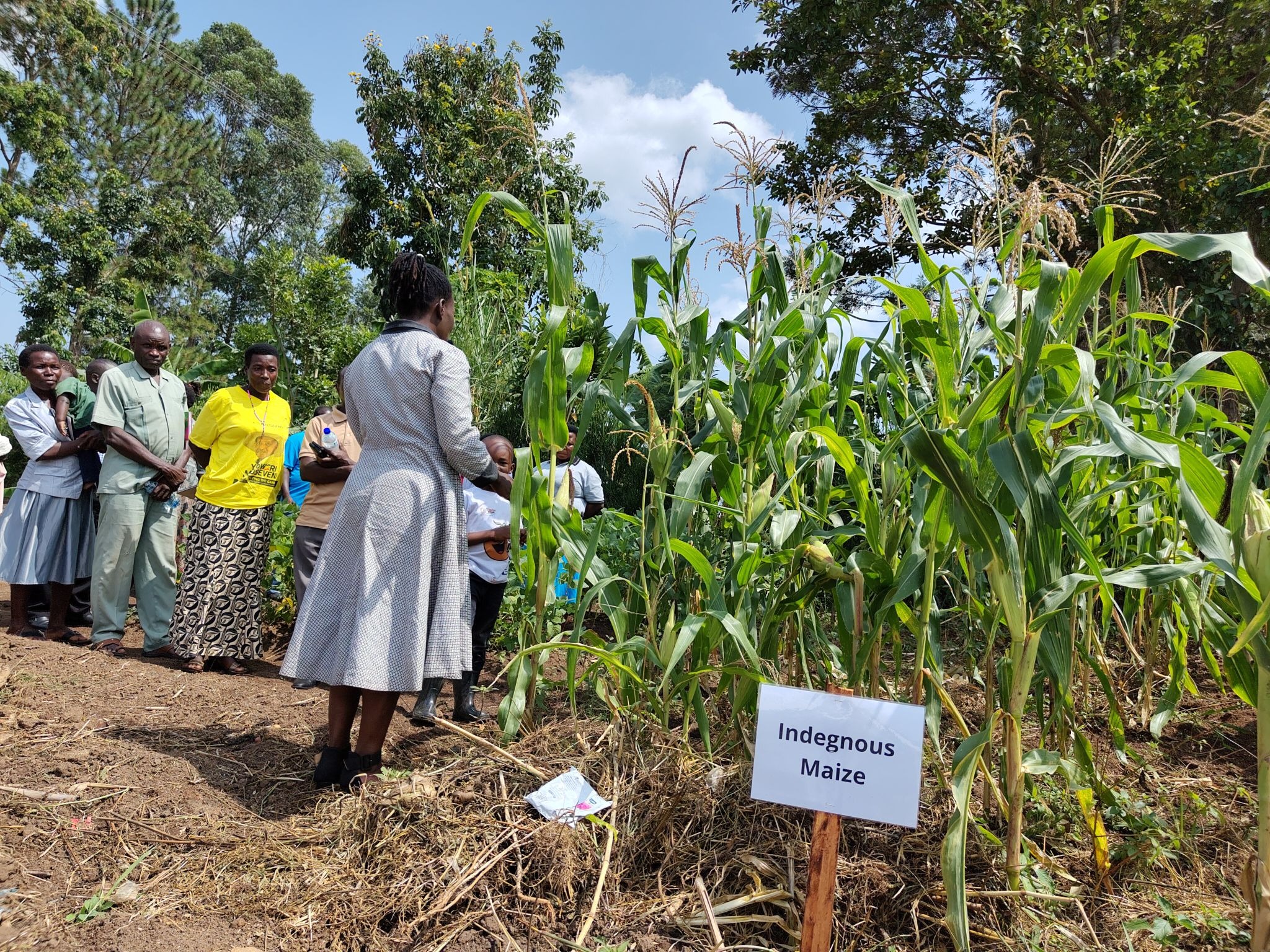
One of the key event highlights of the campaign was the agroecology farm tour facilitated by Nsiima Faith and Ms. Imelda, Senior Agricultural Extension Officer for Kabasekende Sub-county. This was conducted at the Agroecology demonstration farm founded by YPARD Programme Coordinator Tadeo Ajuna. This farm visit and exposure provided participants with an opportunity to observe agroecological and organic farming practices firsthand.
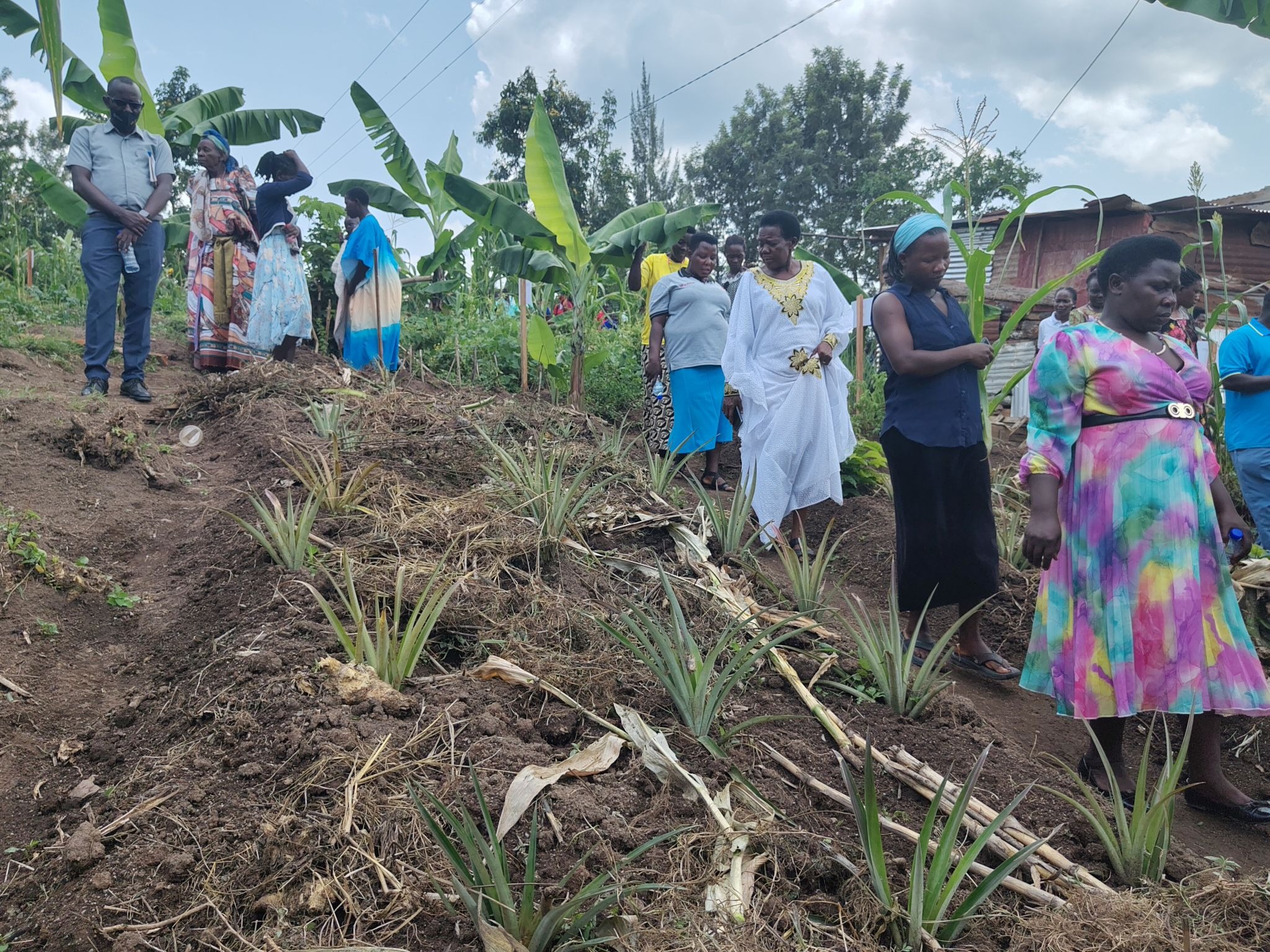
During the guided tour, participants observed more than 30 organically grown crop, spice, and herb varieties on a piece of land that was half an acre, including rice beans, red cabbage, bitter leaf, broccoli, feverfew, potatoes, peanuts, pumpkin, cucumber, indigenous maize, onions, Carrots, Potato, Yams, watermelon, Sunflower, and several other crops. The diversity of crops demonstrated how agroecological and organic farming systems can support food and nutrition security while promoting biodiversity and farm resilience in addition to utilizing smaller pieces of land that has hugely been a challenge in the community.
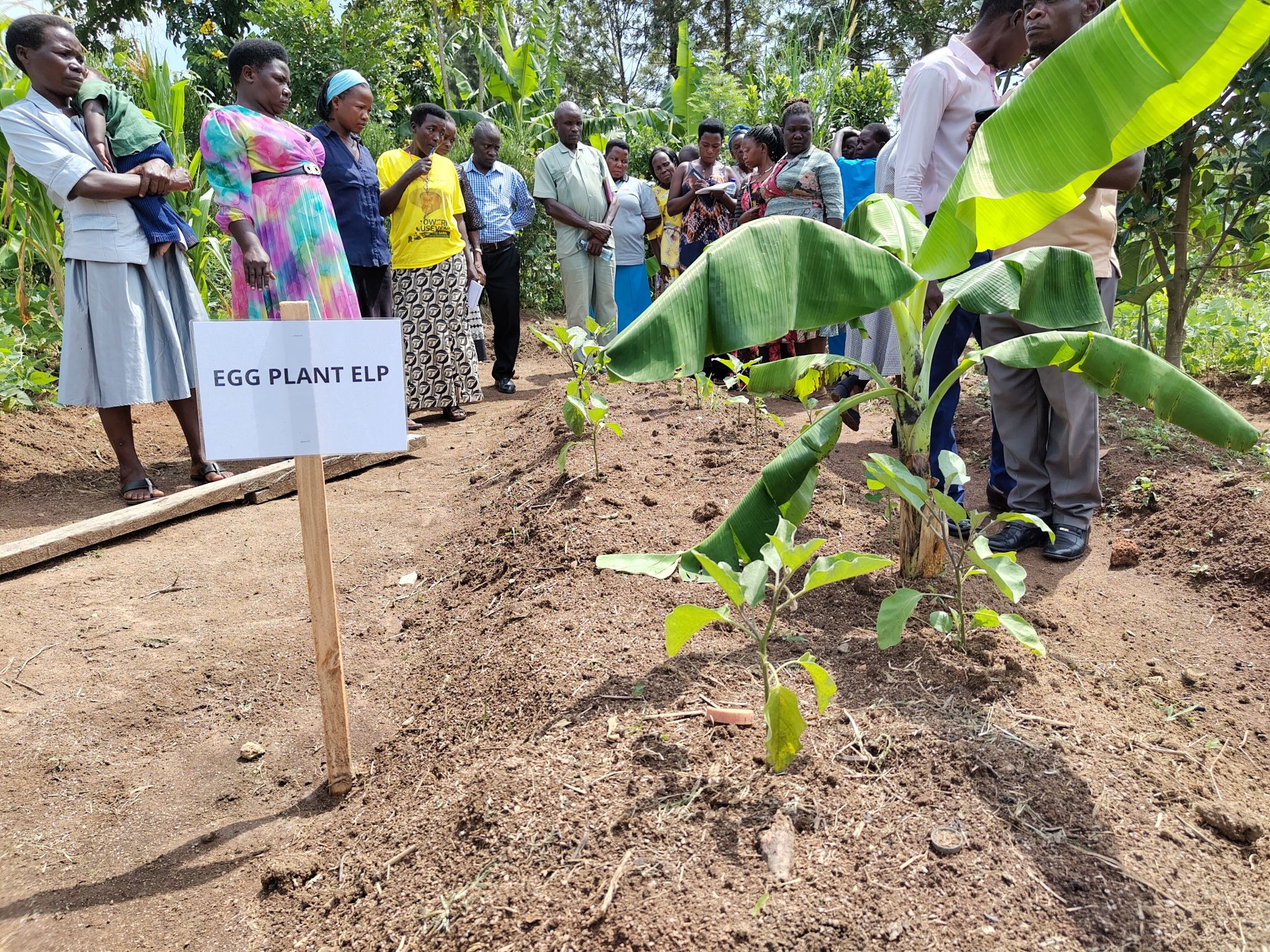
While at the farm Faith explained to participants the importance of crop diversification (that includes food security and serving as a crop protection mechanism), the use of locally adapted crop varieties like the multicolored indigenous maize that is highly resistant to climate change mainly long dry periods, and the integration of different crops within the same production system. She highlighted how such practices contribute to improved soil health, reduced dependence on synthetic inputs, and increased availability of diverse and nutritious foods for households. Participants were also introduced to practical approaches for managing farms using agroecological principles and locally available resources.
Ms. Imelda complemented the tour by providing technical guidance and backstopping to Faith mainly on sustainable crop management practices and the benefits of organic production systems. She emphasized that agroecological farming can be successfully practiced even where access to large pieces of land is limited, noting that proper planning, diversification, and efficient use of available resources can enable farmers to achieve productive and sustainable farming systems.
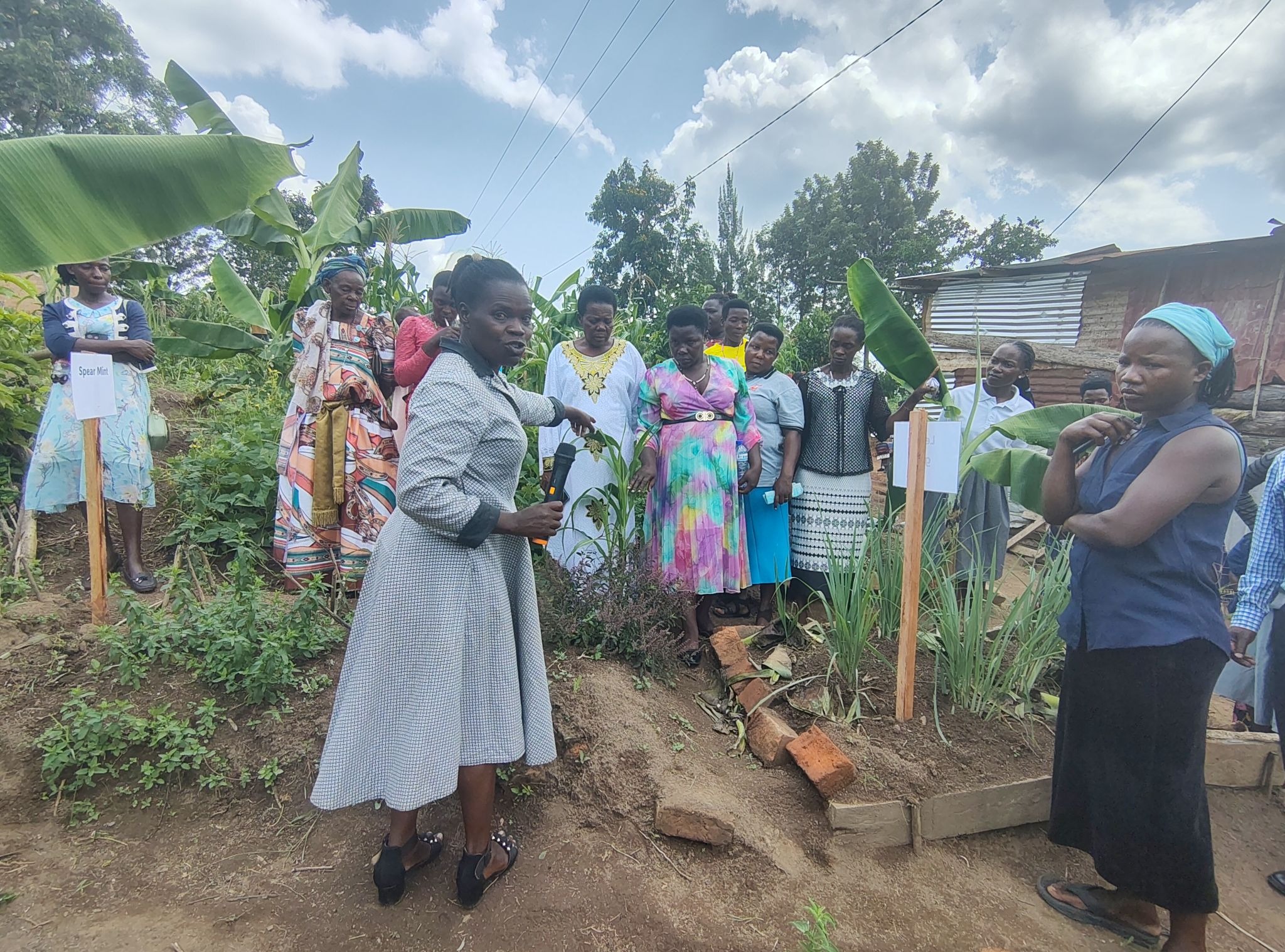
The farm tour also created an opportunity for interaction between participants, extension officers, and other technical actors. Through discussions and question-and-answer sessions, participants reflected on how the demonstrated practices could be adapted within their own farms, schools, and communities. The session strengthened participants’ understanding of Agroecology and Organic Agriculture by moving beyond theory and providing practical examples of sustainable food production in action.
One Question that still sparked a discussion was: Can Agroecology and Organic Agriculture be operationalized on large farms at affordable costs of Production? The participants requested faith and the team at YPARD to organize a session to have this discussed. Faith Pledged to engage the team at YPARD to ensure that this discussion happens soon.
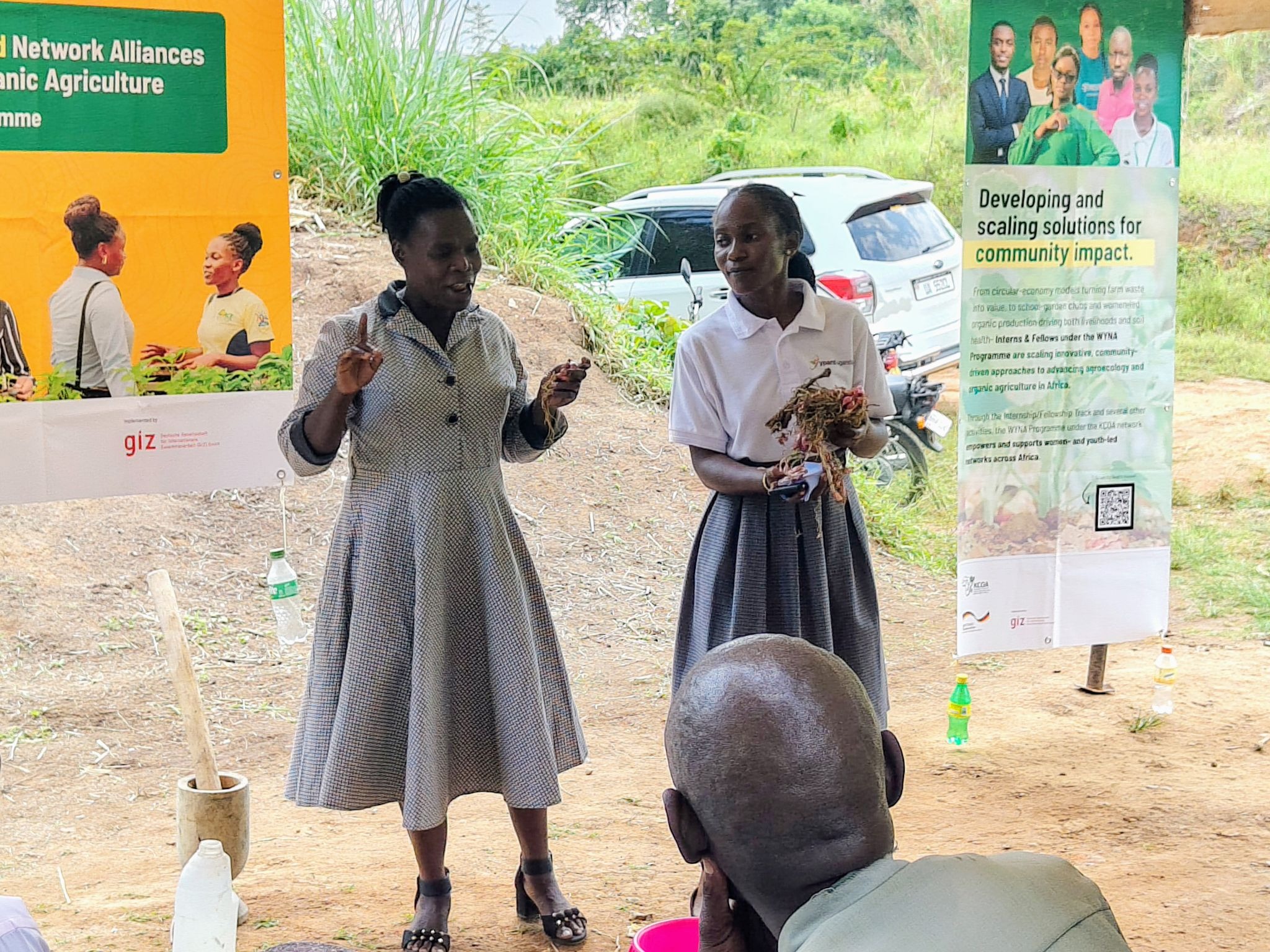
After the farm visit, Ms. Imelda facilitated a practical session on the preparation and use of organic pesticides as sustainable alternatives to synthetic chemical products. She explained the negative effects associated with the misuse and overreliance on synthetic pesticides, including risks to human health, environmental degradation, and declining biodiversity.
The session introduced participants to locally available materials that can be used in the preparation of organic pest management solutions and emphasized the importance of preventive and ecological approaches to pest control. Through practical demonstrations e.g participants were taken through a practical demonstration using a concoction of onions, Ash, chili/hot pepper, ginger, tobacco and garlic to make a pesticide against army worms.
Further discussions were held on different local materials for Organic pesticide production. Participants learned how organic pesticides can contribute to safer food production while reducing production costs and environmental impacts. The session generated significant interest among participants, many of whom expressed a desire to adopt the practices within their own farming systems but requested a follow-up session on the same.
In his closing remarks, Tumwebaze Joel who also serves as Faith’s supervisor in her fellowship at Teach for Uganda thanked all participants for their active participation and commitment throughout the campaign. He acknowledged the efforts of Nsiima Faith in organizing the activity and commended the collaborative support provided by YPARD through the WYNA Programme, and other stakeholders.
He emphasized the importance of translating the knowledge gained during the campaign into practical action within homes, schools, and farms. He encouraged participants to become ambassadors of Agroecology and Organic Agriculture within their communities by sharing lessons learned and promoting sustainable agricultural practices. He concluded by expressing optimism that the campaign would contribute to long-term improvements in food security, nutrition, environmental sustainability, and community wellbeing.
The campaign produced several important results:
Faith extends her Sincere appreciation to all participants who attended and contributed to the success of the campaign. Special thanks go to Tadeo Ajuna for generously hosting the demonstration farm, the extension officers for their technical guidance, colleagues at Teach For Uganda for their support, the WYNA team, especially mentor Tayo Oni, for their encouragement, and YPARD for investing in young women from rural communities through financial support, technical knowledge, and mentorship .
The Organic Agriculture and Agroecology Sensitization Campaign in Bukonda Village was a meaningful step toward building community awareness, practical knowledge, and local commitment to sustainable food systems. The event demonstrated the power of participatory learning, peer support, and demonstration-based approaches in promoting agroecology at grassroots level .
This campaign marks the beginning of a broader journey toward healthier communities, improved nutrition, and more resilient farming systems. Continued support and follow-up will be essential to sustain the momentum generated through this initiative .
Prepared by: Nsiima Faith (WYNA Fellow)
.png)
.png)