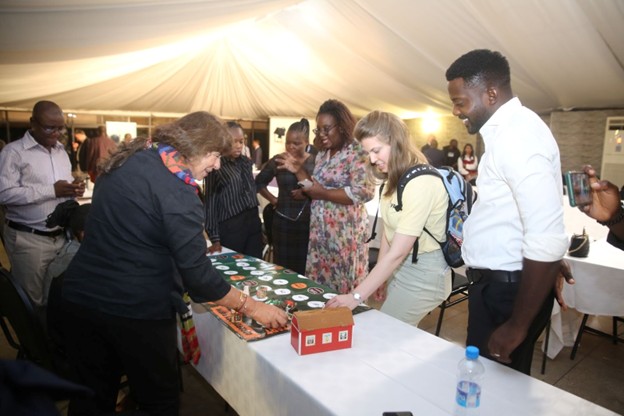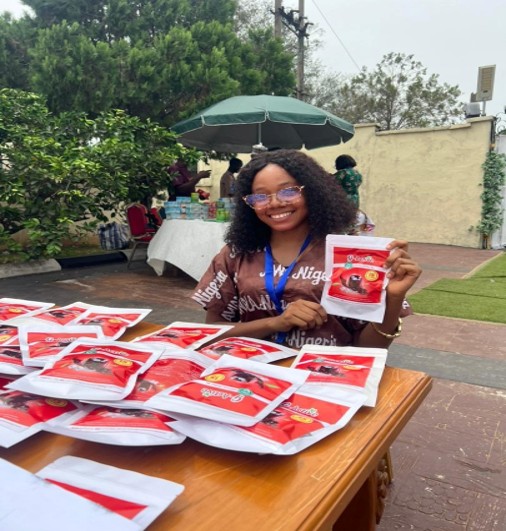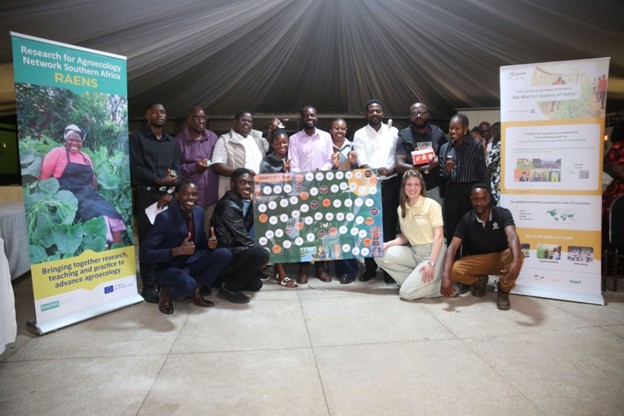

On 5th February 2026, at the M’kango Golfview Hotel in Lusaka, young professionals, researchers, educators, civil society leaders, and government representatives gathered for a networking and sharing event hosted by the Research for Agroecology Network Southern Africa (RAENS). This event was held to bring together research, teaching and practice to advance agroecology.
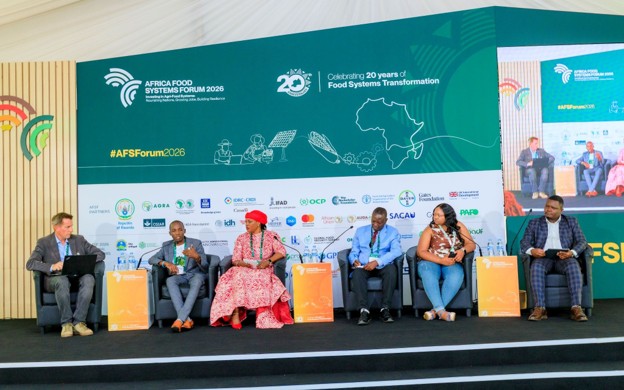
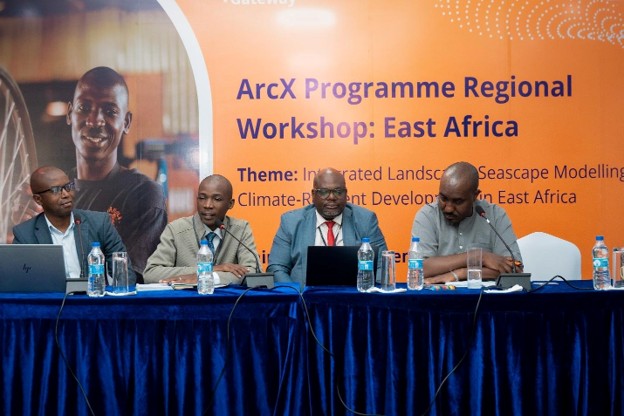
Through one of the panel discussions that was held during the event by experts in agroecology, it covered institutional training programmes, youth engagement, participatory plant breeding, and farmer-led research models. Panellists shared key lessons from their experiences, highlighting success factors in agroecology training, the integration of farmer knowledge into research, and approaches to making agricultural research more inclusive and participatory. Speaking on the panel were: Sussana Phiri- Country Representative of YPARD Zambia; Dr Ndashe Kapulu- Director of the Zambia Agricultural Research Institute (ZARI); Father Claus Recktenwald of the Kasisi Agricultural Training Centre (KATC); and Mr. Charles Nkhoma of the Community Technology Development Trust (CTDT).
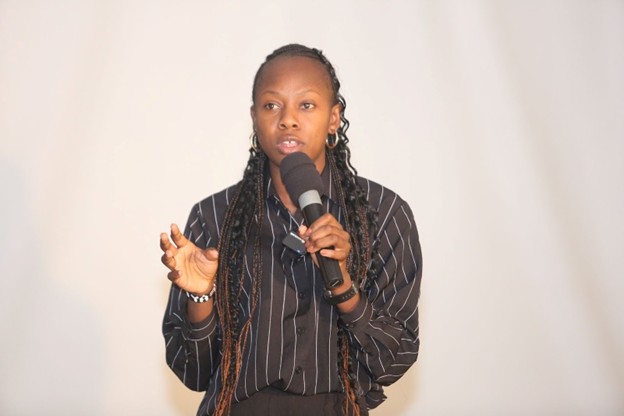
On the panel moderated by Sussana Phiri, the YPARD Zambia country Representative, spoke about her experience in advancing agroecology and leading a movement of young professionals in agrecology.
She shared the realities many young professionals are familiar with i.e: The preference of youth tokenism to true and meaningful partnership with youth in projects and programmes. Sussana pointed out that while making an effort to engage youth in initiatives, the tendency to just tick the box and report having worked with young people is rampant among stakeholders.
“Stakeholders prefer to practice tokenism when engaging youth. The tendency to tick the box on the checklist (KPIs) as opposed to taking a journey with youth and mentoring where necessary," Sussana noted.
She advised that in order to meaningfully engage the youth, it is important for the implementers of projects and initiatives to recognise youth as partners and mentor them for continuity of their projects. Sussana further pointed out the need for stakeholders to collaborate with youth-led networks such as YPARD to engage youth from a peer-to-peer learning perspective.
About her journey in agroecology, Sussana said: “ I started as an Entrepreneur for Rural Access for Access Agriculture in some rural communities in Zambia, where i used a smart projector to showcase farmer-to-farmer learning videos translated into local languages. I can never forget getting reflections from farmers after the video shows. I later received training from the Kasisi Agricultural Training Centre (KATC), which deepened my knowledge in agroecology.” Based on her experience, Sussana sees agroecology as one of the viable pathways for meaningful youth participation in the agri-food system and for driving innovation.
In conclusion, Sussana noted some key entry points for young people into Agroecology including but not limited to production of bio-pesticides and organic inputs, managing agroforestry nurseries, using digital tools to share knowledge- All these being innovative pathways that help overcome the common barrier of limited access to land for young people.”

On this panel,Dr Ndashe Kapulu, Director of the Zambia Agricultural Research Institute (ZARI), reminded participants that all research and development efforts are meant to be useful for the farmers. “Everything we do - the science we do, the papers we publish - will not have impact if it doesn’t have a human face.” - Dr. Ndashe Kapulu, Director, Zambia Agriculture Research Institute
In his view, that human face are the smallholder farmers, who happen to be the majority in Africa, yet often the most vulnerable to climate change and food insecurity. And in a sense, the need for this human face also reflects the need to pay attention to young agroecology entrepreneurs, as well as women in the sector.
In the spirit of partnership to build effective agroecology systems, Dr Kapulu emphasised collaboration over competition, firmly stating, “We are not here to compete, we are here to complement each other.” For YPARD members in the room, that message was profound as it signalled space - space for youth to be partners, not spectators.
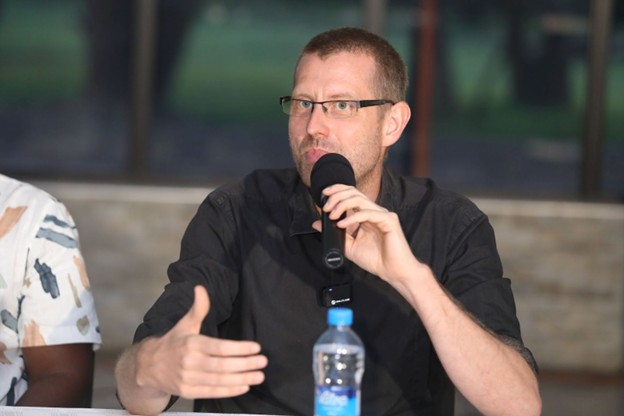
Father Claus Recktenwald of the Kasisi Agricultural Training Centre (KATC) reflected on agroecology education and training. He highlighted that KATC’s programmes are developed in partnership with the University of Zambia (UNZA), to ensure they combine classroom learning with field practice and collaboration. Instead of presenting Kasisi as a finished model, he stressed that “agroecology is a field of learning,” requiring constant reflection, curriculum review and openness to indigenous knowledge. For him, the strength of agroecology education lies in collaboration, humility and continuous learning. For young professionals, this means there is room to grow, experiment, and contribute.
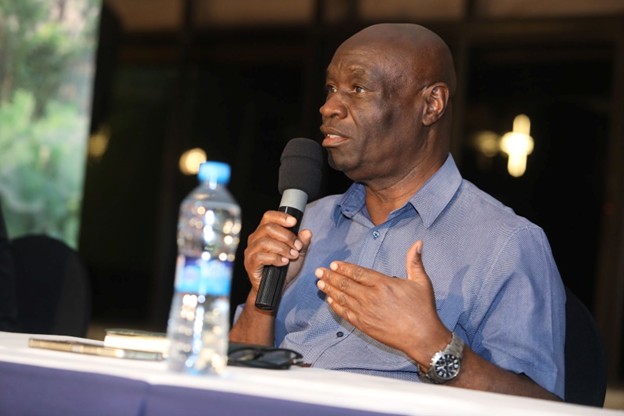
Representing the civil society, Mr. Charles Nkhoma of the Community Technology Development Trust (CTDT) shared his experiences from participatory plant breeding. Mr. Nkhoma shared insights from their participatory plant breeding work, where farmers and breeders collaborate to develop varieties that meet local market needs. He explained how farmers help define selection criteria, keep records, and participate actively in evaluation processes, ensuring that breeding responds to real-world conditions. In some cases, women farmers even set up cooking demonstrations alongside trial plots to assess taste and palatability, expanding evaluation beyond yield alone. For Mr. Nkhoma, the success of participatory breeding lies in farmer ownership, shared decision-making and recognizing farmers as co-researchers rather than beneficiaries.

Dr Frank Tchuwa of the Lilongwe University of Agriculture and Natural Resources (LUANAR) in his intervention described Farmer Research Networks as a model for making research more participatory and context-driven. He acknowledged that many past solutions failed because they did not reflect the realities in which farmers operate. Through organized farmer groups working alongside scientists and extension workers, research questions are jointly identified, experiments are co-designed, and results are analyzed collectively. However, he emphasized that such approaches require addressing power dynamics and recognizing that “all of us must learn” including researchers who must unlearn top-down practices.
In many ways, the evening took on the spirit of a YPARD Café - less a formal event and more a shared space for dialogue. Young professionals were not seated at the margins but at the centre of the conversation. Questions were candid, reflections were honest, and senior leaders listened as much as they spoke. This served as a reminder that when youth convene, the atmosphere shifts from presentation to participation.