
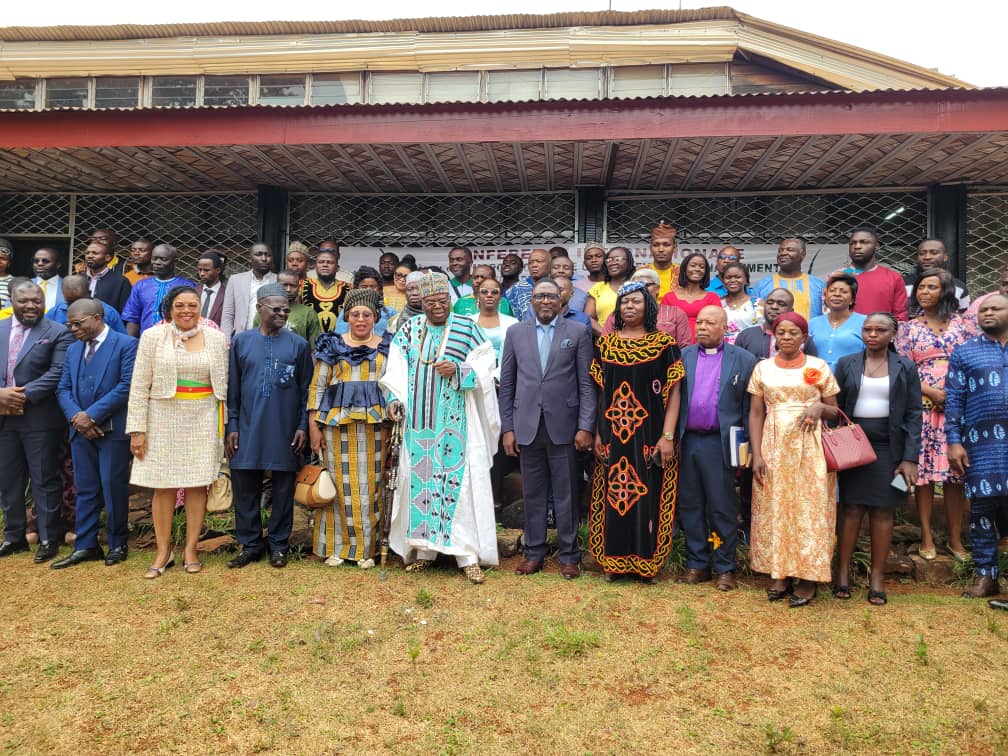

At a time when climate change continues to intensify pressures on Africa’s agrifood systems, innovative and inclusive financing mechanisms are becoming increasingly critical for accelerating sustainable development across the continent. Carbon markets are emerging as one of the most promising tools for mobilizing climate finance, supporting agroecological transitions, and creating new economic opportunities particularly for youth and women who remain central to Africa’s agricultural transformation. However, unlocking the full potential of carbon markets requires stronger institutional collaboration, technical capacity, and inclusive participation of local actors. Against this backdrop, from 24–26 February 2026, the Centre Polyvalent de Formation de Mbouo-Bandjoun hosted a high-level international conference on “The Carbon Market as a Lever for Financing Sustainable Development in Africa.” The conference was organized under the high patronage of the Conseil Économique et Social du Cameroun, together with Partners YPARD, AGSN and PELUM Kenya bringing together policymakers, agricultural training institutions, climate experts, researchers, youth networks, private sector actors, and development partners from across Africa and Europe.
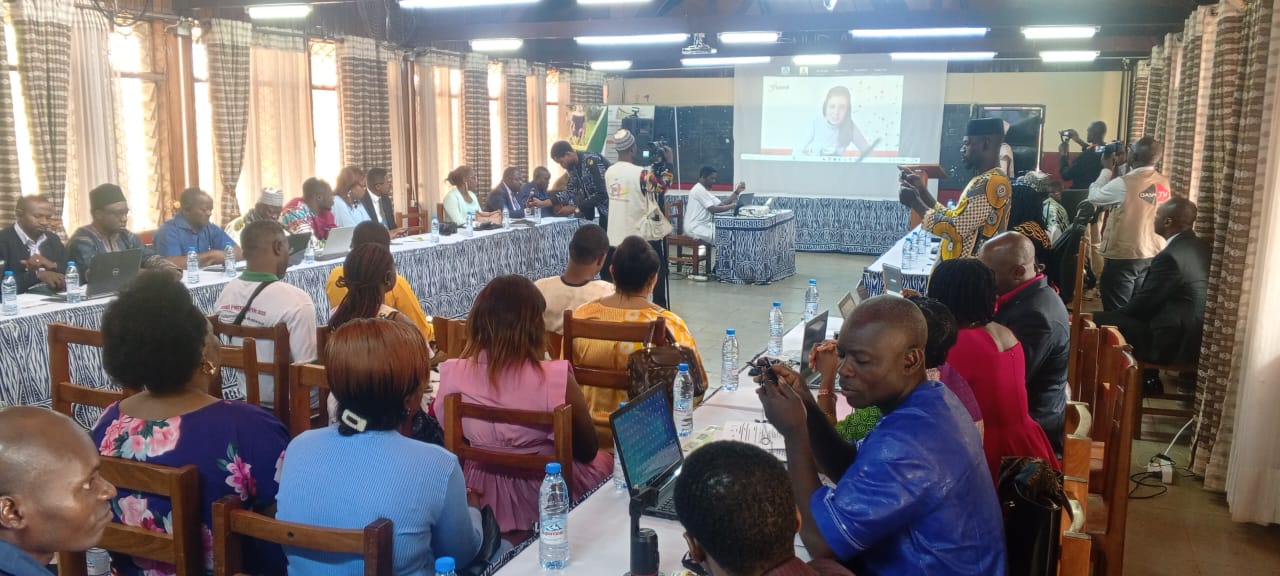
With participation from more than 160 stakeholders representing Germany, Kenya, Uganda, Ethiopia, Togo, Burkina Faso, Côte d’Ivoire, Malawi, Ghana, Nigeria, and Cameroon, the conference created a strategic multi-stakeholder platform for knowledge exchange and partnership building. Discussions focused on how carbon financing mechanisms can support climate-resilient agriculture, strengthen agroecological production systems, enhance rural livelihoods, and promote inclusive green growth across Africa.
The conference also emphasized the critical role of youth leadership and capacity development in advancing climate solutions. This aligns strongly with the mission of Young Professionals for Agricultural Development (YPARD), which continues to champion youth engagement in sustainable agrifood systems through knowledge sharing, policy advocacy, and professional development platforms. By linking carbon markets to agroecology, vocational training, and youth entrepreneurship, the conference positioned young professionals not only as beneficiaries of climate finance but as key drivers of innovation and systems transformation. Through technical sessions, policy dialogues, and field-based learning, the conference explored practical pathways for integrating carbon sequestration practices into agricultural production while strengthening institutional frameworks and regional collaboration. The outcomes highlighted the urgent need to bridge global climate financing opportunities with locally driven solutions that empower communities, scale agroecological practices, and support sustainable development across the continent.
The conference opened with strong institutional representation, featuring remarks from the leadership of the Centre Polyvalent de Formation de Mbouo-Bandjoun, WYNA Consortium partners, and local authorities, reaffirming the critical importance of collaborative action in addressing climate and Agricultural challenges across the region. In his keynote address, the President of the Conseil Économique et Social du Cameroun underscored the institutional significance of the conference, highlighting three central priorities: ie, strengthening recognition of vocational agricultural training, supporting pathways for agroecological transition, and fostering strategic dialogue on climate financing mechanisms. The opening technical presentation on climate change and sustainable systems in Cameroon provided a compelling overview of the environmental pressures facing agricultural systems. It emphasized the urgent need for systemic transformation towards resilient and sustainable production models. Notably, the conference ensured inclusivity and accessibility by operating in both English and French, with translations available throughout the sessions to facilitate full participation of all attendees.
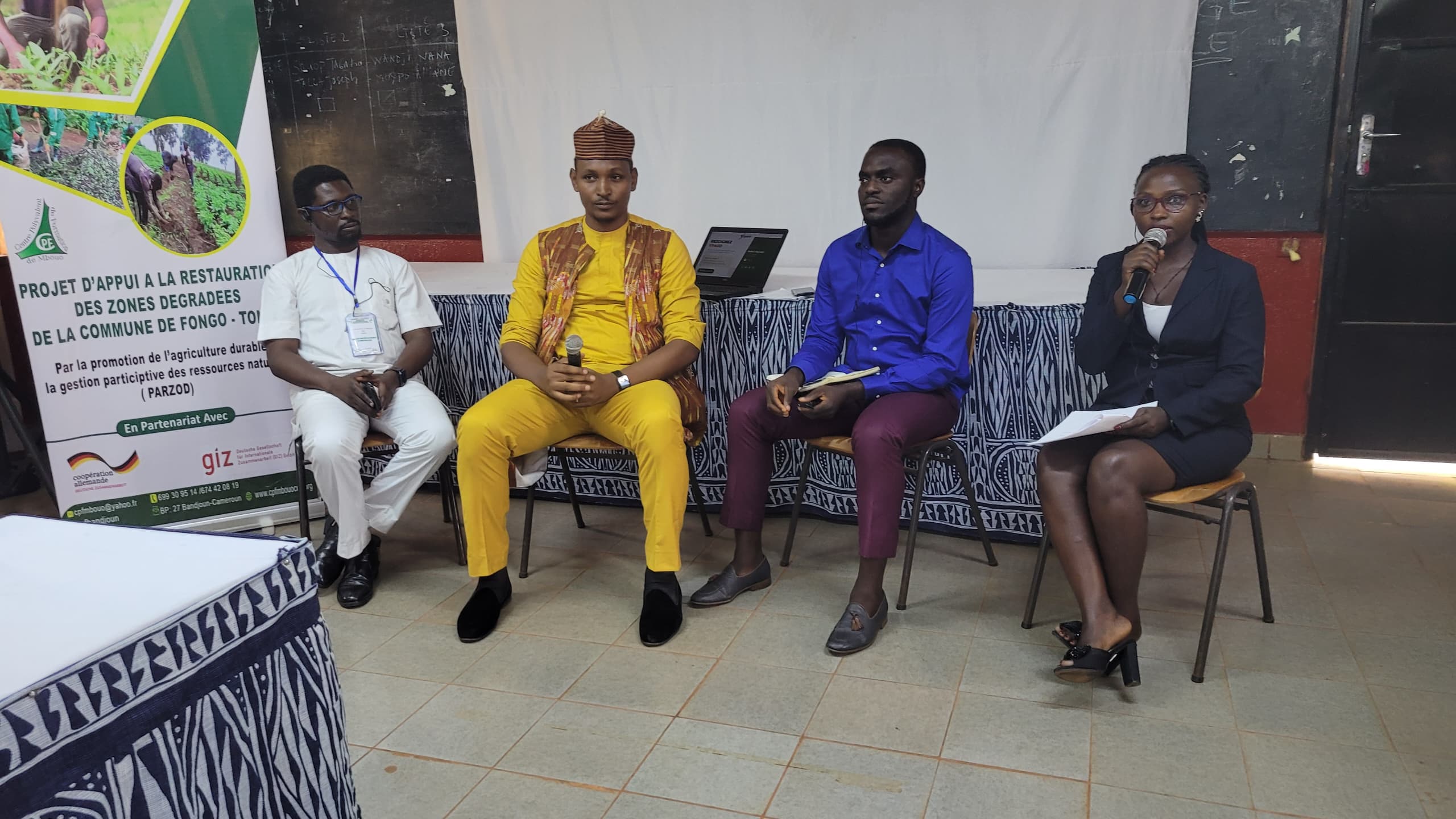
The first series of technical panels provided a dynamic platform for exploring the intersection of agroecology, vocational training, and inclusive development, with a strong emphasis on strengthening youth capacity across sustainable agrifood
systems. Discussions underscored the pivotal role of training institutions in equipping young professionals with the technical expertise and entrepreneurial skills required to implement carbon sequestration practices and build resilient agribusiness models. Particular attention was given to Panel 2 on the Women and Youth-led Network Alliances for Agroecology and Organic Agriculture (WYNA) Programme, moderated by Ednah Kukundakwe, Communications and Networking Coordinator at Young Professionals for Agricultural Development (YPARD). The session highlighted how the programme is advancing leadership development and enterprise opportunities for youth and women across agroecological value chains. During the panel, Tabe Brandon, a WYNA Fellow, shared his practical experience through the Community Solutions Project, noting that “I have been able to support schools through my Kids4Agroecology initiative that tackles malnutrition among school going children,” demonstrating the direct community impact of youth-led agroecological action.
Complementing these insights, were contributions by Patrick Kom from CPF about the Knowledge Centre for Organic Agriculture in Africa (KCOA) digital platform. He emphasized the importance of accessible knowledge platforms in scaling agroecological innovations across Africa and took participants through a practical session on how to utilize the platform. Across the discussions, a strong consensus emerged, sustainable development on the continent requires equitable access to knowledge, inclusive participation in agricultural value chains, and sustained investment in youth and women’s technical capacity. The day concluded with a technical session on carbon stock assessment methodologies, reinforcing the critical role of data-driven approaches in measuring and strengthening climate impacts within agricultural systems.
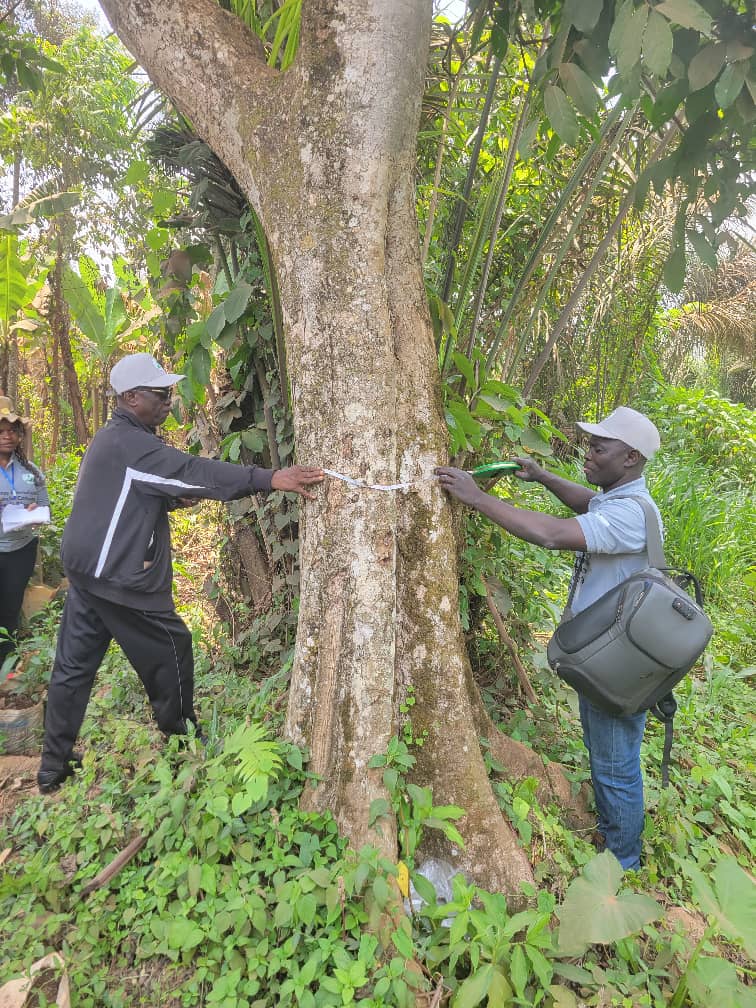
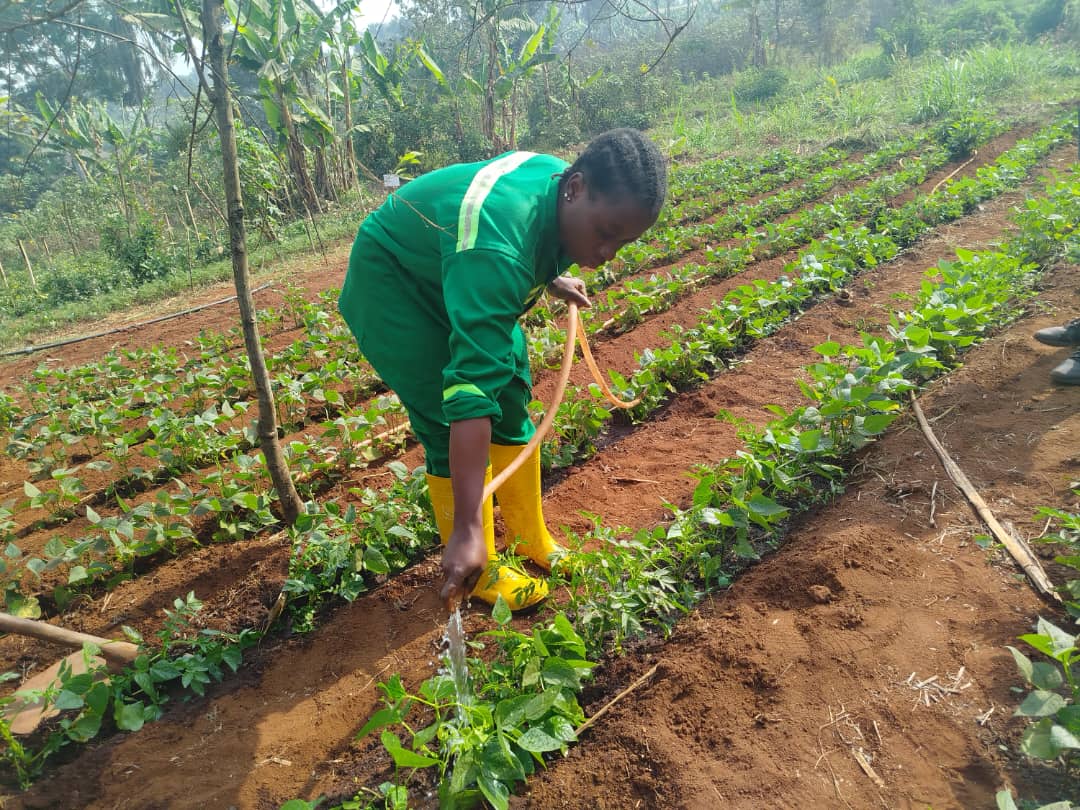
The second day transitioned from dialogue to practice through immersive field visits to different agroecological production sites, including demonstration farms and youth-led agricultural enterprises. Participants observed integrated crop and livestock systems, soil conservation practices, and climate-smart innovations that directly contribute to carbon sequestration. The field experience underscored the importance of hands-on learning and demonstrated how locally adapted agroecological solutions can simultaneously deliver environmental and economic benefits. Participants highlighted the need to strengthen technical documentation, improve irrigation systems, adopt integrated agricultural approaches, and expand partnerships to support sustainable production systems. The diversity of practices observed reinforced the essential role of local actors especially youth and smallholder entrepreneurs in implementing climate solutions on the ground.
The third day focused on the evolving carbon market landscape and its potential to finance sustainable agriculture in Africa. Through expert-led roundtables, participants explored tools and strategies for carbon credit financing, land tenure considerations, and institutional frameworks necessary to operationalize carbon projects. Practical insights from the Fonds de Développement des Filières Cacao et Café (FODECC) demonstrated how targeted financing mechanisms can accelerate agroecological transitions while supporting farmer livelihoods. Further discussions examined the need for an African-centered approach to community carbon standards, with contributions from representatives of the GREENING AFRICA Together (GATo) highlighting innovative funding models and institutional collaboration strategies that support renewable energy and sustainable rural development.
These sessions emphasized the growing importance of aligning climate finance mechanisms with locally driven agricultural systems and inclusive youth participation.
The conference concluded with strategic group discussions focusing on networking, partnership development, and policy engagement in collaboration with the African Green Store Network (AGSN). Participants emphasized the need to:
A strong consensus emerged: partnerships and youth leadership are fundamental to scaling sustainable agrifood systems across Africa.
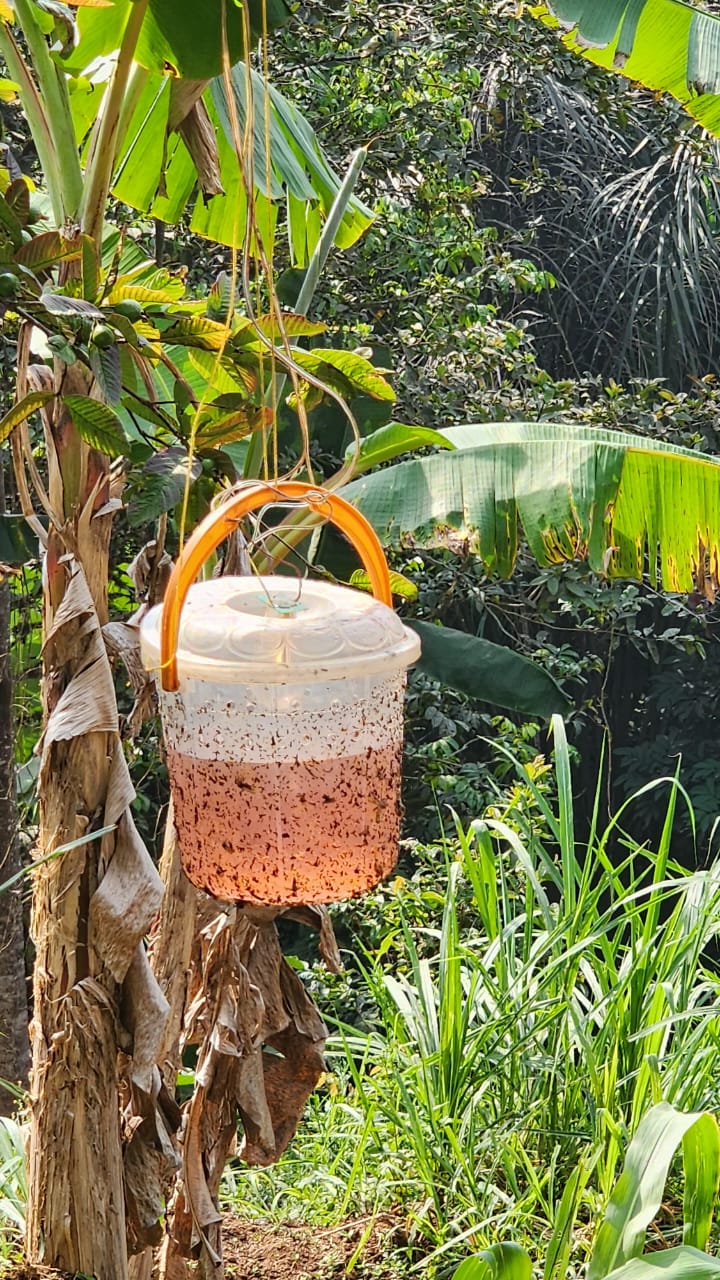
The conference reaffirmed that carbon markets offer a transformative opportunity to mobilize resources for sustainable agriculture while creating employment pathways for young people. By linking vocational training, agroecology, and climate finance, the event presented a clear roadmap for accelerating inclusive, resilient, and youth-driven agrifood systems across the continent.
For Young Professionals for Agricultural Development (YPARD), AGSN and PELUM Kenya the outcomes reinforced a strategic mandate: empowering young professionals with knowledge, platforms, and partnerships is central to shaping Africa’s climate-resilient agricultural future. The bilingual format of the conference further highlighted the importance of accessible, inclusive dialogue for fostering pan-African collaboration and knowledge exchange.

.jpg)