

The African Youth Position Statement on the Future of Africa's Agrifood Systems did not begin in a conference room. It began with conversations across countries, disciplines and generations. At the 9th Africa Agriculture Science Week (AASW9) in Abuja, Nigeria, those conversations reached an important milestone as young leaders, researchers and development partners gathered to validate a shared continental vision for the future of Africa's agrifood systems.
Organised by the Young Professionals for Agricultural Development (YPARD) and the Forum for Agricultural Research in Africa (FARA), the side event "African Youth Position Statement on the Future of Africa's Agrifood Systems: From Consultation to Commitment" served as the final validation forum for the Position Statement- a document developed through weeks of dialogue involving young researchers, farmers, entrepreneurs, students and development practitioners from across the continent. The session brought together youth leaders, researchers, policymakers and development partners to review the Position Statement, reflect on practical examples of meaningful youth engagement, and explore how institutions can move beyond consultation towards lasting commitment.
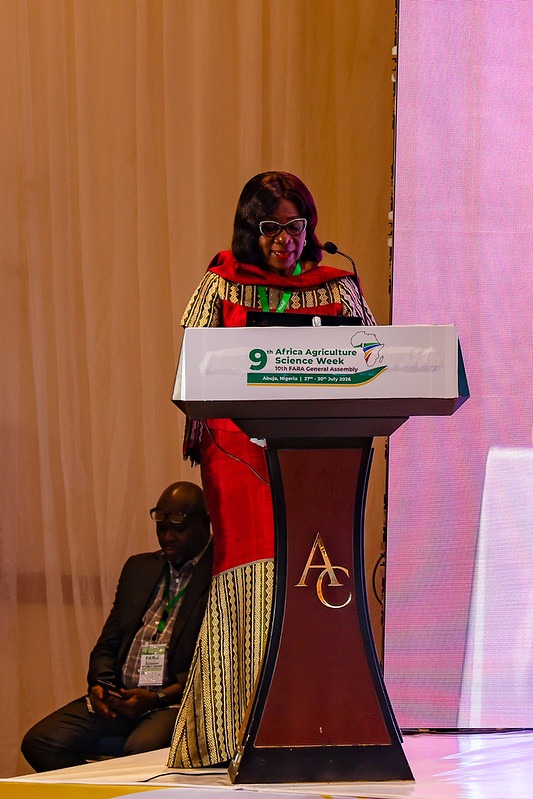
Opening the session, Dr. Irene Annor-Frempong, Coordinator of the Consortium Europe-Africa on Research and Innovation for Food Systems Transformation (CEA-FIRST), challenged participants to think beyond representation. She emphasised that meaningful youth and gender inclusion requires institutional change, where young people contribute not only as participants but also as partners in research, innovation, governance and decision-making.
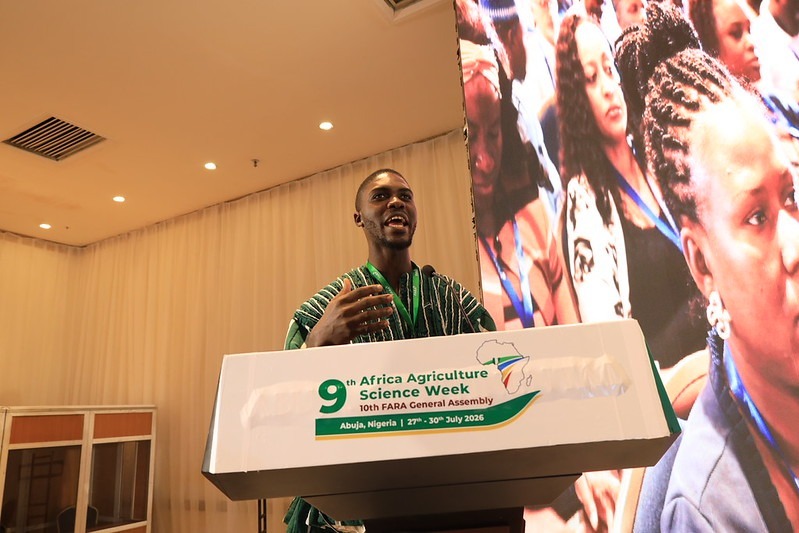
Presenting the draft Position Statement, Kofi Kisiedu Acquaye, Africa Regional Coordinator of YPARD, traced its journey from the AASW Youth Conversations to the validation forum. Developed through virtual consultations, expert presentations, live polls and collaborative discussions, the document reflects a shared vision of an Africa where young women and men are recognised, empowered and supported as equal partners in building resilient, inclusive, innovative and sustainable agrifood systems. He also highlighted key priorities emerging from the consultations, including investing in youth leadership beyond finance, recognising young people as equal partners in transformation, strengthening collaboration across sectors, promoting innovation, supporting youth entrepreneurship, and adopting integrated approaches that connect climate resilience, sustainability, nutrition and inclusive development.
The event also demonstrated that this vision is already taking shape. Selestine Focus Mushi shared how the Research for Agroecology Network Southern Africa (RAENS) is empowering young people through participatory research, school demonstration gardens and community partnerships in Tanzania. Dr. Norotiana Rasambo highlighted how regional collaboration is strengthening youth engagement in agroecology across Southern Africa, while Dr. Tshilidzi Madzivhandila showcased FANRPAN's governance model as an example of embedding youth and gender inclusion within institutional leadership.
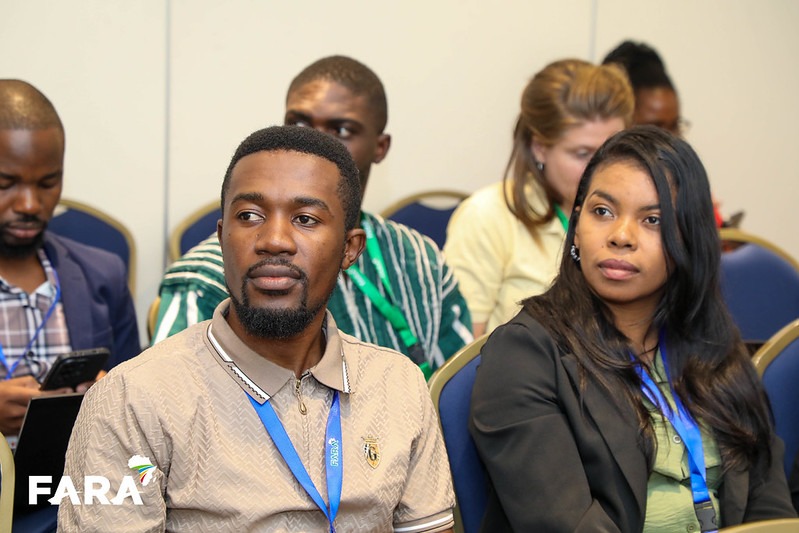
The validation process confirmed broad consensus around the African Youth Position Statement, with participants affirming its vision and recommendations while offering constructive inputs to strengthen the final document before its submission to the 10th FARA General Assembly.
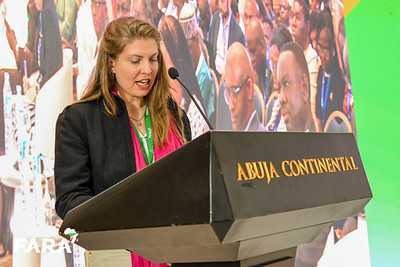
The session also reinforced the objectives of the Gender and Youth Engagement Pledge Campaign, which had been launched during the AASW opening plenary. Introduced by Genna Tesdall, Director of YPARD, the campaign encourages institutions to translate their support for youth and gender inclusion into practical, measurable commitments that strengthen participation, leadership and accountability across Africa's agrifood research and innovation landscape.
Together, the validated Position Statement and the Gender and Youth Engagement Pledge Campaign represent two complementary milestones: one articulates the collective aspirations and recommendations of African youth, while the other provides a practical mechanism for institutions to turn those aspirations into action.
The conversations have taken place. The vision has been validated. The next step is for all stakeholders to transform commitment into meaningful action for Africa's agrifood systems.
.png)