
Climate change continues to threaten agricultural production and rural livelihoods, with floods, droughts, unpredictable weather patterns, pests and post-harvest losses placing increasing pressure on farming communities. Smallholder farmers growing staple crops such as rice, maize, soybeans, cassava and groundnuts are particularly vulnerable, often lacking access to the resources, technologies and institutional financing needed to prepare for and recover from these shocks. mAddressing these challenges requires more than introducing improved farming techniques. Farmers need practical knowledge, access to climate-smart technologies, stronger collective structures and the capacity to attract funding and build sustainable partnerships.
The Reducing the Risk of Crop Losses Due to Climate Shocks initiative seeks to address these needs by equipping rural farmers with the knowledge, tools and organizational skills required to adapt to climate change, reduce agricultural losses and strengthen their livelihoods. The initiative combines practical training in climate-smart agriculture with guidance on accessing funding opportunities, forming farmer clusters and cooperatives, adopting appropriate technologies and building partnerships with government institutions, non-governmental organizations (NGOs), civil society organizations (CSOs) and other agricultural stakeholders.
Access to agricultural funding can be challenging for individual smallholder farmers, particularly those operating informally or without documented production records. Many funding institutions require evidence of accountability, clear governance structures, measurable results and the capacity to implement projects effectively. The first session focused on preparing farmers and their communities to become organized, credible and investment-ready.
Farmers were encouraged to organize themselves into formal cooperatives, community-based organizations and value-chain groups. Collective organization can help farmers pool resources, access extension services, negotiate better market opportunities and apply for funding as a group. Participants explored the importance of establishing transparent governance systems, electing accountable leaders, maintaining accurate financial and operational records, holding regular meetings and meeting relevant registration requirements. Where required, dedicated group bank accounts can also strengthen financial accountability. Well-organized farmer groups are better positioned to demonstrate their readiness to manage resources and implement community-level adaptation projects.
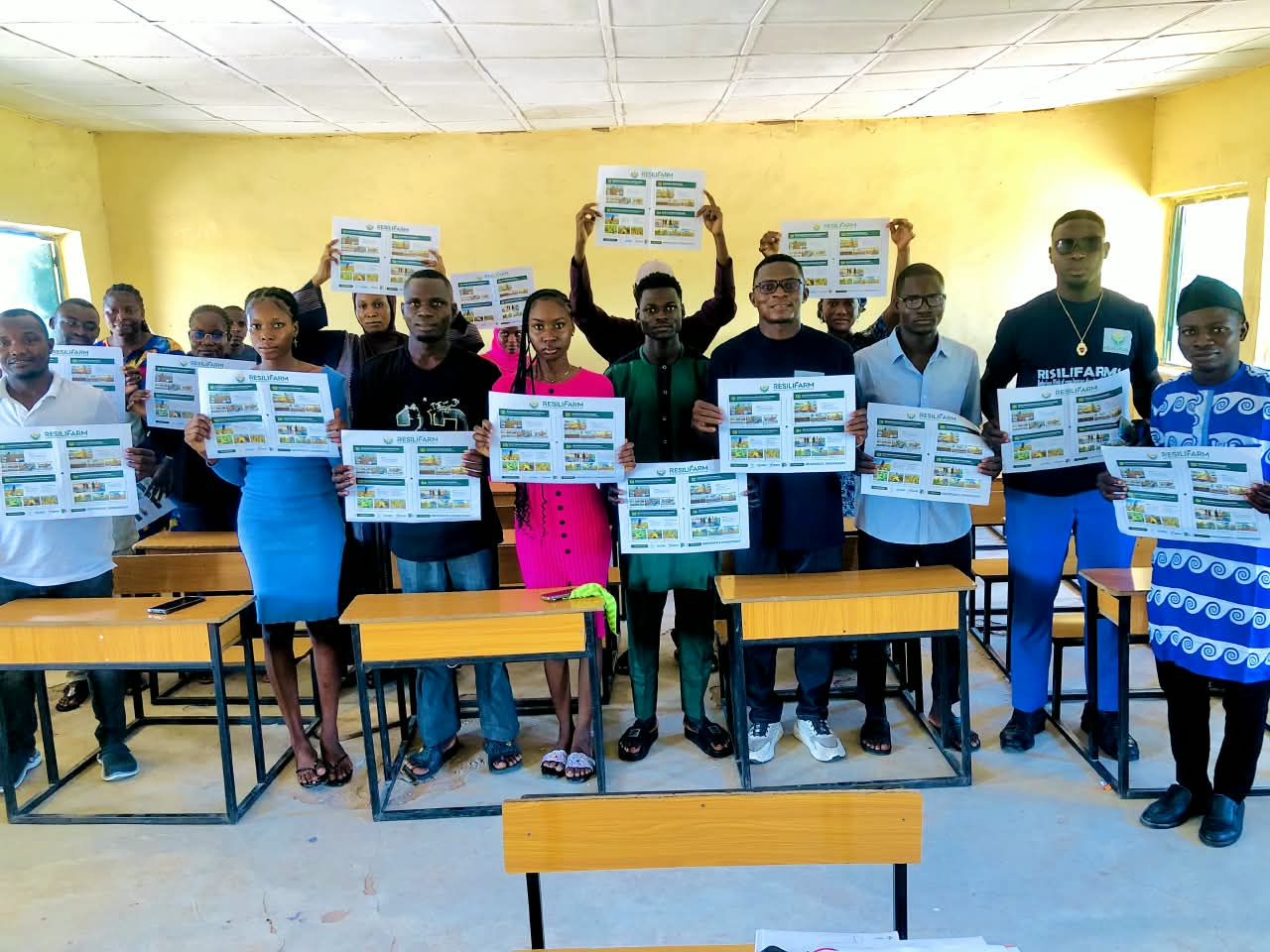
Farmers were introduced to practical approaches for addressing specific climate-related risks.
Participants also learned the importance of recording measurable results, including the area planted with improved varieties, quantities of produce saved, crop losses reduced and the number of farmers adopting new practices. Such evidence can help farming groups demonstrate the value of their interventions to potential funders and partners.

Timely information can help farmers make better decisions in the face of unpredictable weather. Participants explored the importance of accessing localized weather forecasts, early-warning information and digital agricultural extension services to guide planting, irrigation, pest management and harvesting decisions. Maintaining reliable digital records of production, farm activities and adaptation outcomes can also improve traceability, strengthen accountability and demonstrate a group's readiness to expand its activities.
A key lesson was that successful funding applications must clearly connect community needs with the objectives of potential funding institutions. Government programmes and development partners may prioritize food security, agricultural productivity, climate resilience, and the economic empowerment of women and young people. NGOs, CSOs and climate-focused funding mechanisms may place greater emphasis on community-led adaptation, biodiversity conservation, sustainable livelihoods and green innovations. Farmers were encouraged to develop proposals that respond to specific local challenges while demonstrating clear objectives, realistic budgets, measurable outcomes and long-term sustainability. Opportunities may also arise from initiatives that transform agricultural waste, such as maize stalks and cassava peelings, into useful products or renewable energy, where technically and economically viable.
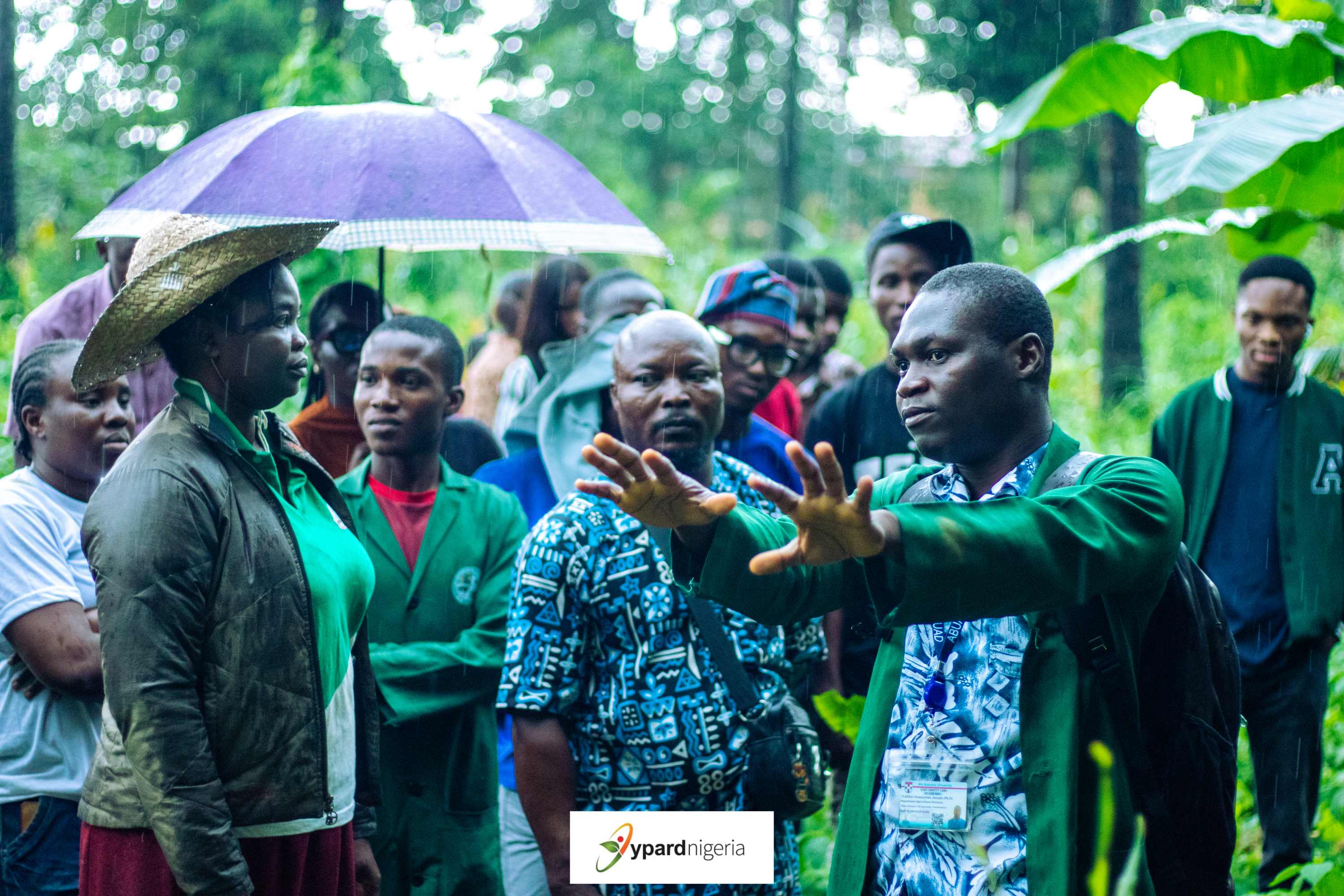
Accessing funding requires more than a good idea. Farmer groups must be prepared to implement projects and demonstrate responsible resource management. The session highlighted the importance of maintaining relevant registration documents, legal records and operational permits where applicable. Participants were also encouraged to build partnerships with agricultural extension workers, researchers, local authorities and development organizations that can provide technical support, mentorship and implementation capacity. These partnerships can strengthen proposals, improve project design and increase opportunities for sustainable implementation.
The second session focused on climate-smart agricultural techniques that can help farmers reduce crop losses, improve productivity and strengthen resilience to changing climatic conditions. Climate-smart agriculture combines approaches that support sustainable production, help farmers adapt to climate change and, where possible, reduce greenhouse gas emissions. Practical techniques discussed included improved seed selection, soil-moisture conservation, appropriate land management, sustainable pest management and post-harvest handling. The emphasis was on selecting methods that respond to local farming conditions, available resources and the specific climate risks faced by each community. By understanding and applying these techniques, farmers can make informed decisions that protect their crops, conserve natural resources and improve the stability of their agricultural livelihoods.

Beyond the training sessions, the initiative seeks to develop ambassadors who can share knowledge and encourage the adoption of climate-smart practices within their communities.
Participants were introduced to opportunities for continued engagement through five key areas:
The ambassador approach recognizes that community members can play an important role in spreading agricultural knowledge. Farmers who understand and demonstrate these practices can help others learn from practical examples and adapt solutions to their own circumstances.
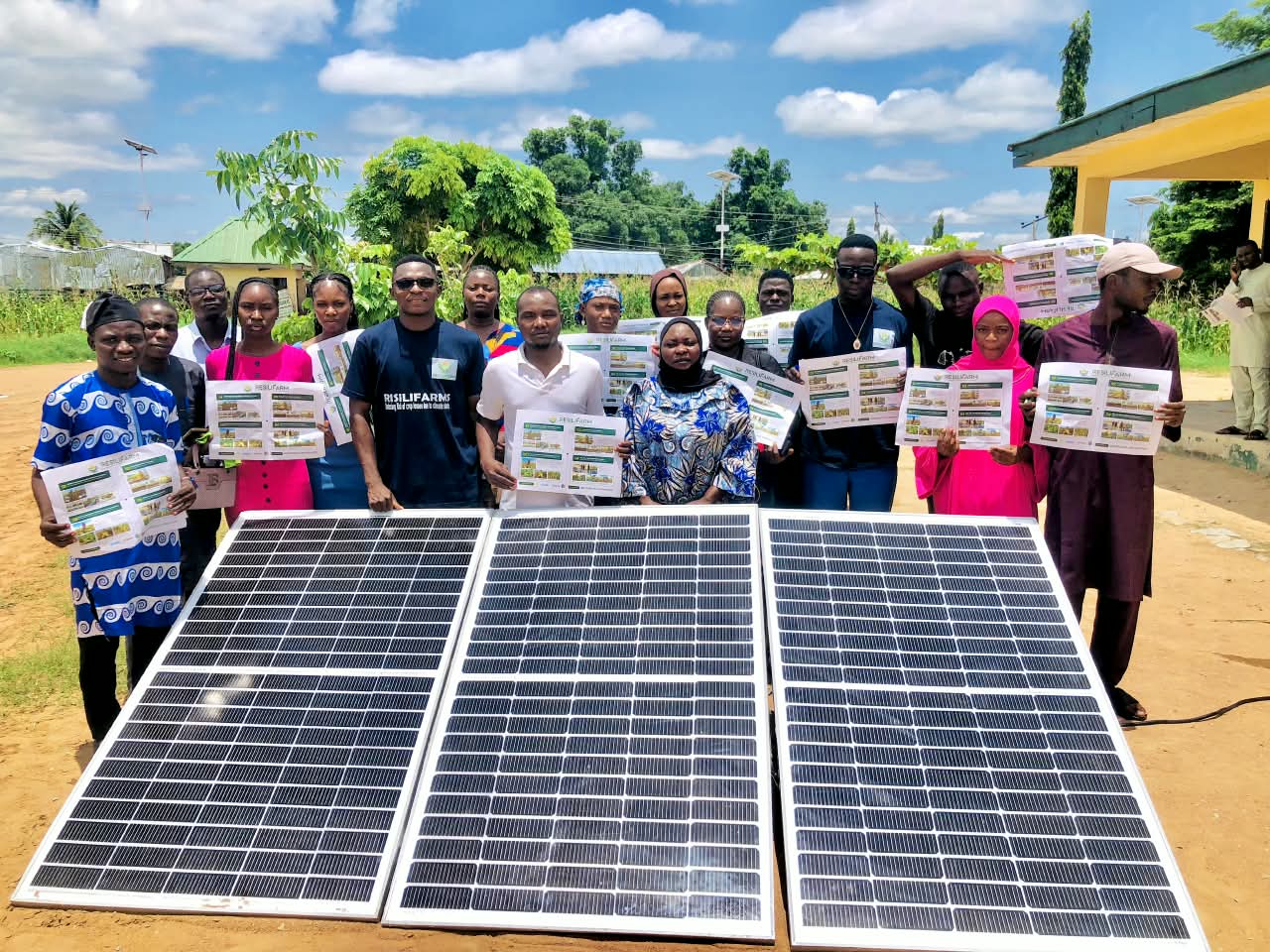
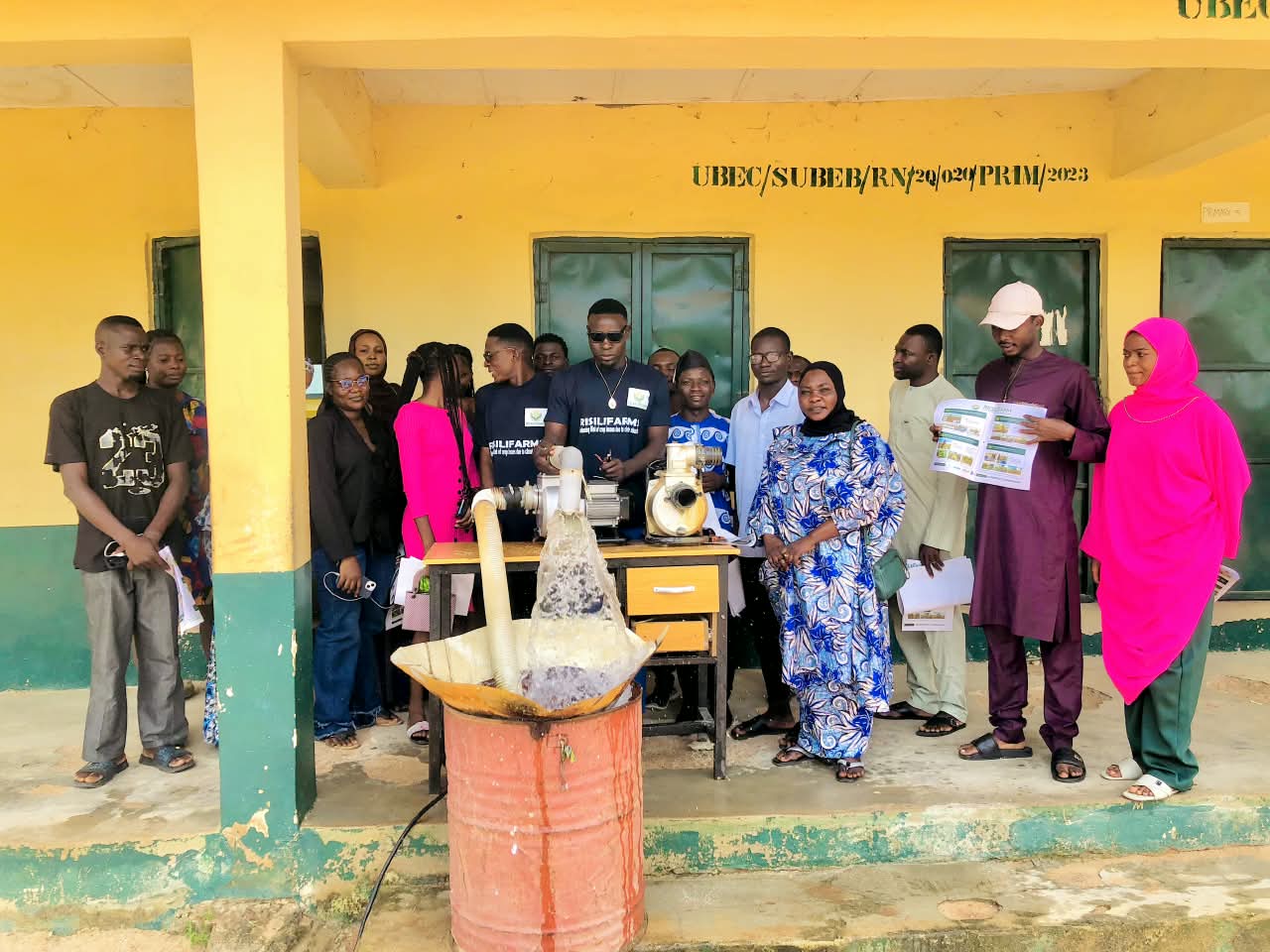
The fourth session featured a practical demonstration on connecting solar power panels, introducing participants to the potential of solar energy in agricultural activities. Solar-powered technologies can support productive and more energy-efficient farming systems, depending on the equipment and local context. Potential applications include irrigation, lighting, produce drying and other farm operations. The demonstration provided an opportunity for participants to engage with renewable-energy technology and understand its possible contribution to agricultural productivity and resilience. Any installation or connection of solar equipment should follow manufacturer instructions and appropriate electrical safety standards.
The final session provided an opportunity for participants to reflect on their learning, identify practical next steps and express their willingness to apply the knowledge gained.
Participants were invited to respond to four guiding questions:
These questions helped connect the training experience with practical action. They also provided an opportunity to understand participants' priorities, implementation plans and readiness to share their learning with other farmers. The next critical step is translating these commitments into practice through continued learning, field demonstrations, peer-to-peer knowledge exchange and follow-up support.
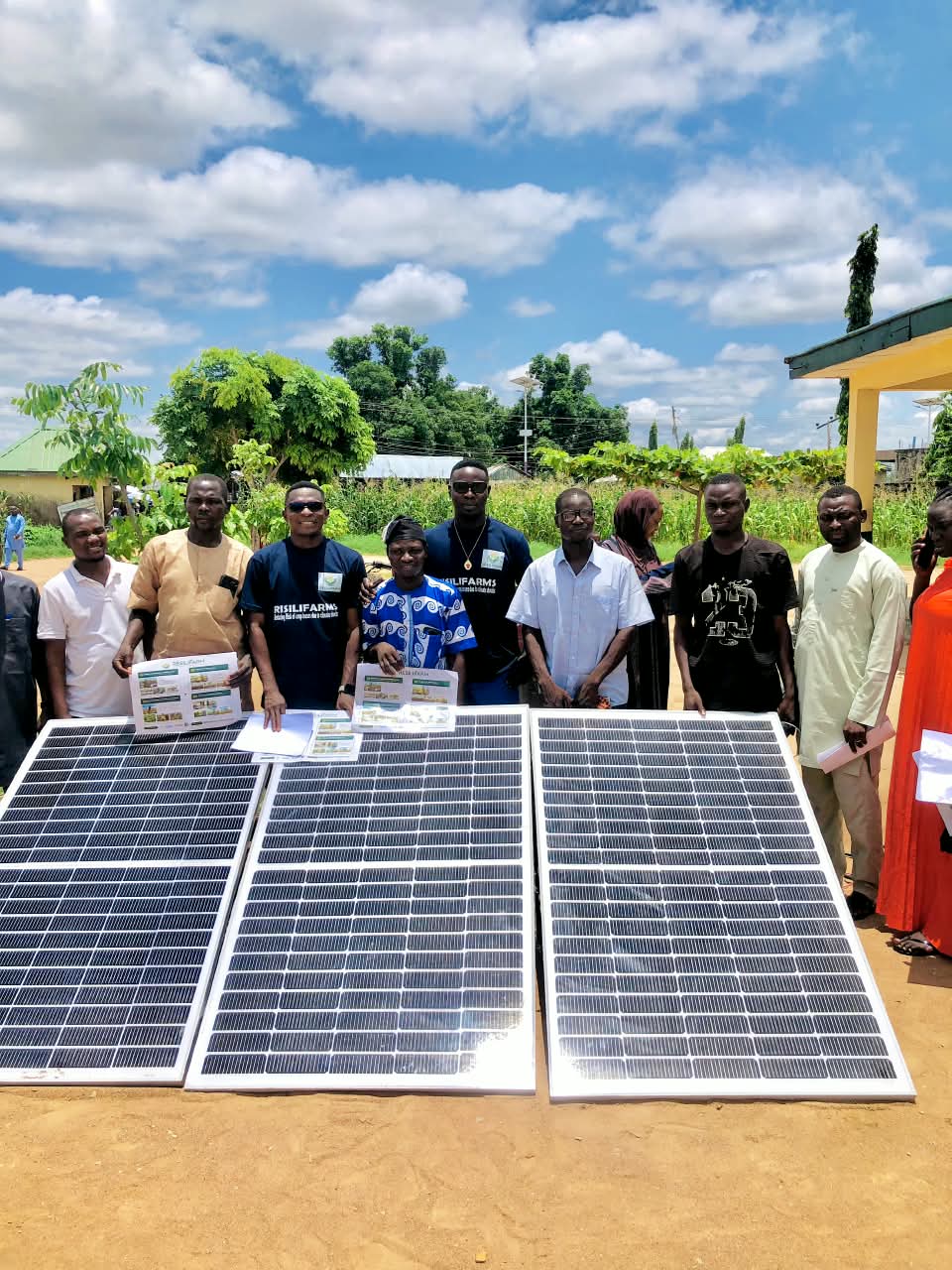
The initiative's long-term goal is to empower 10,000 rural farmers by 2030, strengthening their ability to adapt to climate shocks and build more resilient agricultural livelihoods. Achieving this ambition requires collaboration with rural farming communities, farmer clusters, cooperatives, agricultural extension services, government institutions, NGOs, CSOs and other development partners. By combining practical climate-smart techniques with stronger farmer organizations, digital information, access to appropriate technologies and improved funding readiness, the initiative aims to help communities move from responding to agricultural losses towards preparing for and managing climate risks. Its success will depend not only on the number of farmers reached but also on the adoption of improved practices, the reduction of avoidable crop losses, stronger farmer organizations and the sustainability of the solutions introduced.
The vision is clear: empower 10,000 rural farmers by 2030 to anticipate climate risks, reduce crop losses and build more resilient communities through climate-smart agriculture and collective action.