.png)

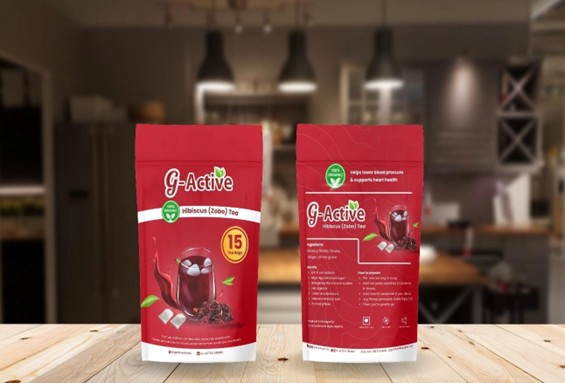
Ezeofor Goodness is the founder of G-ACTIVE DRINKS, a natural beverage brand born at the intersection of nature, nutrition, and community empowerment. As a trained forester with a deep appreciation for plant resources and sustainable land use, she saw an opportunity to transform underutilized natural crops into healthy, income-generating products. This vision led to the creation of organic hibiscus (zobo) and tigernut drinks that promote wellness while supporting local value chains. Starting the business with limited capital but a strong purpose, Ezeofor focused on quality, food safety, and sustainability. As of now, G-ACTIVE DRINKS has grown into a registered and licensed enterprise with NAFDAC and CAC certifications, reaching to other consumers beyond her immediate community members. Beyond beverages, the brand creates dignified livelihoods for youths and women involved in sourcing, processing, and packaging of the natuezel products.

Ezeofor’s academic background in forestry has been a cornerstone of her journey, helping her see hibiscus not just as a drink ingredient but as a crop with economic, ecological, and social potential. This perspective inspired her YPARD community solution project, “Empowering Youths and Women through Organic Hibiscus Farming,” which promotes organic cultivation, improves production practices, and links youth and female farmers to reliable markets and value addition opportunities. Over the past months as a WYNA fellow, the experience has been transformative: from the mentorship, peer to peer learning, and insights into agribusiness development, advocacy, and youth inclusion in food systems Looking ahead, "I am committed to expanding G-ACTIVE DRINKS and building resilient, inclusive value chains where youths and women are not just participants, but leaders shaping sustainable, innovative, and equitable food systems" Eze commented
In many farming communities around Ikorodu, smallholder producers rely heavily on chemical fertilizers and pesticides. While these inputs promise quick yields, they often lead to long-term soil degradation, declining crop quality, environmental pollution, and health risks. At the same time, young people and women are eager to engage in agriculture, regardless of the persistent barriers such as limited access to land, lack of technical training, and unreliable markets for their produce. Goodness’s WYNA Community Solutions project responds to these challenges with a practical farm-centered solutions. Through hands-on training, participants learn organic hibiscus production techniques including compost making, mulching, soil regeneration, and natural pest management. These practices are paired with basic agribusiness and quality control skills, ensuring that participants not only grow sustainably but also understand market requirements.
Ezeofer's community solutions project uses a unique "farm-to-bottle approach" which directly links regenerative production to local processing and markets. Fifty direct participants, primarily youth and women, are trained to produce high-quality organic hibiscus that meets the needs of beverage processors like G-ACTIVE Drinks. This integrated model ensures that value remains within the community rather than being lost through the sale of low-priced raw materials. Beyond direct income opportunities, the wider community benefits from restored soil fertility, safer food systems, and increased awareness of organic and climate-resilient farming practices. By connecting farmers to processors and buyers, the project demonstrates how agroecology and entrepreneurship can reinforce each other.
The WYNA Fellowship Programme builds on Goodness’s existing enterprise to reach out to more women and youth in the communities that the enterprise operates. Her sustainability strategy includes establishing demonstration farms and training hubs across Lagos State, forming partnerships with agricultural extension

services, NGOs, and private-sector buyers, in addition to reinvesting a portion of G-ACTIVE Drinks’ revenue for it's expansion. These efforts align closely with the WYNA Programme’s objective of supporting youth- and women-led, self-sustaining agroecological solutions that can be replicated beyond a single community.
At its core, Empowering Youths through Hibiscus Organic Farming champions key agroecological principles like biodiversity, soil health, local knowledge, and reduced dependence on synthetic inputs. By observing the above, organic hibiscus farming can produce market-ready and high-quality raw materials which directly contributes to community development and sustainability. Furthermore, the project challenges the perception that agroecology is unprofitable. Instead, it presents agroecology as a climate-resilient, economically viable livelihood, capable of supporting enterprise growth while protecting ecosystems and public health.
Goodness acknowledges the barriers many young professionals face, including limited funding, insecure land access, scarce technical mentorship, and weak policies that support and advance agroecology. To deepen impact, she seeks technical assistance, funding for training and demonstration farms, and partnerships that support organic certification and stable market access. Her message to fellow young changemakers is clear: start small, stay consistent, and build community. Agroecology, she emphasizes, is not just a farming method it is a movement rooted in restoration, dignity, and opportunity.