
.png)

Harriet Amondi Ochar is a Kenyan agripreneur, researcher, and community development advocate whose work sits at the intersection of agroecology, value addition, and inclusive rural development. With a strong belief that sustainable food systems must work for both people and the planet, Harriet has dedicated her career to strengthening smallholder farmer livelihoods while restoring ecological balance in agricultural landscapes.
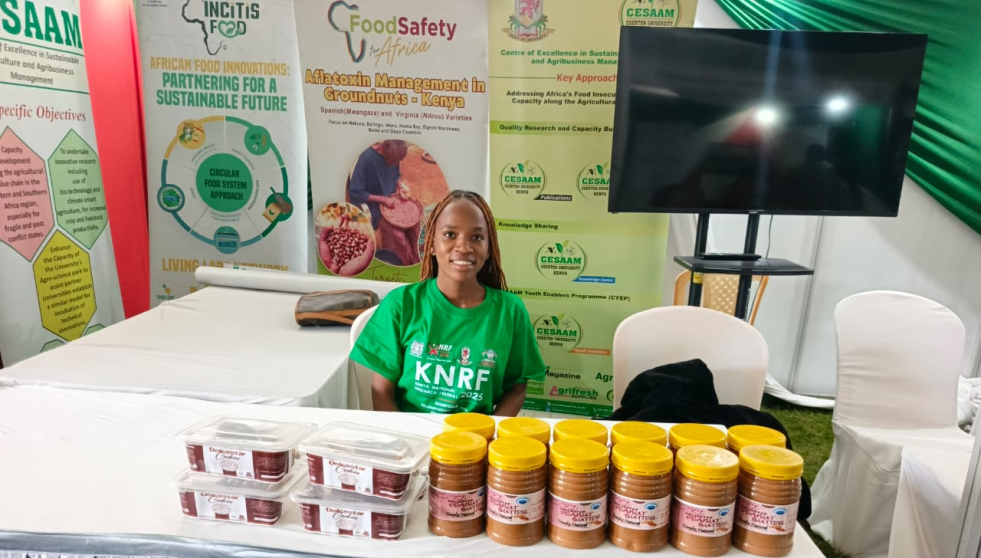
Her journey led to the founding of Dolcestar Africa, an initiative inspired by her firsthand experiences working closely with smallholder farmers and farmer groups.
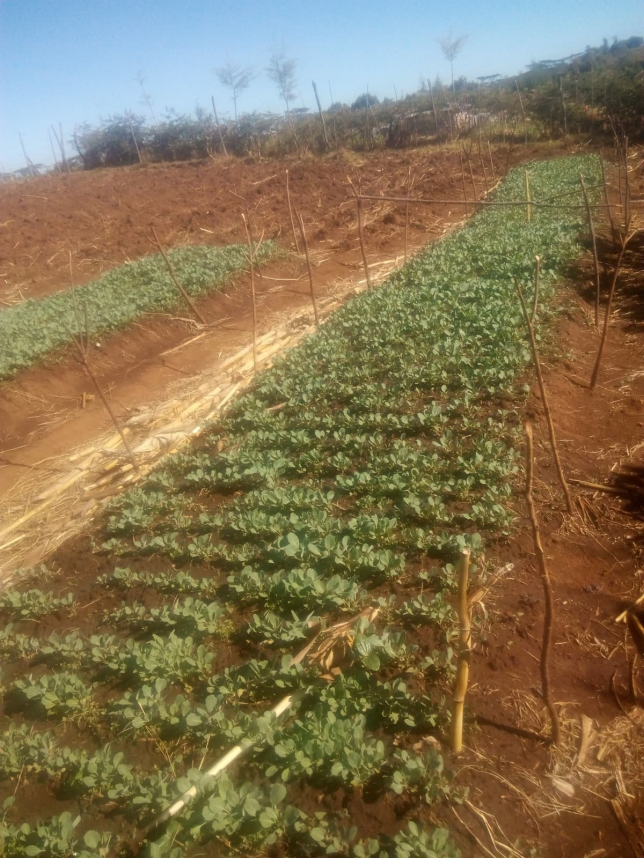
Through this work, Harriet witnessed persistent challenges such as declining soil fertility, limited access to quality inputs, and unfair market systems often controlled by middlemen. Despite the farmers’ hard work, she observed that much of the value was lost after harvest, leaving producers with minimal returns. As Harriet often reflects, “Farmers work hard, yet earn little because value is lost after harvest.” Motivated to address these systemic gaps, Harriet began designing solutions that move beyond primary production toward strengthening entire value chains. This vision led to the creation of the Sustainable Groundnut Supply Chain Initiative, a flagship community project that promotes environmentally responsible groundnut production while building resilient, inclusive, and farmer-centered market systems.
Currently pursuing a Master of Science in Agri-Enterprise Development at Egerton University, Harriet’s academic focus complements her on-the-ground experience. Her research explores ways to strengthen groundnut supply chains by improving agroecological production systems, enhancing processing efficiency, and ensuring fair and reliable market access for smallholder farmers. This combination of research and practice enables her to develop solutions that are both evidence-based and grounded in community realities.
Women and youth remain central to Harriet’s work. In many rural communities, these groups face limited access to land, finance, and markets, despite playing critical roles in food production. Harriet’s approach intentionally creates space for their leadership by offering training, mentorship, and opportunities to participate in agribusiness decision-making. By equipping women and youth with agroecology skills and entrepreneurial knowledge, the initiative supports income diversification and builds confidence among participants. Farmers not only learn how to grow groundnuts sustainably, but also understand market dynamics, improve quality standards, and engage in collective action. This integrated approach strengthens both livelihoods and community resilience.
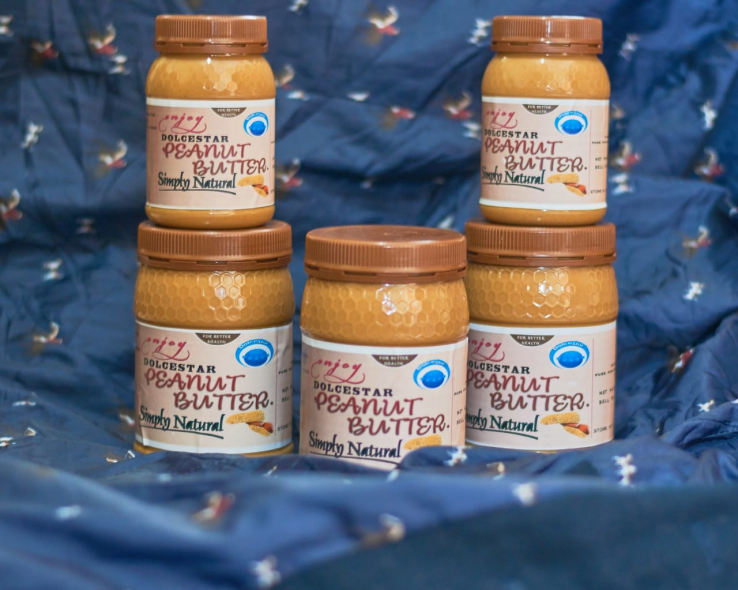
The Sustainable Groundnut Supply Chain Initiative focuses on empowering smallholder farmers to adopt agroecological practices that improve productivity, protect natural resources, and enhance product quality. The project addresses several interconnected challenges such as poor market access, inconsistent seed quality, low farm-gate prices, soil degradation, and limited opportunities for value addition. Through the initiative, farmers are trained in:
In addition to agronomic support, the project emphasizes market-led solutions. Farmers participate in contract farming arrangements that provide access to certified seeds, continuous extension services, and guaranteed markets for their produce. This approach reduces uncertainty, stabilizes incomes, and encourages farmers to invest in sustainable practices. Operating in Kisumu and parts of Western Kenya, the initiative has been active since 2019 and currently engages over 20 smallholder farmers, with a strong focus on women and rural youth. Many of these farmers are involved in producing groundnuts for peanut butter and other value-added products, allowing them to earn higher returns while meeting the growing demand for sustainably produced foods.
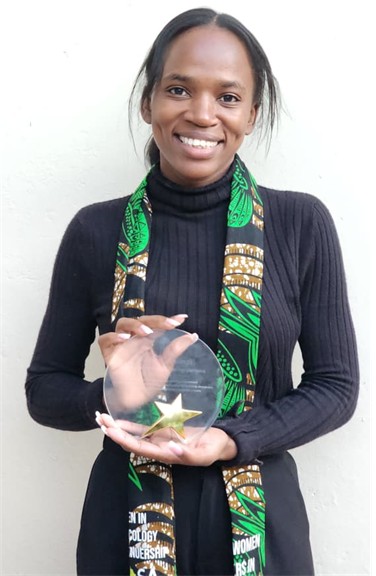
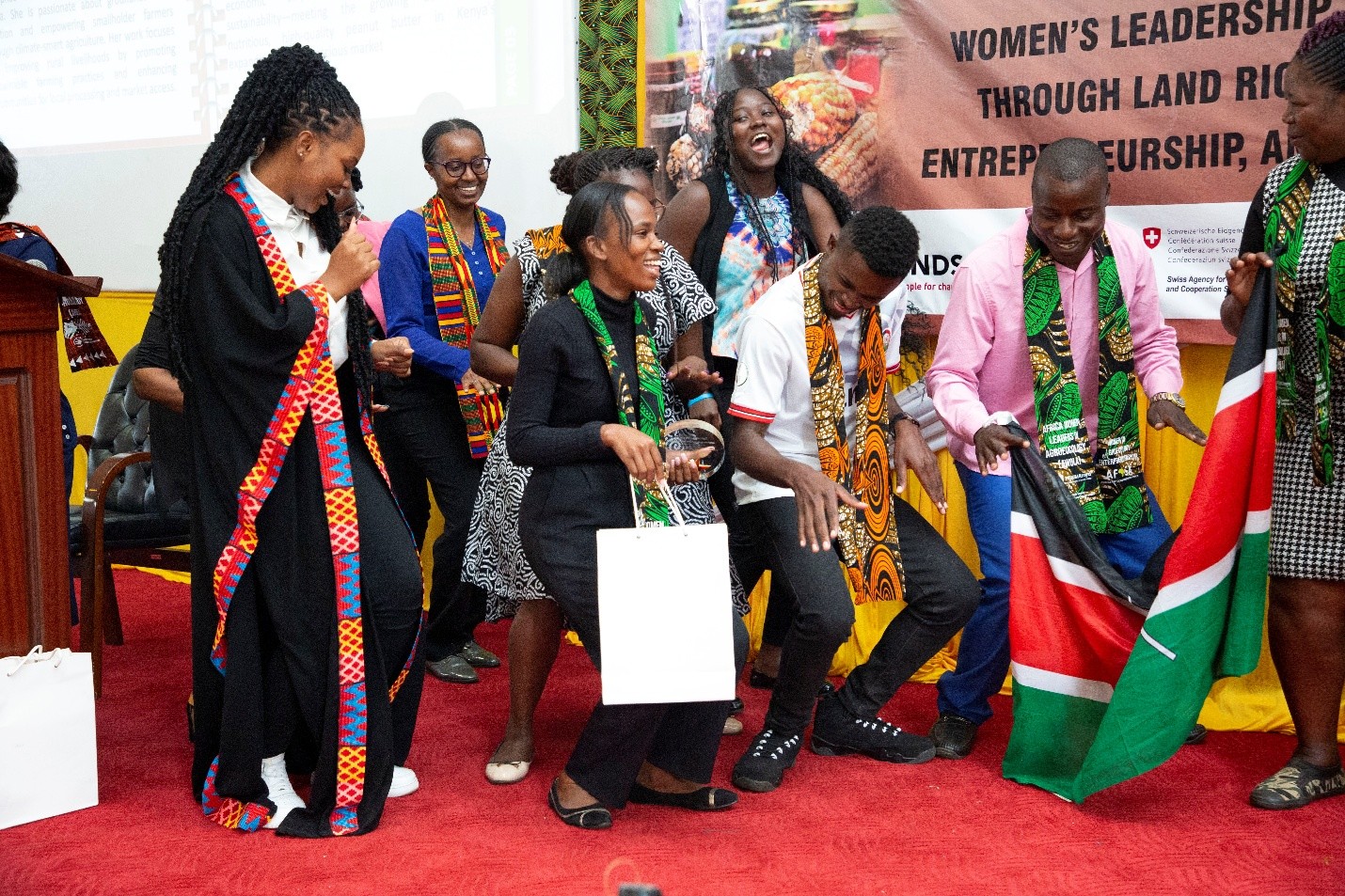
Harriet’s innovative and community-centered approach has gained recognition beyond the local level. Her work was recognized at the AWOLA platform, where her contribution to youth-led agroecology, sustainable value addition, and community empowerment was acknowledged. This recognition underscores the importance of youth-driven solutions in advancing organic agriculture and transforming food systems across Africa. The AWOLA recognition also provided increased visibility for Harriet’s work, opening opportunities for partnerships, knowledge exchange, and scaling conversations. It reaffirmed her belief that agroecology can be both environmentally sustainable and economically viable when supported by strong value chains.
Harriet quoted “Being a WYNA Fellow has been a very transformative journey, offering learning, mentorship, networking, and reflection to sharpen my leadership, advocacy, and systemic thinking on policy, youth inclusion, and food-system change. Last December’s Youth Agroecology Trailblazer Award humbly affirmed this impact, fueling my duty to innovate, mentor, and advocate for youth-led agroecology and safety honoring farmers, partners, and networks fighting insecurity, degradation, and unemployment. Professionally, the fellowship offers Harriet exposure to diverse agroecological models and peer learning across regions. Personally, it represents a journey of growth from being a smallholder farmer advocate to becoming a solution-driven agripreneur contributing to national and regional food system transformation.
For Harriet, agroecology is not just a farming practice, it is a mindset. She encourages young people to see beyond production and engage in processing, packaging, and storytelling around food. “Agroecology doesn’t end at the farm gate,” she emphasizes “It lives in how we add value, share food, and care for our environment.” Through her work, Harriet Amondi Ochar exemplifies how youth leadership, community engagement, and sustainable innovation can reshape food systems. Her journey highlights the power of combining research, entrepreneurship, and agroecology to create resilient, inclusive, and environmentally responsible pathways for rural transformation.

.jpg)