
.png)

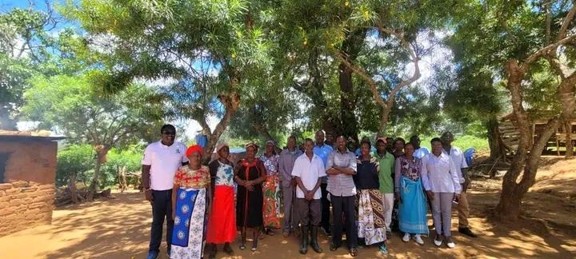
Irene Wanjiku Gitau is a Kenyan a WYNA Intern with PELUM Kenya, an agribusiness professional and is dedicated to promoting sustainable agriculture and empowering smallholder farmers through practical, climate-smart solutions. With a strong foundation in agribusiness management and hands-on experience working directly with farming communities, Irene is committed to advancing agroecology as a pathway to resilient food systems and improved rural livelihoods. Irene holds a Diploma in Agribusiness Management from The Co-operative University of Kenya and has worked as a Farm Assistant and Agriculture Intern, supporting farmers with training on sustainable production, soil management, and crop diversification. Her work focuses on equipping smallholder farmers with knowledge and skills that reduce dependence on costly external inputs while improving productivity and environmental health. In addition, Irene is trained under the Climate Reality Project and holds certifications in Gender Inclusion and Agricultural Management Practices from CABI, strengthening her ability to promote inclusive and socially responsive agricultural solutions.
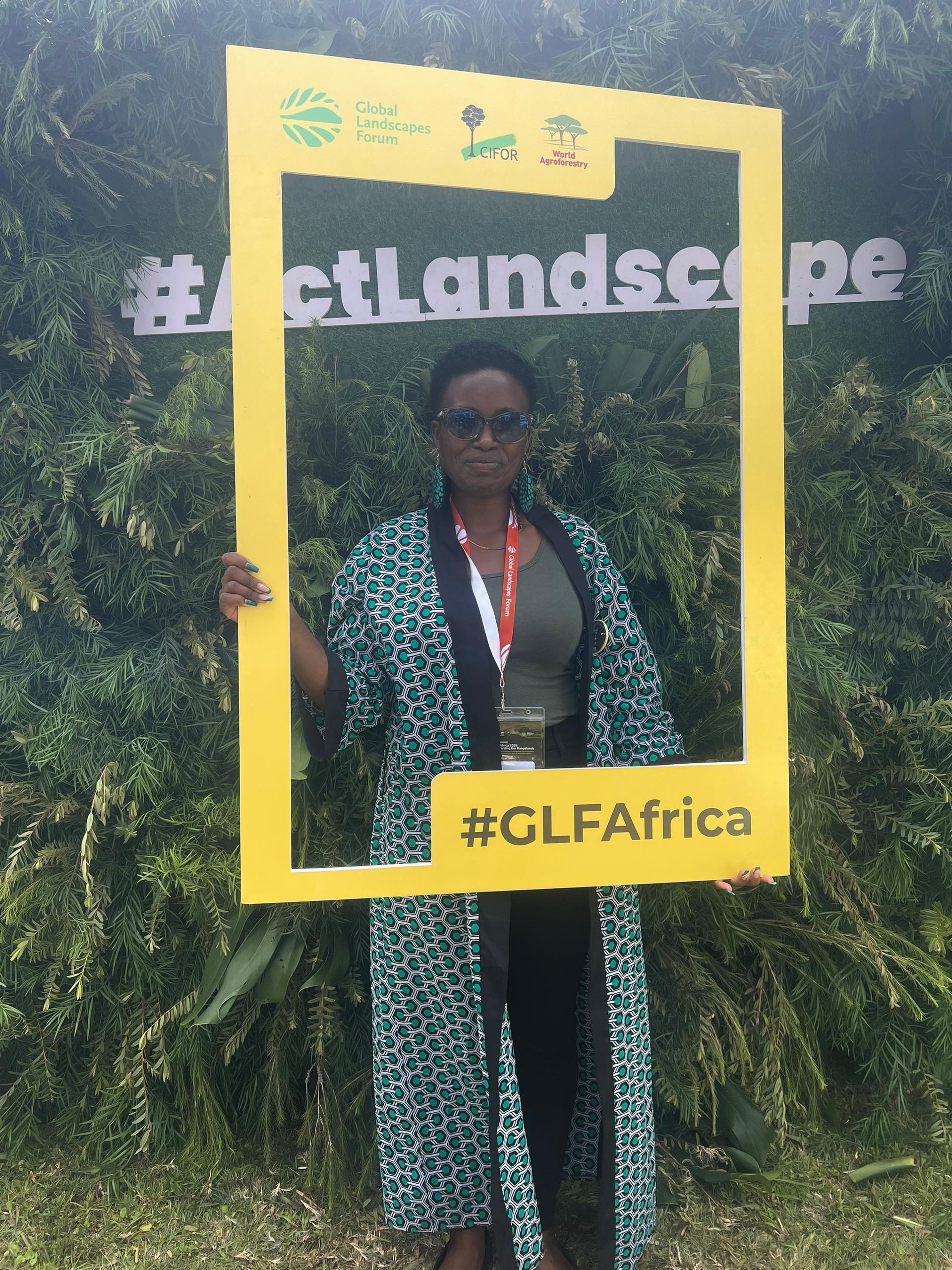
Irene joined the WYNA Programme driven by a desire to deepen her skills in agroecology and community leadership. Through her interactions with smallholder farmers, she witnessed recurring challenges such as soil degradation, rising input costs, and limited access to knowledge on sustainable farming practices. WYNA presented an opportunity to learn from mentors, connect with like-minded youth, and apply practical agroecological solutions within her community.
"Personally, being a WYNA Fellow represents confidence, growth, and purpose. Professionally, it provides access to mentorship, technical knowledge, and networks that support youth leadership in food systems transformation. For me, the fellowship is a platform to turn passion into action and contribute meaningfully to sustainable agriculture at the community level." Irene said
Irene leads the Climate Smart Agroecology and Livelihood Empowerment Project (CASLEP), a community initiative promoting organic composting and kitchen gardens among smallholder farmers in Nakuru County, Kenya. The project aims to improve food security, nutrition, and household incomes using low-cost, locally available, and environmentally sustainable methods.
CASLEP was inspired by Irene’s observation that many farmers rely heavily on expensive chemical inputs while facing declining soil fertility and increasing climate-related risks. Through composting and kitchen gardening, the project demonstrates how organic solutions can restore soil health, reduce production costs, and enhance resilience to climate change.
The initiative addresses key community challenges including poor soil fertility, high input costs, and food insecurity. Many households struggle to afford fertilizers, resulting in low yields and limited access to nutritious food. CASLEP responds by training farmers to recycle farm waste into organic compost and establish kitchen gardens that supply diverse, nutritious crops for home consumption and local markets.
The primary beneficiaries of CASLEP are women and youth smallholder farmers in Nakuru County. These groups play a central role in food production but often lack access to training, resources, and decision-making spaces. Through hands-on training and demonstration gardens, CASLEP equips participants with practical agroecological skills that strengthen food security, create income opportunities, and enhance their roles as community changemakers. The project began in early 2025 and is currently in its implementation phase. Initial activities include training sessions to farmers and setting up of demonstration plots, with plans to expand reach and impact through the WYNA Fellowship.
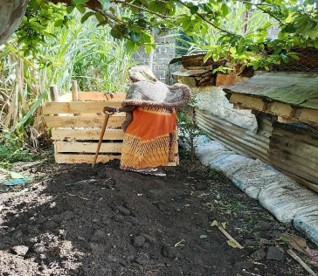
To sustain and scale CASLEP beyond the WYNA Programme, Irene is training farmer champions who will continue sharing agroecological practices within their communities. The project also aims at establishing small income streams through the sale of compost and seedlings, supporting long-term sustainability. Partnerships with local organizations and extension officers will further strengthen capacity, outreach, and continuity. CASLEP contributes directly to the promotion of agroecology and organic agriculture by encouraging composting, recycling of farm waste, biodiversity, and reduced reliance on synthetic inputs. Farmers are empowered to use climate-smart techniques and locally available resources to restore soils and build sustainable farming systems.
Irene recognizes that young professionals in agroecology often face barriers such as limited funding, restricted access to land, and insufficient mentorship. Resistance to change within communities can also slow adoption of new practices. However, she believes that with increased visibility, collaboration, and knowledge sharing, youth can overcome these challenges and lead meaningful transformation in food systems. Her message to young people passionate about agroecology is simple yet powerful: start small, stay consistent, and believe in your ideas. Agroecology is about caring for people and the planet, and even small actions like composting or establishing a kitchen garden can make a lasting difference. Through CASLEP and her work as a WYNA Fellow, Irene Wanjiku Gitau demonstrates how community-based, youth-led agroecological initiatives can transform livelihoods, restore ecosystems, and build inclusive, resilient food systems for the future.

.jpg)