

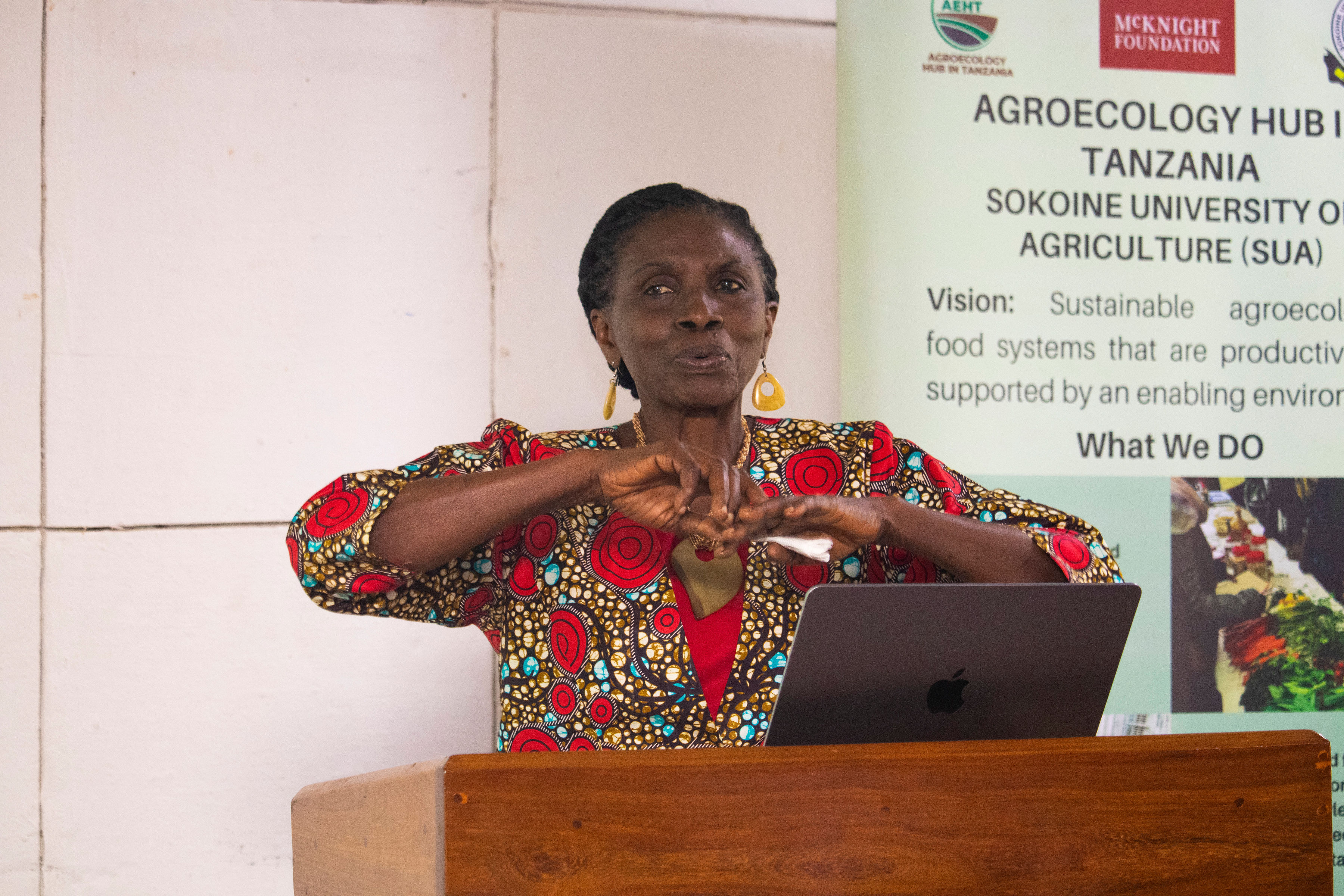
Young Professionals for Agricultural Development (YPARD) Tanzania participated in the Stakeholders' Feedback Workshop on the Agroecology Policy Scoping Study, held on 5 June 2026 at the Institute of Continuing Education, Edward Moringe Campus, Sokoine University of Agriculture (SUA) in Morogoro. Organized by the Agroecology Hub in Tanzania (AEHT) under the Research for Agroecology Network Southern Africa (RAENS) Project, funded by the European Union, the workshop brought together representatives from government ministries, academia, research institutions, civil society organizations, farmer organizations, development partners, the private sector, and youth networks. The workshop served as an important platform for validating the draft Agroecology Policy Scoping Study, gathering stakeholder feedback, and identifying opportunities to strengthen Tanzania's policy environment for agroecological transformation. For YPARD Tanzania, it was an opportunity to contribute youth perspectives to discussions that will shape more sustainable, inclusive, and resilient agrifood systems.
Agroecology is increasingly recognized as a holistic approach to addressing some of today's most pressing challenges, including food insecurity, climate change, biodiversity loss, and rural poverty. As countries seek sustainable pathways for agricultural development, creating enabling policy environments has become essential for supporting agroecological transitions.To assess Tanzania's readiness for this transition, the Agroecology Hub in Tanzania conducted an Agroecology Policy Scoping Study under the RAENS Project. Using the High-Level Panel of Experts (HLPE) Thirteen Principles of Agroecology as a guiding framework, the study examined how existing national policies and legal frameworks support sustainable agriculture and identified opportunities for strengthening policy coherence. The stakeholder workshop provided an opportunity to validate these findings and ensure that the final report reflected the experiences and priorities of a broad range of actors.
The workshop opened with welcoming remarks from representatives of Sokoine University of Agriculture, who emphasized the value of evidence-based policymaking and multi-stakeholder collaboration in advancing sustainable agriculture. The event was officially opened by the Permanent Secretary from the Ministry of Agriculture, who reaffirmed the government's commitment to strengthening agricultural sustainability and encouraged participants to provide practical recommendations for improving policy implementation. Participants were then introduced to the findings of the Agroecology Policy Scoping Study, which reviewed several national policy and legal instruments, including the National Agriculture Policy, National Environmental Policy, National Forestry Policy, National Livestock Policy, the Tanzania Seed Act, and the National Ecological Organic Agriculture Strategy. While the assessment found that many of these frameworks already support aspects of sustainable agriculture, it also highlighted the need for stronger coordination and integration to fully embed agroecological principles across sectors.
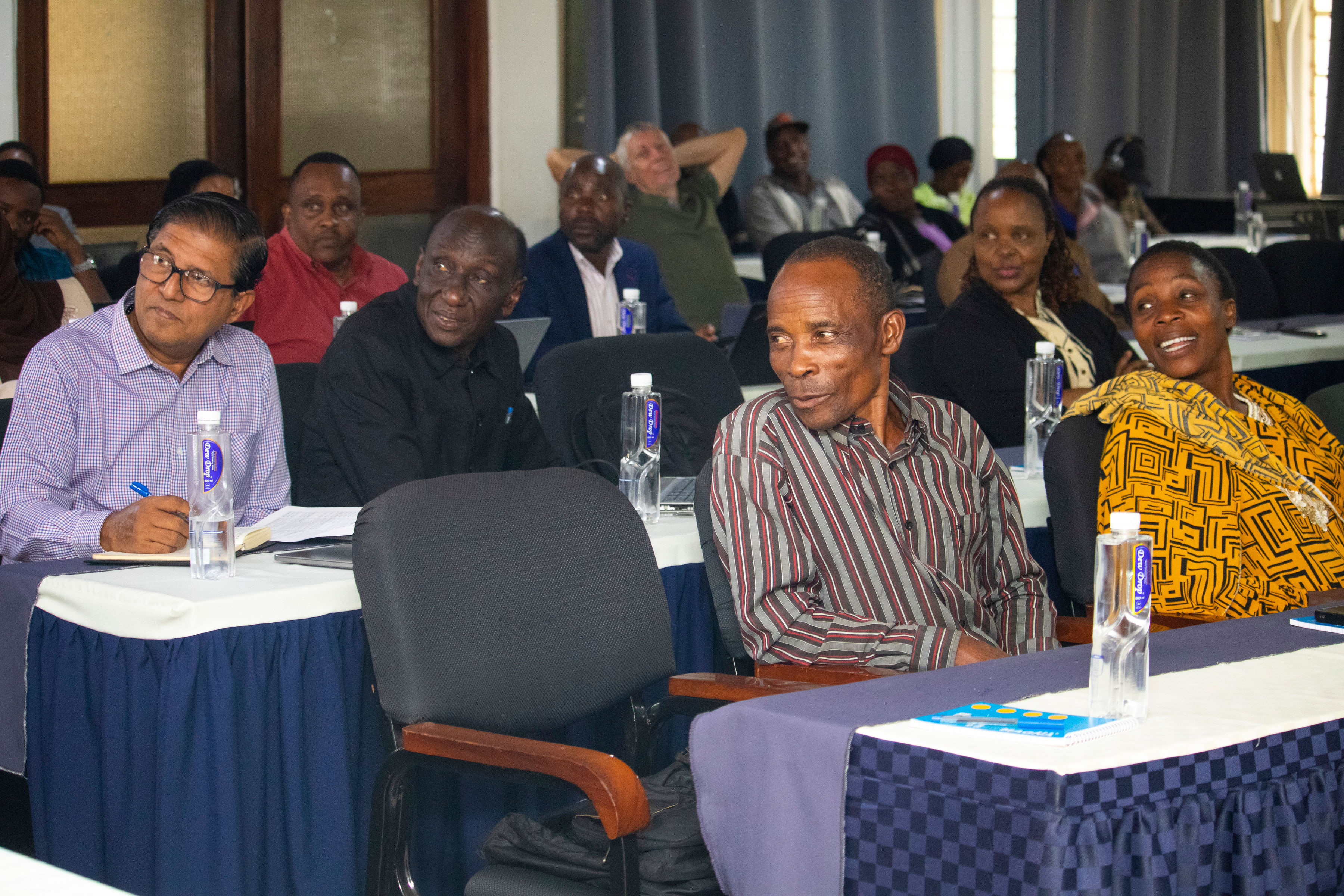
To deepen the discussion, participants were divided into thematic working groups covering the crop, livestock, environment, and forestry sectors. These sessions provided space for stakeholders to critically review the draft report, identify implementation challenges, and propose recommendations for strengthening policy alignment. Across the discussions, participants emphasized the importance of improving coordination among institutions, investing in agroecological research and innovation, strengthening agricultural extension services, promoting indigenous knowledge systems, and ensuring that farmers play a central role in policy development. The plenary session brought these recommendations together, demonstrating broad consensus on the need for integrated policies that support resilient food systems while protecting biodiversity and natural resources.
A particularly valuable aspect of the workshop was the opportunity to hear directly from farmers representing both crop and livestock systems. Their experiences illustrated how agroecological practices are already improving soil health, conserving biodiversity, enhancing climate resilience, and strengthening local food systems. Farmers highlighted the importance of farmer-managed seed systems, sustainable soil management, local knowledge, improved market access, and policies that are practical and responsive to local realities. Their contributions reinforced the message that successful agroecological transitions must be grounded in the lived experiences of farming communities.
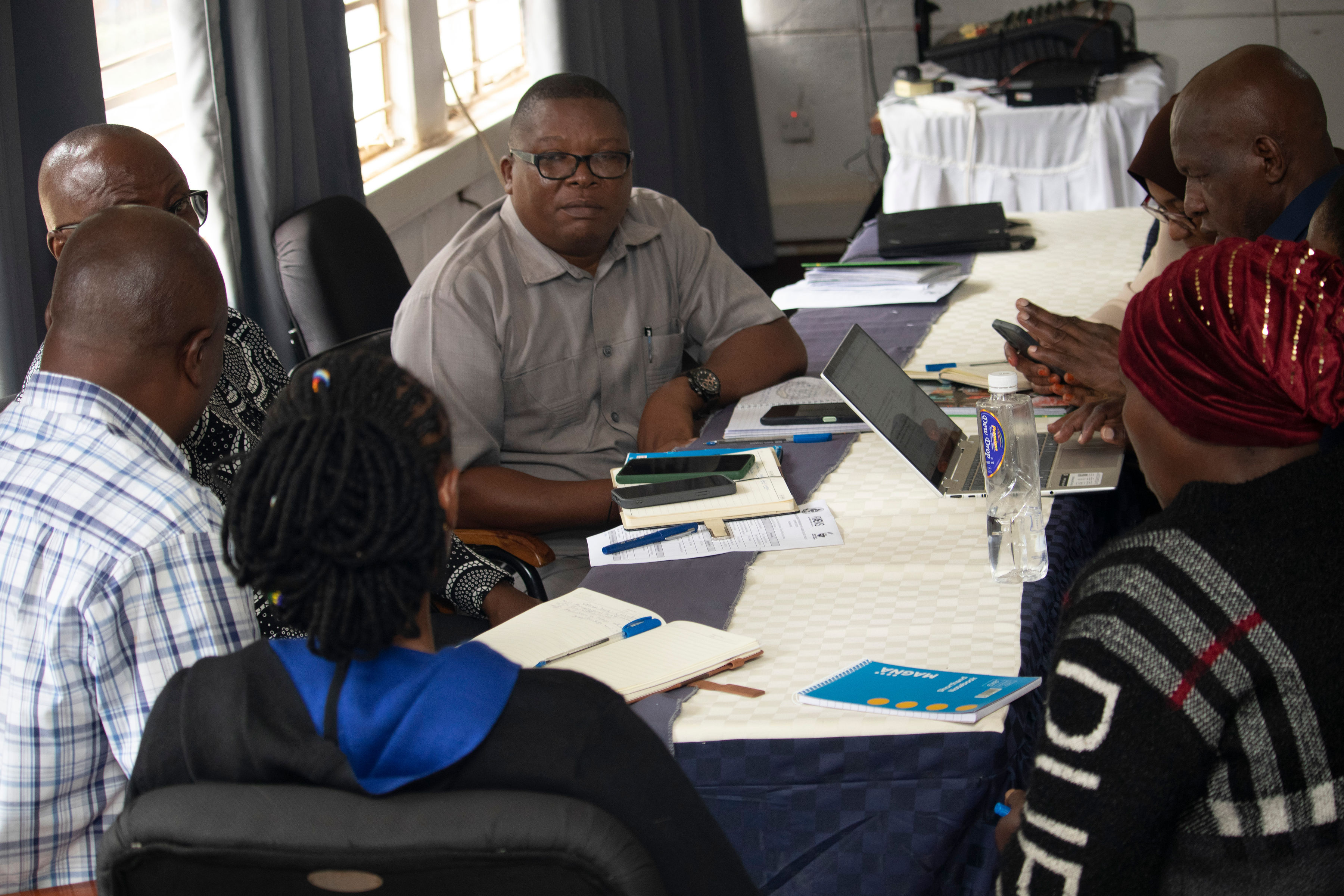
For YPARD Tanzania, the workshop reaffirmed the important role that young people play in shaping sustainable food systems. By participating alongside policymakers, researchers, and development practitioners, YPARD Tanzania contributed youth perspectives to discussions on policy development while strengthening partnerships that will support future collaboration. The workshop also highlighted the growing recognition that young people are not only beneficiaries of agricultural policies but also innovators, researchers, entrepreneurs, and advocates whose ideas and leadership are essential for advancing agroecological transformation. Meaningful youth participation in policy processes will help build more inclusive, resilient, and sustainable agrifood systems for future generations.
The Stakeholders' Feedback Workshop marked an important milestone in Tanzania's journey towards strengthening its agroecology policy framework. By bringing together diverse stakeholders to validate research findings, exchange experiences, and develop shared recommendations, the workshop reinforced the importance of collaboration in creating enabling environments for sustainable agriculture. YPARD Tanzania applauds the Agroecology Hub in Tanzania (AEHT), Sokoine University of Agriculture (SUA), the Research for Agroecology Network Southern Africa (RAENS) Project, and all participating organizations for creating an inclusive platform that values youth engagement and evidence-based policymaking.
As momentum continues to build around agroecological transformation, YPARD Tanzania remains committed to supporting initiatives that empower young people, strengthen sustainable agriculture, and contribute to resilient food systems across Tanzania.