
Kigali, Rwanda | 31 August–3 September 2026
The Young Professionals for Agricultural Development (YPARD) participated actively in the Africa Food Systems Forum (AFSF) 2026 in Kigali, Rwanda, contributing young professionals' perspectives to discussions on soil health, agroecology, climate resilience, agri-energy, climate finance, youth leadership, and food systems transformation.
YPARD's participation went beyond representation in individual sessions. YPARD members and representatives engaged in thematic and high-level conversations, shared youth-led approaches and experiences, promoted mechanisms for meaningful youth participation, and contributed to discussions on how investments, policies and partnerships can better enable young people to lead agricultural and food systems transformation.

Among the key contributions was YPARD Programme Coordinator Ajuna Tadeo's participation in discussions on soil evidence and data, where she highlighted the role of young people in soil research, organic fertilizer production and data-driven agricultural solutions. He emphasised that building youth capacity must be accompanied by access to resources, mentorship, finance, usable data and enabling environments, as well as meaningful participation in decision-making. YPARD also showcased its YPARD Cafés and Youth Communities of Practice (YCoPs) as practical approaches for creating spaces for peer learning, community engagement and youth-led agroecological action. The initial YPARD Cafés had engaged more than 400 participants.
At the climate resilience discussions, YPARD Advocacy representative Ziadah Nakabiri contributed to the conversation on scaling agri-energy solutions, highlighting the importance of financing, innovation and effective implementation and the need to recognise women, young people and smallholder farmers as leaders, innovators and decision-makers. YPARD Uganda's Bona Luminosa Alal further brought grassroots youth perspectives into discussions on climate finance, highlighting barriers related to complex compliance and accountability requirements. She proposed measures including simplified and locally accessible funding processes, stronger trust in local partners, improved coordination of funding pipelines and country youth hubs.
In addition to formal speaking engagements, more than ten YPARD members participated in an off-site Perth Declaration dinner and consultation. The session provided an opportunity for youth representatives and coalition partners to review priorities, identify concrete calls to action, strengthen the emerging Declaration and discuss pathways toward GC NOW: Perth and COP31.
.jpg)
YPARD's engagement at AFSF 2026 centred on several interconnected objectives:
YPARD representatives participated in a range of formal and informal engagements during AFSF 2026. These included thematic sessions, plenary discussions, innovation exchanges, youth-focused events and a consultation connected to the Perth Declaration.
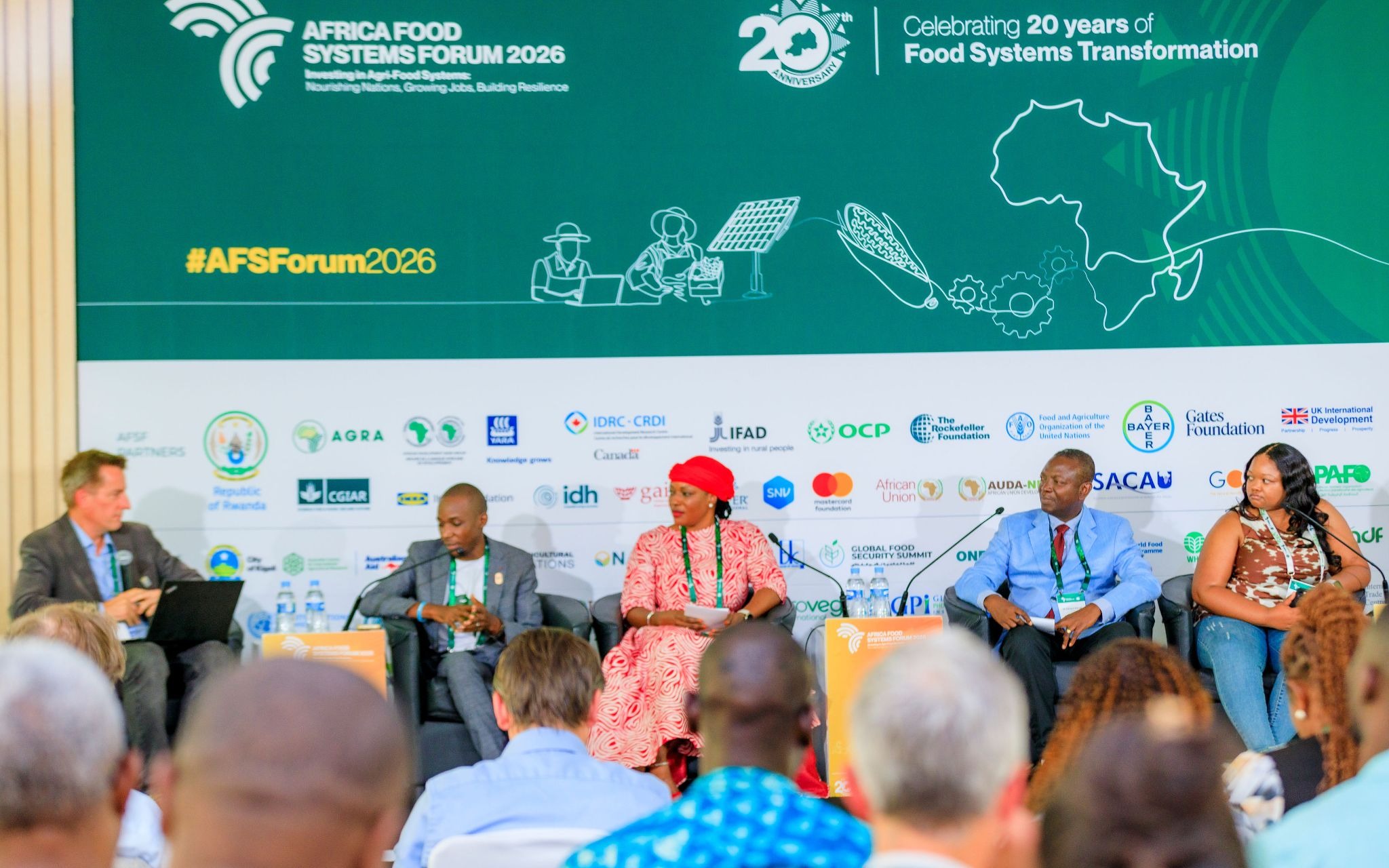
31.08.2026
The soil evidence and data side event brought together representatives from research institutions, foundations, government, development organisations and other stakeholders to discuss how better soil information can contribute to agricultural transformation in Africa.
The session highlighted that high-quality, spatially explicit soil data can support countries to identify degradation, diagnose underlying constraints, prioritise investments and promote practices that improve productivity, restore soil health and strengthen resilience. Soil data can also support site-specific fertiliser recommendations, improve nutrient-use efficiency and help identify opportunities for organic and complementary interventions that reduce dependence on imported fertilisers.
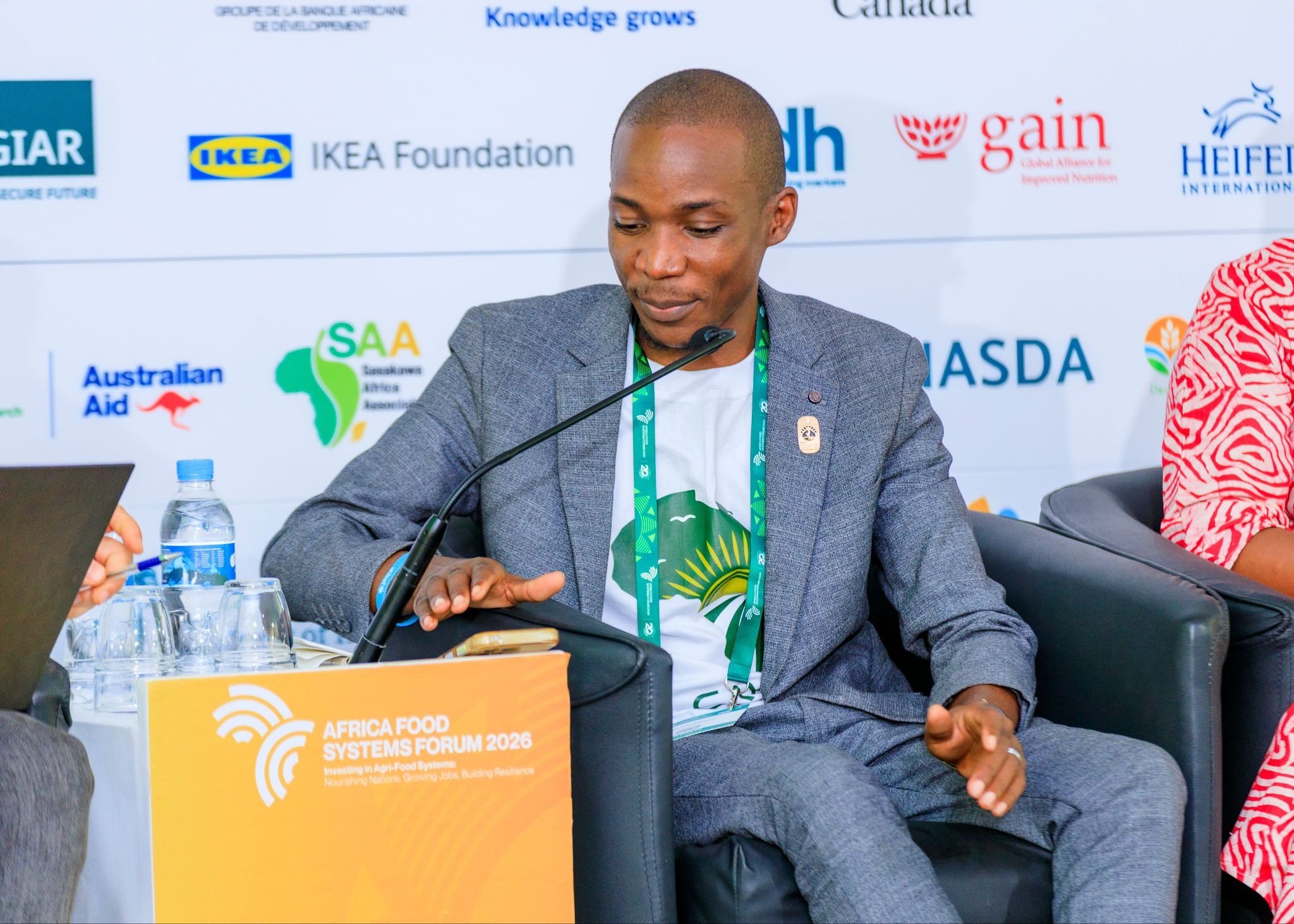
YPARD's contribution
Ajuna Tadeo brought a youth perspective to the discussion, highlighting that young people are already contributing to soil health and agricultural transformation through activities such as organic fertiliser production, soil research and data-driven solutions. However, he stressed that the potential of young people remains underutilised. She argued that capacity building on its own is insufficient and needs to be complemented by:
His central message was that youth-led solutions require an enabling environment in which young people are supported to turn ideas into practical and sustainable impact.
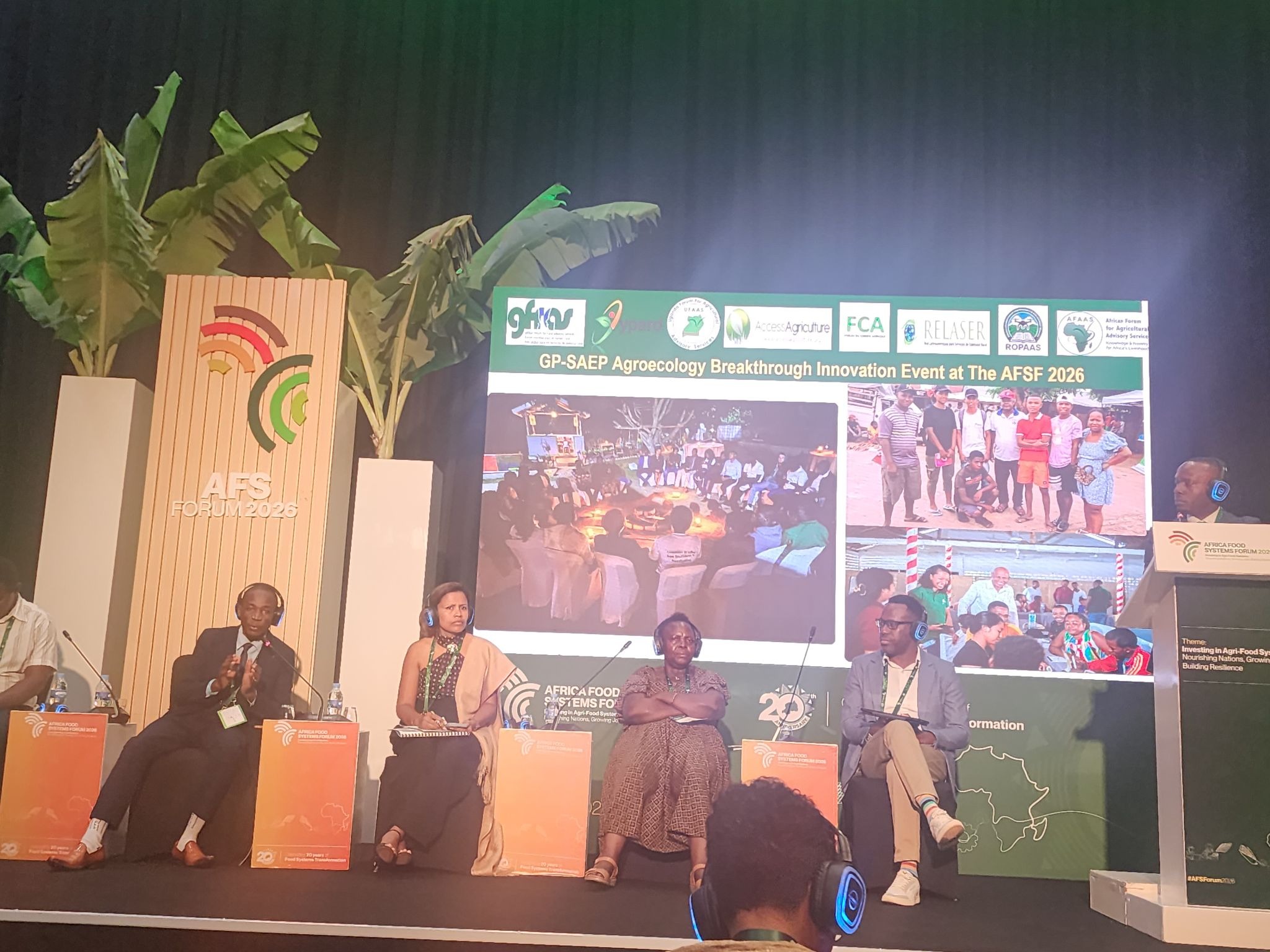
YPARD also participated in an exchange on agroecology innovations under the GP-SAEP project, providing an opportunity to share YPARD’s experience in creating meaningful spaces for young people to contribute to agroecological transformation.
Representing YPARD, Tadeo highlighted the organisation’s achievements under the GP-SAEP project, including engagement of more than 678 participants globally and support to nine Agroecology Fellows in Africa. He also introduced YPARD’s YPARD Cafés and Youth Communities of Practice (YCoPs) in Agroecology as practical approaches for strengthening youth participation and peer learning.
The YPARD Cafés provide safe and inclusive spaces where young people can share experiences, reflect on common challenges, identify community needs, exchange practical knowledge, and collaboratively develop solutions. The initial cafés engaged more than 400 participants, demonstrating the potential of these platforms to facilitate structured and sustained youth engagement in agroecology.
Tadeo concluded by calling on stakeholders to support, collaborate and invest in expanding YCoPs and YPARD Cafés across countries to strengthen youth-led learning, collaboration and action in agroecology.
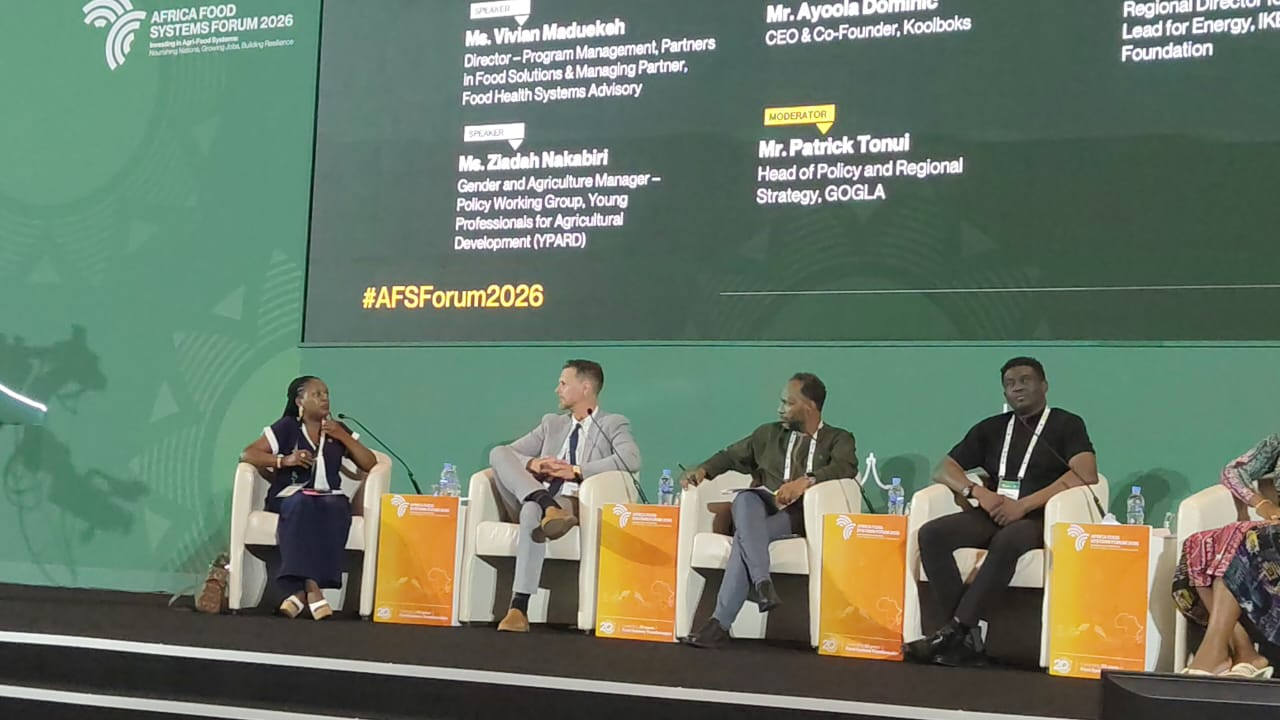
Date: 1 September 2026
YPARD Representative: Ziadah Nakabiri, YPARD Advocacy
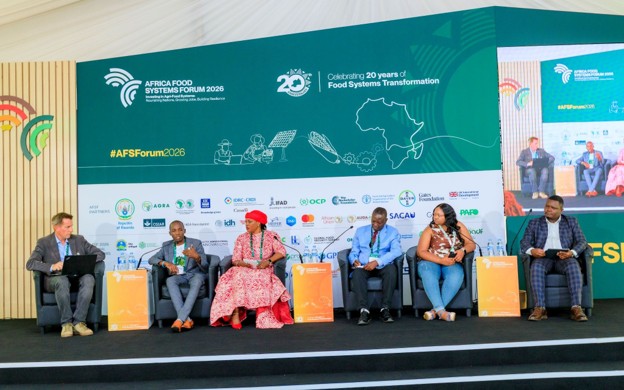
At the Climate Resilience Thematic Plenary on “Scaling Agri-Energy Solutions: An Implementation, Finance and Innovation Dialogue,” YPARD was represented by Ms. Ziadah Nakabiri, YPARD Uganda Advocacy Lead and GFC representative. The plenary examined how Africa can scale practical and inclusive agri-energy solutions through stronger financing, innovation and implementation.
Ziadah highlighted that agricultural communities are already developing solutions at the intersection of agriculture, renewable energy, water and climate resilience, but their potential
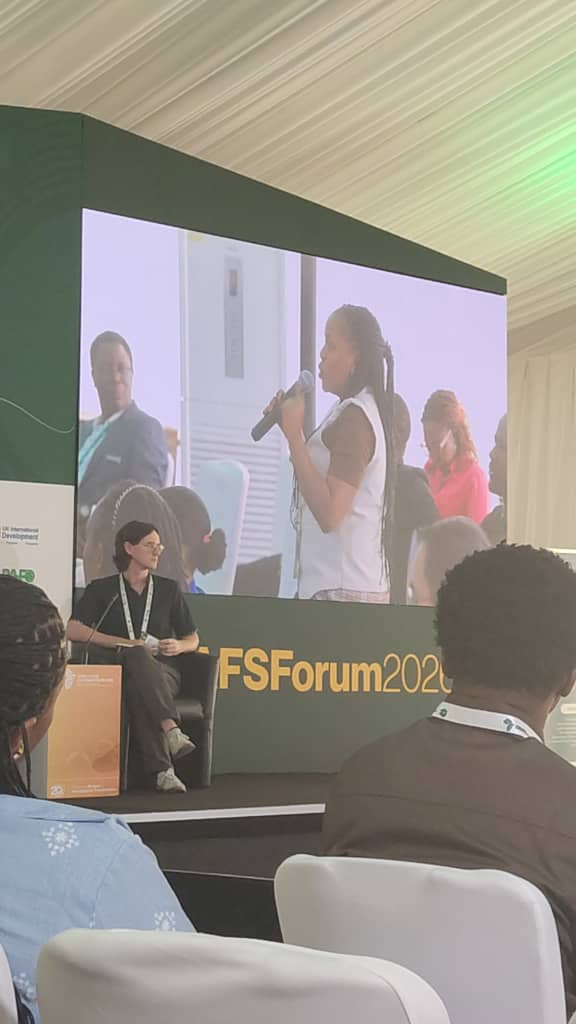
to scale is often constrained by siloed policies, financing mechanisms and institutions that address these areas separately. She called for a shift towards integrated, locally led investment models that respond to the realities and needs of farmers, women, youth and grassroots communities, while directing climate finance towards solutions that simultaneously strengthen food systems, energy access and livelihoods.
From a youth and inclusion perspective, Ziadah emphasised that meaningful investment in young people and women must go beyond training and participation. It requires their representation and decision-making power in the policies, investments and programmes shaping Africa’s food and energy systems. She highlighted the importance of providing youth- and women-led initiatives with direct and equitable access to finance, technology, natural resources, markets, networks and leadership opportunities, enabling them to move locally developed solutions from community-level initiatives to viable and scalable enterprises.
She further stressed the importance of recognising indigenous knowledge and grassroots experiences in developing locally appropriate climate-resilience solutions. For youth leadership in agri-energy, she noted that young people and women should be recognised not only as beneficiaries of climate action, but as rights-holders, innovators and decision-makers with the resources and institutional support needed to lead solutions.
Ziadah framed successful scaling as a point where integrated agri-energy approaches are no longer treated as isolated pilots, but become embedded in national policies, investment frameworks and viable businesses, reaching millions of farmers, particularly women and young people. From this perspective, the objective is not simply to scale individual pilots, but to create systems that are inherently designed to enable scale. She concluded that meaningful climate resilience will be achieved when communities most affected by climate change are also shaping, owning and benefiting from the solutions.
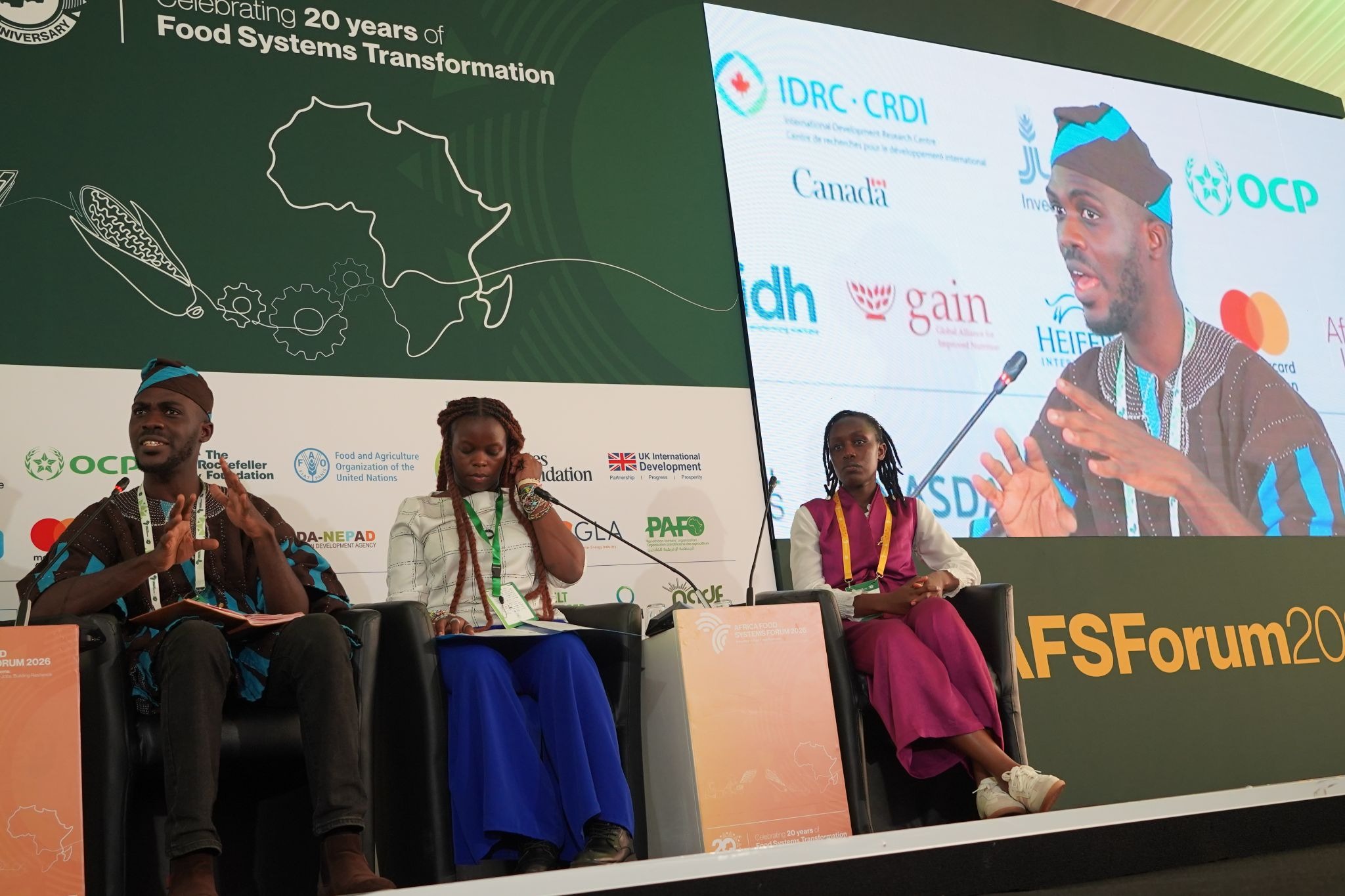
Read more about Kofi's engagement here
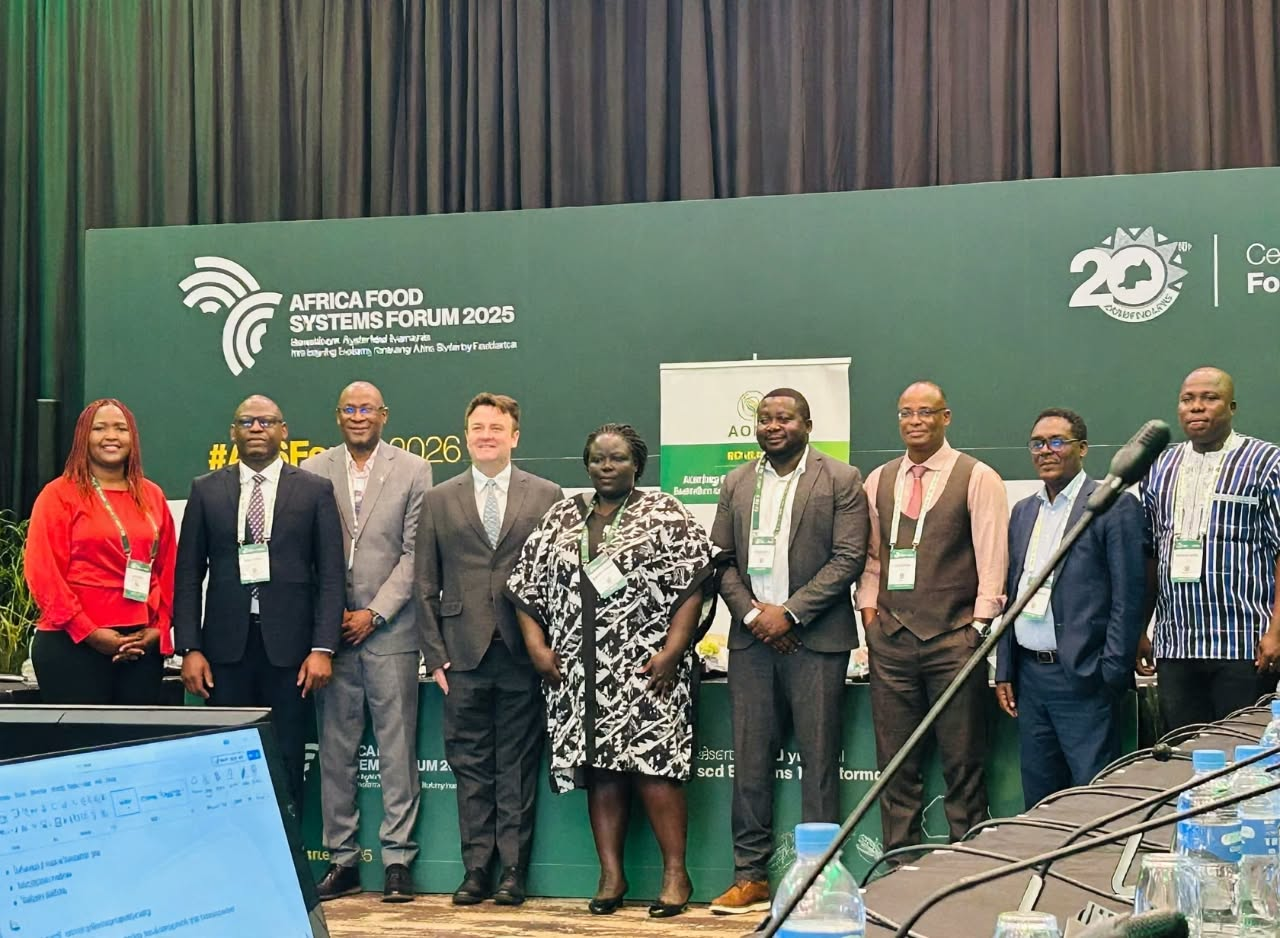
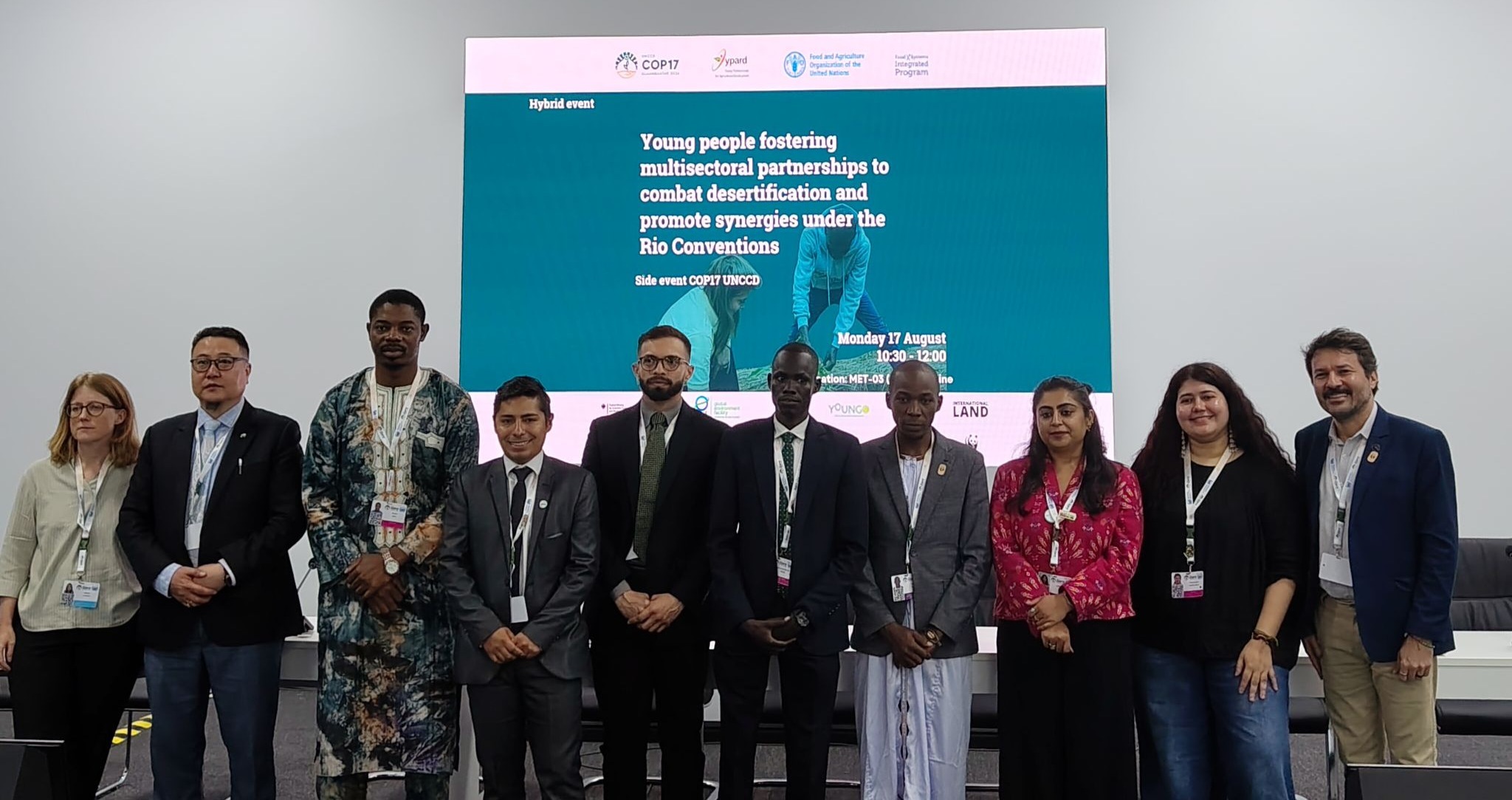
Photo above: YPARD’s ALAL Bona Luminosa poses for a photo with the other speakers at the end of the side event.
At AFSF 2026, Bona Luminosa Alal of YPARD Uganda highlighted the persistent gap between climate finance commitments and the ability of grassroots actors to access and effectively utilise available funding. She noted that while grassroots communities, youth and women are developing innovative climate solutions, many face barriers arising from complex application procedures, financial management requirements, accountability standards and compliance processes.
Alal called for climate finance mechanisms to become more accessible and responsive to local realities. She proposed providing financial compliance support from the concept-note stage, simplifying and localising funding processes, and strengthening trust in local partners who understand community contexts and needs. She also recommended establishing a shared funding dashboard across seven countries to improve coordination and visibility of funding opportunities, promoting shared assessments among funders to reduce duplication and unnecessary compliance burdens, and establishing country-level youth hubs to strengthen coordination and access to climate finance opportunities.
She also linked these recommendations to practical youth action, committing to mentor 100 girls in Kitgum, Uganda, in climate-smart agribusiness. Her intervention underscored the importance of creating climate finance systems that are accessible to grassroots actors and enable young people and women to play a more active role in developing and implementing locally driven climate solutions.
Date: 3 September 2026
Venue: Westerwelle Haus, Kigali
Participation: More than 10 YPARD members
More than ten YPARD members participated in an off-site dinner and consultation linked to the PERTH Declaration. The session brought together coalition partners and youth representatives to review consultation outcomes, discuss priorities and contribute to the development of the next phase of the Declaration. The consultation sought to move the process from an existing draft and consultation findings towards a shared working process, with participants considering the purpose, positioning and priorities of the Declaration.
Key areas of discussion
The consultation focused on:
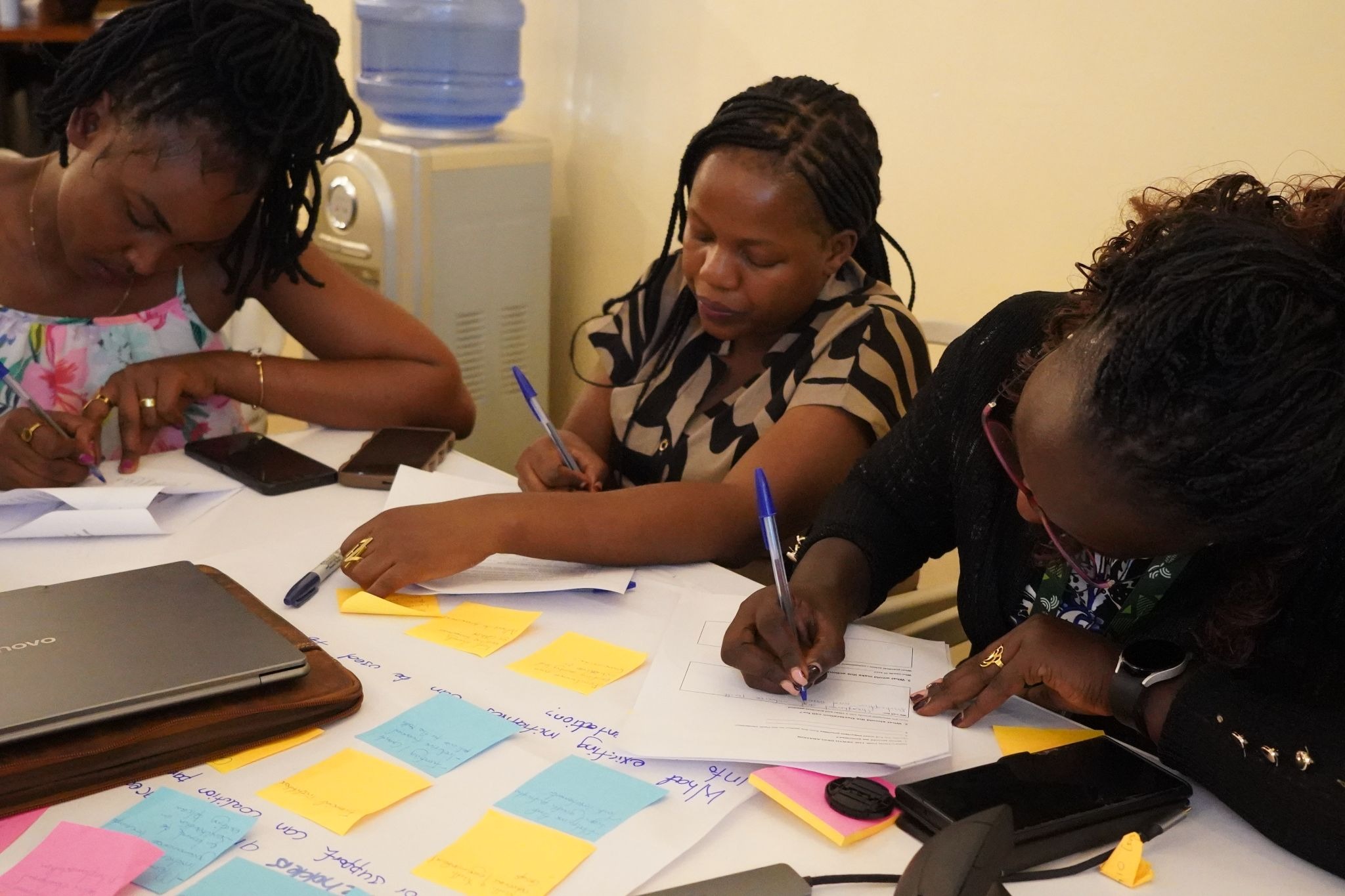
The proposed working approach involved short inputs, facilitated discussions and, where appropriate, smaller group discussions. Participants were expected to translate the discussions
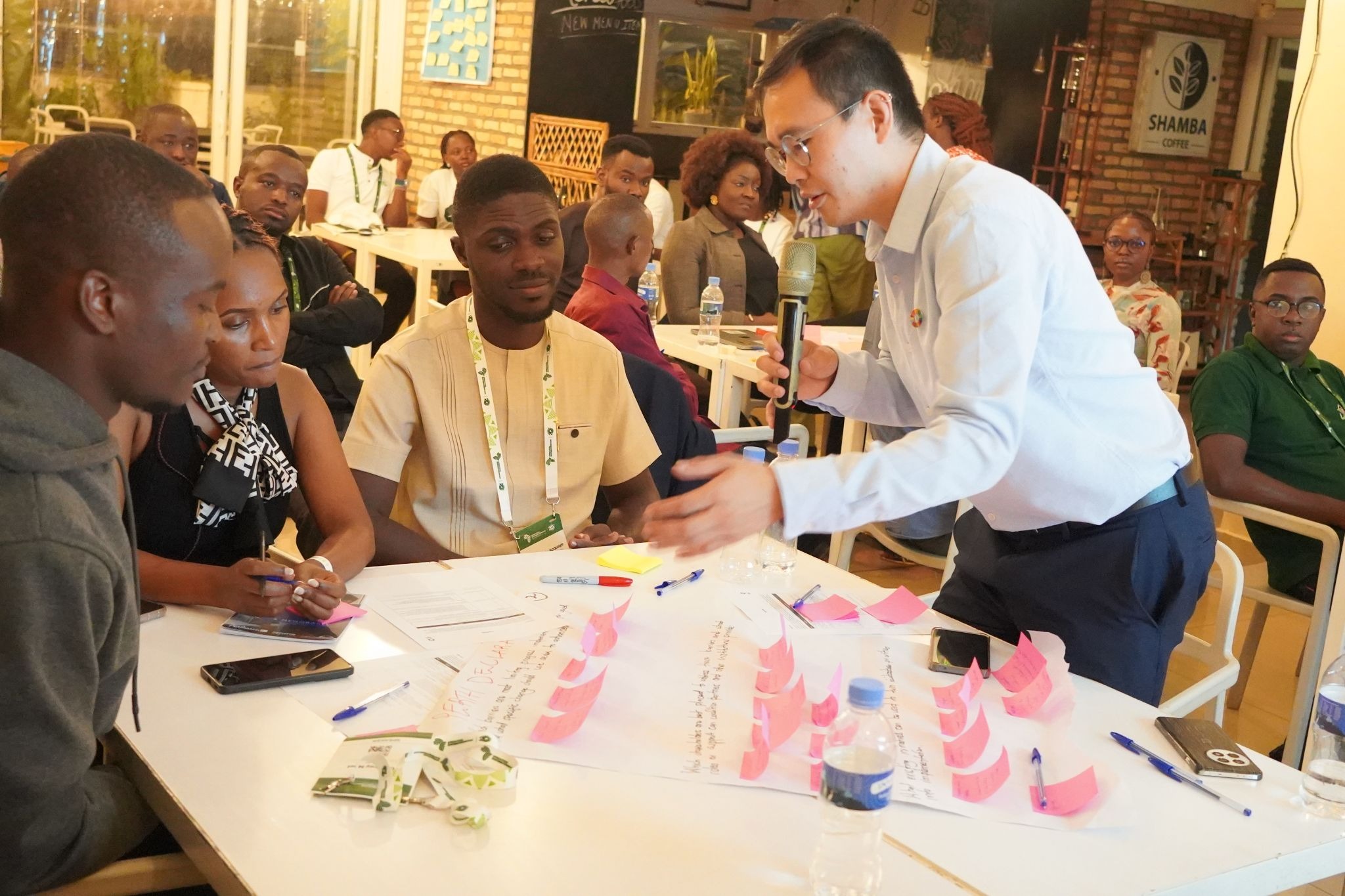
into concrete changes to the draft, identify gaps and agree on next steps.
Beyond the above,YPARD participated in several other side events and speaking engagements.
-Increased visibility of youth perspectives: YPARD representatives brought youth perspectives directly into thematic discussions on soil health, agroecology, climate resilience, agri-energy and climate finance.
-Increased visibility of YPARD approaches: The YPARD Cafés and Youth Communities of Practice were presented as practical approaches for supporting peer learning and youth-led community action.
- Strengthened policy and advocacy engagement: YPARD members contributed to broader conversations concerning climate finance, agricultural transformation and youth priorities in policy processes.
-Greater connection between youth initiatives and stakeholders: The Forum created opportunities for YPARD to engage with organisations and actors working on soil health, agroecology, climate action, finance and food systems transformation. The participation of more than ten YPARD members in the Perth Declaration consultation provided an opportunity to bring youth perspectives into a wider coalition process and contribute to priorities and actions leading toward subsequent policy moments.
-First, youth participation is most meaningful when young people are given platforms to contribute substantive expertise. YPARD's interventions demonstrated that young professionals can contribute perspectives on technical issues such as soil data, agroecology, climate finance and agri-energy.
-Second, youth engagement needs to be connected to implementation. The YPARD Cafés and YCoPs provide examples of approaches that connect dialogue and learning with practical community action.
-Third, financial access must be considered alongside financial availability. The climate finance discussion showed that the existence of funding opportunities does not automatically translate into access for grassroots youth organisations.
-Fourth, networks can provide important infrastructure for youth participation. Country hubs, communities of practice and other networked approaches can help young people exchange knowledge, identify opportunities and coordinate action.
-Finally, youth participation should be integrated into broader policy processes. The Perth Declaration consultation illustrates the value of connecting youth voices with wider policy and advocacy processes rather than limiting engagement to youth-specific events.
YPARD's participation at the Africa Food Systems Forum 2026 demonstrated the important role that young professionals can play in Africa's food systems transformation. Across discussions on soil health, agroecology, climate resilience, agri-energy and climate finance, YPARD representatives consistently emphasised that young people possess knowledge, ideas and innovative solutions, but require supportive ecosystems to translate these into sustained impact.
The participation also demonstrated the value of practical youth engagement mechanisms. Through YPARD Cafés and Youth Communities of Practice, young people are being provided with spaces to exchange knowledge, identify challenges, develop solutions and engage with their communities.
The contributions from YPARD members further reinforced the importance of finance, mentorship, accessible information, institutional support and meaningful decision-making opportunities. The climate finance intervention, in particular, highlighted the need to address the practical barriers that prevent grassroots youth actors from accessing available resources. The participation of more than ten YPARD members in the PERTH Declaration consultation also provided an important opportunity to connect youth perspectives with a broader policy and advocacy process.
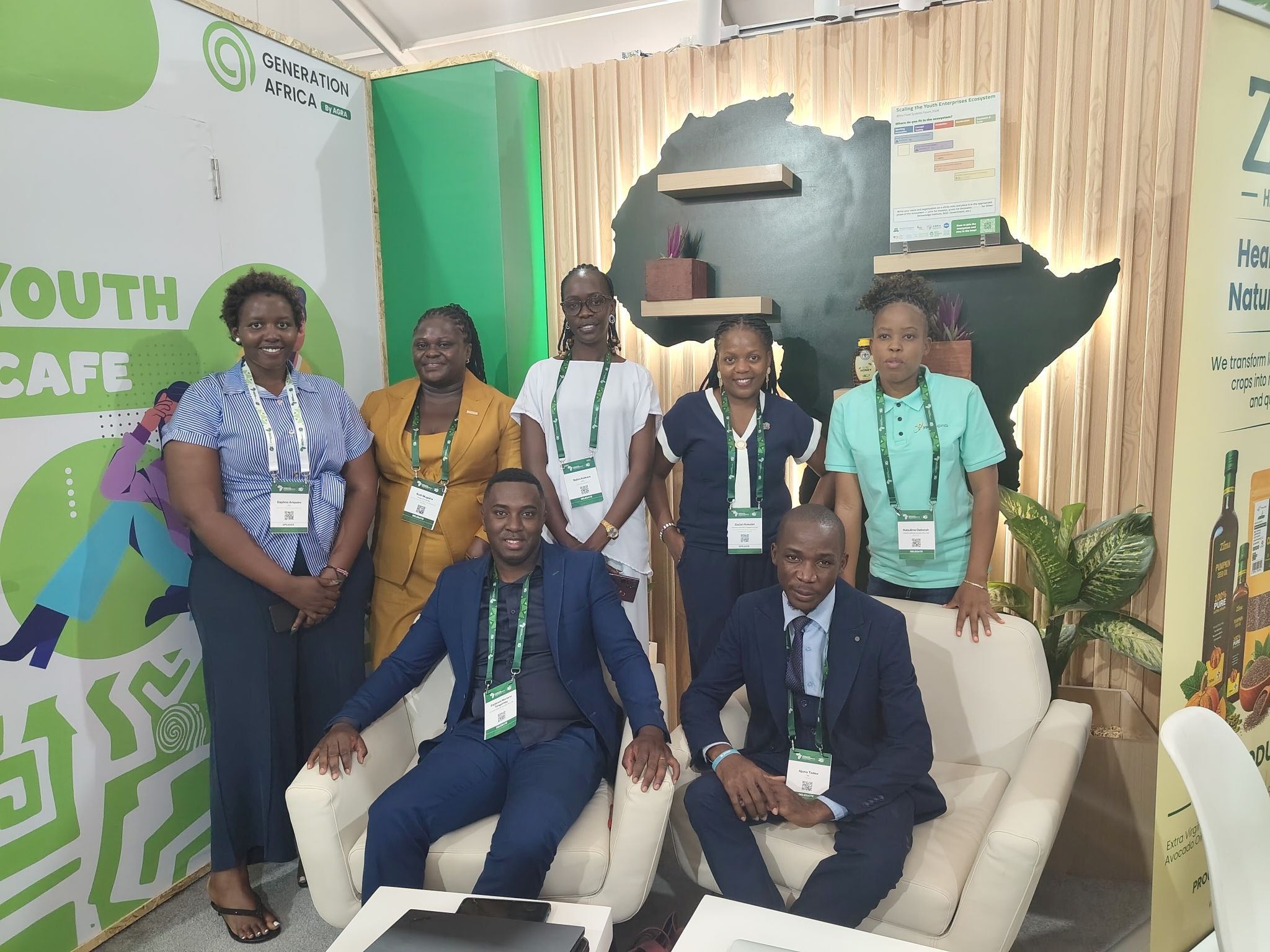
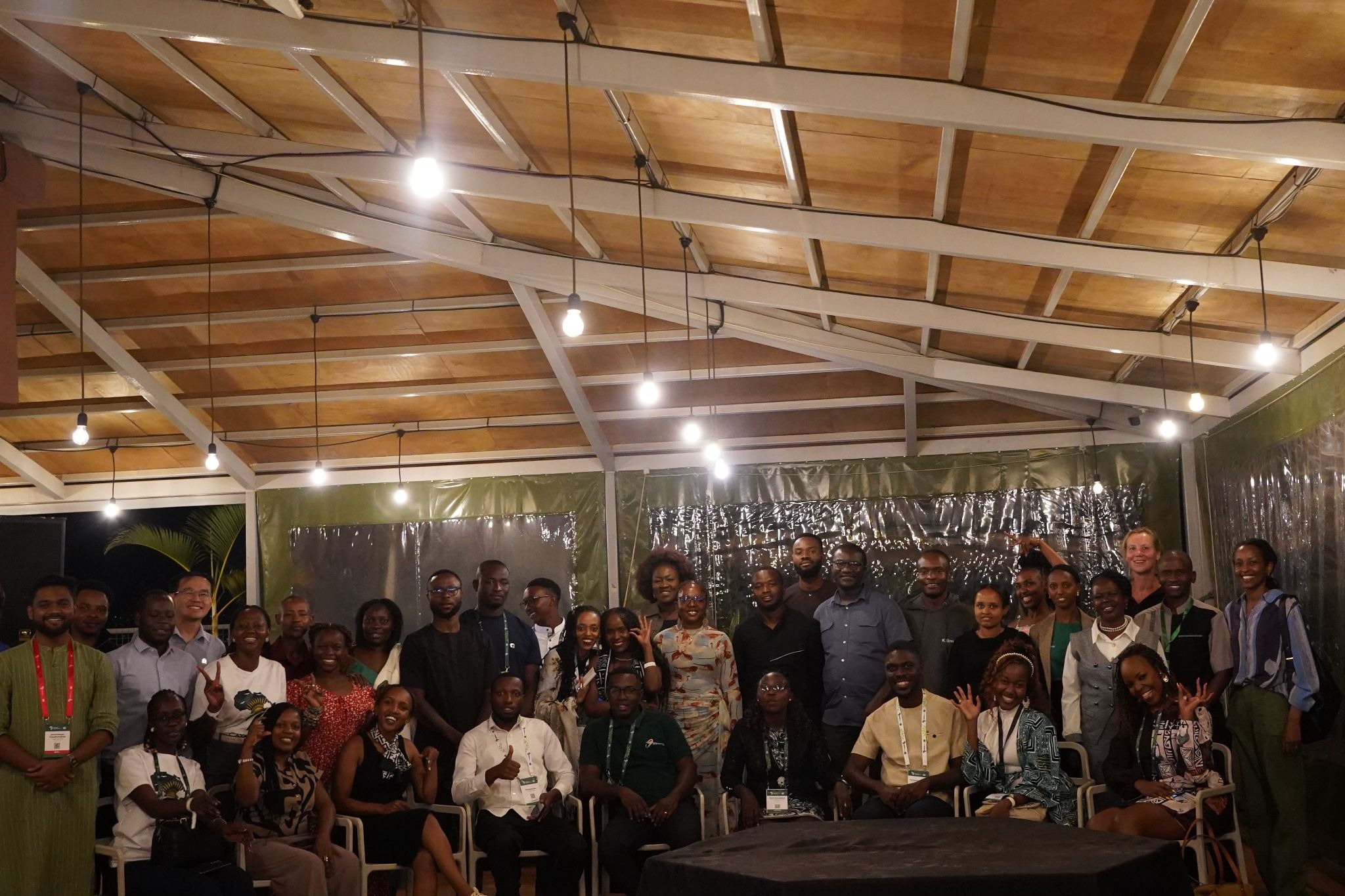
Photo above: Some of the YPARD members at AFSF