.png)

In the Southwest Region of Cameroon, Kids4Agroecology is a fellow-led, school-based community solutions project initiated by Tabe Brandon, a young agroecology fellow committed to strengthening local food systems through education and youth engagement. Implemented through hands-on Agroecology Clubs, the project reconnects children to the land, to healthy diets, and to sustainable living by integrating vegetable gardening, nutrition education, and environmental awareness into everyday school life. Launched in the Tiko Sub-division, Kids4Agroecology reflects Tabe Brandon’s vision of using schools as entry points for long-term community transformation where children, teachers, and families learn by doing and grow together towards strengthening agri-food systems and environmental resilience.
Communities in the Southwest Region of Cameroon continue to face food insecurity, poor dietary diversity, and limited awareness of sustainable food systems. Many households rely on imported or highly processed foods, while schools often lack structured programs that help children understand where food comes from or how it can be grown sustainably. Through his fellowship, Tabe Brandon identified schools as critical spaces to rebuild connections between young people and local food systems. Kids4Agroecology responds to these gaps by embedding agroecology into school life, promoting healthier eating habits while fostering environmental responsibility from an early age.
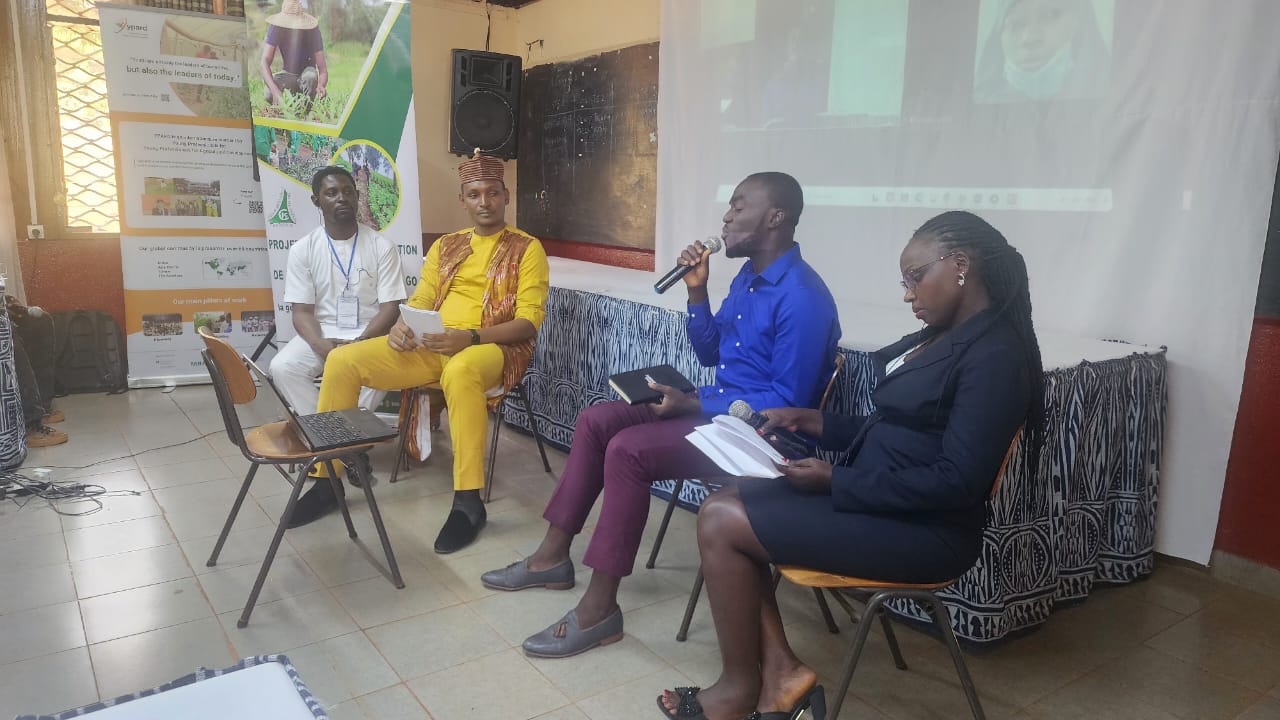
Brandon’s journey sofar as a WYNA Community Solutions Fellow stands as a compelling example of purpose-driven growth and leadership in agroecology. From the outset, the fellowship provided an immersive exploration into the interconnectedness of food systems, deepening his understanding and sharpening his sense of responsibility in advancing sustainable agriculture. As he reflects, “the fellowship has opened my eyes to the deeper connections within our food systems and the role I must play in shaping a sustainable future.” This transformative learning experience has significantly strengthened his work with the Kids4Agroecology Project, equipping him with the knowledge, practical tools, and confidence to mentor and inspire young people as emerging leaders in Africa’s food systems. “I’m now better equipped to nurture young minds and inspire leadership in agroecology,” he noted. Despite being only a few months into the program, Brandon has demonstrated remarkable initiative swiftly translating knowledge into actions that have caused notable changes within his community. His continued enthusiasm for learning, collaboration, and peer exchange underscores the fellowship’s value as a catalyst for long-term change. “I am loving this journey and look forward to growing alongside others passionate about transforming our food systems,” he adds. Brandon’s story reflects not only personal transformation but also the broader potential of the WYNA Fellowship to nurture a new generation of committed, capable leaders driving sustainable and resilient food systems across Africa.
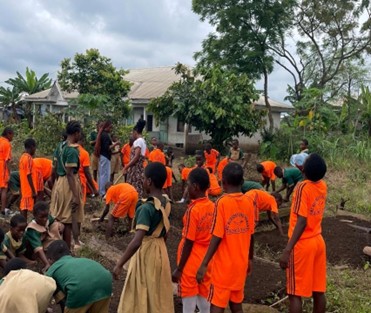
At the core of Kids4Agroecology are school-based Agroecology Clubs facilitated under Tabe Brandon’s leadership and in collaboration with teachers and parents. Pupils actively establish and manage vegetable gardens within their school compounds, using practical, age-appropriate learning methods. Children are introduced to key agroecological practices including soil health management, composting, seed saving, biodiversity-friendly planting, and natural pest management. Nutrition education is woven into garden activities, helping pupils make clear links between what they grow, what they eat, and how food choices affect their health.
Recognizing that sustainable food systems must also be economically viable, Brandon through the community solutions project has introduced simple agribusiness concepts that suite the school contexts. Under the initiative, pupils and school communities learn basic skills such as planning production, managing surplus harvests, and understanding local food value chains. These lessons help reposition farming as a dignified and viable livelihood while showing the economic and social value of agroecological practices. Brandon has further realised that for many children, this is their first exposure to agriculture as both a science and a pathway for future opportunity.
The primary beneficiaries of Kids4Agroecology are school children, who gain access to fresh vegetables, improved nutrition knowledge, and practical skills that can be applied at home and in the future. Teachers benefit through mentorship, training, and access to learning resources that strengthen their capacity to deliver environmental and nutrition education. Families and the wider community benefit from increased awareness of organic and agroecological practices, as well as from surplus produce generated by school gardens. The community-driven model where students, parents, and teachers jointly manage gardens builds shared ownership and reinforces continuity beyond the fellowship period.
To ensure sustainability, proceeds from the sale of surplus vegetables are reinvested into seeds, tools, and subsequent planting cycles. This circular approach demonstrates self-reliance and reinforces lessons on resource management for both pupils and communities. As a community solutions project, Kids4Agroecology seeks partnerships with local agricultural extension services, NGOs, and government institutions to strengthen technical capacity and expand to additional schools. Priority support needs include training materials and toolkits, funding for garden infrastructure and irrigation, and institutional collaboration to integrate agroecology into school curricula and feeding programs.
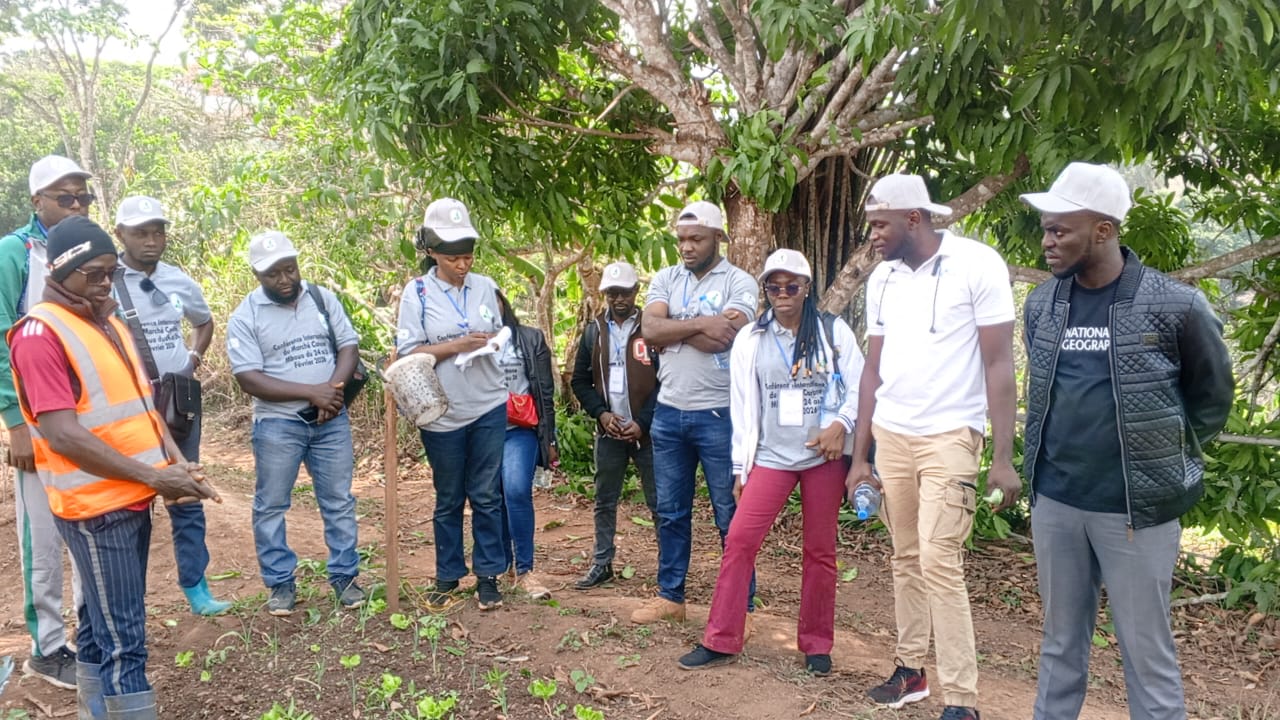
Kids4Agroecology exemplifies how fellow-led community solutions can drive meaningful, grassroots impact. Through Tabe Brandon’s leadership, the project empowers children as active agents of sustainability while strengthening community ties to local food systems.