
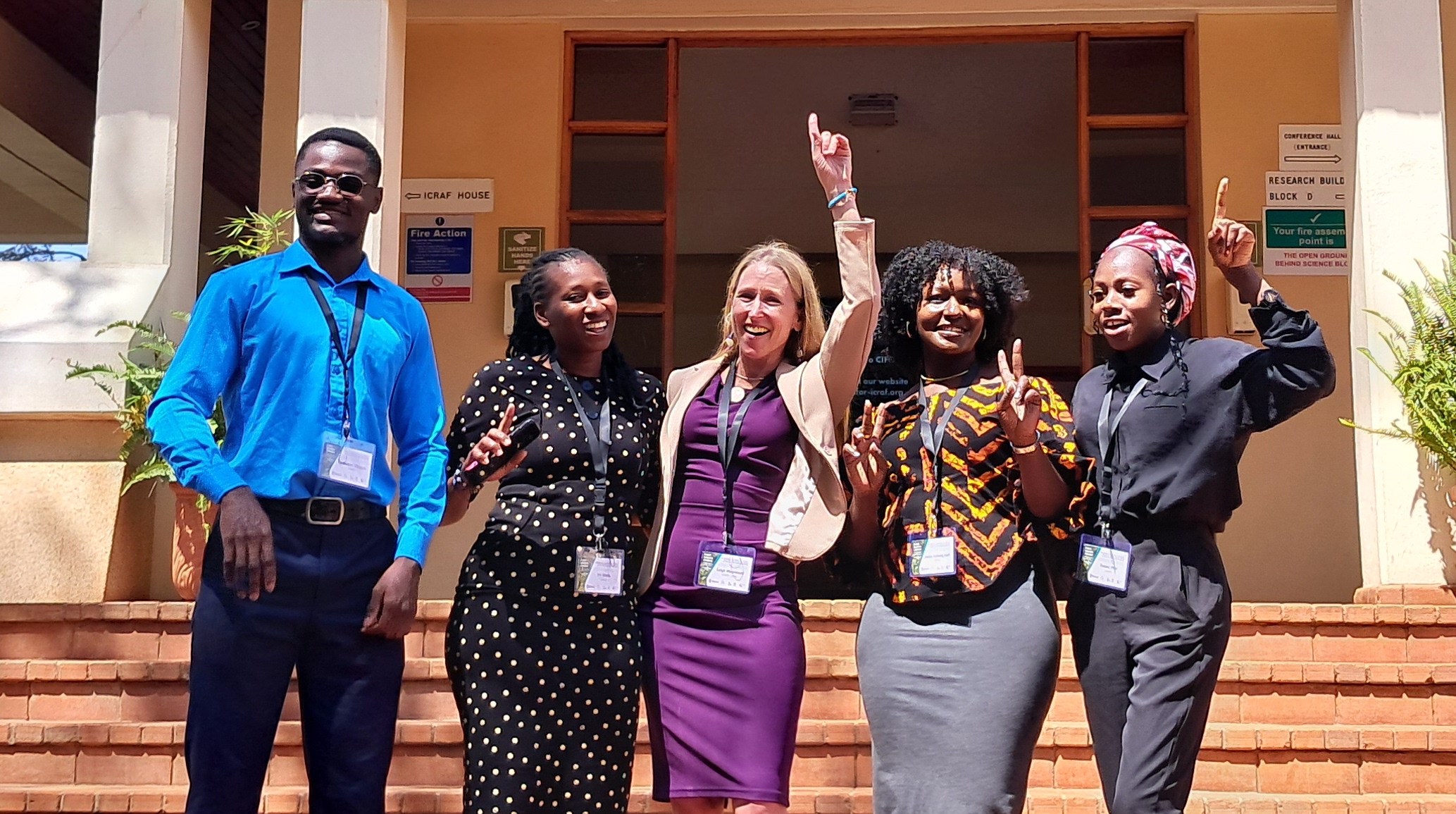

On 27–28 January 2026, young agrifood system leaders from across Eastern and Southern Africa gathered at the CIFOR-ICRAF Campus in Nairobi for the Soil Health Knowledge Exchange Workshop.
The workshop brought together researchers, policymakers, development partners, civil society, private sector actors, and farmer organizations from Kenya, Ghana, Malawi, and Tanzania to explore how soil data and knowledge can be better shared and used to advance sustainable land management, food security, and resilient agrifood systems. Within this diverse multi-stakeholder space, the YPARD played a visible and strategic role in championing youth-centered approaches to soil health action.
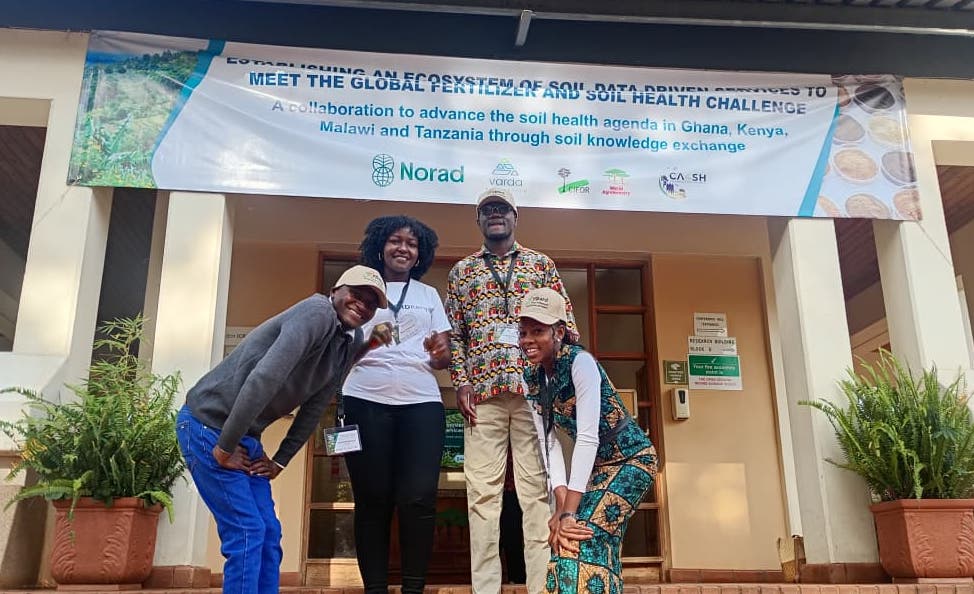
Building on insights from a 2024 soil knowledge exchange pilot in Kenya and Tanzania, the workshop focused on identifying priority use cases for soil data, strengthening collaboration, and co-designing next steps for the SoilHive platform—an open-source soil data and information service. Throughout plenary sessions, panel discussions, and co-design workshops, participants examined how data-driven soil services can support evidence-based decision-making, address land degradation and biodiversity loss, and improve food and nutrition security.
During the group discussions, the YPARD delegation introduced a youth-focused use case centered on capacity building, innovation, and community engagement for soil health. YPARD emphasized that limited access to soil data remains a major barrier for young people working in agriculture and natural resource management. Without timely, accessible, and usable soil information, many young practitioners are constrained to adopt low-yielding and often unsustainable practices.
YPARD highlighted that when young people are equipped with relevant soil data and knowledge, they are better positioned to innovate, support farmers and pastoralists, and engage meaningfully in policy processes at both local and national levels. Youth, the team noted, are not just beneficiaries of soil health interventions but critical actors who can translate data into action on the ground.
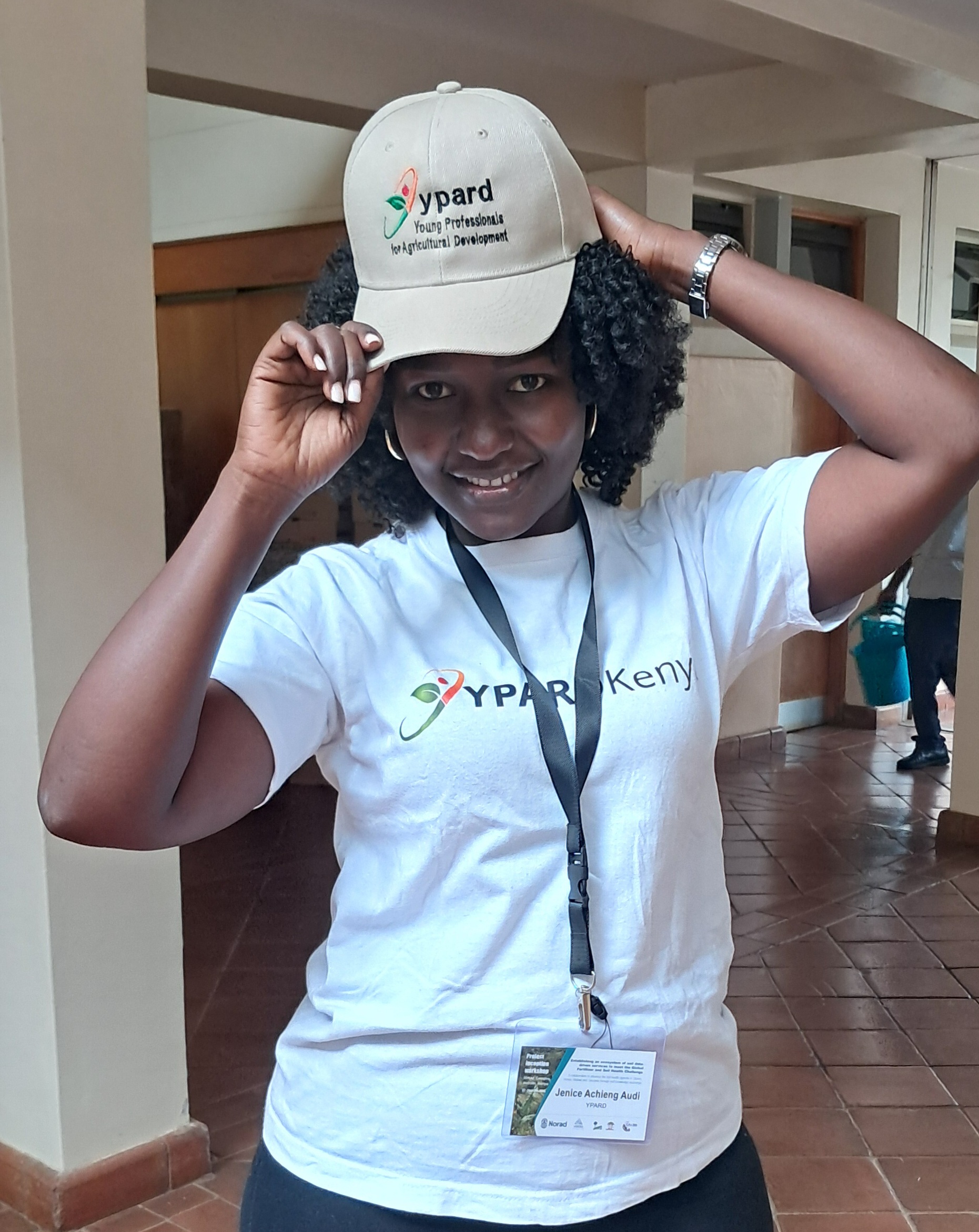
To bridge the gap between complex soil data and real-world application, YPARD proposed practical implementation pathways tailored to youth needs. These included demystifying and packaging soil data into formats and language that are accessible to young people, raising awareness through traditional and digital media, and strengthening capacity through training-of-trainers models, mentorship, and community-based learning approaches.
During the group discussions, the YPARD delegation introduced a youth-focused use case centered on capacity building, innovation, and community engagement for soil health. YPARD emphasized that limited access to soil data remains a major barrier for young people working in agriculture and natural resource management. Without timely, accessible, and usable soil information, many young practitioners are constrained to adopt low-yielding and often unsustainable practices.
YPARD highlighted that when young people are equipped with relevant soil data and knowledge, they are better positioned to innovate, support farmers and pastoralists, and engage meaningfully in policy processes at both local and national levels.
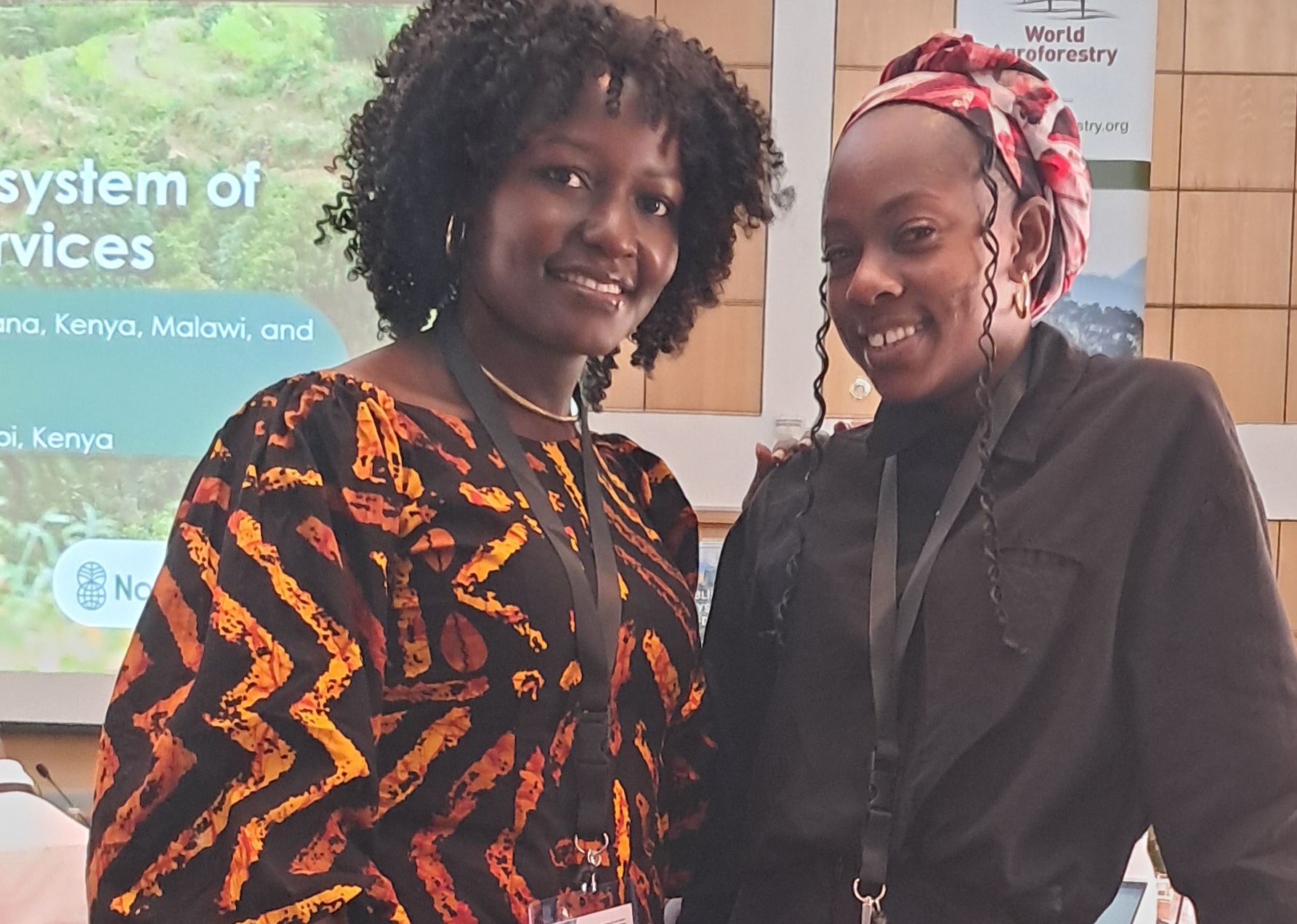
YPARD perspectives were further amplified during the panel discussions through contributions from Lordestus Otuoma (YPARD Kenya) and Sussana Phiri (YPARD Zambia, also representing CA4SH). Both panelists reinforced the central role of youth in advancing soil health and called for more meaningful and inclusive engagement.
Lordestus Otuoma emphasized the need to translate technical soil information into practical insights that young people can easily understand and apply. He noted that soil data must be communicated in ways that are relatable, actionable, and relevant to the realities young agripreneurs and practitioners face on the ground.
Sussana Phiri highlighted the importance of long-term engagement with youth in soil health initiatives. She stressed that effective youth involvement goes beyond short-term incentives or project-based participation. While access to finance is important, she noted that many young people are equally motivated by purpose, learning, and the opportunity to contribute to sustainable land and food systems.
The Nairobi workshop officially launched a three-year journey that will be implemented in Ghana, Kenya, Malawi, and Tanzania. For YPARD, the inception meeting reaffirmed the network’s commitment to ensuring that youth voices, capacities, and innovations are embedded at the heart of soil health data ecosystems.
YPARD members who participated in the workshop included Sussana Phiri (Country Representative, Zambia), Jenice Achieng Audi (Country Representative, Kenya), Daniel Sanga (YPARD Tanzania), Lordestus Otuoma (YPARD Kenya), and Ivy Gloria (YPARD Kenya). Their engagement demonstrated the growing role of organized youth networks in shaping inclusive, data-driven solutions for sustainable soil and agrifood systems in Africa.

.jpg)