
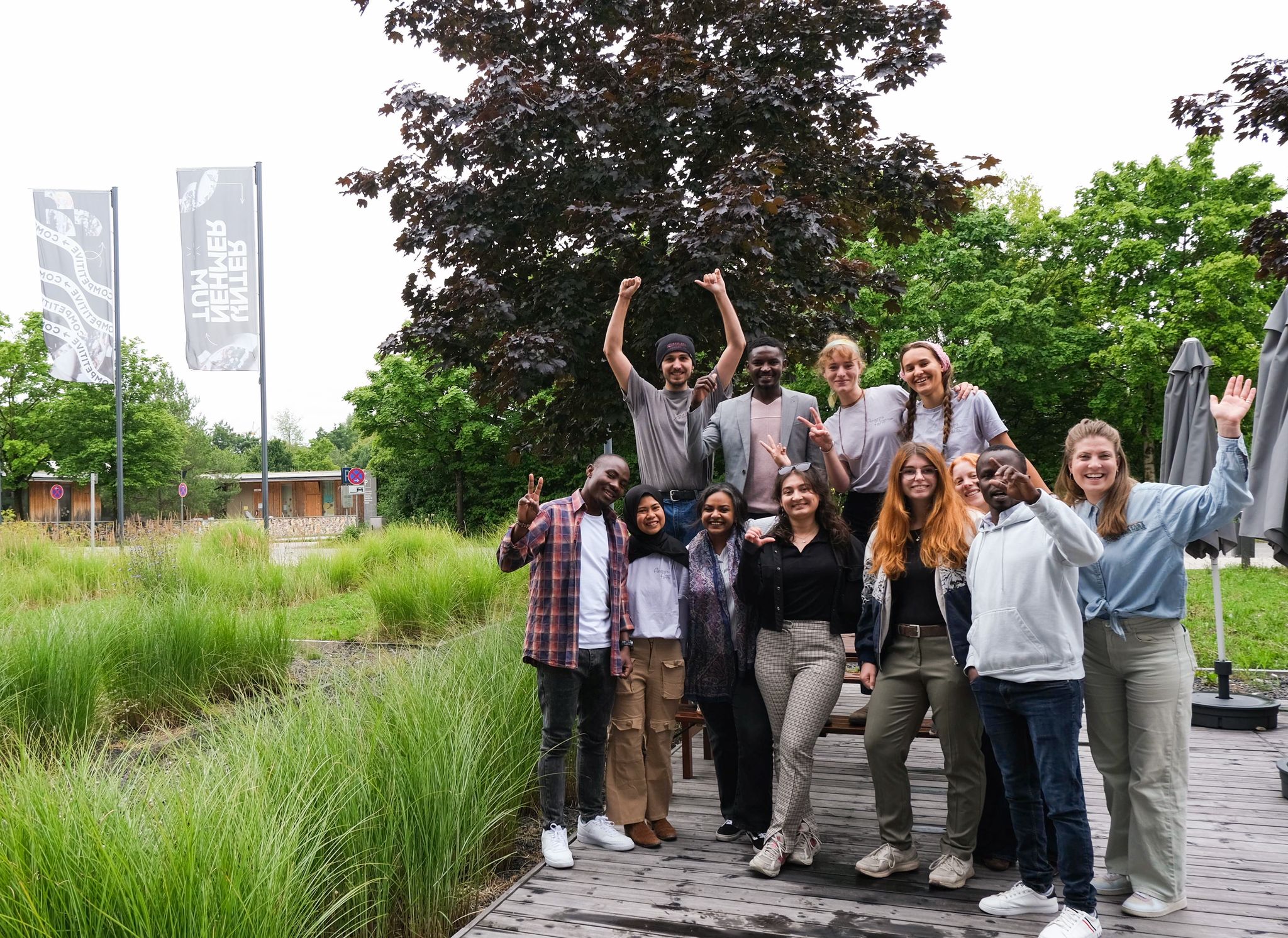

A youth innovation programme funded by EIT Food and Seeding the Future Foundation and led by YPARD and YPP, the Challenge supported five youth-led teams across Europe working on practical solutions to agrifood systems challenges. Through mentorship, funding, training, and international networking opportunities, the Challenge helped the teams to transform ideas into concrete projects with real-world impact.
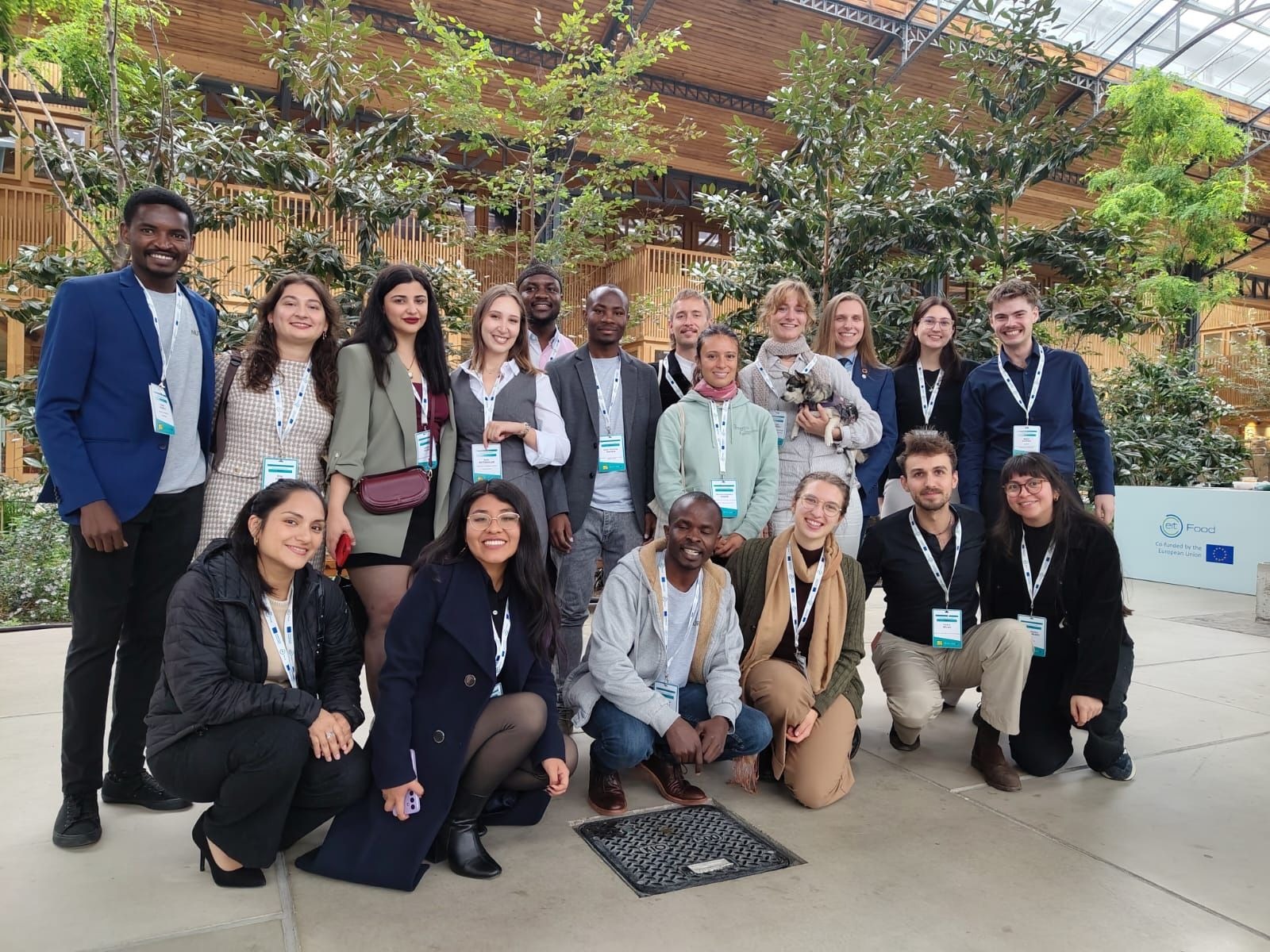
From agroecology and sustainable procurement to food innovation and education, the programme provided a platform for young people to experiment, collaborate, and scale solutions. Over the course of the Challenge, participating teams strengthened their technical, organisational, and communication capacities while engaging diverse communities, building international friendships, and reaching hundreds of young people across Europe and beyond. They participated in an intensive business bootcamp at TU Munich which discussed business plan development, branding, communication, and training on pitching their ideas. At the end of the Challenge, the teams presented their projects at the flagship event of EIT Food, Next Bite 2025, in Brussels, Belgium.
The Menu for Change Challenge showcased the ingenuity, energy, and commitment of the teams. Each project followed a unique path. Starting from early concepts and exploratory ideas to structured projects that needed scaling, each team ended the Challenge with tangible outputs and measurable impact. Together, they demonstrate how youth-driven innovation can reshape food systems through education, research, policy engagement, and product development, and reinforce that the need of the hour in today's world is community over competition.
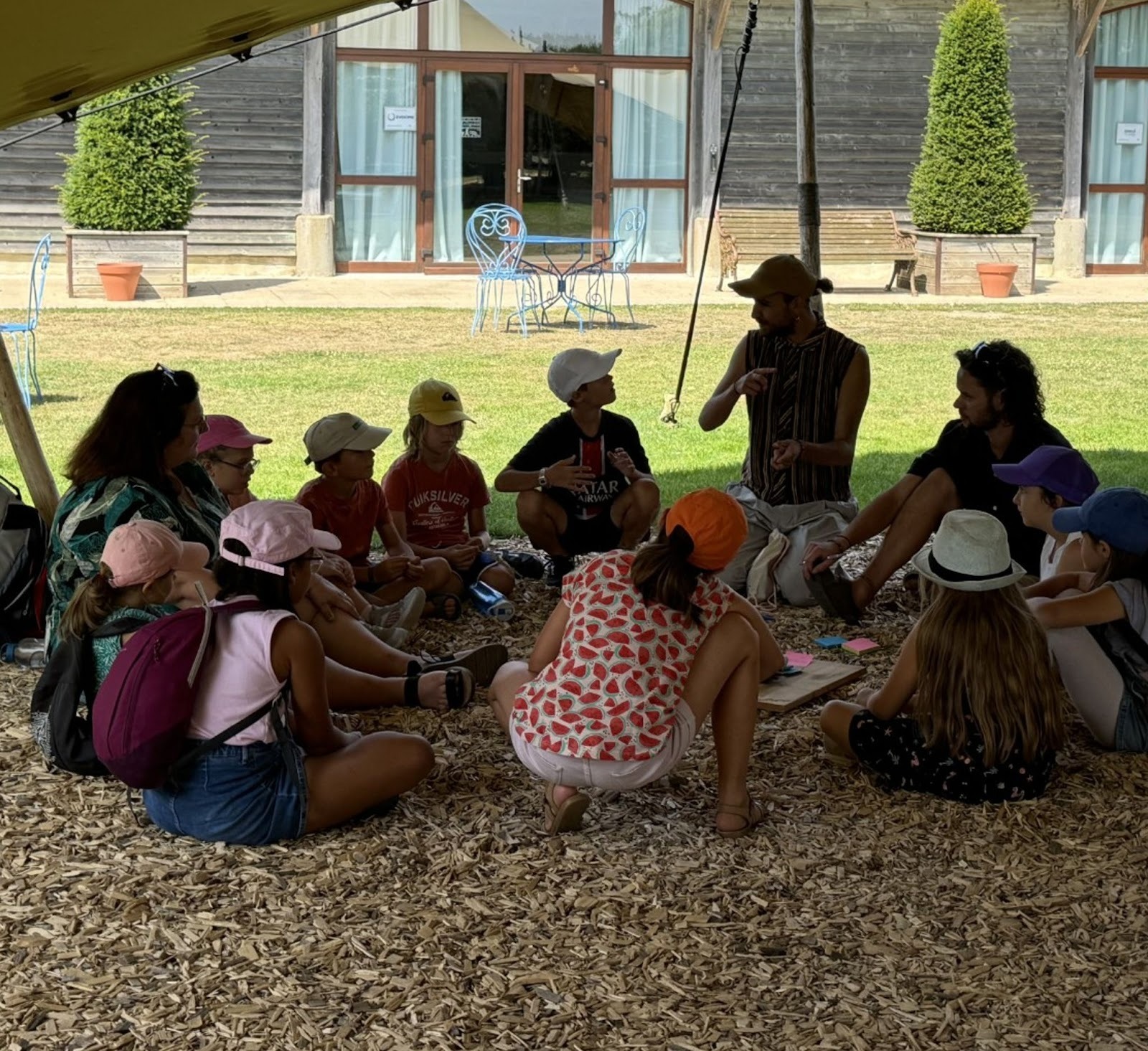
Agroboros began with a vision to help children understand where food comes from and how it connects to the environment.
Reconnecting children with agriculture at a time when many children, especially those growing up in urban areas, are losing meaningful links to farming and food production is the project’s guiding principle. To address this the team planned to establish summer camps, day camps, and weekend camps on working farms where children can experience hands-on, immersive learning over three to five days. Initially, this was largely a conceptual framework combining agroecology and educational storytelling, with one practical trial run carried out in the past. Over the Challenge, the team was able to transform this vision into a structured project with real momentum. A key goal was to design a full, ready-to-run summer camp program in Germany in partnership with a farm that already has pedagogical experience.
The team developed a structured curriculum and content booklet that included hands-on workshops on planting, composting, and caring for farm animals, integrated with storytelling, art, and music. The funding from the Challenge also supported the team to take the initial steps of establishing a legal body for Agroboros. Furthermore, they were able to recruit an intern and two Academic Consultancy Groups for supporting the project development. They also designed a roadmap for creating a digital tool that supports the curriculum and extends learning beyond the camp.
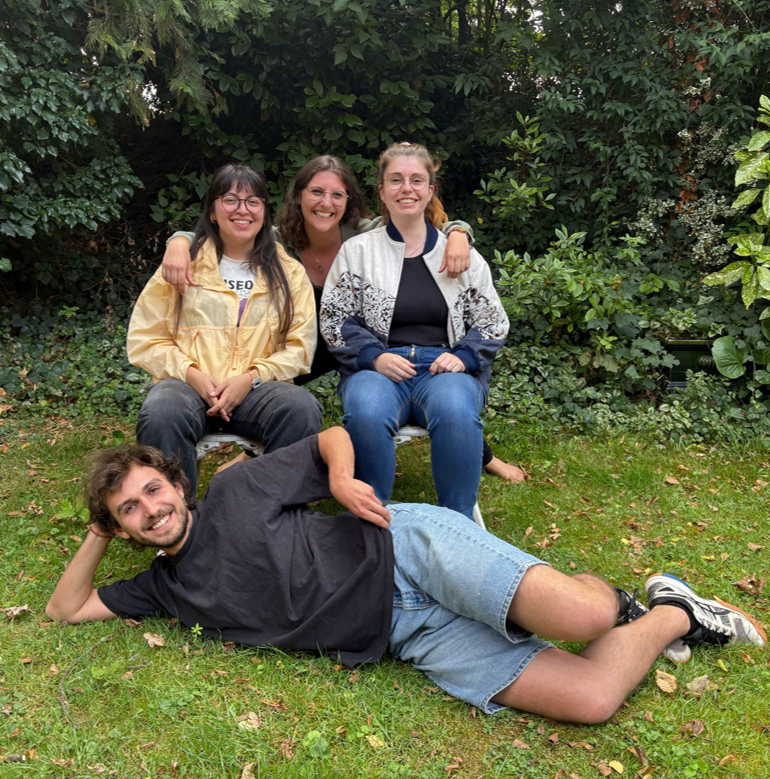
The team’s approach combined education and play to foster environmental literacy: “Our goal was to create immersive experiences that connect children with food systems in a way that sparks curiosity and care for the environment,” said Esteve Helias, co-founder. By piloting these activities and establishing partnerships with local farms, the project reached 30–50 young people, with social media engagement and networking at events broadening the impact.
By the end of the Challenge, Agroboros had established the foundations for a recurring summer camp program, a digital extension for schools, and a model for integrating agroecology with arts-based learning. Their overall roadmap is about building credibility, testing the concept in real conditions, and laying the groundwork for scaling Agroboros in the following years. Their next summer camp is planned for this summer in Germany.
Agroboros Featured: How to Achieve A Net Zero Food System, Food Fight Podcast, EIT Food
Alnarp’s Agroecology Farm is a student-run agroecological farm that provides locally grown food for the community and serves as an educational hub.
While the Farm has been operating since 2021, the Menu for Change Challenge accelerated its transformation into a structured learning environment for youth and a formally recognized center for practical education in agroecology. Initiating a curriculum development, hosting targeted workshops, and strengthening organizational capacity were key goals at the beginning of the Challenge.
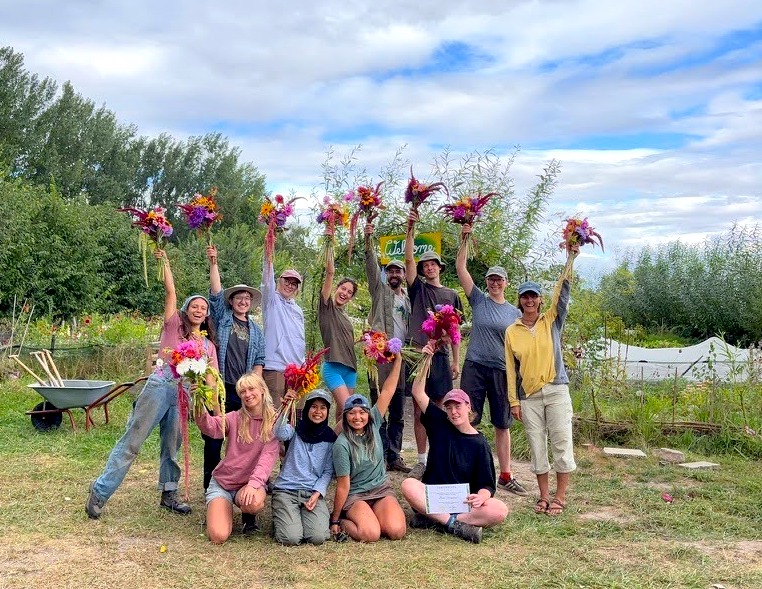
Initially, the farm hosted volunteers informally. During the Challenge, the team was able to offer formal internships to 22 young people from 8 different nationalities, 15 of whom came to Sweden only for this internship. The interns were engaged in various practical work at the farm grounds, participated in workshops, and engaged with the students and other community members during events and farm tours.
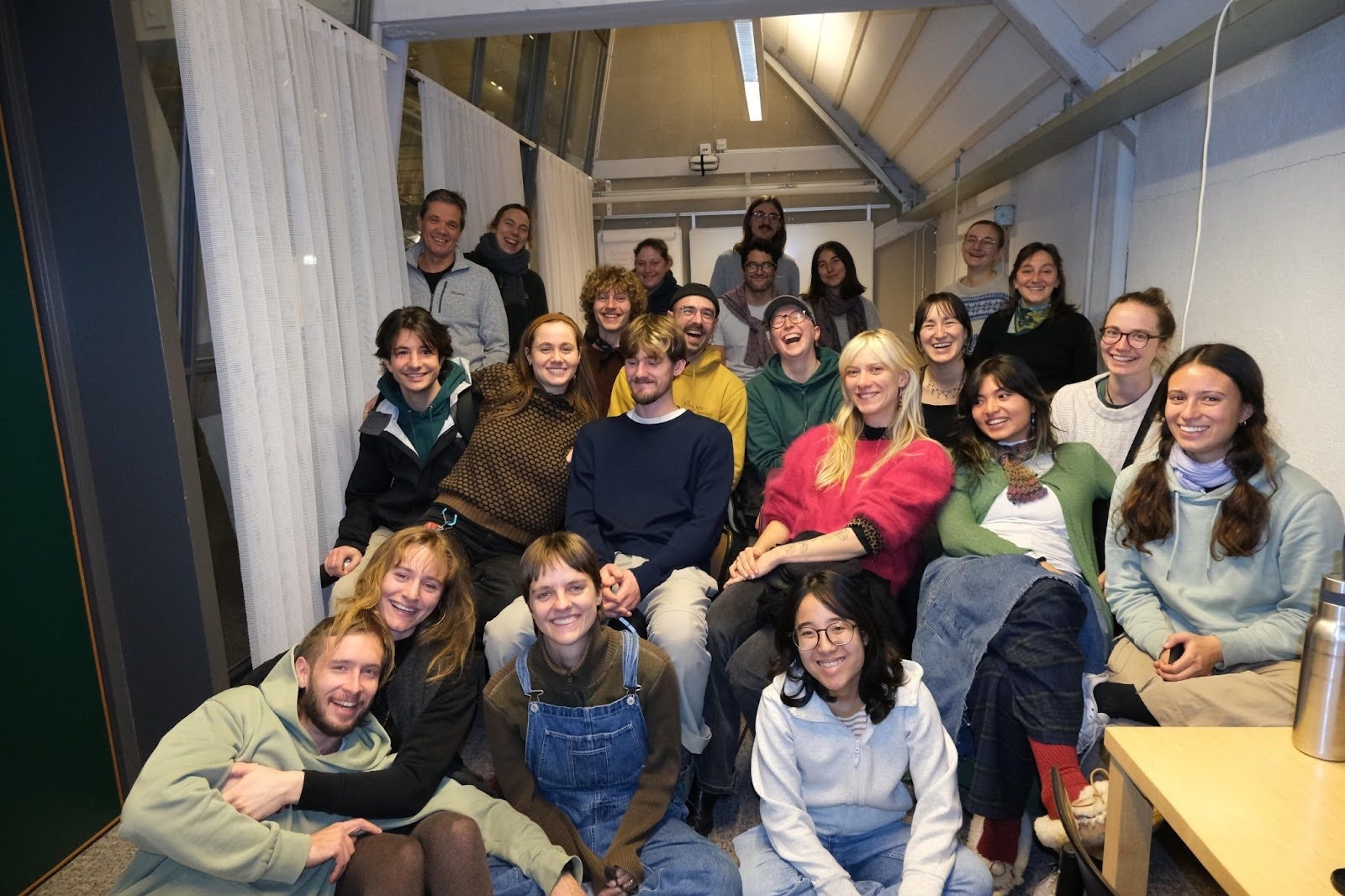
The team at Alnarp’s also organized two workshops targeting young people and engaging them in the sustainability of the Farm. The workshop “Future of the Farm” was focussed on co-creating the vision of the farm for 2030. It engaged students from Swedish University of Agricultural Sciences (SLU), Lund University, and other young people of the community on focus areas for the farm, and key implementation strategies. At the end of the workshop, the participants successfully created a vision for the organization: By 2030, we envision AAF to be a lighthouse model farm that is socially just, ecologically regenerative, and economically resilient - one that is rooted in collective action, cultivating hope for communities, future generations and the planet. We imagine people empowered through knowledge exchange, inspired by agroecology and engaging in the wider movement for food sovereignty. Our farm will function as a diverse, circular agrosystem that enhances community well-being, creates research opportunities and thus pushes the boundaries of agroecology.
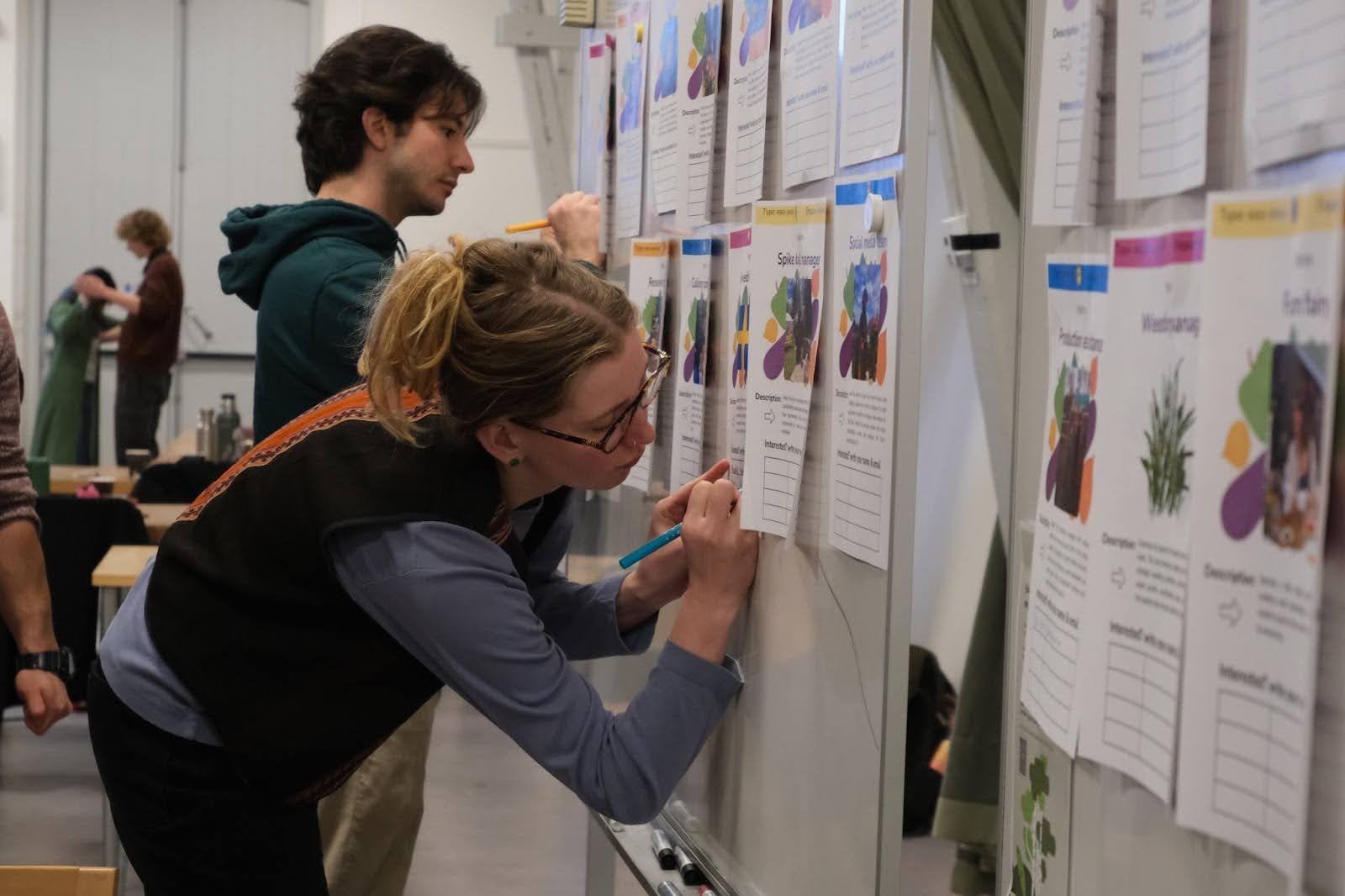
The second workshop “Future of the Board” focused on integrating new young people into the project and offering them opportunities both to learn and to share their own knowledge. The newcomers were introduced to the internal structure of the farm, and the various ways they could engage. It was also a space for participants to present their interests and skills, and align it with the farm objectives. The workshop ended with an Alnarp’s Farm “job fair,” where young people could explore all available positions for 2026, each with different levels of commitment and areas of focus.
Ingrid Svedhem, farm operations manager, reflected: “This year taught us a lot about education in agroecology and integration of young people. We hope to use this learnings and strengthen our capacities for next year. ” By connecting international students to farm operations, hosting events, and sharing insights online, Alnarp reached over 100 young people directly and engaged 4,000 more via social media.
By the end of the Challenge, Alnarp had established increased financial stability through educational programming: a fully structured curriculum, a strengthened internship program, and new leadership pathways for youth participants. Creating sustainable international networks has been a cornerstone of the Challenge: the Alnarp’s team have established a YPARD Sweden Chapter with the aim of creating more international partnerships to promote community-led initiatives like Alnarp’s.
Greenovators started their project Eco Plate for Eco Planet with a focus on creating sustainable university cafeterias.
Recognizing that universities serve thousands of students daily, generating huge amounts of food waste, the project aimed to work on reducing waste, lowering carbon and water footprints, and promoting healthier food choices through systemic cafeteria reform. The Menu for Change Challenge gave the impetus to the team to translate an initial concept into a structured, evidence-based program with clear deliverables and long-term potential.
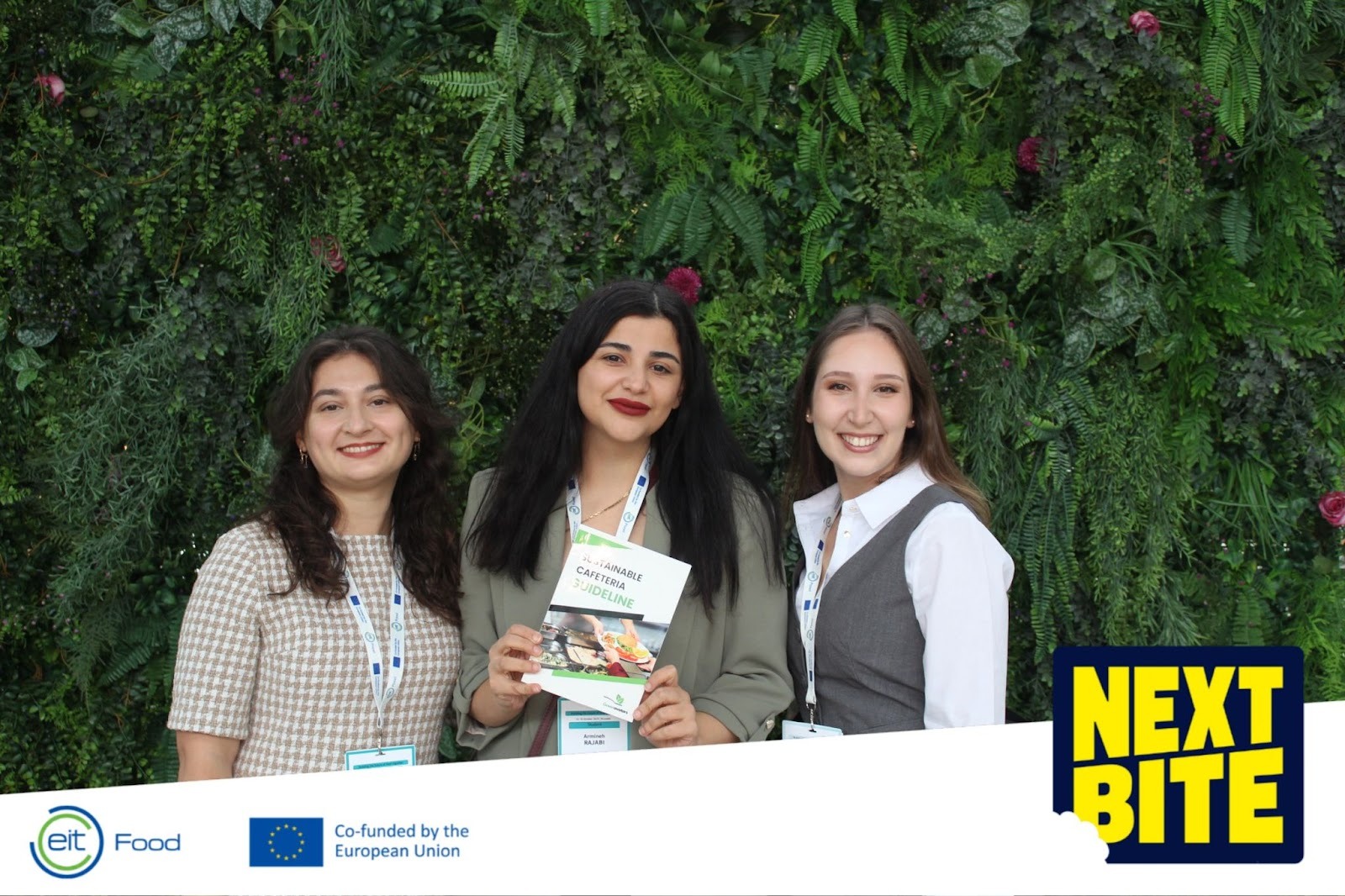
Over the course of the Challenge, the team finalized a comprehensive Sustainable Cafeteria Guideline and accompanying educational modules, enabling both university staff and students to adopt more sustainable practices. Presenting at Next Bite 2025 provided them international visibility, allowing them to engage with researchers, policymakers, and innovators working on similar challenges. A key achievement during the Challenge for the team was strengthened team collaboration, improved project communication, and established partnerships to support future expansion. Another major achievement was shaping the foundation of Greenovators’ NGO status in the future, which will enable the team to formalize their work, expand collaborations with universities, policymakers, and other stakeholders, and facilitate the publication and dissemination of their guideline to increase accessibility.
The Greenovators team will pilot the Sustainable Cafeteria Guideline implementation at the Hacettepe University, Turkey this year with staff and students.
In the future, they aim to implement it at other universities across Turkey and Europe to gather further data, refine implementation strategies, measure impact, and eventually publish a research article based on the findings. Translation of the Guideline, developing an online learning platform, and establishing partnerships that support training for cafeteria staff is also in their project roadmap. In the long term, Greenovators aspire to publish the guideline at a regional level and build a youth-led sustainability network across campuses. Their vision is to expand Eco Plate for Eco Planet across Europe and become a leading resource for sustainable university catering systems.
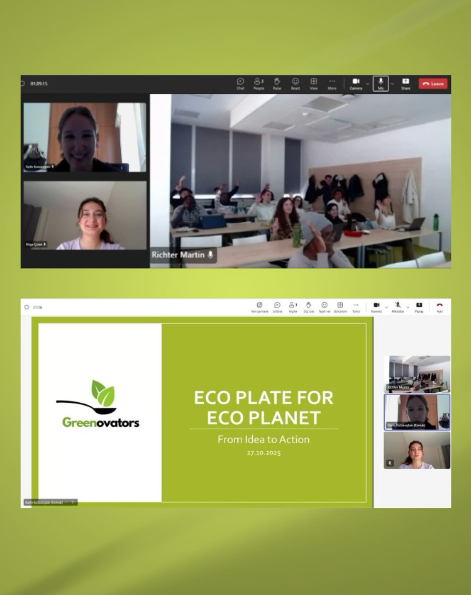
Commenting on their growth during the Challenge, the team reflected:
“We learned the value of adaptability, clear communication, and evidence-based approaches when developing sustainability projects. Collaboration with experts and peers during the Challenge helped us refine our ideas and identify innovative strategies for university food systems…We learned how to better communicate our vision, design more practical tools, and plan for long-term growth. Finally, the Challenge reinforced the importance of building networks early, as partnerships are essential for scaling impact.”
Through connections built with another team of the Challenge, the Greenovators were able to deliver an online presentation of their project at the Czech University of Life Sciences, Prague. By testing their approach in universities, workshops, and networking events, they reached over 200 young people. They have also launched their new website, along with promoting several awareness campaigns on social media.
Furthermore, like the Alnarp’s Agroecology Farm team, the Greenovators team have also established a YPARD Turkey Chapter through which they aim to spread awareness about their project to other young people in Turkey and work with other YPARD Europe Chapters to form partnerships and carry out collaborative activities.
Similar to the Greenovators team, the Menza Collective’s project also aimed to rethink how everyday food choices on campus could become more sustainable through the development of a SUSTAIN MAP.
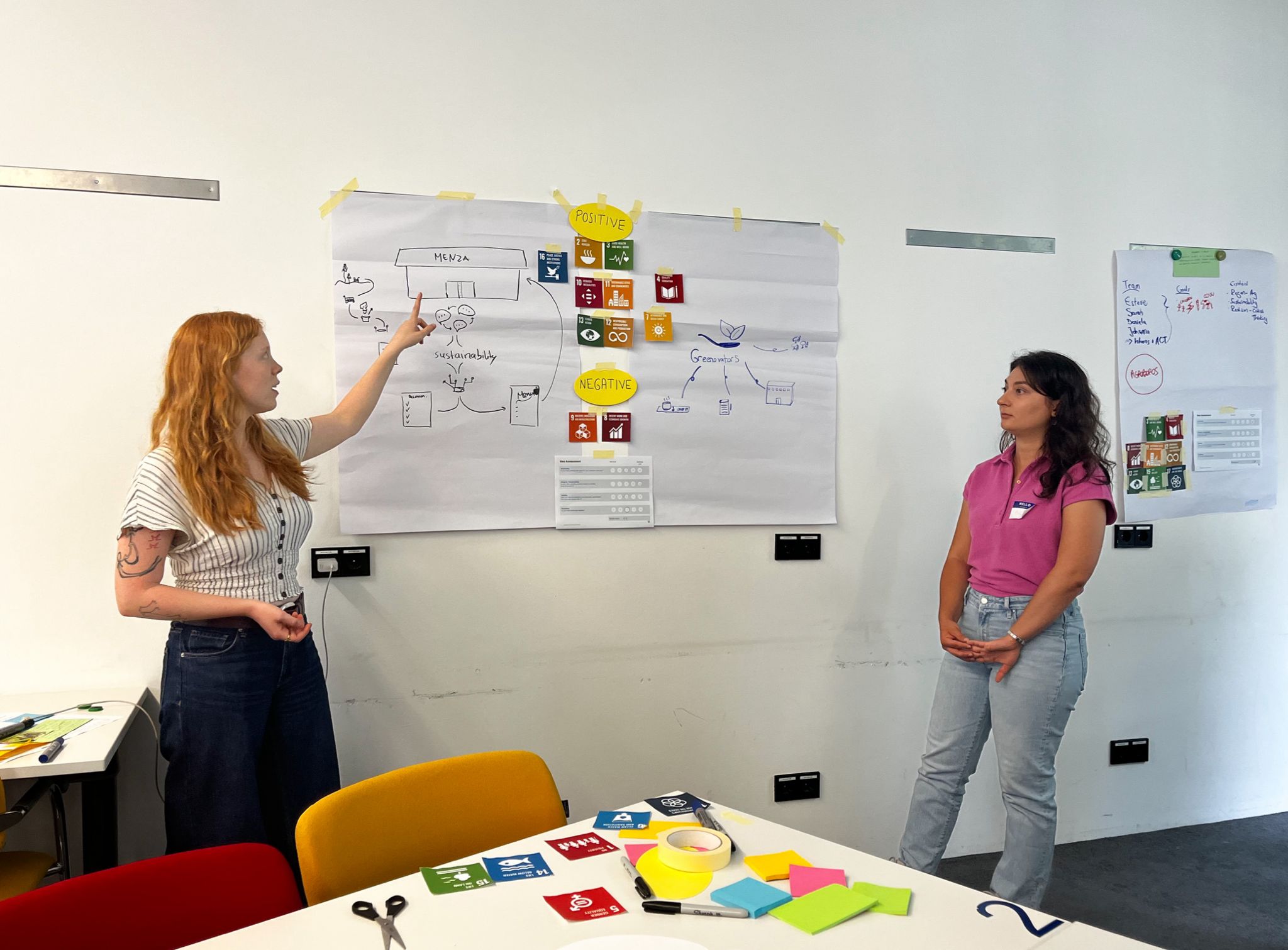
‘Menza’ meaning canteen or cafeteria in Czech and German, placed students, university staff, and cafeteria workers at the centre of the project, listening to how they understand sustainability and what they believe is feasible within the university environment. What was a research exercise before the Menu for Change Challenge, grew into a comprehensive roadmap for change over the competition. Through interviews and participatory mapping, the project uncovered not only shared aspirations for more sustainable food systems, but also tensions, constraints, and opportunities for change.
As the project evolved, it transformed diverse voices into actionable knowledge. Using qualitative interviews and participatory mapping, the project identified shared priorities, contested areas, and institutional barriers to change. It also mapped the roles of student organizations and their relationships with other actors to reveal perceived power dynamics and leverage points for action. These insights were translated into the comprehensive SUSTAIN-MAP, a structured framework of sustainability indicators and practical recommendations, bridging the gap between abstract sustainability goals and concrete institutional decision-making in procurement and cafeteria operations. The action plan combined measurable indicators, procurement tools, and prioritised interventions for cafeteria management. The indicators were designed to support evidence-informed decision-making and guide procurement procedures and operational improvements within university dining services.
Moving forward, the team aims to expand strategic partnerships and position SUSTAIN-MAP as a flexible, evidence-based instrument that can guide sustainable food procurement across universities in Central Europe and beyond. This ties well together with the objectives of the Greenovators team, with points of collaboration between the two projects. “The most valuable aspects of the Challenge were the opportunities for connection and exchange. Interactions during conferences, informal partnerships developed throughout the program, and exposure to diverse professional perspectives were particularly enriching,” the team reflected. Their work directly engaged around 200 young people through lectures, workshops, and conferences, influencing both awareness and operational change.
Menza Collective Featured: Crafting Food System Resilience in 2025, Food Fight Podcast, EIT Food
SupaBeans from Nutrika Ltd. started as a concept for pre-cooked, dehydrated kidney beans designed to reduce cooking time while supporting sustainable agriculture in Kenya.
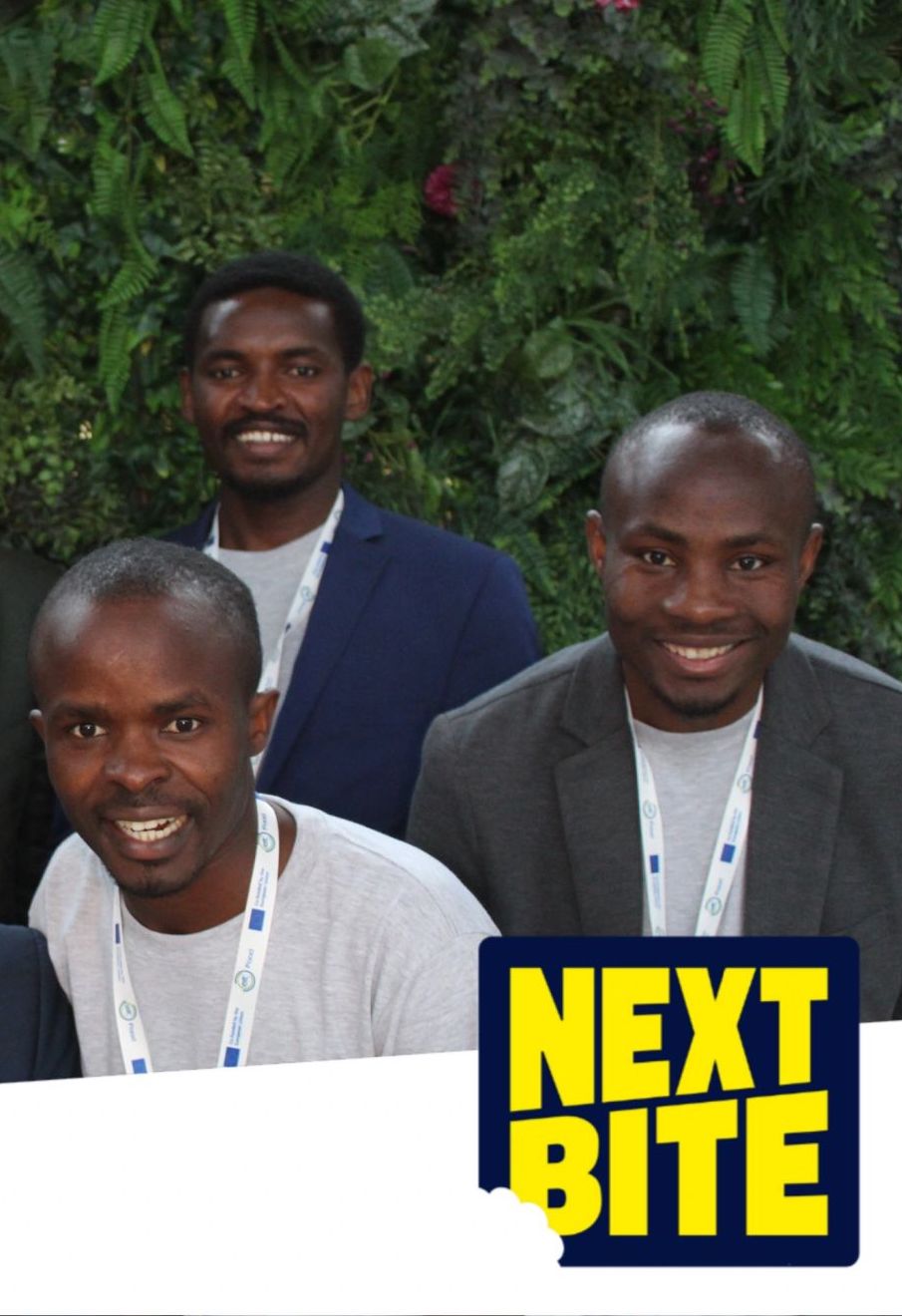
The project idea aimed to address the interconnected challenges of limited market value and sustainable practices for Kenyan smallholder bean farmers and the rising need for fast, nutritious, plant-based foods among European consumers. Throughout the Menu for Change Challenge, the team refined the product concept, conducted laboratory trials, and developed a prototype aligned with regenerative agriculture principles. The project’s broader purpose was to demonstrate how value-addition in Kenya can enhance farmer incomes and improve soil health while providing European households with convenient, sustainable protein options. The first prototype was showcased at the Next Bite event in Brussels, validating the product’s potential and opening new opportunities for market exploration and stakeholder engagement.
The next steps for SupaBeans include conducting structured consumer testing to refine product taste, convenience, and packaging based on direct feedback. Following this, the team aims to perform small-batch production trials in Kenya and laboratory experiments in Germany to evaluate prototype development, scalability and assess supply chain logistics.
The product development was a crucial milestone that the team achieved through the Challenge: “The MFC Challenge provided several key insights for the Nutrifoods team. A central lesson was the necessity of iterative experimentation in food product development, where even minor changes in factors like temperature, time, and moisture content required precision and thorough documentation,” they reflected.
A key part of the future roadmap is establishing partnerships with Kenyan farmer groups and local processors to ensure consistent raw-material quality and availability. Market research in Germany and other European regions will guide pricing, distribution channels, and product positioning. The team also plans to pursue certifications, explore branding, and pilot sales through farmers’ markets, online platforms, and specialty stores. Ultimately, the goal is to transition SupaBeans from prototype to a commercially viable, farmer-inclusive, and climate-smart food product.
Across all five projects, the Menu for Change Challenge provided mentorship, funding, and visibility that allowed young innovators to transform ideas into structured, operational projects and scale existing initiatives. Together, these teams reached hundreds of young people directly and thousands more through online engagement and networking.
The projects demonstrate the power of youth-led international cooperation, creativity, and community-led and evidence-based strategies in shaping more sustainable, resilient food systems across Europe.

.jpg)