
The 2026 World Food Forum (WFF), held at the Food and Agriculture Organization of the United Nations (FAO) headquarters in Rome, Italy, under the theme “Innovate Today. Nourish Tomorrow,” provided a global platform to highlight the role of young people in transforming agrifood systems.
Across the world, young people are driving change in their communities, advancing innovation and developing solutions to some of the most pressing challenges facing food and agriculture. While youth engagement in agrifood systems programmes and initiatives has increased significantly, their involvement often remains limited to participation in events, consultations and discussions, rather than meaningful roles in the design, implementation and decision-making processes of projects and programmes. Yet, young people have the knowledge, skills, creativity and leadership potential to go beyond being participants and beneficiaries to become active implementers and partners in driving agrifood systems transformation.
The Global Environment Facility (GEF) Food Systems Integrated Programme (FSIP) is demonstrating how this shift can be achieved. Through its partnership with Young Professionals for Agricultural Development (YPARD), the programme is moving beyond conventional approaches to youth engagement by recognizing and empowering young people as partners in programme design, implementation and accountability. At the 2026 World Food Forum, YPARD showcased this approach, championing meaningful youth engagement and highlighting practical examples of how young people are contributing to the implementation of the GEF Food Systems Integrated Programme. YPARD's engagement was reflected through its participation in several high-level events, technical discussions and strategic meetings throughout the Forum.
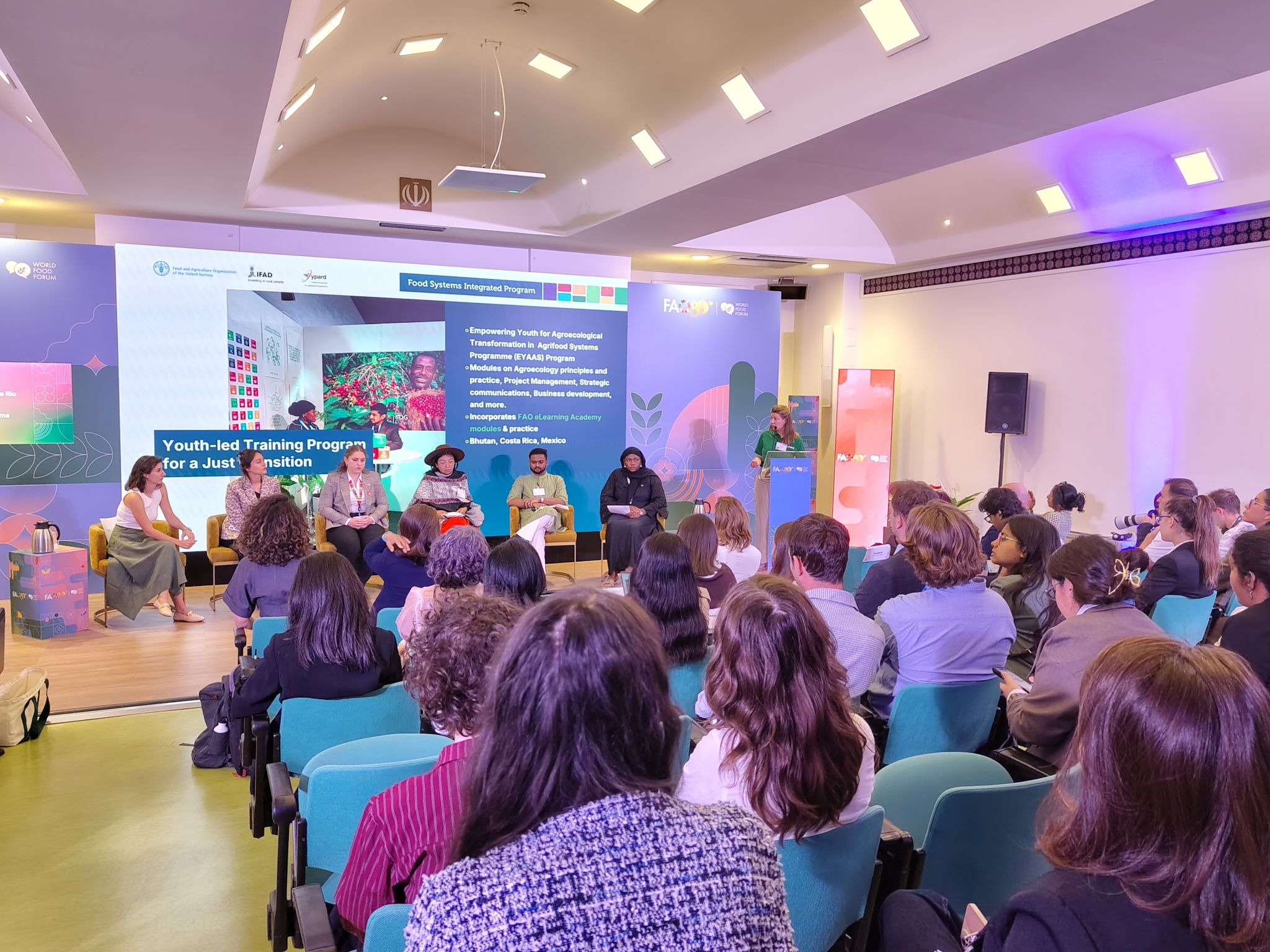
On Tuesday, 13 October 2026, YPARD participated in the WFF mainstage event titled “Youth Leadership Across the Rio Conventions: Integrated Action for Sustainable Agrifood Systems.” The session highlighted how the Youth Assembly is strengthening youth leadership, fostering intergenerational collaboration and promoting integrated action across the climate change, biodiversity and land degradation agendas through sustainable agrifood systems. The event brought together representatives of the Rio Convention Youth Caucuses and other youth delegates to explore opportunities for advancing youth leadership across these interconnected environmental priorities.
Representing YPARD and the GEF Food Systems Integrated Programme, Genna Tesdall, YPARD Global Director, delivered a presentation titled “Meaningful Youth Engagement and Empowerment Aligned with the Rio Conventions: An Example from the GEF.” Her intervention emphasized the importance of moving beyond symbolic youth participation towards meaningful engagement, empowerment and shared decision-making in agrifood systems transformation.
Drawing on Roger Hart's Ladder of Participation, Genna illustrated the different levels of youth engagement, emphasizing the need to transition from tokenistic participation and consultation towards approaches that enable young people to initiate activities, influence decisions and share leadership responsibilities with other stakeholders.At the centre of her presentation was the strategic partnership between YPARD and the GEF Food Systems Integrated Programme, which provides a practical example of how youth-led organizations can take on substantive roles in the implementation of large-scale development and environmental programmes. Through this partnership, YPARD serves as the programme's youth partner, supporting the integration of youth perspectives, strengthening accountability for youth-related results and contributing directly to programme implementation.
Genna highlighted YPARD's leadership in developing the first Youth Strategy for a GEF Integrated Programme, marking an important milestone in institutionalizing meaningful youth engagement within the FSIP. The strategy provides a framework for strengthening youth participation, leadership and empowerment across the programme's activities and participating countries.
To demonstrate how this commitment translates into practical action, Genna showcased the Empowering Youth for Agroecological Transformation in Agrifood Systems (EYAAS) Programme, a youth-led capacity development initiative being implemented in Bhutan, Costa Rica and Mexico. The programme equips young people with knowledge and practical skills in agroecological principles and practices, project management, strategic communications and business development. By combining FAO eLearning Academy modules with practical learning opportunities, EYAAS aims to strengthen young people's capacity to contribute actively to agroecological transformation and a just transition in agrifood systems.
The presentation also highlighted the Philippines as a country-level example of integrating youth engagement into FSIP implementation. With an overall youth participation target of 25%, the programme promotes youth involvement through co-created policies, youth consultations informing subnational implementation roadmaps, and youth-focused government and farmer-led extension programmes. These efforts support the adoption of diversified, climate-resilient cropping systems in rice-based landscapes while creating opportunities for young people to contribute to agricultural and environmental sustainability.
Concluding her intervention, Genna emphasized the importance of strengthening partnerships between youth-led organizations, governments and development institutions to advance meaningful youth engagement in agrifood systems transformation. She encouraged stakeholders to collaborate with YPARD and the GEF FSIP in creating opportunities for young people to contribute not only as participants and beneficiaries, but also as leaders, implementers and decision-makers.
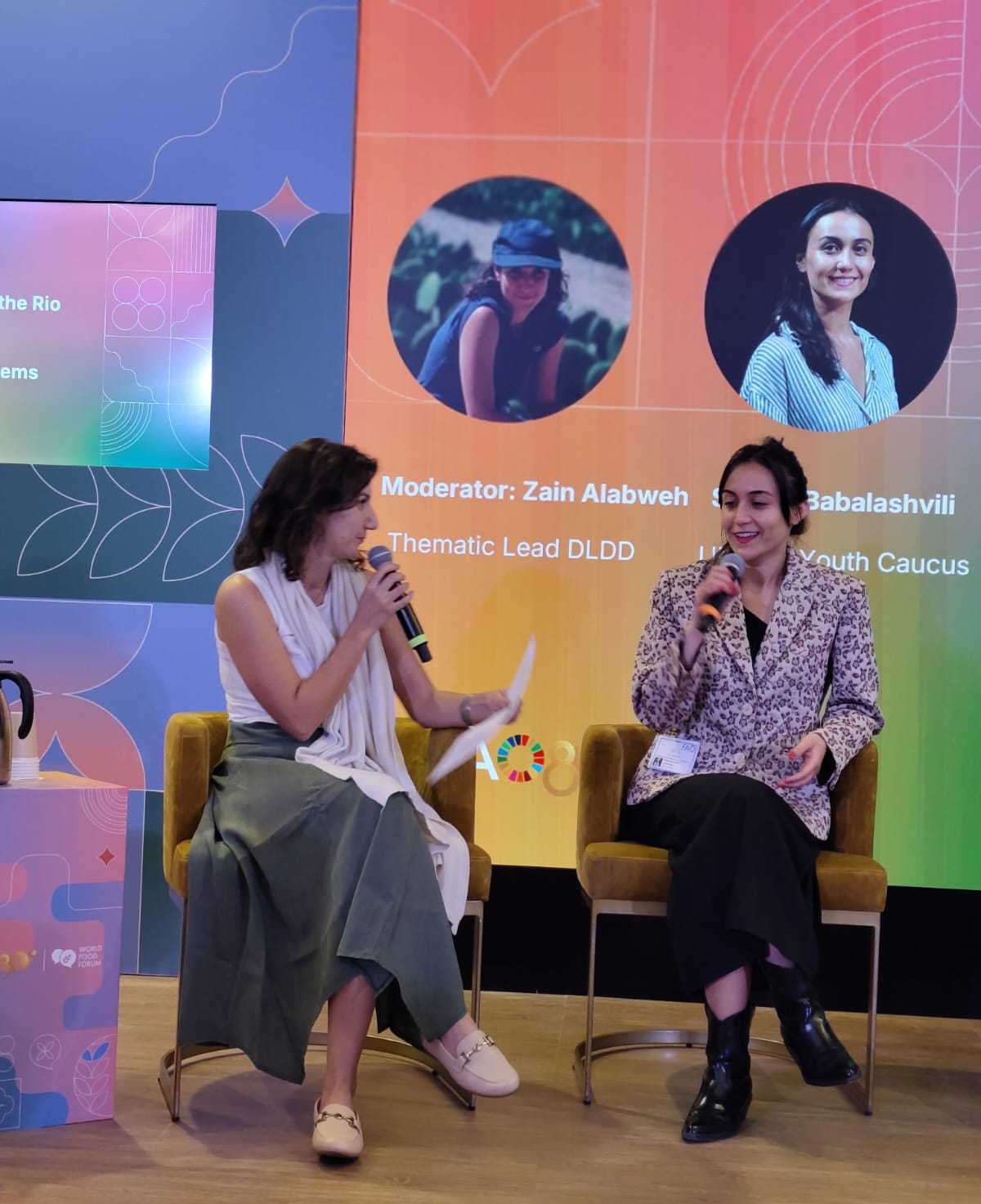
Sopiko Babalashvili, YPARD Georgia Country Representative and YPARD Policy Working Group Focal Point, UNCCD Subgroup, presented on the pannel on her experience in UNCCD. She highlighted concern over the erosion of civil society space in both the negotiation and decision-making processes demonstrated by UNCCD COP17; this reflects similar trends in other policy fora, including the Rio Conventions. Emphasis was placed on this barrier as an opportunity to strengthen links between the UNCCD, UNCBD, and UNFCCC processes, especially between civil society coordination between the conventions. She emphasized the importance of strengthening evidence-based advocacy by grounding positions and arguments in robust evidence and concrete, context-specific examples. She also highlighted the need to showcase youth-led solutions on the ground and demonstrate their social, economic, and environmental benefits. Furthermore, she called for stronger national-level coordination, networking, and advocacy, emphasizing the importance of building closer connections among national stakeholders to ensure coordinated messaging, sustained engagement, and more effective advocacy in international negotiations.
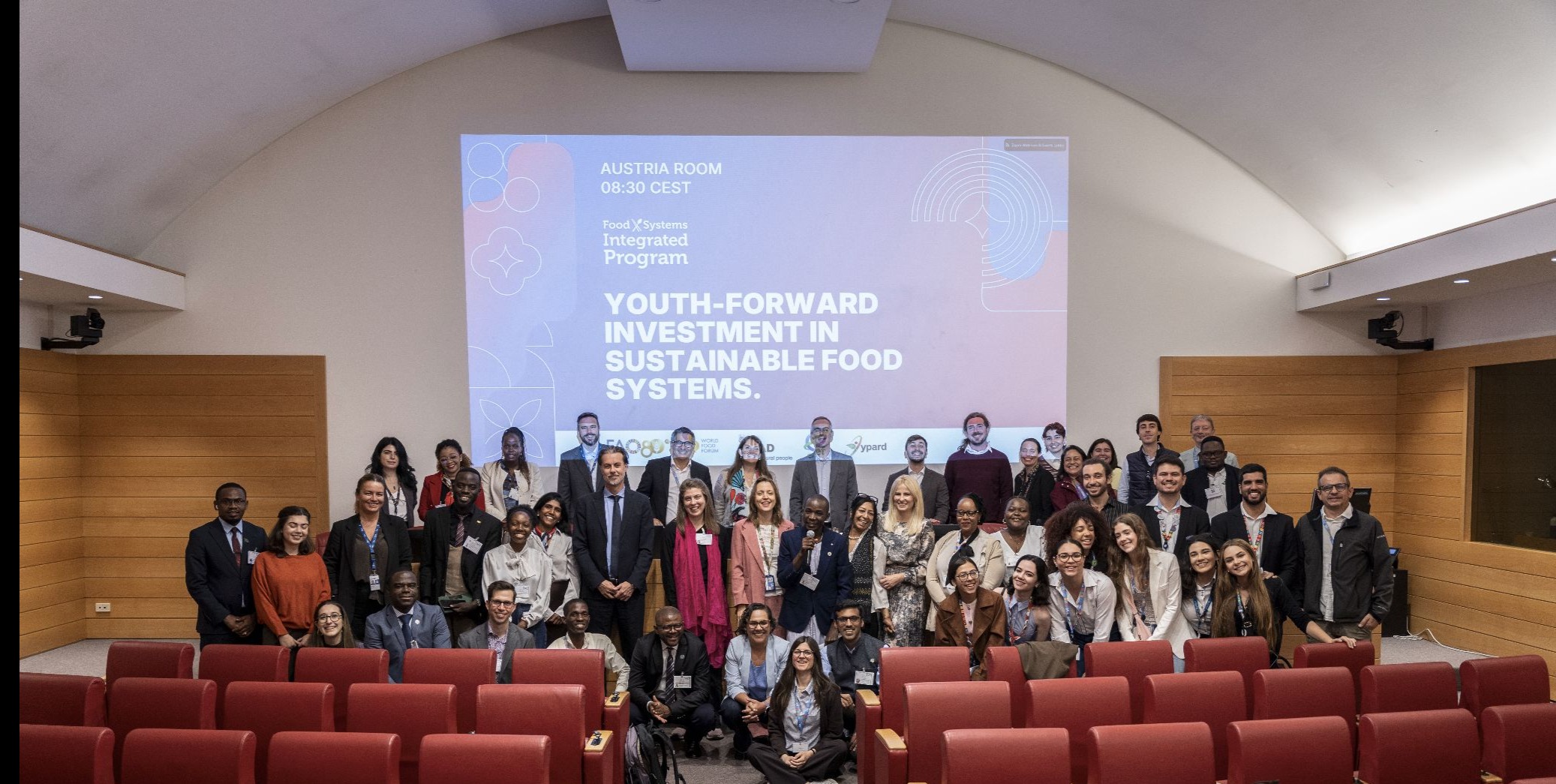
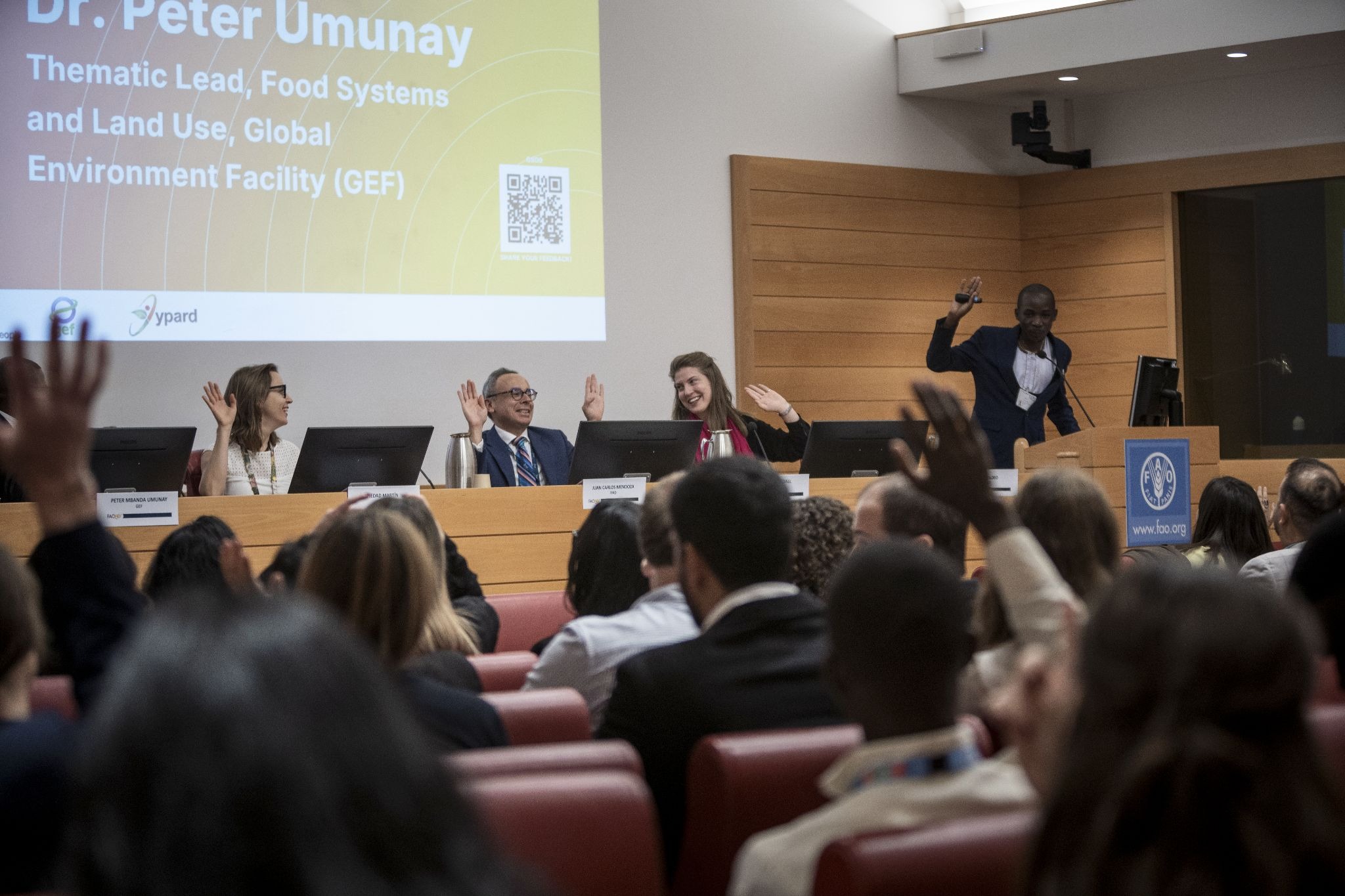
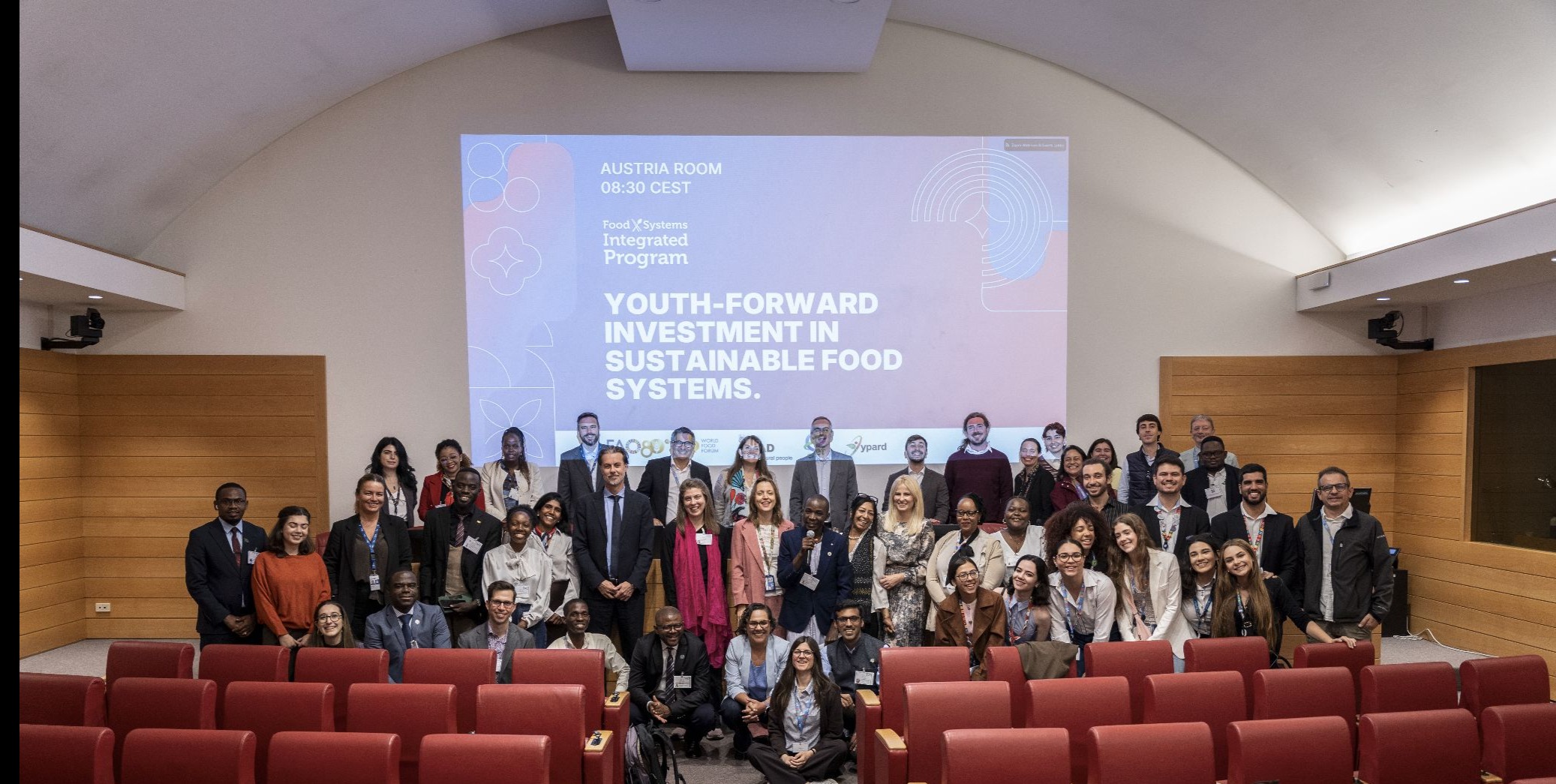
As part of the 2026 World Food Forum, YPARD actively contributed to the event “Youth-Forward Investment in Sustainable Food Systems,” organized by the Food and Agriculture Organization of the United Nations (FAO) and the International Fund for Agricultural Development (IFAD), with support from the Global Environment Facility (GEF) through the Food Systems Integrated Programme (FSIP).
Held in the Austria Room at FAO headquarters in Rome, the event brought together young people, representatives from the GEF, FAO, IFAD, civil society organizations, the private sector and other stakeholders to explore opportunities for scaling up youth-focused investments in sustainable agrifood systems. Discussions focused on the role of policies, financing mechanisms, strategic partnerships and youth-led initiatives in creating decent livelihoods and empowering young people to contribute meaningfully to agrifood systems transformation.
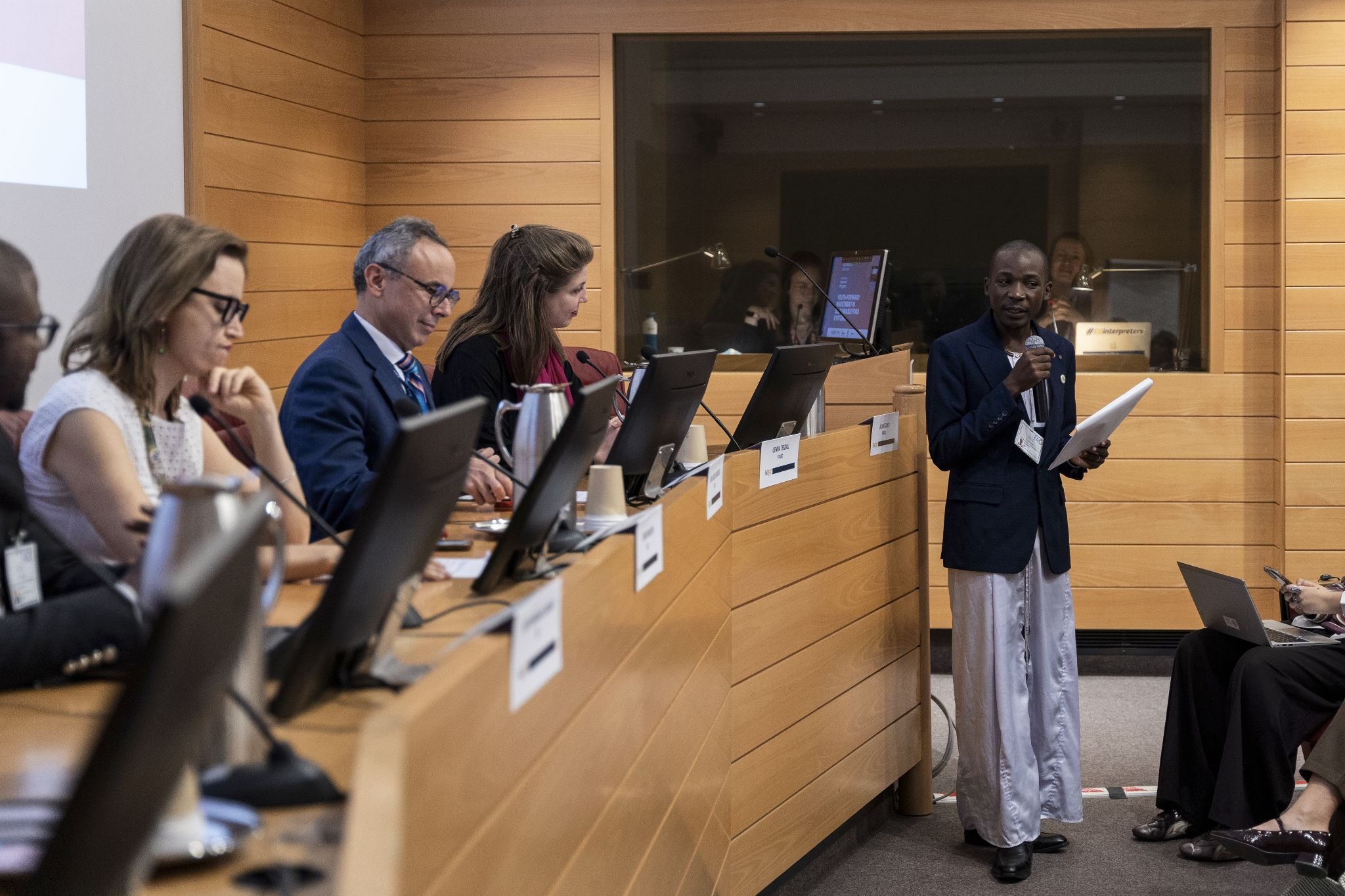
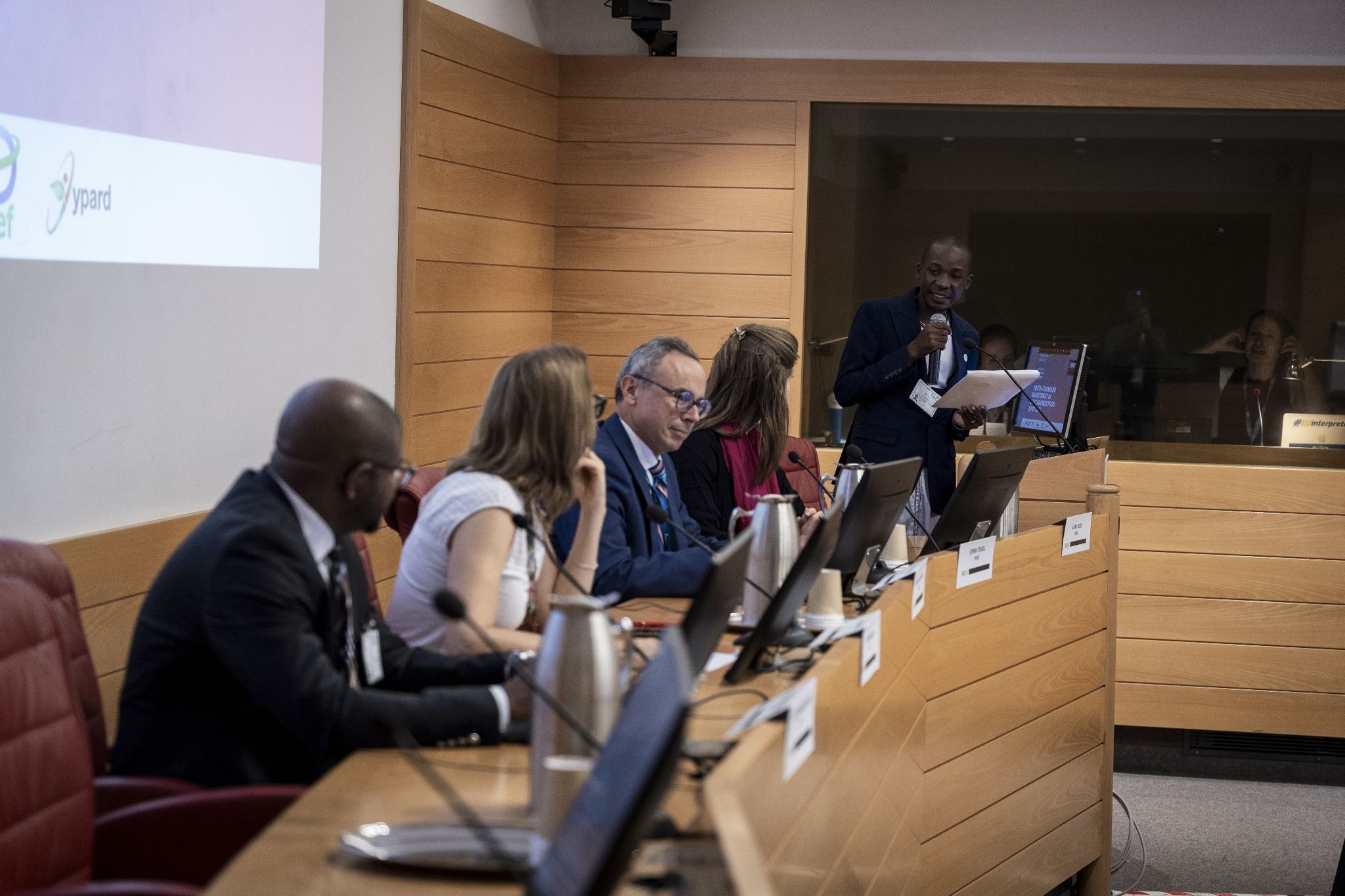
The session was moderated by Tadeo Ajuna, Programme Coordinator at the YPARD Global Coordinating Unit, who emphasized throughout the discussions the need to move beyond measuring youth engagement solely by the number of young beneficiaries reached. He advocated for investment approaches that recognize young people as active partners in the design, implementation and leadership of agrifood systems programmes, rather than simply as recipients of development interventions.
The event featured high-level speakers from FAO, IFAD and the GEF, who shared institutional perspectives, ongoing initiatives and opportunities for strengthening youth-forward investment.
Piedad Martin, Deputy Director of FAO's Office of Climate Change, Biodiversity and the Environment, highlighted the importance of enabling policies and public investments in creating meaningful opportunities for young people in agrifood systems. She emphasized the need to promote decent livelihoods while ensuring that young people are actively engaged in policy development and programme design. Drawing on the GEF Food Systems Integrated Programme as a practical example, she commended efforts to translate commitments on youth engagement into concrete action.
“Young people are not an aspiration but a necessity. We need to design policies and programmes with young people. Take the example of the FSIP work, which is now walking the talk.” Piedad reaffirmed FAO's continued commitment to supporting young people and youth networks, emphasizing the importance of scaling approaches that place youth at the centre of agrifood systems transformation.
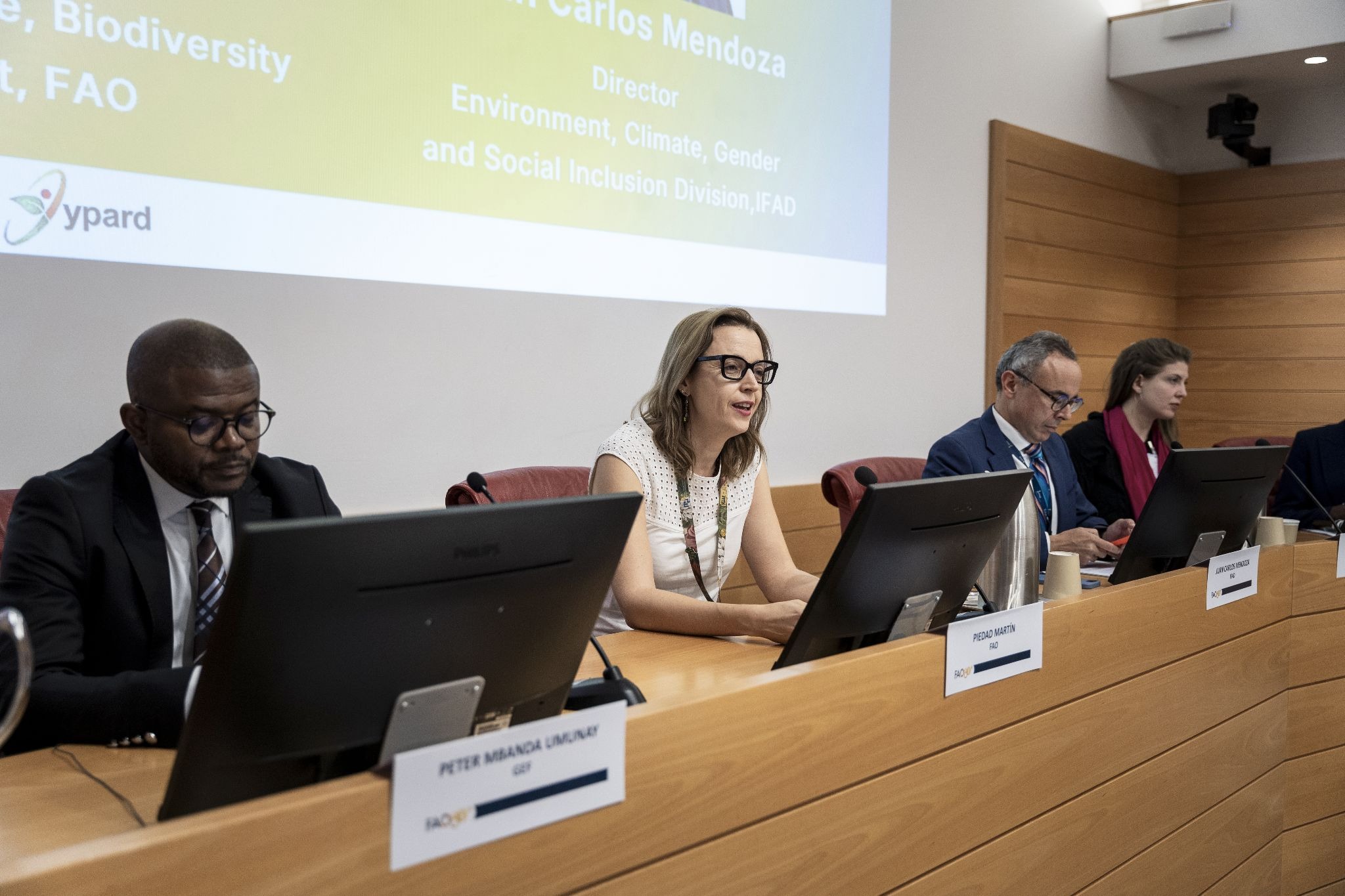
Photo above:
Juan Carlos Mendoza, Director of IFAD's Environment, Climate, Gender and Social Inclusion Division, focused on the role of rural financing mechanisms and investment approaches in expanding green and blue employment opportunities for young people. He highlighted the importance of building on existing initiatives and strengthening collaboration among governments, development partners and youth-led organizations to scale sustainable investments.
“Let us all build on what we have. We need to work with existing youth networks and organizations, but also work together among stakeholders, as this is all our responsibility.”
His intervention reinforced the need to leverage existing youth networks and institutional partnerships rather than creating parallel structures, ensuring that investments are coordinated, inclusive and responsive to the needs and aspirations of young people.
Representing the Global Environment Facility, Peter Umunay, Thematic Lead for Food Systems and Land Use at the GEF, shared insights into how the GEF is advancing youth-forward investments and creating opportunities for young people to participate in environmental and agrifood systems initiatives. He highlighted efforts to integrate youth perspectives into the design of GEF-9, as well as broader GEF programmes and staffing.
Peter also showcased several GEF-supported initiatives providing opportunities for young people, including the GEF Small Grants Programme and the FOSECA Leadership Programme, among others. He reaffirmed the GEF's commitment to supporting young people and youth-led organizations, including YPARD, while emphasizing the importance of scaling investments that empower youth to contribute directly to environmental sustainability and agrifood systems transformation.
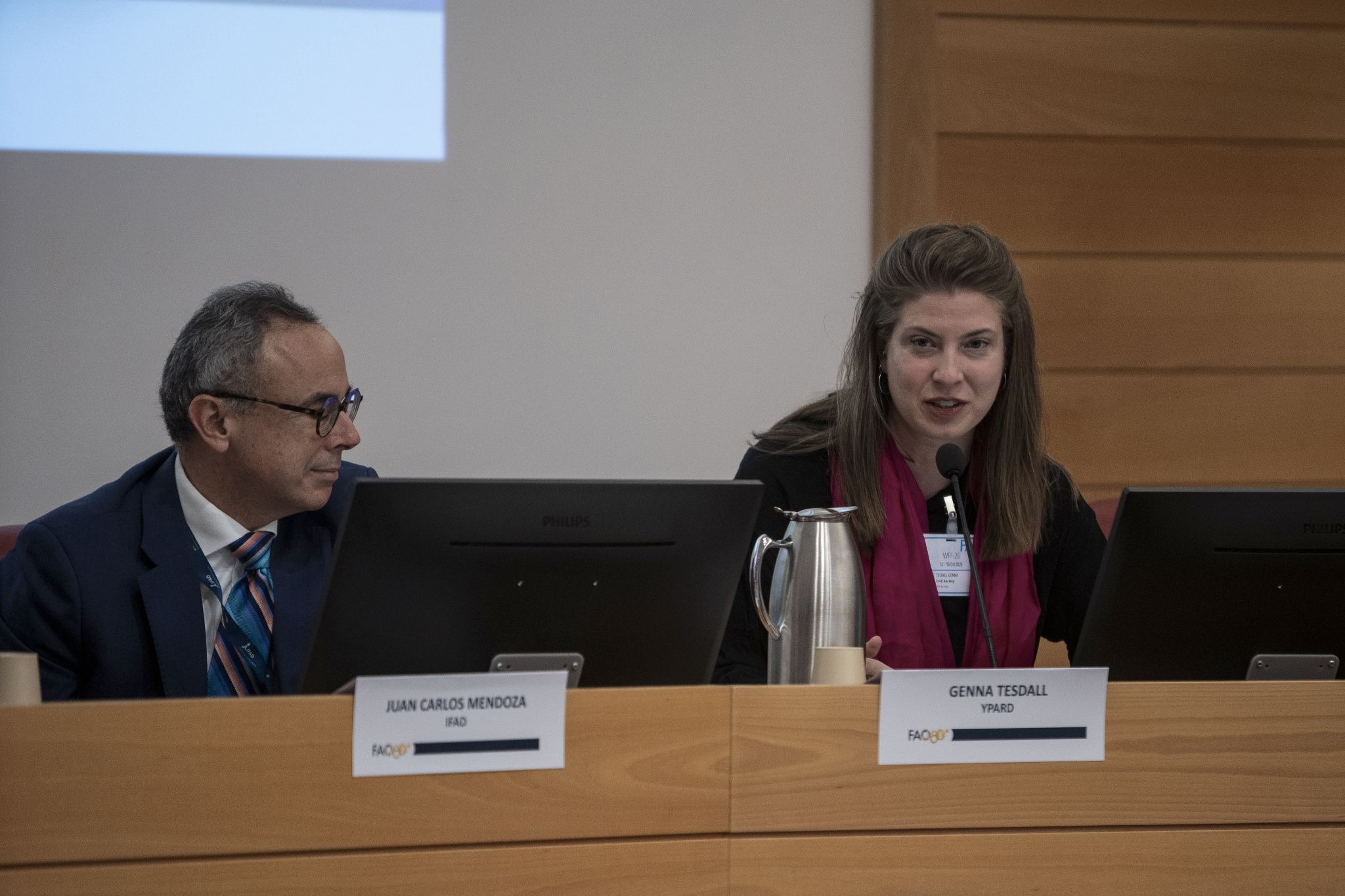
Building on these institutional perspectives, Genna Tesdall, YPARD Global Director, presented practical examples of how YPARD is translating youth-forward investment into action through its partnership with the GEF Food Systems Integrated Programme.
She highlighted YPARD's leadership in developing the first Youth Strategy for a GEF Integrated Programme, which provides a framework for strengthening meaningful youth engagement across FSIP activities. She also showcased the Empowering Youth for Agroecological Transformation in Agrifood Systems (EYAAS) Programme, a youth-led training initiative currently focused on Bhutan, Costa Rica and Mexico. The programme equips young people with practical skills and knowledge to actively contribute to agroecological transformation, including through training in agroecology, project management, strategic communications and business development.
Genna further shared the potential for expanding the EYAAS Programme beyond the initial three countries, noting growing interest from other countries and the possibility of scaling the initiative with support from FSIP. She encouraged young people to remain engaged with YPARD and stay informed about emerging opportunities to participate in future programme activities.
The event also provided opportunities for young participants and other stakeholders, both in person and online, to engage in discussions on the future of youth-forward investment and the importance of creating more inclusive and accessible opportunities within agrifood systems.
The session reinforced a shared commitment to moving beyond youth participation towards meaningful investment in youth leadership, institutional partnerships and programme implementation. For YPARD, the discussions provided an important platform to demonstrate how its partnership with the GEF Food Systems Integrated Programme is helping translate this commitment into practical action, while strengthening collaboration with FAO, IFAD, the GEF and other stakeholders to advance youth-led agrifood systems transformation.
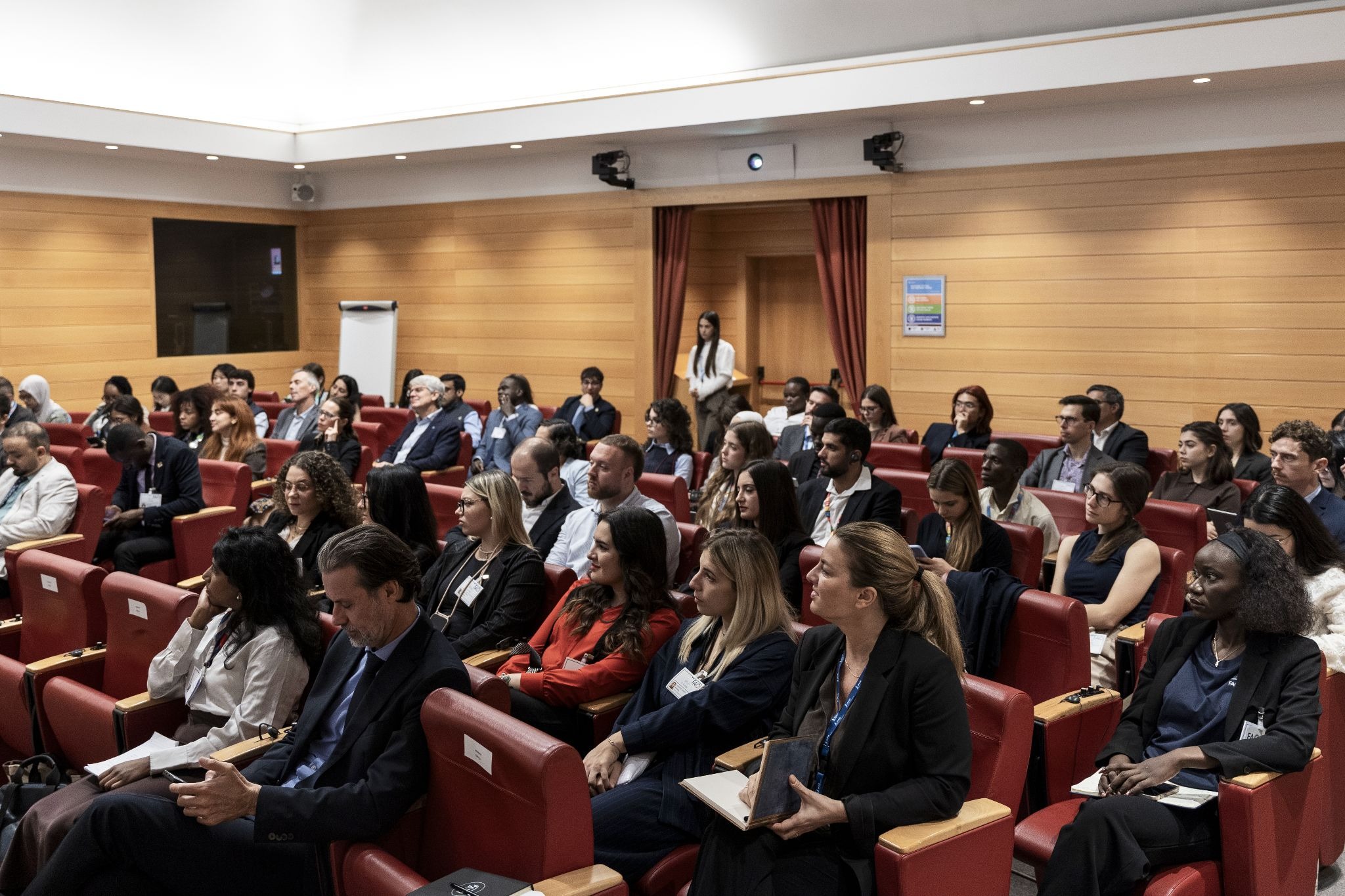
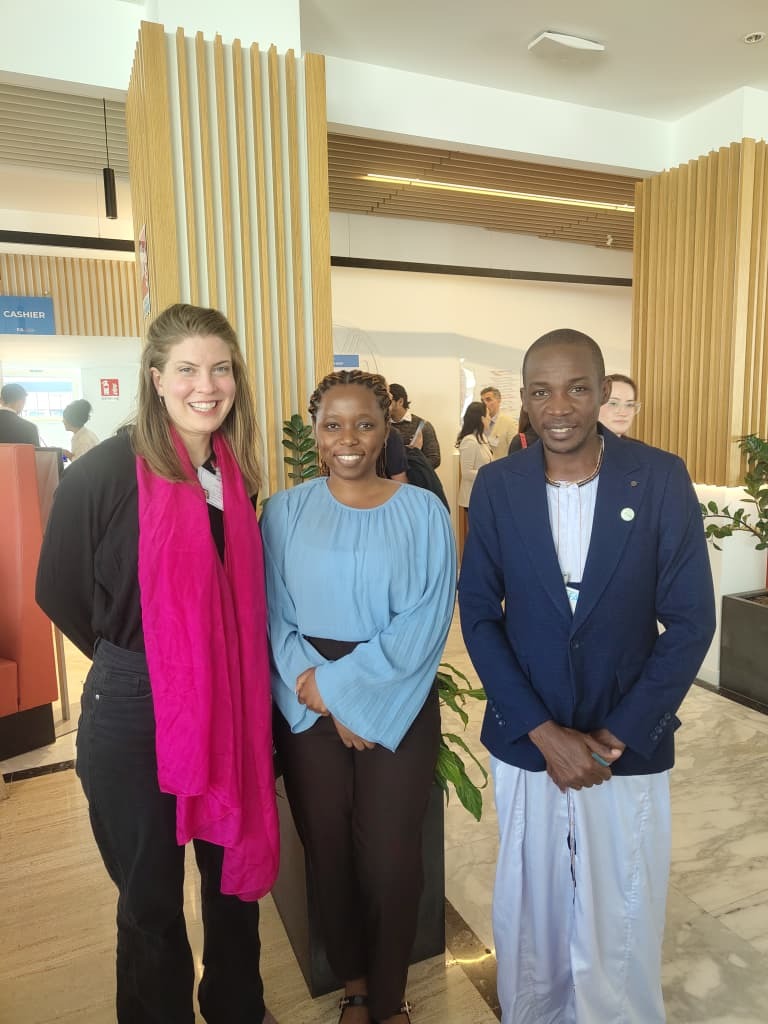
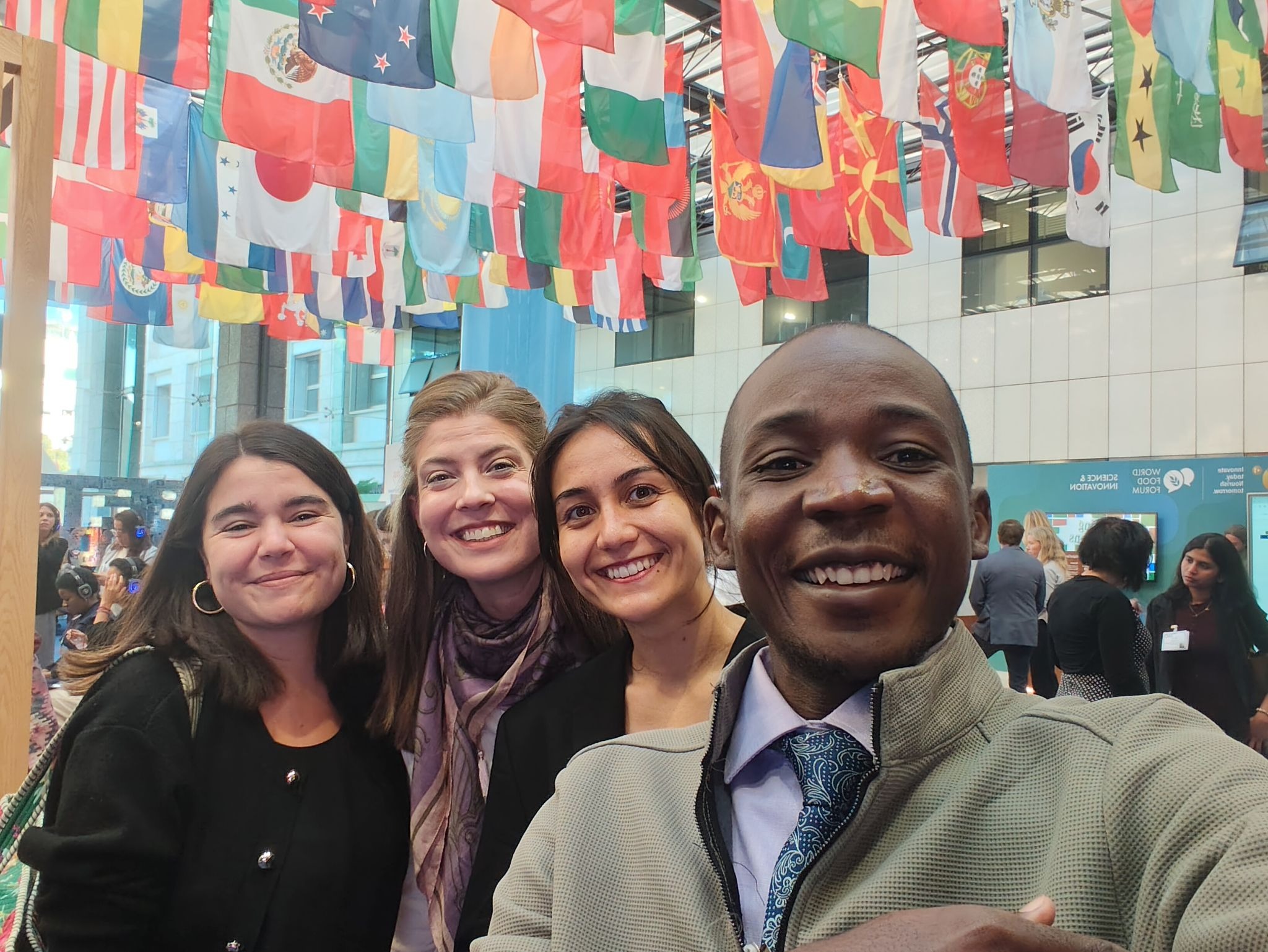
In addition to its participation in the various WFF events, YPARD held several bilateral meetings and networking engagements with key stakeholders, young professionals and representatives of youth networks and organizations. These included YPARD Country Representatives from Malawi and Georgia, Uxue from the Global Environment Facility (GEF), and young representatives from YOUNGO, the UNCCD Youth Caucus, the International Forestry Students’ Association (IFSA) and the International Association of Students in Agricultural and Related Sciences (IAAS), among others.
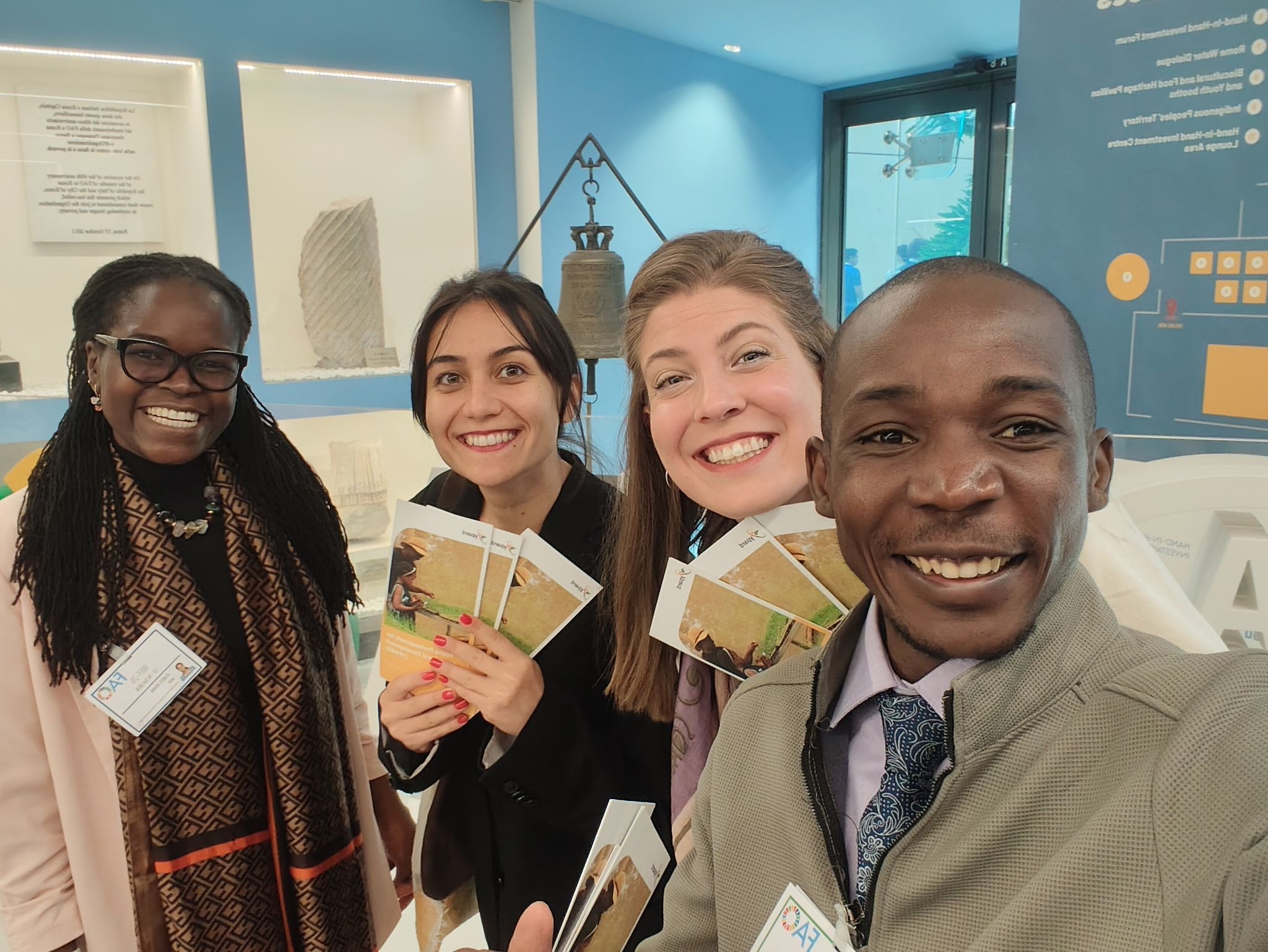
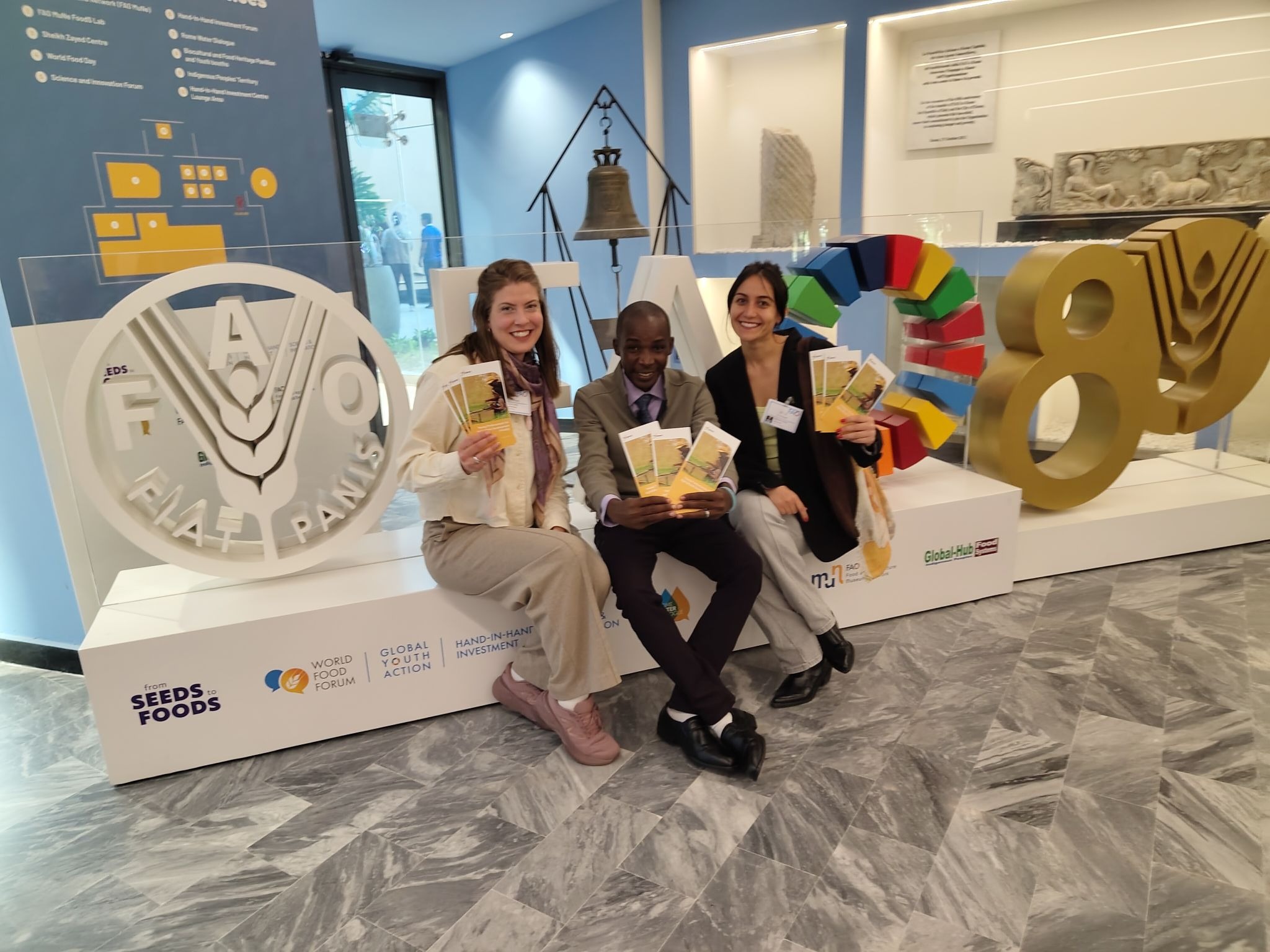
In collaboration with CGIAR Gender Equality and Inclusion, Alliance Bioversity & CIAT, YPARD displayed our work on gender and youth at the Exhibition Booth Inclusive Innovation for Food Systems on October 12th from 9-13.00 in the FAO Atrium. Specifically, the WYNA Programme, the GEF FS-IP, GP-SAEP, RAENS, and CEA-FIRST were brought forward as concrete examples of youth empowerment through co-creation with youth and YPARD.
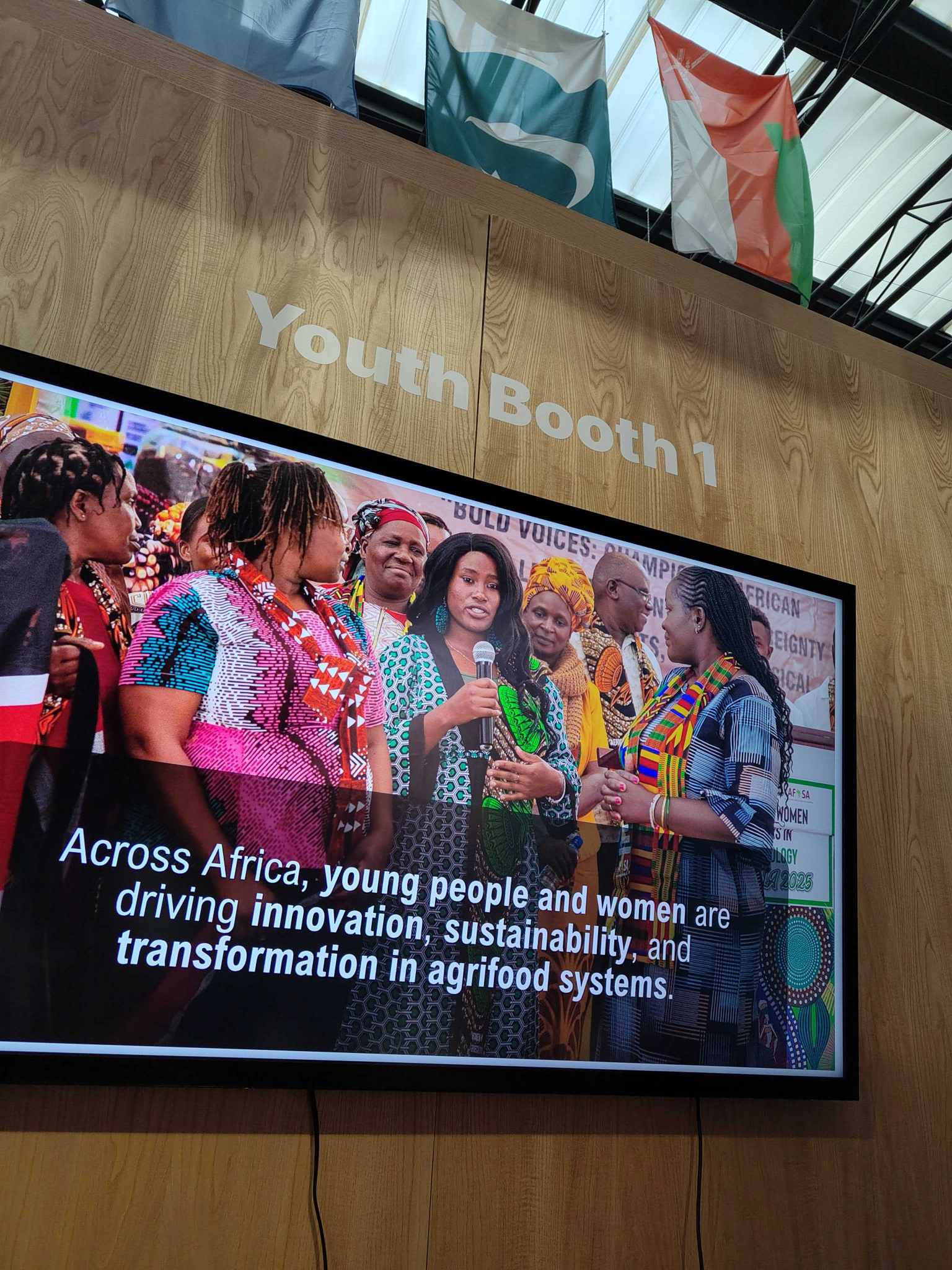
SPECIAL THANKS TO: THE FAO AND IFAD FSIP teams