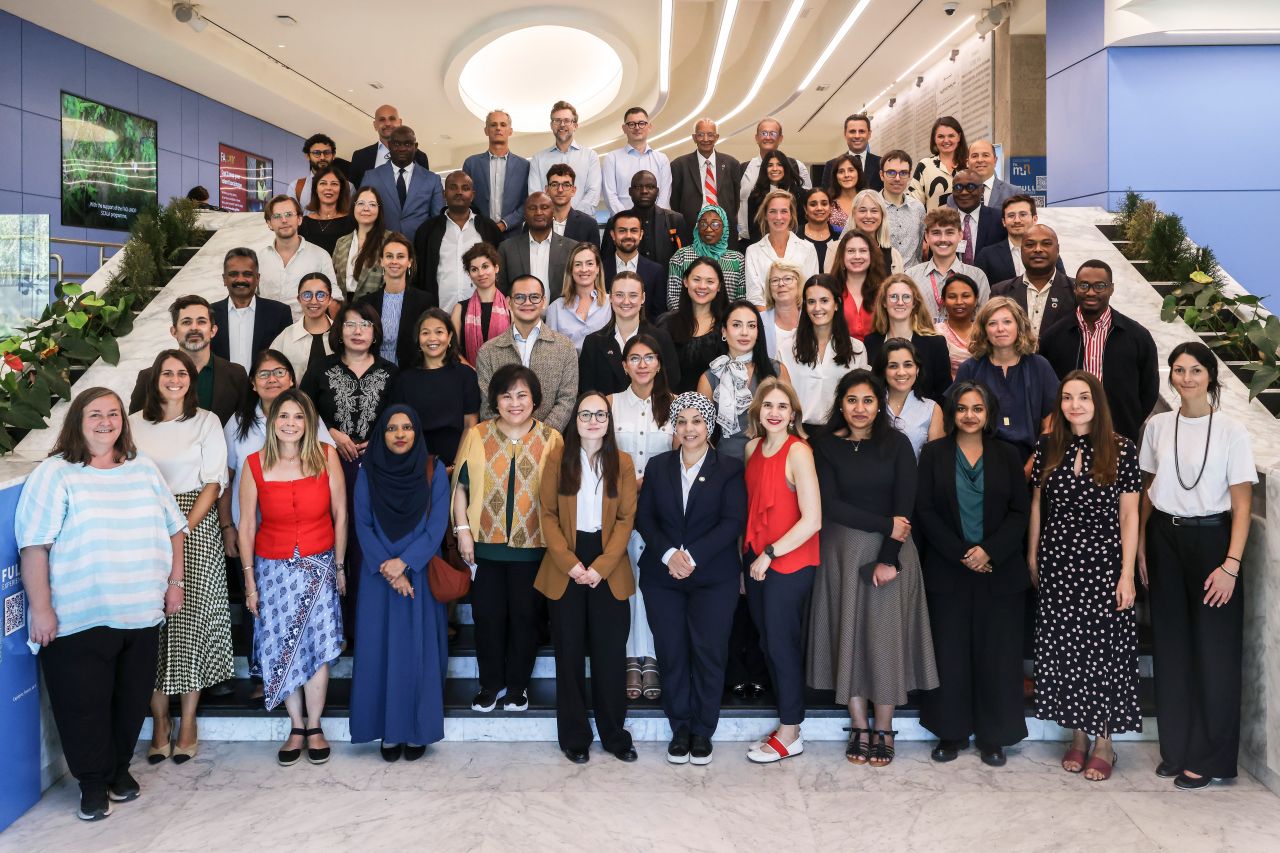

This question was central to YPARD's participation in the Food and Agriculture for Sustainable Transformation (FAST) Partnership Members and Board Meetings, held at the Food and Agriculture Organization of the United Nations (FAO) headquarters in Rome from 16–18 September 2026. Representing YPARD, Trisha Mandal, Partnerships and Communications Manager at YPARD’s Global Coordination Unit (GCU), highlighted the priorities, contributions and financing needs of young people working to transform agrifood systems.
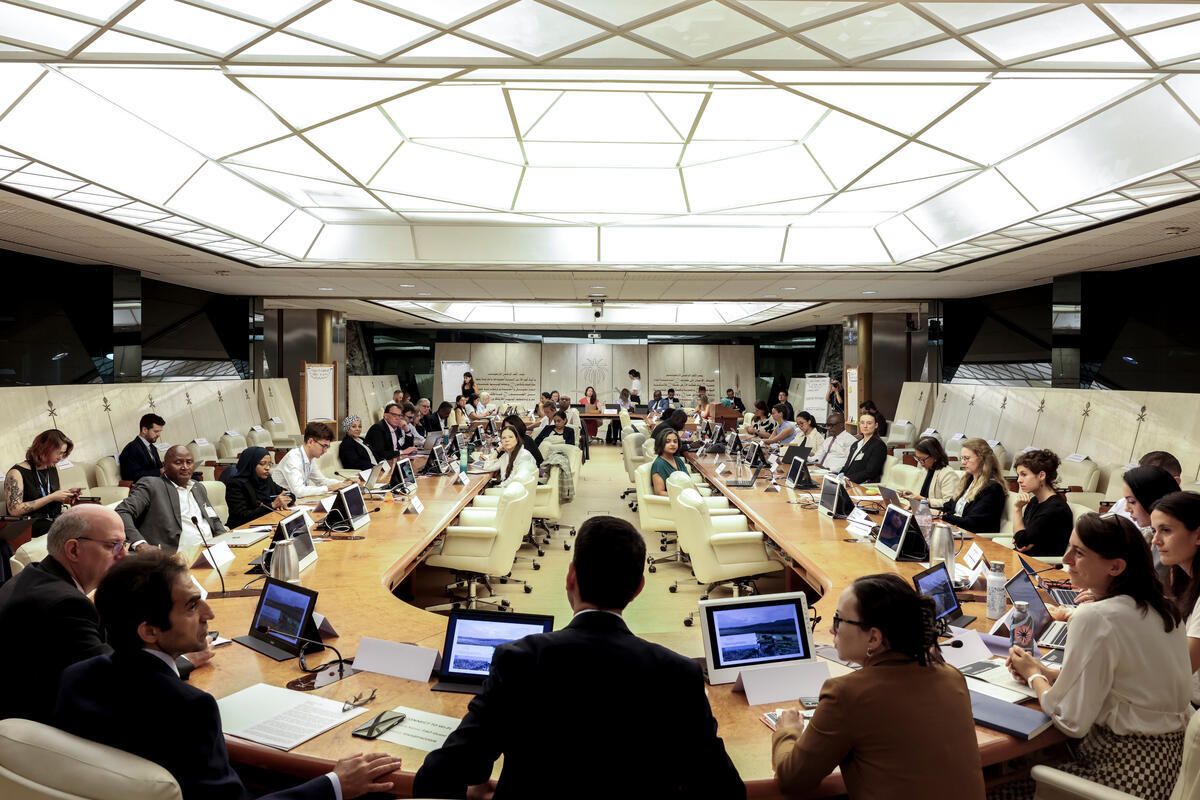
The meetings brought together more than 80 representatives from governments, financial institutions, international organizations, civil society, youth and farmers’ organizations, and other partners to explore ways to improve the quantity and quality of climate finance reaching agrifood systems. Against this backdrop, YPARD emphasized that sustainable agrifood systems transformation requires not only greater investment, but also meaningful youth participation in decision-making and financing processes.
As a Board Member of the FAST Partnership, YPARD took part in the Members' Meeting, the celebration of the AAA initiative, as well as in the Board Meeting on the 18th of September.
During the meetings, YPARD stressed that young people should be involved in the spaces where agricultural priorities, national budgets and financing decisions are shaped, and not merely confined to dedicated youth sessions or consulted after projects have already been designed.
Young agripreneurs and community leaders bring practical knowledge of local challenges and opportunities. Their participation can help ensure that policies and investments respond to the realities of the people implementing change on the ground.
YPARD highlighted its engagement in the Global Environment Facility (GEF) funded Food Systems Integrated Program (Food Systems IP), where it has collaborated with the global coordination team to co-create the first ever Global Youth Strategy for a GEF Integrated Program, and is promote the integration of youth priorities into country-level projects. Under this work, YPARD has also co-developed the EYAAS agroecology training initiatives for young people, which it is implementing in Mexico, Bhutan and Costa Rica, with other countries to be added soon.
These experiences demonstrate the importance of involving youth from the earliest stages of programme design, with clear roles, dedicated resources and opportunities to influence implementation. YPARD also encouraged governments and development partners to strengthen youth participation in national and international decision-making spaces.
Another central message from YPARD was that meaningful participation must be matched by access to finance. While young people are already leading community initiatives, many need more accessible and flexible funding to sustain and scale their work.
Through the Women and Youth Networks for Agroecology (WYNA) programme, supported by Germany’s development cooperation, YPARD and its partners are strengthening existing women- and youth-led networks promoting agroecology and organic agriculture. One programme component supports six young people through paid internships and fellowships to develop their community initiatives.
The fellows have collectively engaged more than 10 communities, directly reached over 50 primary beneficiaries and engaged more than 245 school children while promoting agroecological practices and strengthening local projects. Four of the six fellows are young women, illustrating the potential of targeted investment to support women’s leadership in agrifood systems.
The strong demand for these opportunities, reflected in hundreds of applications for just six positions, also underscores the need to expand support for youth-led initiatives. Beyond training and short-term fellowships, young entrepreneurs need flexible, accessible financing that enables their enterprises and community projects to become financially sustainable.
YPARD therefore called on development partners, investors and governments to invest in initiatives that have already demonstrated their value, rather than overlooking promising community-based solutions in favour of developing entirely new interventions.
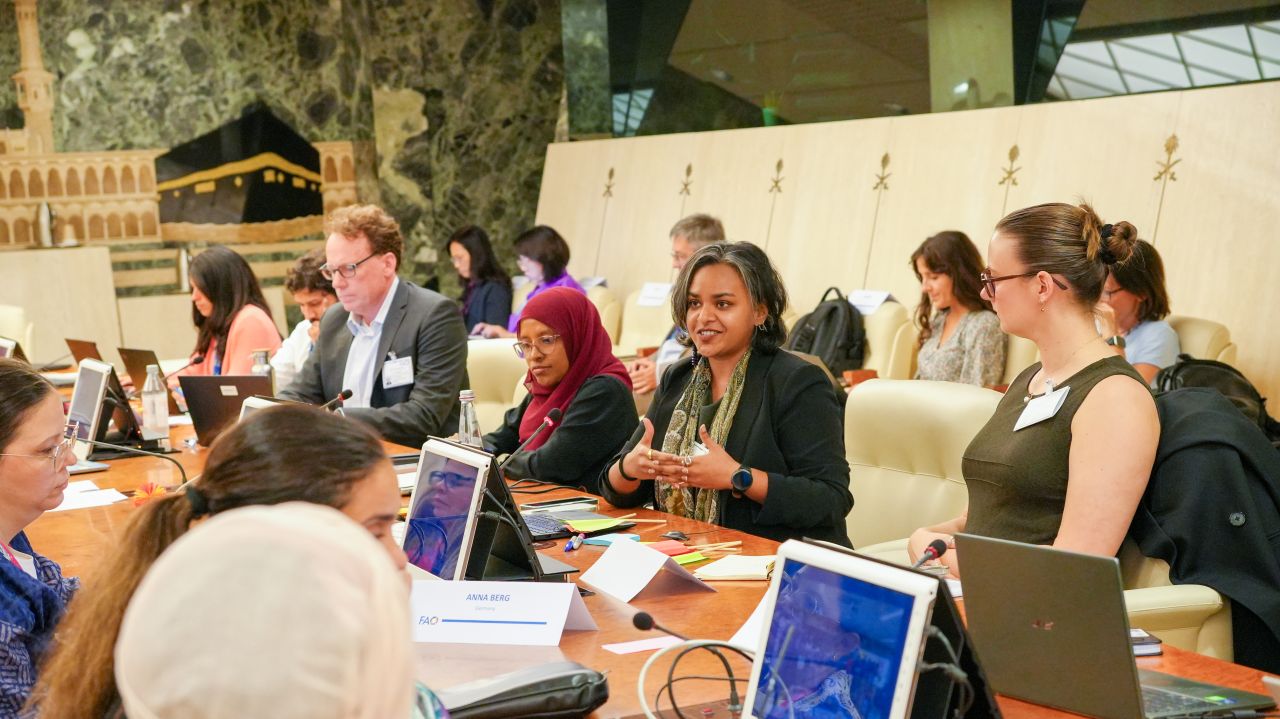
The above priorities were further reinforced during the International Year of the Woman Farmer roundtable on 17 September at FAO headquarters. Participating as a panellist, Trisha addressed what would make agrifood systems a future worth pursuing for young women.
She emphasized that young women are already investing their time, labour, knowledge and resources in food production and community development. Recognizing them as active investors and partners, rather than simply beneficiaries of development programmes, is essential to strengthening their leadership and livelihoods.
YPARD called for two practical actions: co-creating programmes with young people as active partners, supported by dedicated budget allocations; and investing in scaling existing women- and youth-led initiatives. These approaches can help translate commitments to inclusion into tangible opportunities for young people already working in agrifood systems.
The discussion also highlighted the importance of connecting global commitments with local realities. Through its country chapters, YPARD supports young people and women who mobilize communities, promote agroecological practices, strengthen livelihoods and contribute to biodiversity conservation and land restoration.
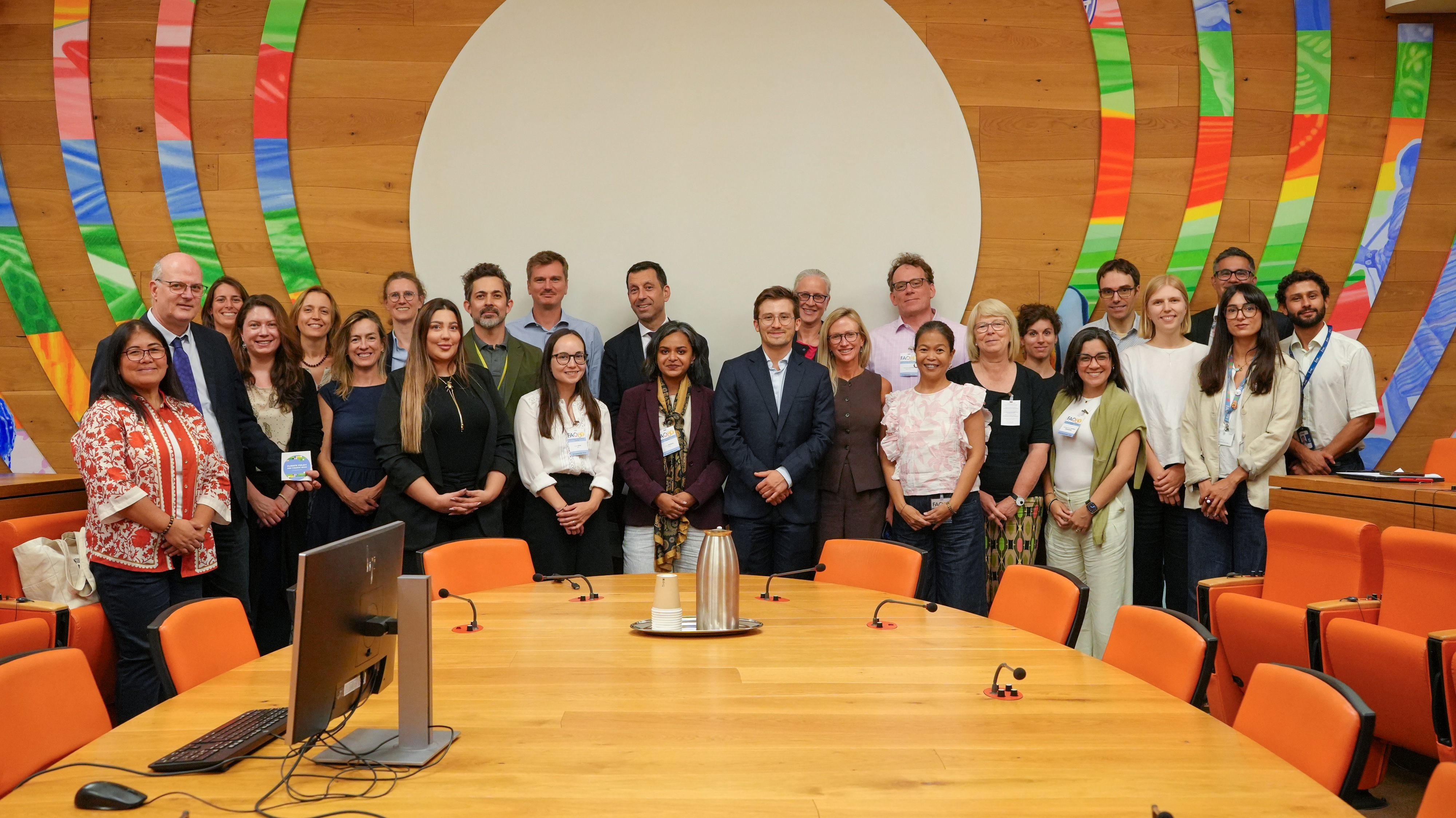
YPARD’s engagement during the week extended to the first Project Advisory Group meeting of FAO’s IMP-ACT project, which took place on 15 September. The project aims to support climate-resilient, inclusive and low-emission agrifood systems through the implementation of countries’ climate commitments and adaptation plans.
During the meeting, Trisha highlighted YPARD’s global advocacy and capacity-building work and identified opportunities to engage young people in Peru and Ethiopia, two of the project’s priority countries. Such collaboration could help bring youth perspectives and community-level experiences into climate planning and implementation.
The discussions reflected a broader priority shared across the week’s engagements: climate action in agrifood systems must connect national strategies and international commitments with the people and communities directly affected by climate change.
The FAST Partnership meeting reinforced the need for coordinated action among governments, donors, investors, technical partners and civil society to improve access to climate finance and accelerate agrifood systems transformation. For YPARD, this also means ensuring that young people have a meaningful role in shaping priorities and accessing the resources needed to implement solutions.
The message from Rome was clear: young people are not merely the future of agrifood systems. They are already leading initiatives, investing in their communities and contributing to more sustainable and resilient food systems.
Supporting them requires more than capacity-building opportunities. It calls for trust, meaningful participation in decision-making, dedicated resources and sustained investment in initiatives that are already making a difference.
By bringing youth perspectives into the FAST Partnership’s discussions, YPARD reaffirmed its commitment to ensuring that young professionals—particularly young women—are recognized as essential partners in agrifood systems transformation.