
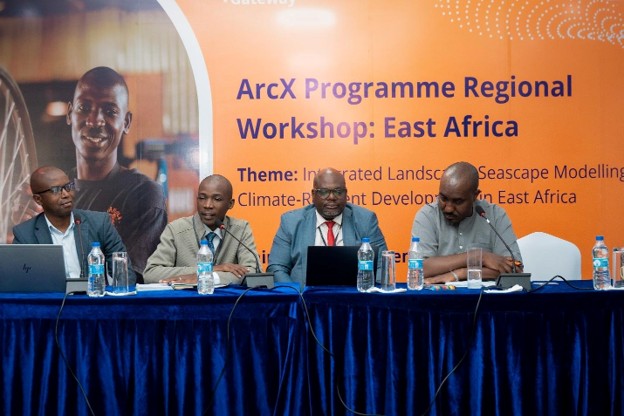

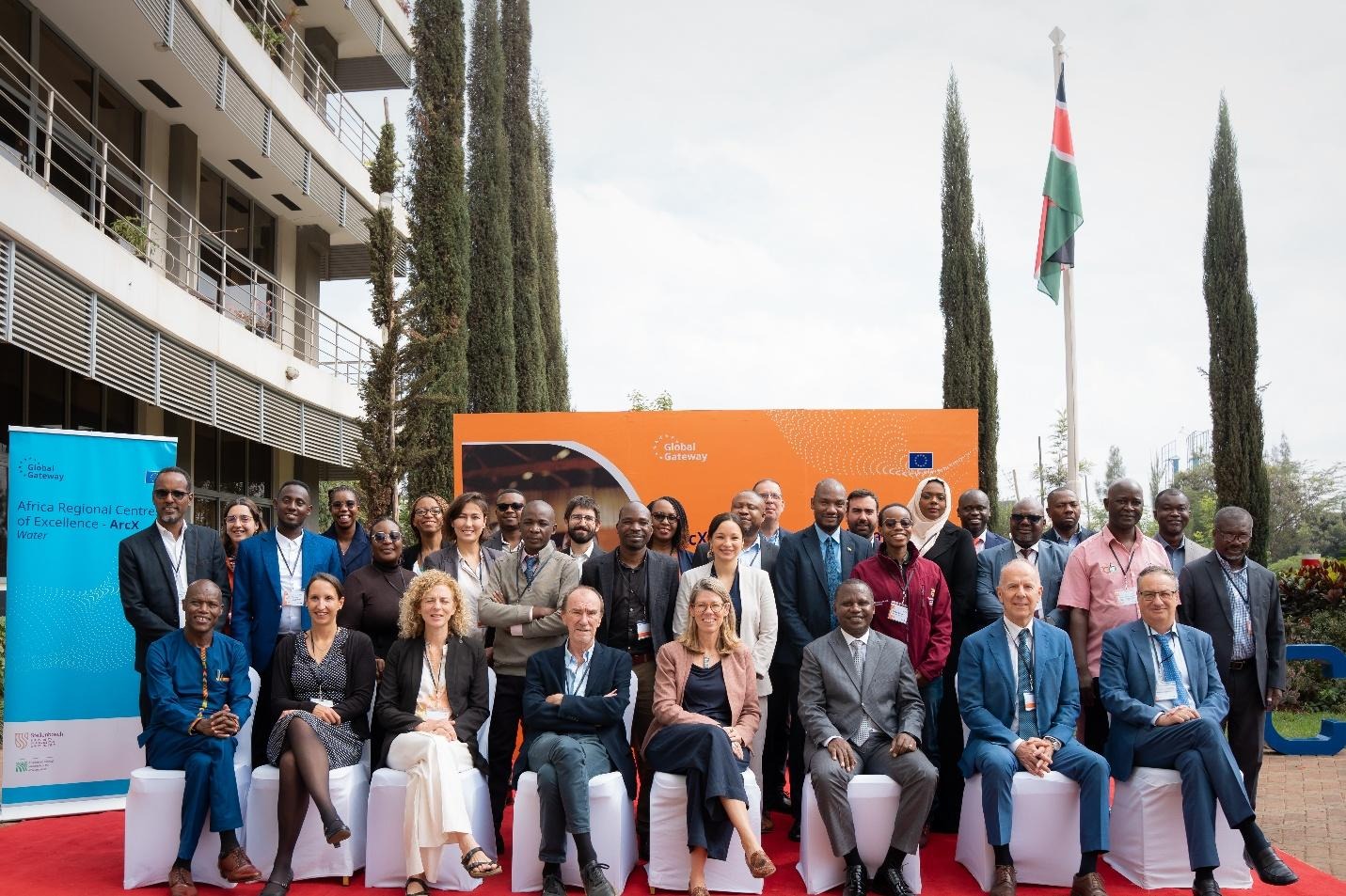
From 22–25 September 2026, Young Professionals for Agricultural Development (YPARD) joined the Africa Regional Centres of Excellence (ArcX) Programme and its East African partners for a regional workshop held at the Regional Centre for Mapping of Resources for Development (RCMRD) in Nairobi, Kenya. The workshop focused on “Integrated Landscape-Seascape Modelling for Climate Resilience Development in East Africa.”
The four-day workshop brought together representatives from research institutions, government, regional centres of excellence, science and technology institutions, the African Union Commission, the European Union and the private sector to examine how science, data, modelling and cross-sector partnerships can contribute to climate-resilient development in East Africa. A central focus was the need to better connect land, freshwater and marine systems, integrate data from different sectors and strengthen the link between scientific knowledge and policy and practice. Discussions also explored how research and technology can move beyond knowledge generation to support practical applications, innovation, investment and new partnerships for climate resilience.
The workshop formed part of the ArcX programme, an Africa–Europe initiative supporting collaboration between African and European institutions to strengthen Science, Technology and Innovation for Africa’s green transition. The programme works across areas including agroecology, biodiversity and forests, water, oceans and climate change resilience. Within this broader programme, the Climate Change Resilience component focuses on strengthening scientific and technological capacities for climate and disaster resilience, including
early warning and disaster risk reduction, climate information systems, digital transformation and AI, research and knowledge generation, capacity development and partnerships.
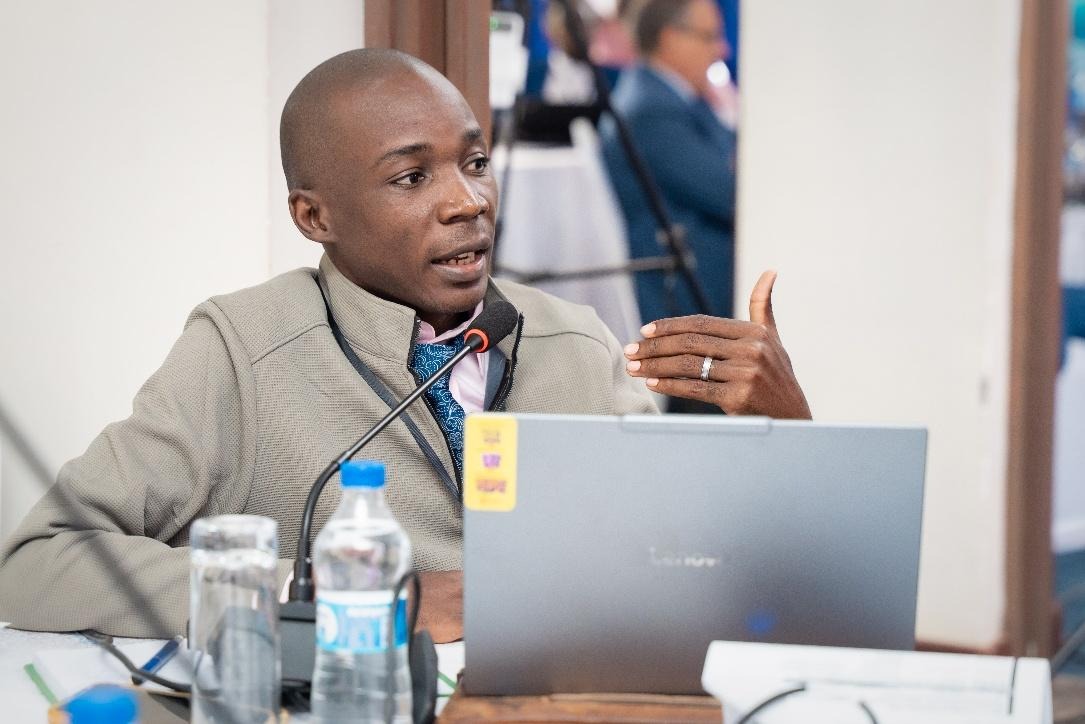
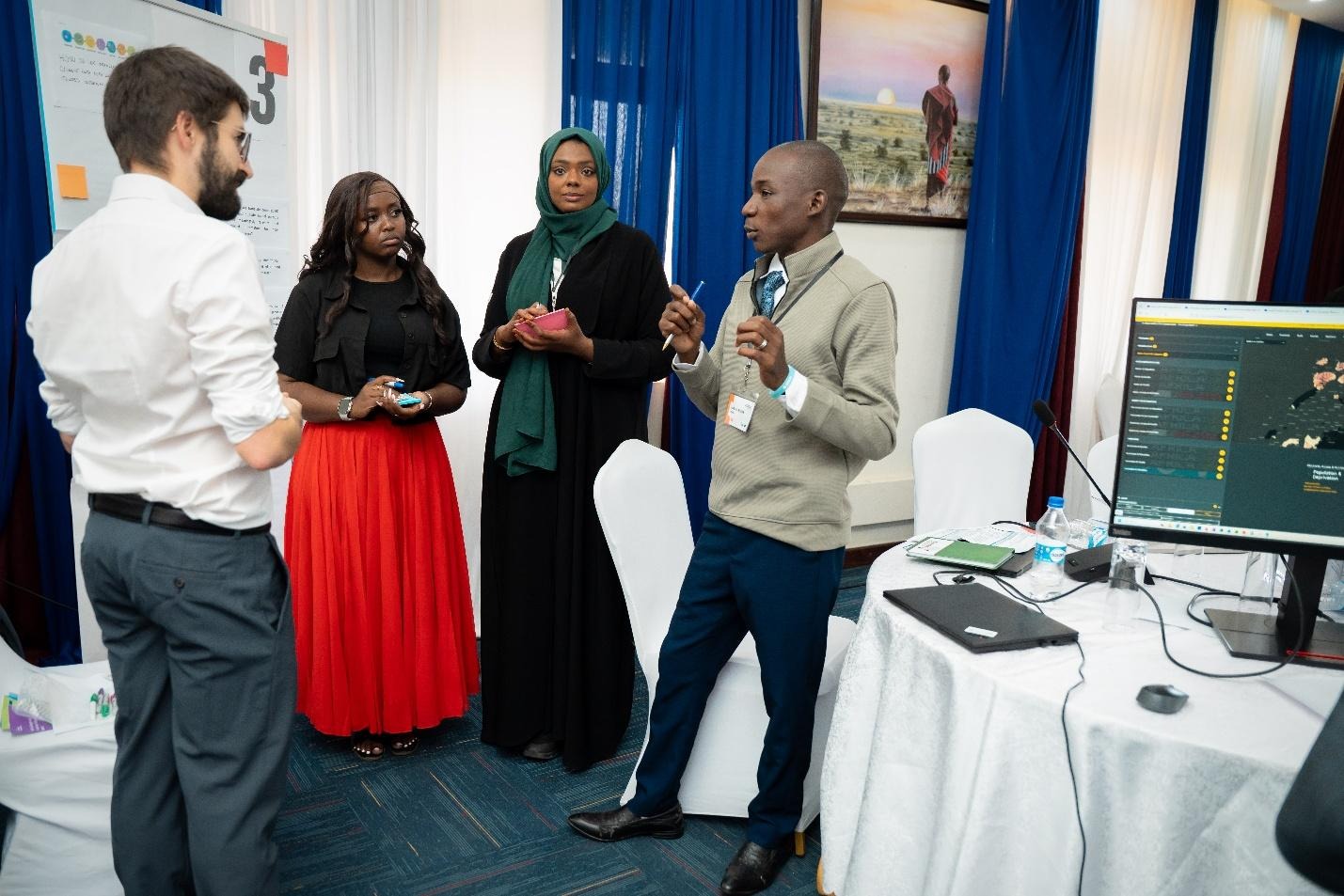
Photo left: YPARD’s Tadeo calling on stakeholders to include youth in informal Agriculture into Agroecological programme development.
Against this broader context, the Nairobi workshop provided a platform to examine how integrated modelling and data can inform climate resilience planning across interconnected landscapes and seascapes in East Africa, while also considering the institutions, technologies, investments and partnerships needed to turn these approaches into practical solutions.
The first two days focused on the ArcX regional ecosystem, integrated land, freshwater and marine data, modelling approaches, science-policy linkages, and how technical information can be communicated to different users. Day three shifted the discussion towards innovation, investment and partnerships, with particular attention to start-ups, incubators, private-sector engagement and the role of young people in developing and scaling climate-resilience solutions. It was within this context that YPARD contributed to the discussions, bringing a youth and agricultural development perspective to the conversation.
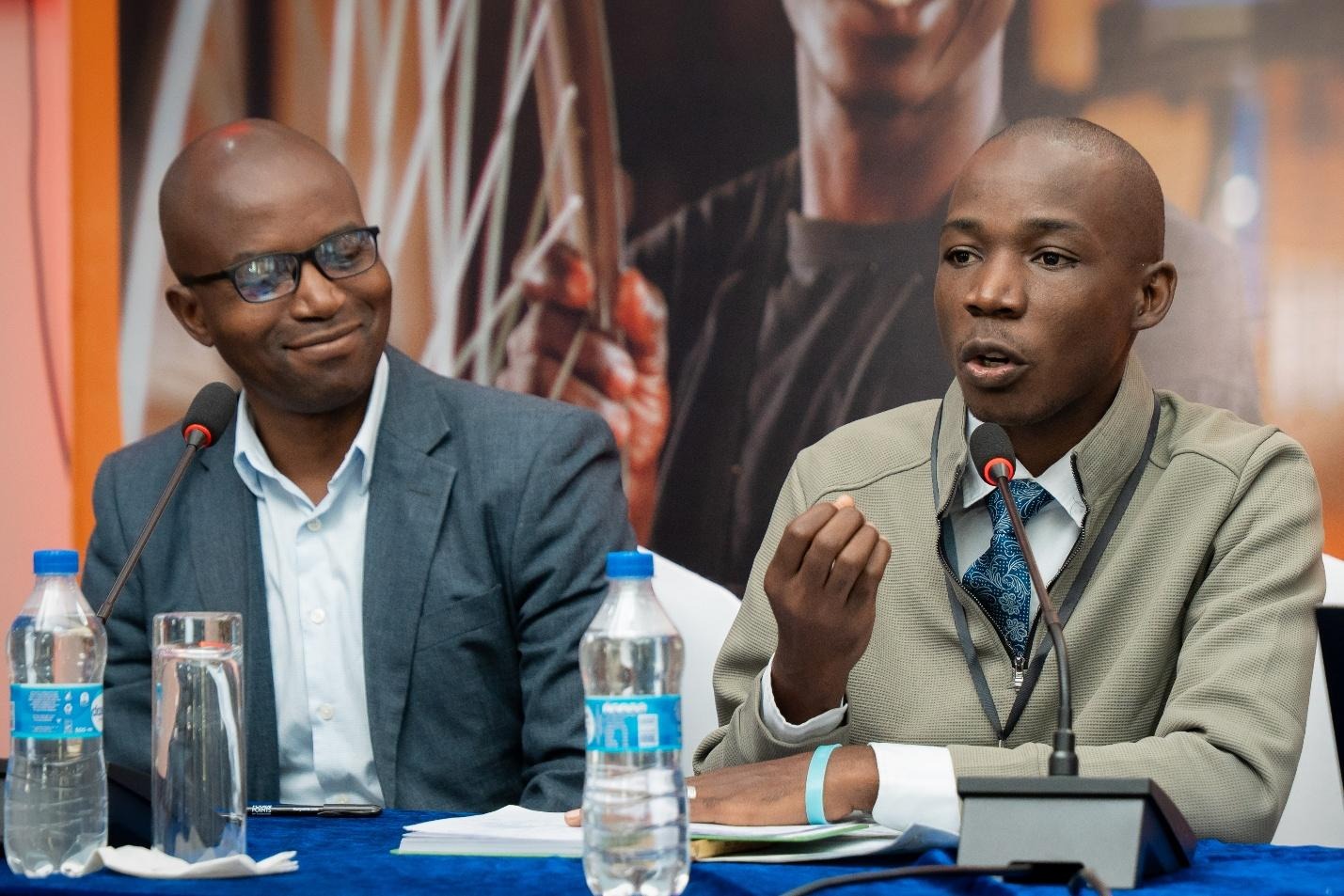
Tadeo Ajuna, representing YPARD at the workshop, participated in a panel discussion on “Innovation as a Driver for Sustainable Investments & Partnerships,” which explored research-driven private-sector development, incubators and start-ups, as well as services and business models in areas such as early warning systems, climate-risk mapping, vulnerability assessment, climate scenario modelling and resilience planning.
In his contribution, Tadeo emphasized the importance of making climate data usable, accessible and relatable to young people. He noted that while young people may hear about Earth observation, climate modelling and other sophisticated technologies, access to technology alone does not automatically translate into innovation. For research and data to support practical solutions, they need to be accessible, understandable and relevant to the decisions young people are making.
Tadeo further emphasized that for a young farmer, entrepreneur or technology developer, the question is not simply whether climate data is available, but whether they can understand it, access it, apply it to their work and use it to develop something useful. He noted that this distinction is important if research, data and technology are to move beyond technical outputs and translate into practical solutions that respond to real challenges faced by communities and young innovators.
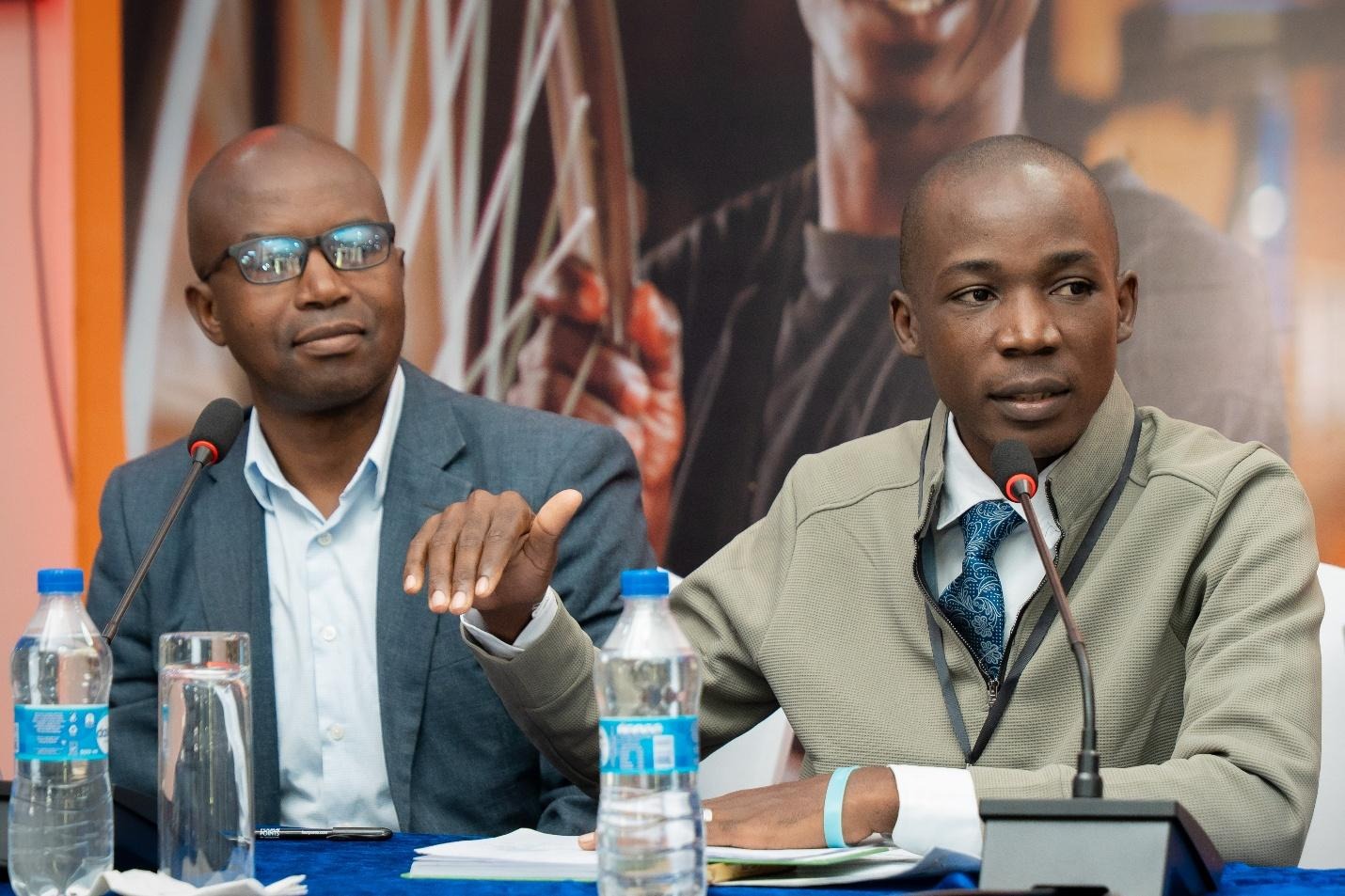
Photo above: Tadeo (see right) Speaking to participants during the panel.
Furthermore, Tadeo highlighted the existing gap between young people having innovative ideas and being able to turn those ideas into sustainable enterprises. He noted that young innovators need more than opportunities to showcase their ideas; they need opportunities to pilot and refine them, alongside access to business support, finance, markets and mentorship that can continue beyond an initial project or competition. He gave the example of the WYNA Programme, through which YPARD has established fellowships and mentorship opportunities to provide young people with continued support as they develop their ideas and initiatives.
On the issue of finance, Tadeo emphasized that access to funding needs to be accompanied by the right support. A young person may have a promising solution but still require guidance to develop a viable business model, understand investment requirements, build partnerships,
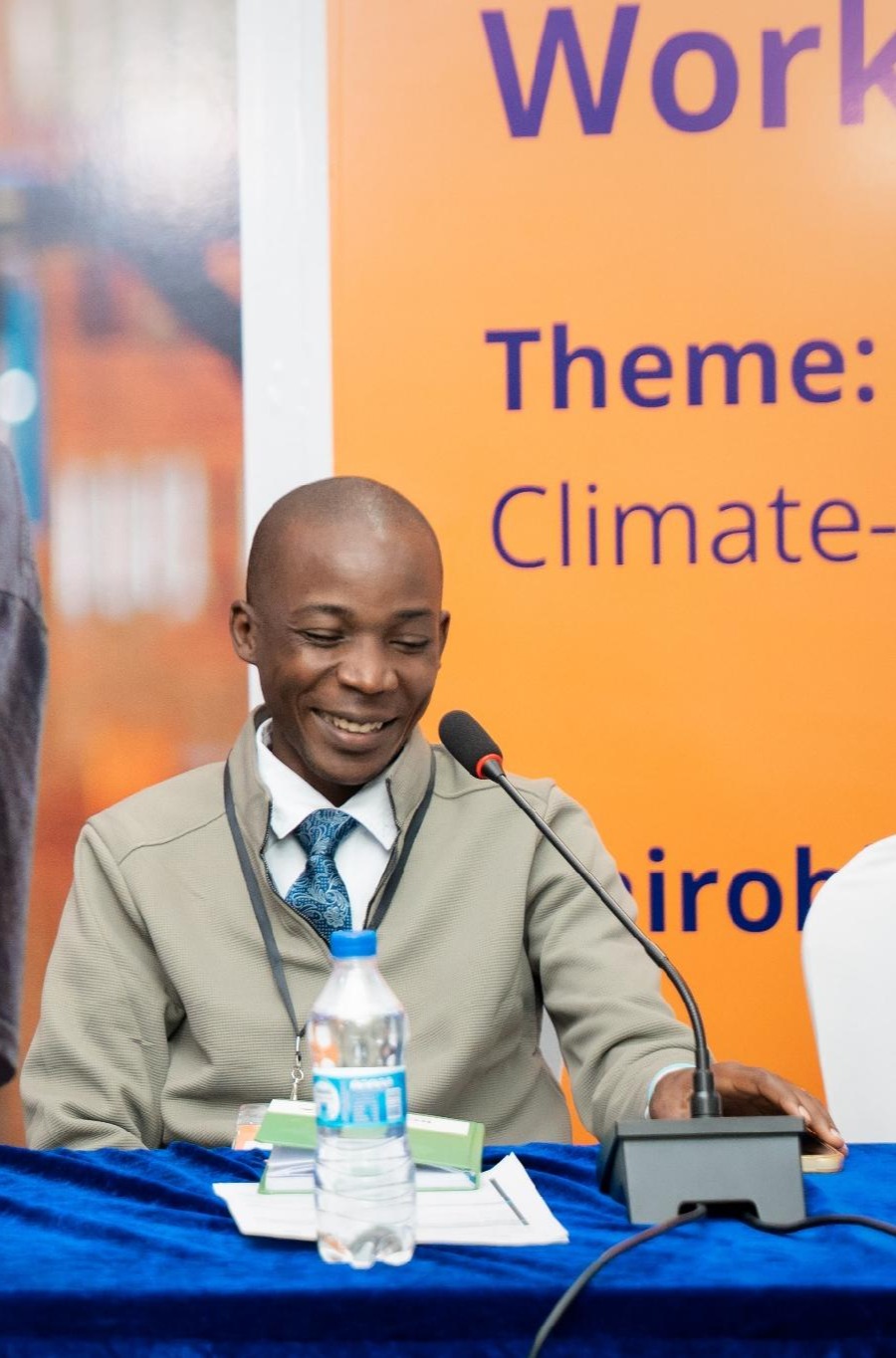
access markets or improve their product. This is where sustained mentorship becomes particularly important. Drawing on the WYNA fellowship and mentorship experience, he noted that young innovators benefit from ongoing relationships that allow them to continue learning, ask questions, access networks and receive guidance as their ideas evolve, rather than relying on one-off training opportunities.
Tadeo also called on stakeholders to move from simply engaging young people to enabling young people to lead. He noted that young people should not only be invited into conversations after priorities have already been defined. They should have opportunities to identify problems, propose solutions and participate in decisions about how those solutions are designed and implemented. This should also extend to larger programmes and projects, where young people need to be involved from the design stage. Such meaningful participation is particularly important for climate resilience, given that many young people are already responding to climate-related challenges through agriculture, technology, entrepreneurship, research and community initiatives.
Tadeo concluded by emphasizing that the role of institutions is not necessarily to designing solutions for young people, but to create conditions that enable young people to experiment, learn, lead and scale. This requires moving beyond treating youth engagement as a separate activity and instead making meaningful youth participation part of how programmes, investments and partnerships are designed and implemented.
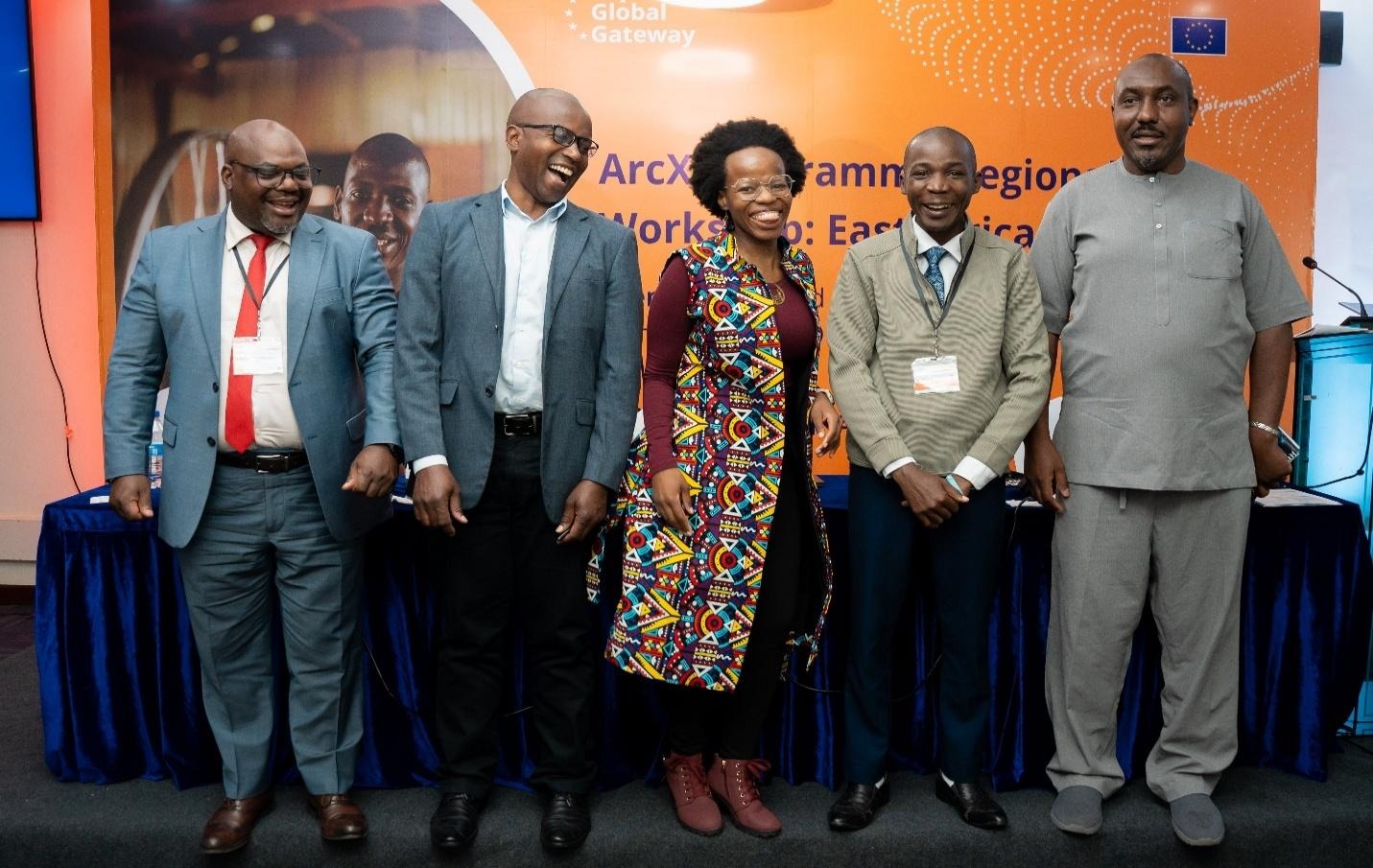
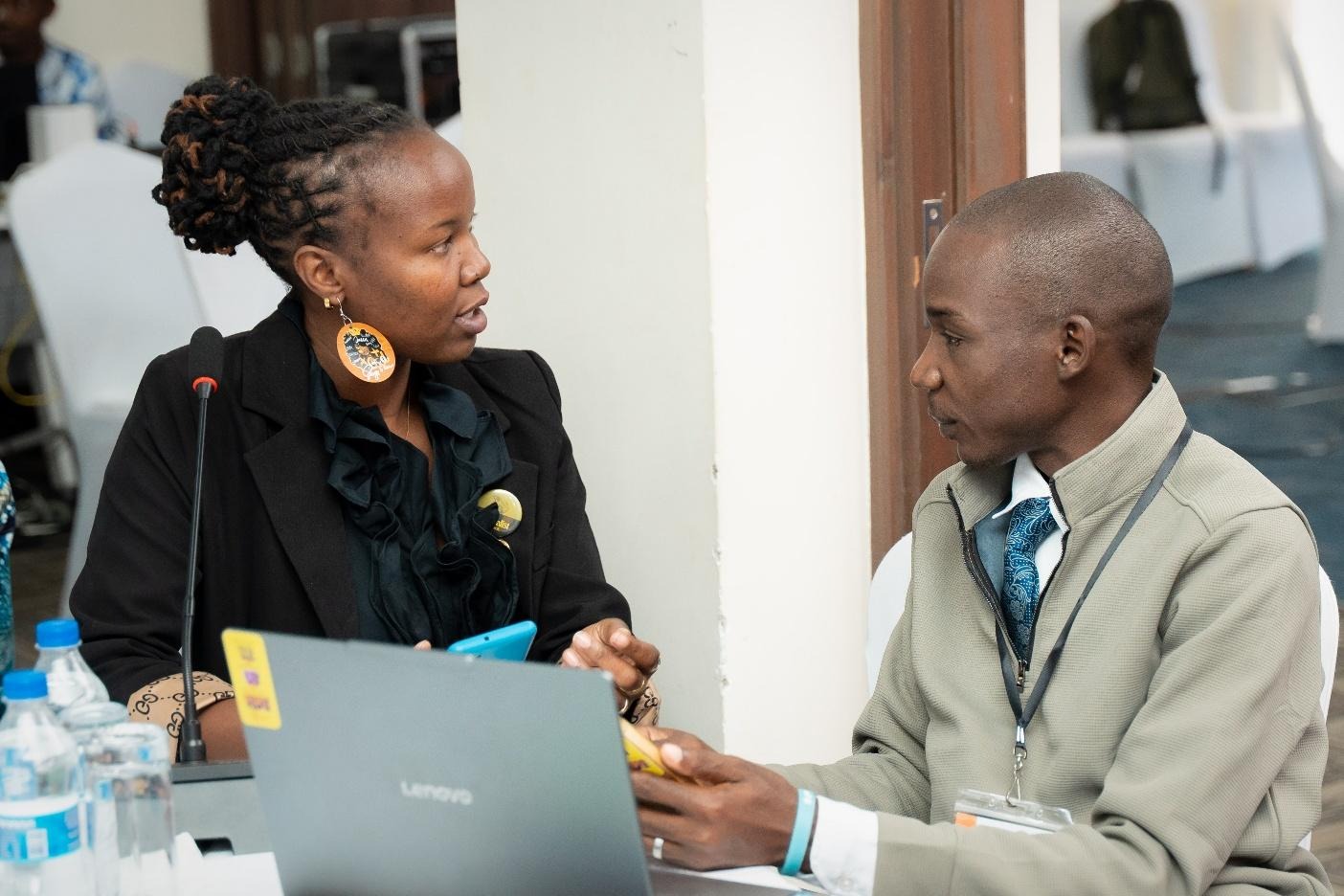
The event provided an opportunity to connect with researchers, technical institutions, climate and Earth-observation experts, innovators and organizations working across different parts of the climate-resilience ecosystem. These interactions were important because the youth agenda cannot operate separately from the institutions developing climate information, modelling systems, technologies and investment opportunities. YPARD's presence therefore helped create connections between these technical and institutional spaces and the young people who could potentially use, adapt or build on them. It also created an opportunity for YPARD to listen and learn from organisations working in areas that are increasingly important to young people in agriculture and climate action.
The workshop concluded with visits to ICPAC and RCMRD on 25 September. At ICPAC, participants visited facilities covering Earth observation and geospatial information, climate modelling and forecasting, and disaster-risk management. The programme then continued at RCMRD with a visit to its Earth Observation Centre.
These visits offered a practical connection to many of the issues discussed during the workshop: the infrastructure behind climate information, the technologies used to generate it and the systems through which it can support resilience and decision-making. As East Africa continues to invest in climate information, Earth observation, modelling and innovation, ensuring that young people can access and use these opportunities will be an important part of translating technical advances into solutions that work on the ground.
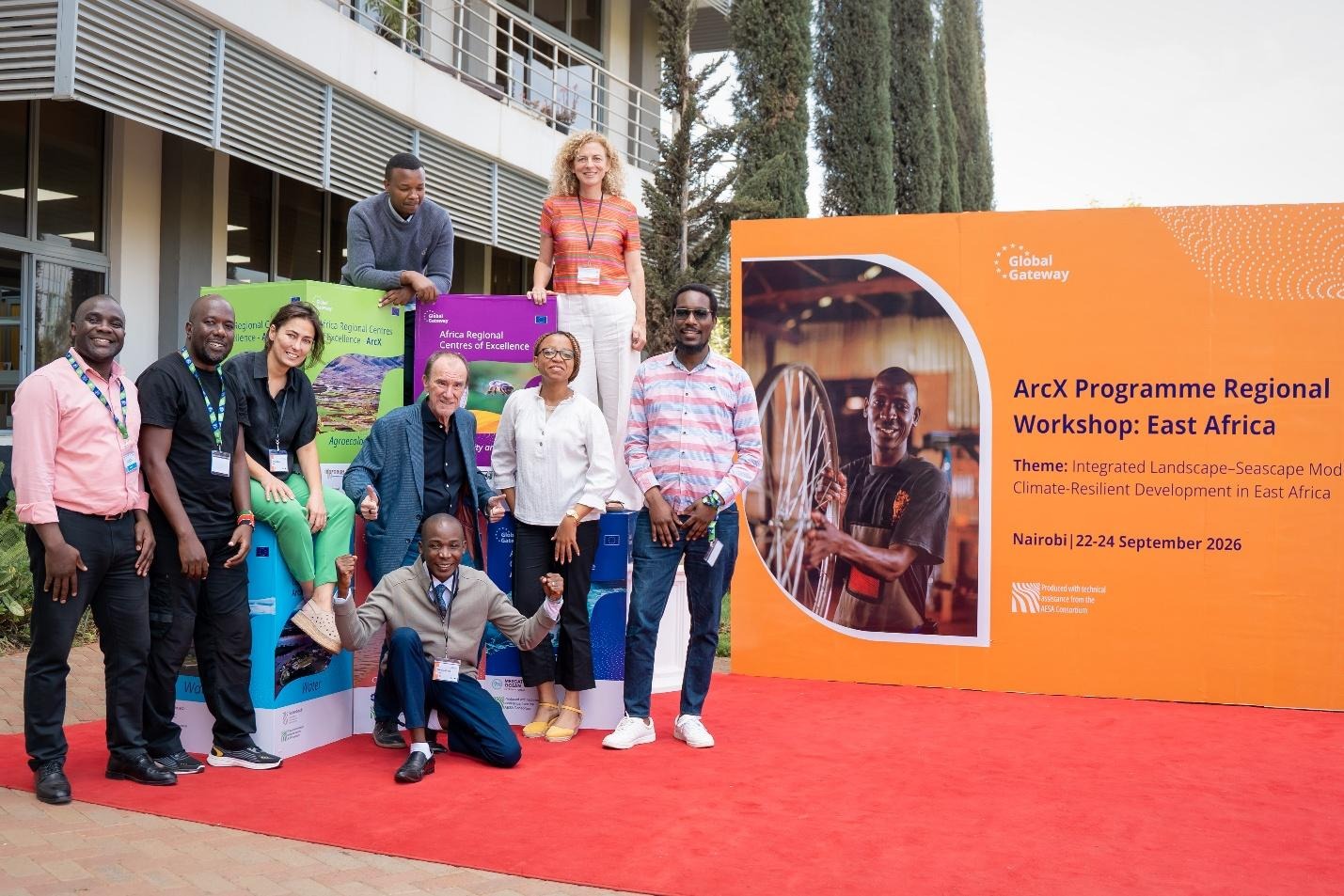
SPECIAL THANKS TO THE ARCX PROGRAMME
.png)