
Young people are among those most affected by the impacts of climate change on agriculture and food systems. Across different regions, young farmers, researchers, entrepreneurs and rural development practitioners are developing solutions to address food insecurity, strengthen agricultural resilience and promote sustainable food production.
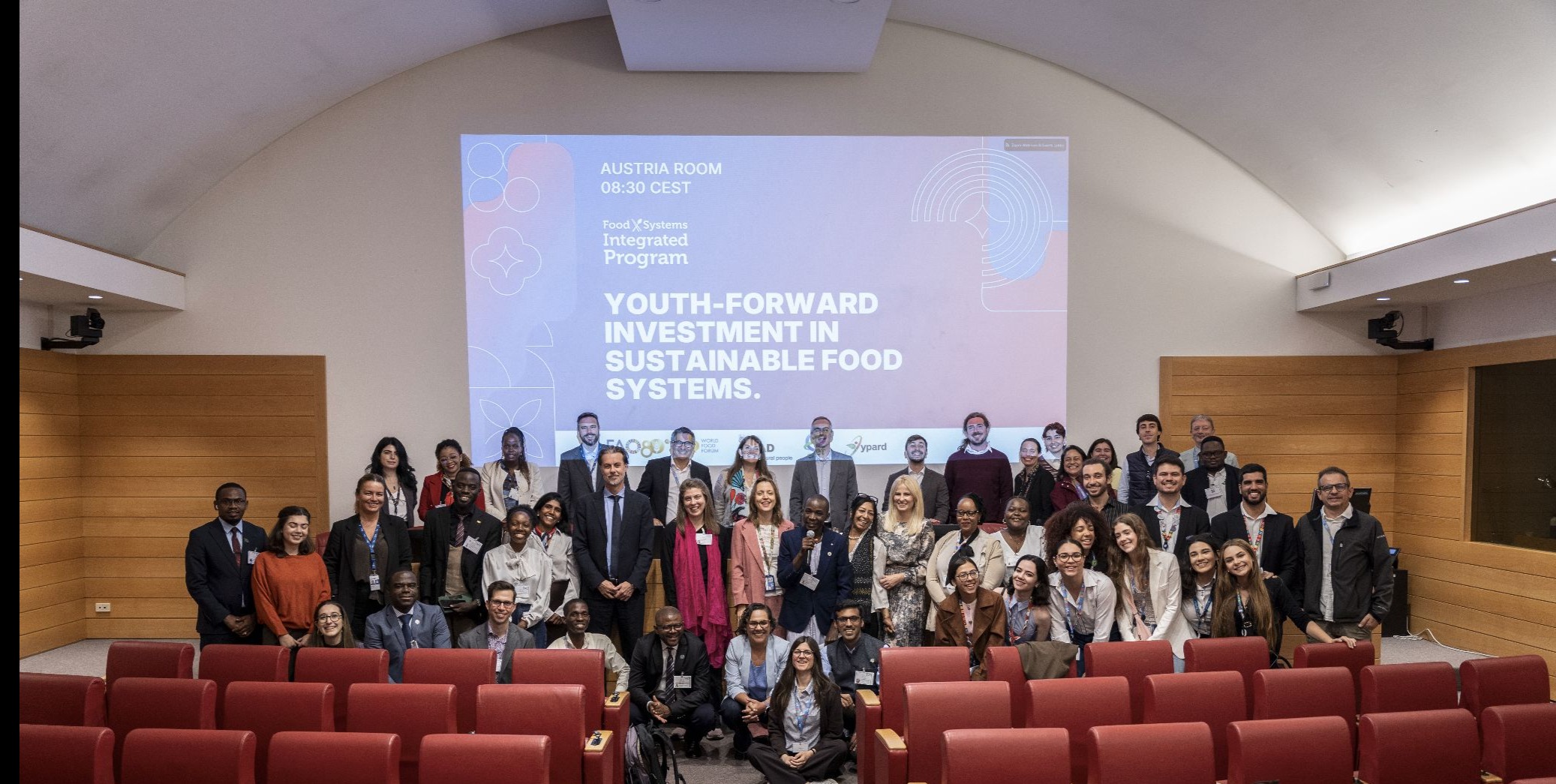
However, our experiences, perspectives and demands must be meaningfully reflected in the global policies and decisions that shape the future of food systems. Recognising the importance of youth participation in global policy processes, YPARD continues to create platforms that enable young professionals to engage in policy discussions, exchange knowledge and collectively contribute to international advocacy with civil society.
The PWG elaborates substantive policy positions, ensuring YPARD’s advocacy stands concrete demands formed by a diversity of young people, rather than the individual views of a single invited young speaker.
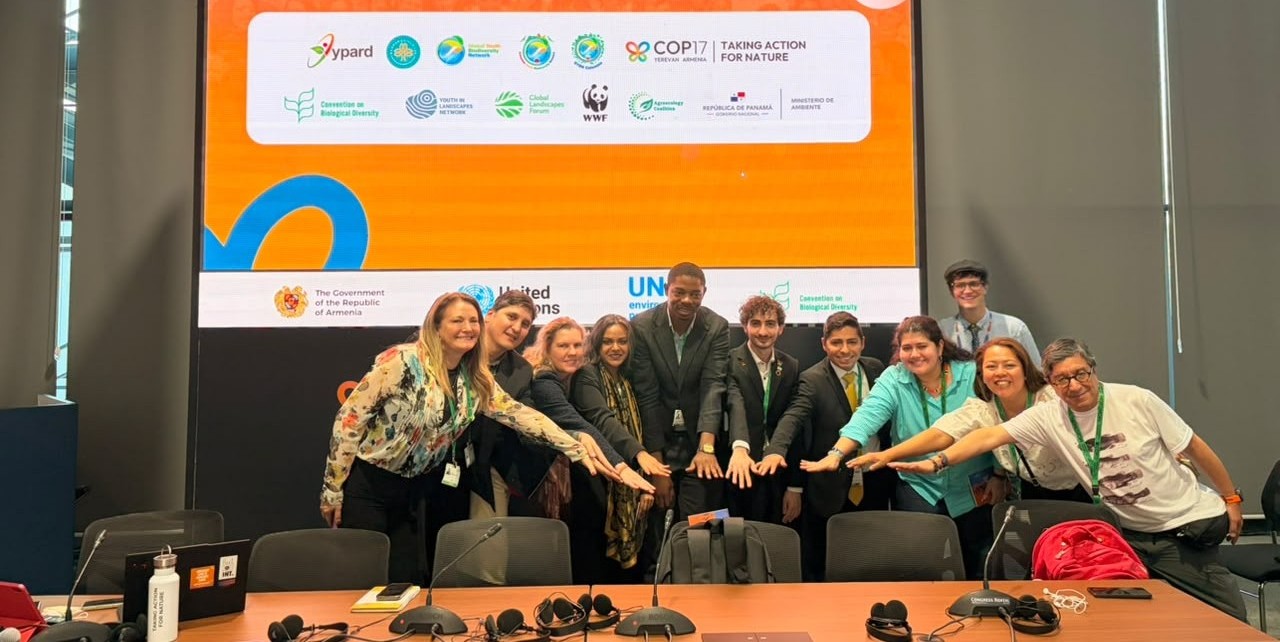
Officially launched in 2018-2019, the YPARD PWG has been operating for over 6 years. Since 2025, it has focussed on the synergies between the three Rio Conventions. In 2026, the YPARD PWG played an important role in shaping YPARD's engagement at the Rios including creating specific position papers for the UNCCD, CBD, and UNFCCC COP conferences and conducting sessions to discuss the negotiations, processes, priorities, and outcomes of the same. YPARD supports youth civil society by engaging in the official constituencies to the respective conventions (YOUNGO, GYBN, and UNCCD Youth Caucus) ensuring that these priority documents contribute to the constituent groups’ global position papers for global negotiation processes such as the COPs.
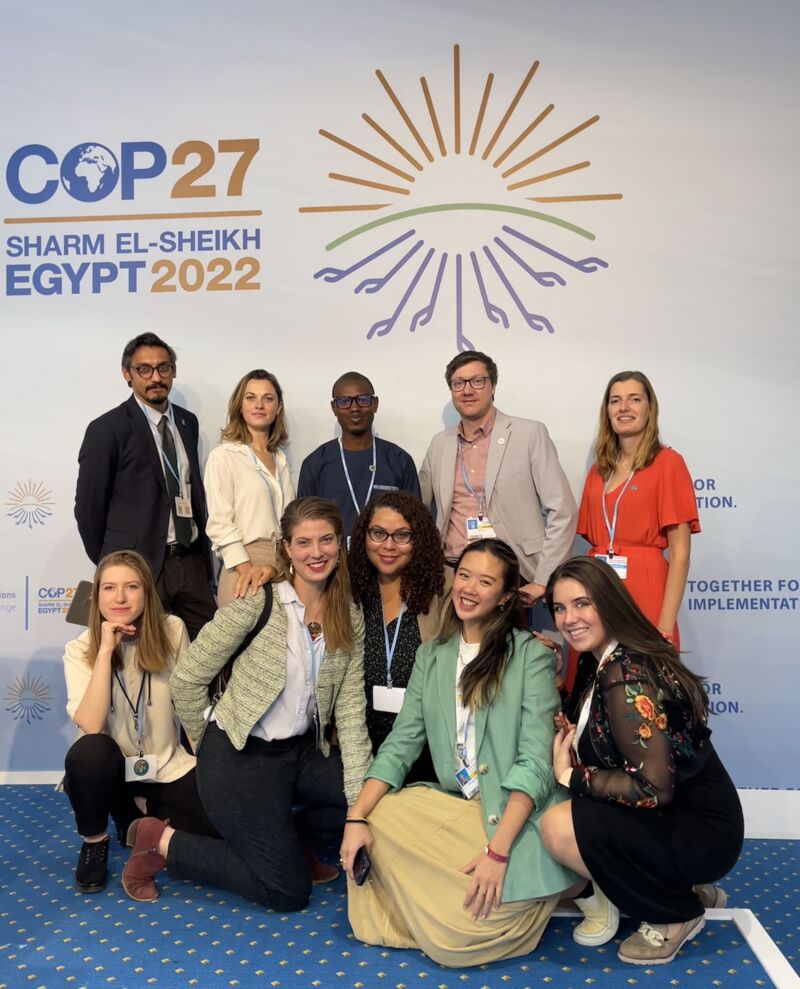
While the PWG’s current focus is on all three Rio Conventions, its engagement with the UNFCCC processes is the most longstanding. Members have been engaged since the UNFCCC COP27 held in Egypt in 2022, conducting workshops and training for young people in collaboration with several partners like YOUNGO, FAO, and others. These engagements have been sustained for the subsequent UNFCCC COPs as well as the Subsidiary Bodies meetings. In the run-up to COP31, the PWG hosted targeted capacity building sessions and developed its COP31 Position Paper on Agriculture and Food Systems.
The YPARD PWG provides a collaborative platform for young professionals interested in influencing policies related to agriculture, food systems, climate change and sustainable development.
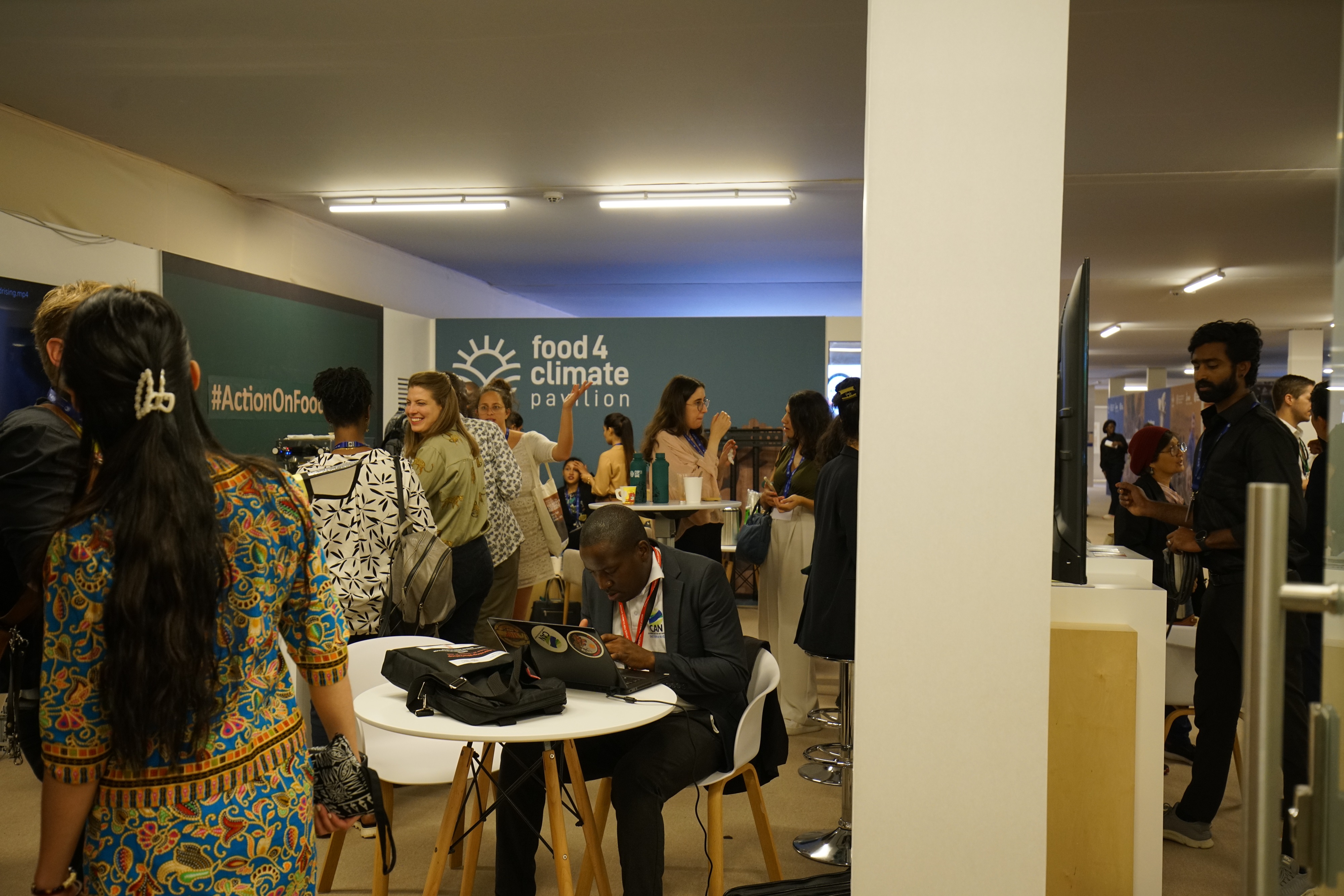
The work is guided by structured working methods that encourage active participation, collective knowledge generation and collaboration. Members engage through regular online meetings, thematic discussions, consultations and joint development of advocacy materials like position papers, policy statements, and contributions to Global Youth Statements. These key documents are then presented at global policy fora and shared online for greater visibility and access by larger audiences.
International policy discussions can often be complex and difficult for young professionals to navigate- the YPARD PWG simplifies the process by creating a peer learning space with an underlying principle of co-creation. Through the Working Group, members have an opportunity to understand these processes, discuss emerging policy issues and build the confidence and knowledge needed to contribute to global conversations. PWG members are young professionals who are members of YPARD chapters and part of the food systems ecosystem, selected based on their interest, taking into account their experience and motivation. Focal points are selected from within the members; their roles are to lead and coordinate the working group members in developing and consolidating demands and priorities for global negotiation scenarios, and to work collaboratively with members of the youth, food systems and agriculture working groups and constituencies of the Rio Conventions.

Youth are often treated as a monolith; however, youth as a stakeholder group are heterogeneous and diverse.
This is a key strength of the YPARD PWG: our emphasis on collective input. Members are encouraged to bring diverse perspectives from our respective countries, communities and professional experiences into discussions. Through these exchanges, the group identifies common challenges, explores different approaches and develops shared recommendations that reflect the priorities of young people working across agrifood systems. This collaborative and consensus-based approach ensures that YPARD's advocacy is not limited to institutional perspectives but is informed by the experiences and demands of the wider youth community. It also provides members with practical experience in policy analysis, consultation processes, advocacy writing and the development of position papers.
There are numerous youth manifestos and position papers. Why do we need YPARD’s?
YPARD’s work stands on the shoulders of giants, not as an ad hoc approach to youth engagement.
As preparations for the 31st Conference of the Parties to the United Nations Framework Convention on Climate Change (UNFCCC COP31) gained momentum, YPARD sustained the work of consolidating perspectives of young people on agriculture, food systems and climate mitigation into a collective advocacy document, as it has done since COP27. The COP31 Position Paper emerged from discussions and consultation processes involving members of the PWG, the wider YPARD network and the youth constituencies of the Rio Conventions. The intention was to bring together some of the key perspectives and demands of young people regarding food systems, agriculture and mitigation actions, ensuring that their priorities could contribute to broader climate policy discussions.
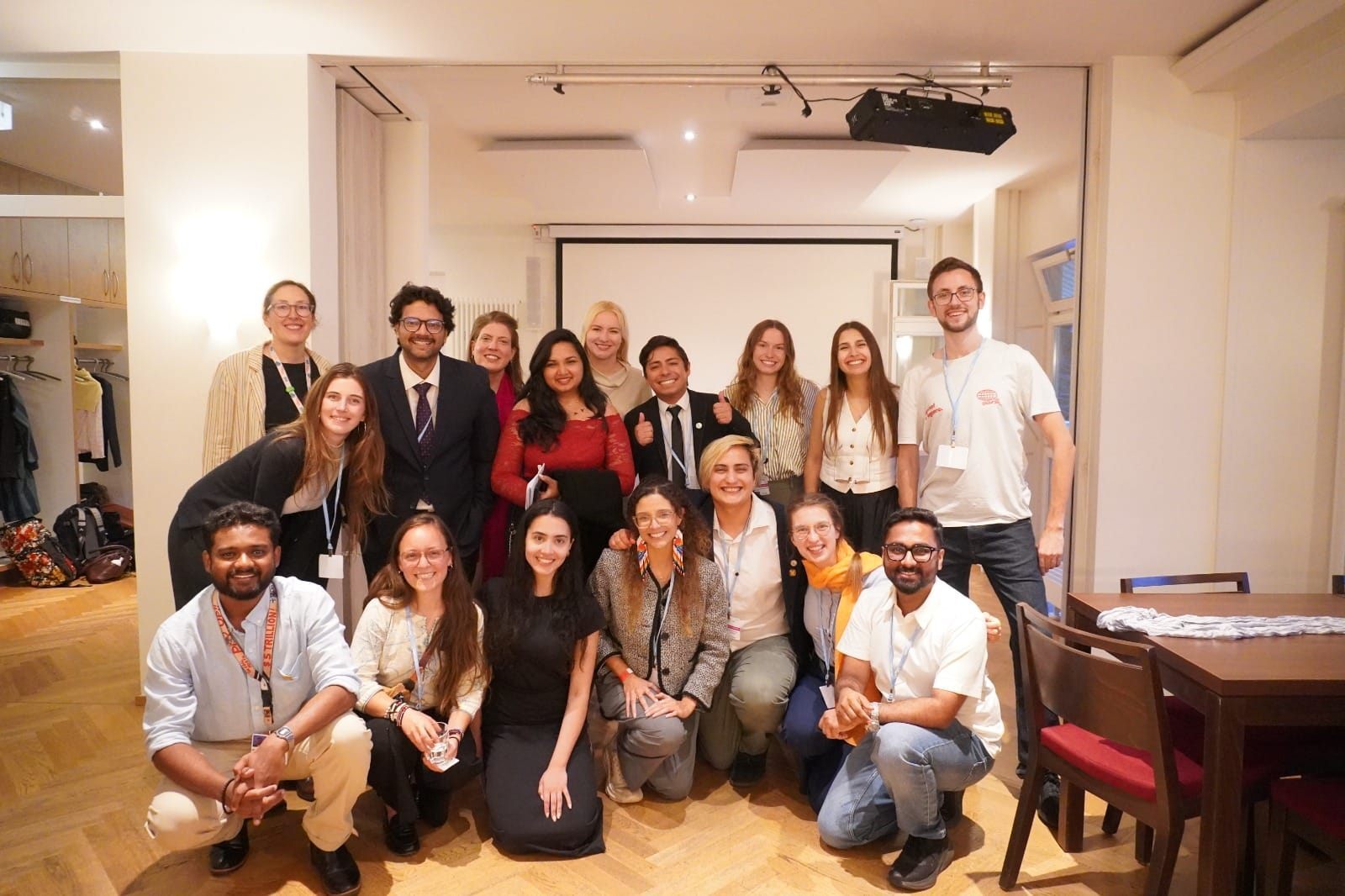
The process began with discussions within the Policy Working Group, creating space for members to examine the relationship between climate change, agriculture and food systems,connecting the demands of young people in the regions with the priorities for negotiation related to agriculture, food systems, and a just transition, among others. These discussions helped identify issues requiring stronger attention in international climate negotiations, particularly the role of agriculture in climate mitigation, the need for resilient food systems and the importance of ensuring that climate action responds to the realities of farming communities. Members brought different perspectives to the discussions, drawing on their professional knowledge and experiences in agricultural development, food systems, climate action and community engagement. Through these exchanges, the group began identifying areas of common interest and potential advocacy priorities for COP31.
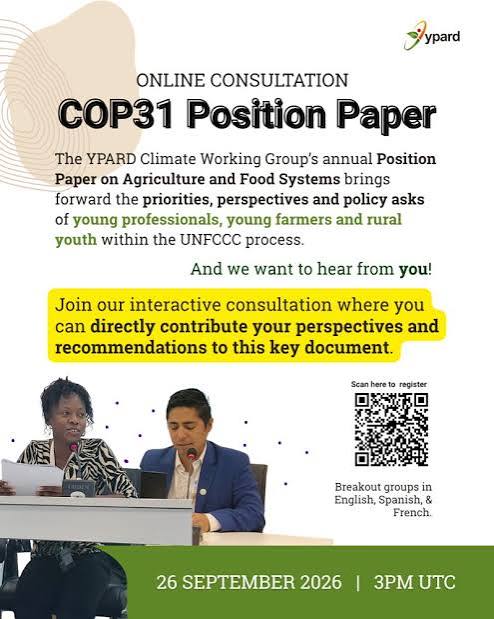
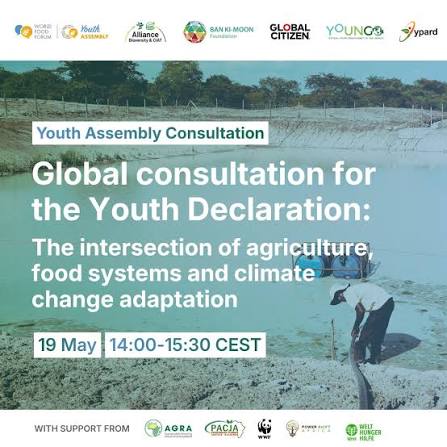
Recognising that a meaningful youth position should extend beyond the views of a small group of contributors, YPARD incorporated wider consultation processes into the development of the paper. A targeted online consultation held in different languages provided an opportunity for more young professionals to share their experiences, identify challenges and articulate the policy changes they would like to see in agriculture and food systems. Discussions focused particularly on food systems, agriculture and mitigation actions, allowing participants to reflect on how climate policies could better respond to the needs and priorities of young people. The consultation also helped bring different perspectives into the process, ensuring that the resulting advocacy document would reflect a broader range of experiences and demands.
Following the consultation process, the discussions continued within the Policy Working Group. Members worked together to examine the perspectives raised, identify recurring themes and consider how the different contributions could be translated into coherent policy recommendations. This stage was important in moving from individual contributions towards a shared position. Through collective discussions, the group considered the issues that deserved greater emphasis, the demands that should be communicated to policymakers and how young people's perspectives could be presented in a way that contributes constructively to international climate negotiations. The process also allowed members to reflect on the connections between agricultural practices, food production, climate mitigation and the broader transformation of agrifood systems.
The insights gathered through consultations and Policy Working Group meetings informed the development of the COP31 Position Paper. The document brings together some of the key perspectives and demands of young people that emerged from these processes, particularly concerning food systems, agriculture and mitigation actions. By consolidating these contributions into one advocacy document, YPARD promotes a collective youth perspective that can inform discussions and decision-making at COP31. The paper represents an important outcome of the Working Group's collaborative approach: connecting individual experiences, shared knowledge and collective priorities to develop a unified contribution to global climate advocacy. It then feeds into YOUNGO's Global Youth Statement, offering more youth experiences to the key negotiating document.
As YPARD engages in the COP31, the Policy Working Group's work reinforces the importance of sustained youth engagement in international climate processes. The COP31 Position Paper is one contribution towards ensuring that the perspectives and demands of young people are represented in discussions on the future of agriculture, food systems and climate action. Beyond COP31, YPARD will continue to strengthen the Global Policy Working Group as a platform for collective learning, policy engagement and youth-led advocacy. It has already done so by following a similar consultative process in engaging with the UNCCD and CBD COPs held earlier this year.
By bringing together young professionals, connecting their experiences and translating their perspectives into collective recommendations, YPARD is working towards a future in which young people are not simply participants in global policy discussions, but active contributors to the decisions that shape sustainable and resilient agrifood systems.
This blog was developed by YPARD as part of its engagement with GIZ’s ClimA project. YPARD's work in the Ambitious Climate Contributions in Agrifood Systems (ClimA) project supports the dissemination and visibility of innovative, inclusive, and gender-responsive climate mitigation approaches in agrifood systems through youth- and women-centered dialogue, peer-learning, and policy engagement formats.
Find more details here.