
Young people are increasingly taking up opportunities in agriculture and agribusiness, developing innovative solutions to food production, processing, value addition and marketing. However, turning promising business ideas into sustainable enterprises requires more than passion and access to resources. It also demands business discipline, strategic thinking, financial responsibility, market awareness and strong professional networks.
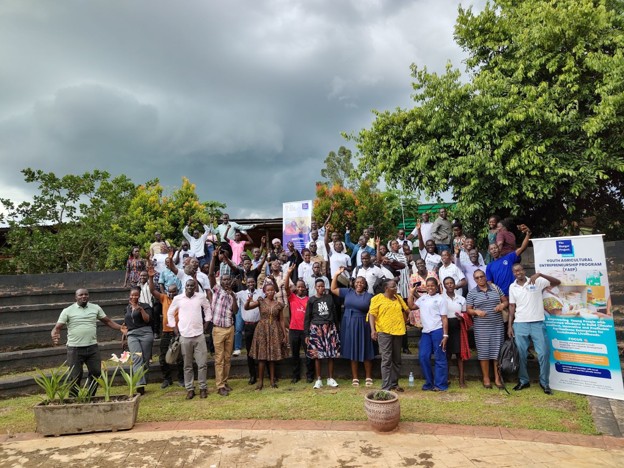
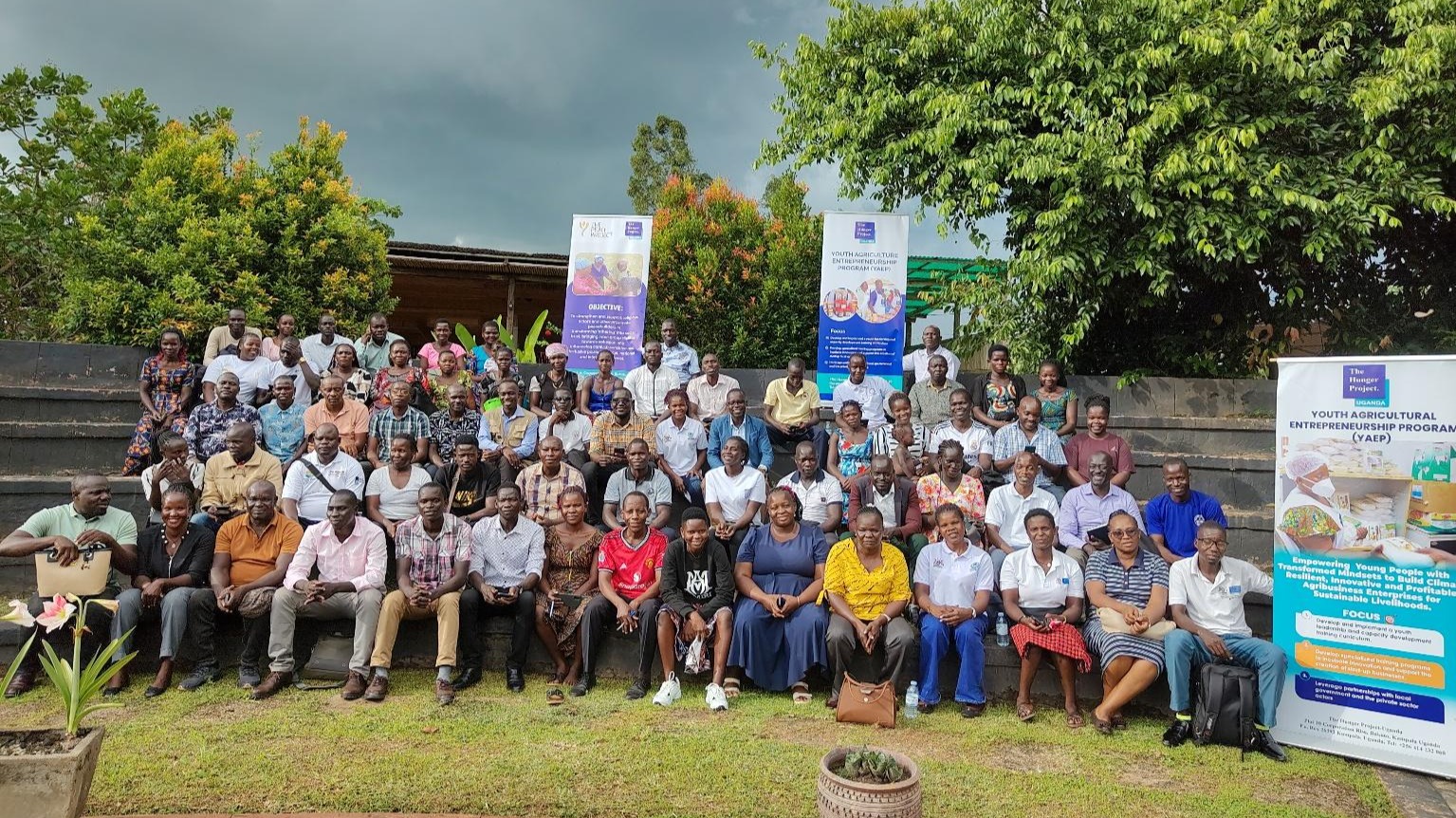
These were among the key messages emerging from the Northern Uganda Youth Agribusiness Boot Camp, organized by The Hunger Project Uganda (THP) in Gulu City in close collaboration with Young Professionals for Agricultural Development (YPARD) Global Coordinating Unit(GCU) and YPARD Uganda chapter bringing together morethan 80 participants including young Agripreneurs, youth group leaders, development practitioners, government representatives, private-sector actors and other stakeholders to explore opportunities for strengthening youth-led agribusiness.
Held under the theme "Learn, Connect, Experience & Grow," the two-day boot camp organised with support from THP-Uganda’s Youth Agricultural Entrepreneurship Programme (YAEP) provided a practical platform for young people from Amuru, Nwoya, Omoro, Gulu City and Pader among other districts to exchange experiences, learn from established practitioners, explore business opportunities and strengthen connections across different agricultural value chains.
YPARD Global Coordinating Unit was represented by Ajuna Tadeo ( Programme coordinator-GCU) while YPARD Uganda was represented by two district ambassadors i.e Auma Anna Mercy incharge of Kitgum District as well as Peter Ayile in charge of Dokolo. YPARD Uganda National Chapter further had the opportunity to have 2 of its members Anena Jenniffer and Ojok Walter as co facilitators for the event as well as host participants to their processing facilities in Gulu City.
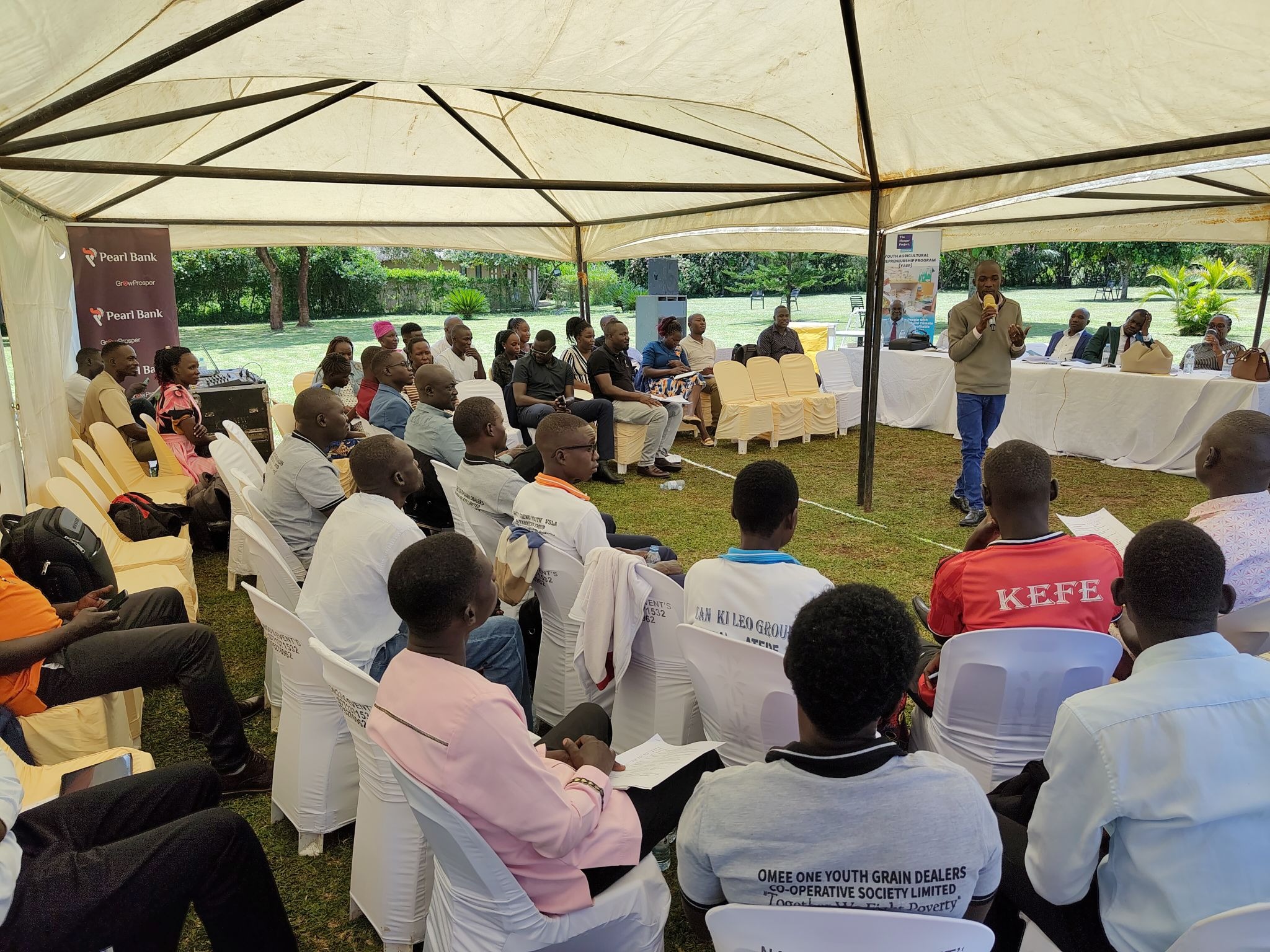
One of the key contributions from YPARD was a practical session facilitated by Tadeo Ajuna, YPARD Programme Coordinator, focusing on business management, personal branding, financial discipline and the realities of growing and sustaining a business.
The session challenged young entrepreneurs to think beyond simply starting a business and instead consider what it takes to build an enterprise that is credible, resilient and capable of attracting opportunities.
In this session Tadeo further discussed the need for personal branding and how young entrepreneurs position themselves in the eyes of the world. Participants were encouraged to reflect on how they present themselves, their businesses and their professional identities. In an increasingly competitive business environment, how young people communicate, conduct themselves, honour commitments and demonstrate professionalism can significantly influence how potential customers, investors, partners and financial institutions perceive them.
The discussion also explored the importance of knowing when to persevere and when to reconsider a business direction. Young entrepreneurs were encouraged to distinguish between challenges that require persistence and situations where a business model needs to change, adapt or even be discontinued. The ability to assess business performance objectively, learn from setbacks and make informed decisions is essential to long-term entrepreneurial success.
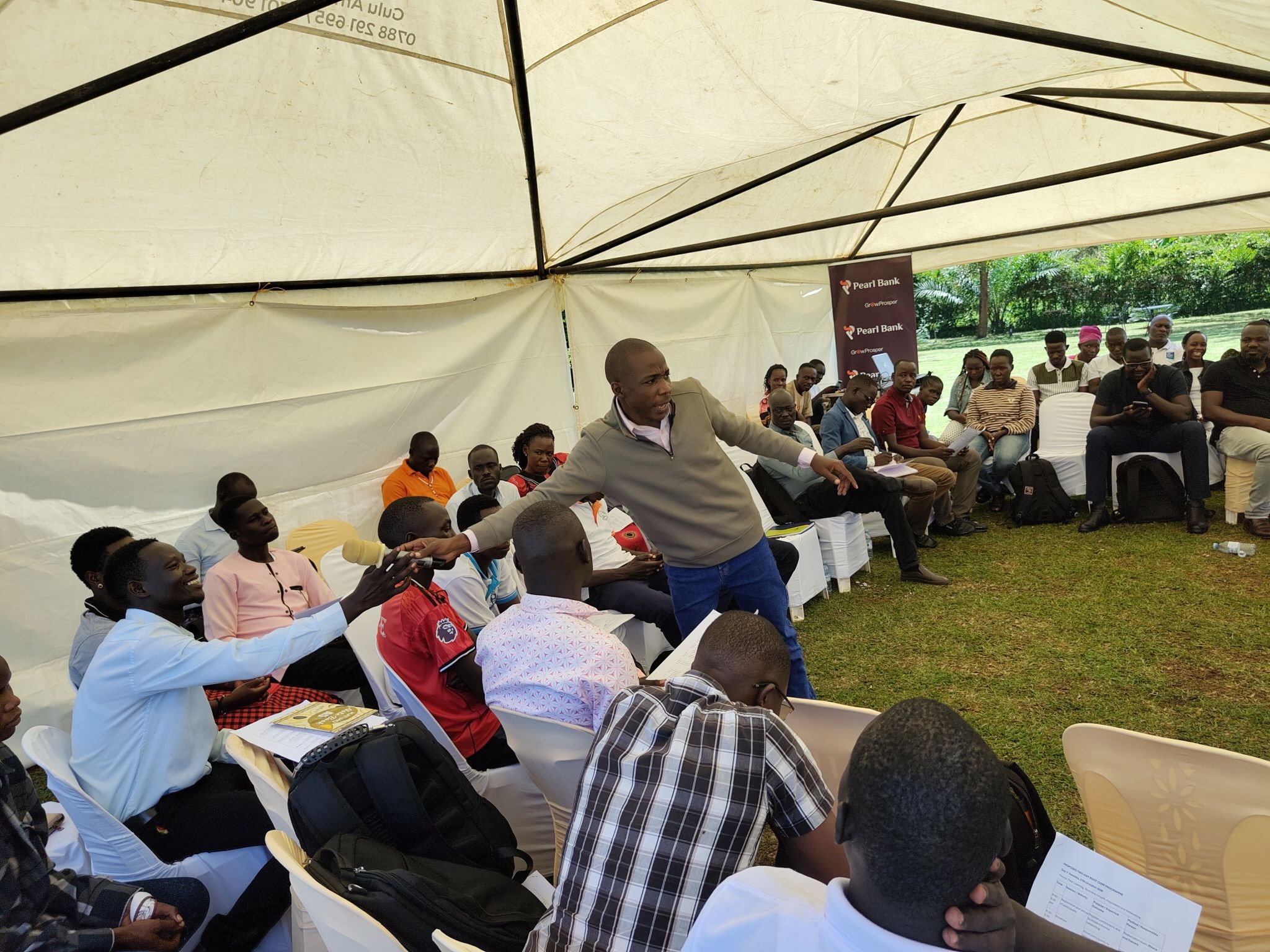
Another important message shared by Tadeo was the need for financial discipline, particularly in managing and repaying borrowed funds. Young people were encouraged to develop responsible financial habits, maintain proper records, separate business and personal finances, and honour loan repayment obligations, including small loans.
The discussion highlighted how failure to repay borrowed funds can reinforce negative perceptions of young entrepreneurs as high-risk borrowers, potentially limiting access to future financing for other young people. Building a track record of financial responsibility was therefore not only important for individual businesses but also for strengthening the credibility of young entrepreneurs as a wider constituency.
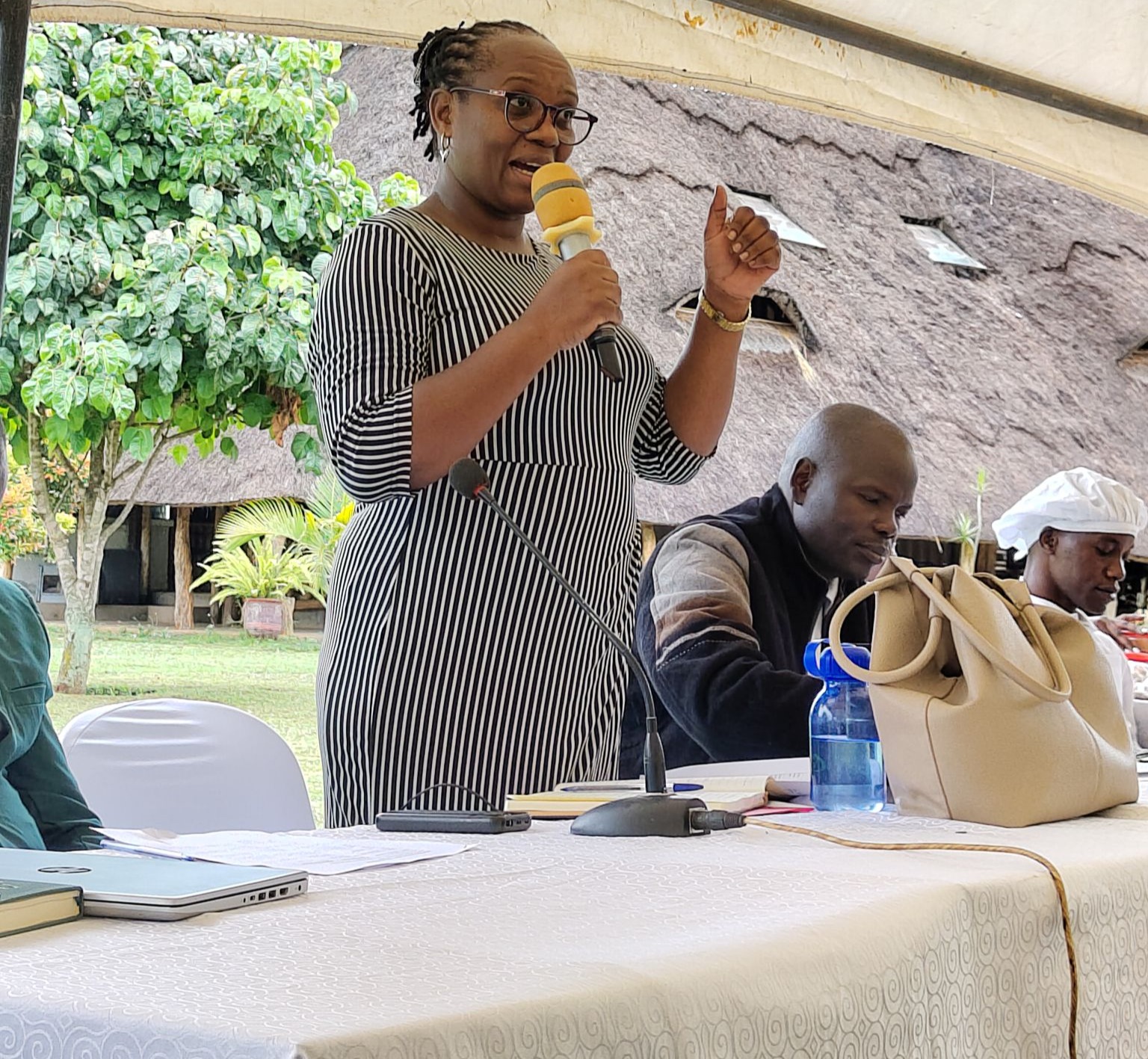
After this, Tadeo Invited Mr. Ojok Walter (See Photo below) a YPARD Uganda member and proprietor of House of Ojok producers of various Agri value added products to share with participants his experience on Branding and packaging.

Sharing his experience, Walter took participants through the evolution of his enterprise, highlighting how the branding and packaging of his products have changed over time. He emphasised the importance of understanding target customers, noting that the intended market should inform decisions on product presentation, branding and packaging.
Using his own business as an example, Walter explained that products supplied to supermarkets must have barcodes, as these are essential for product identification and sales within the retail system. In contrast, local restaurants often prioritise affordability and therefore tend to prefer basic, minimally branded packaging that helps keep costs low. He underscored the need for agripreneurs to understand these different market expectations and tailor their products accordingly.
Walter further shared practical insights into his enterprise during the field visit to his production facility, where participants had the opportunity to gain first-hand experience of his operations, product development and business practices.
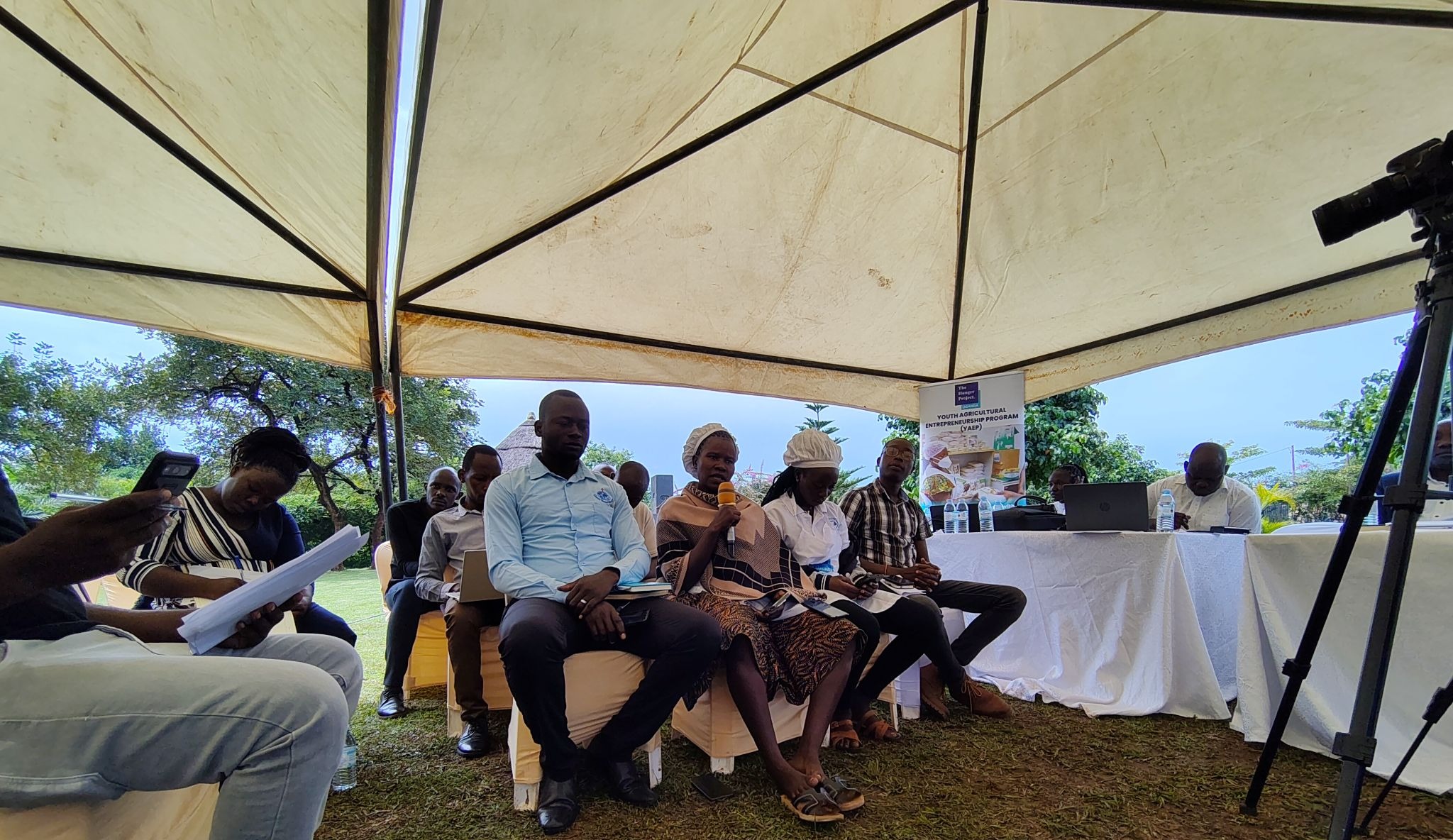
Other key sessions included a Youth Enterprise Experience-Sharing Panel (See Photo below), which provided a platform for four youth representatives to share their entrepreneurial journeys, challenges, lessons learned and key success factors. The discussion was led by Ogaram Ibrahim of THP Uganda, offering participants an opportunity to learn from the practical experiences of fellow young entrepreneurs.
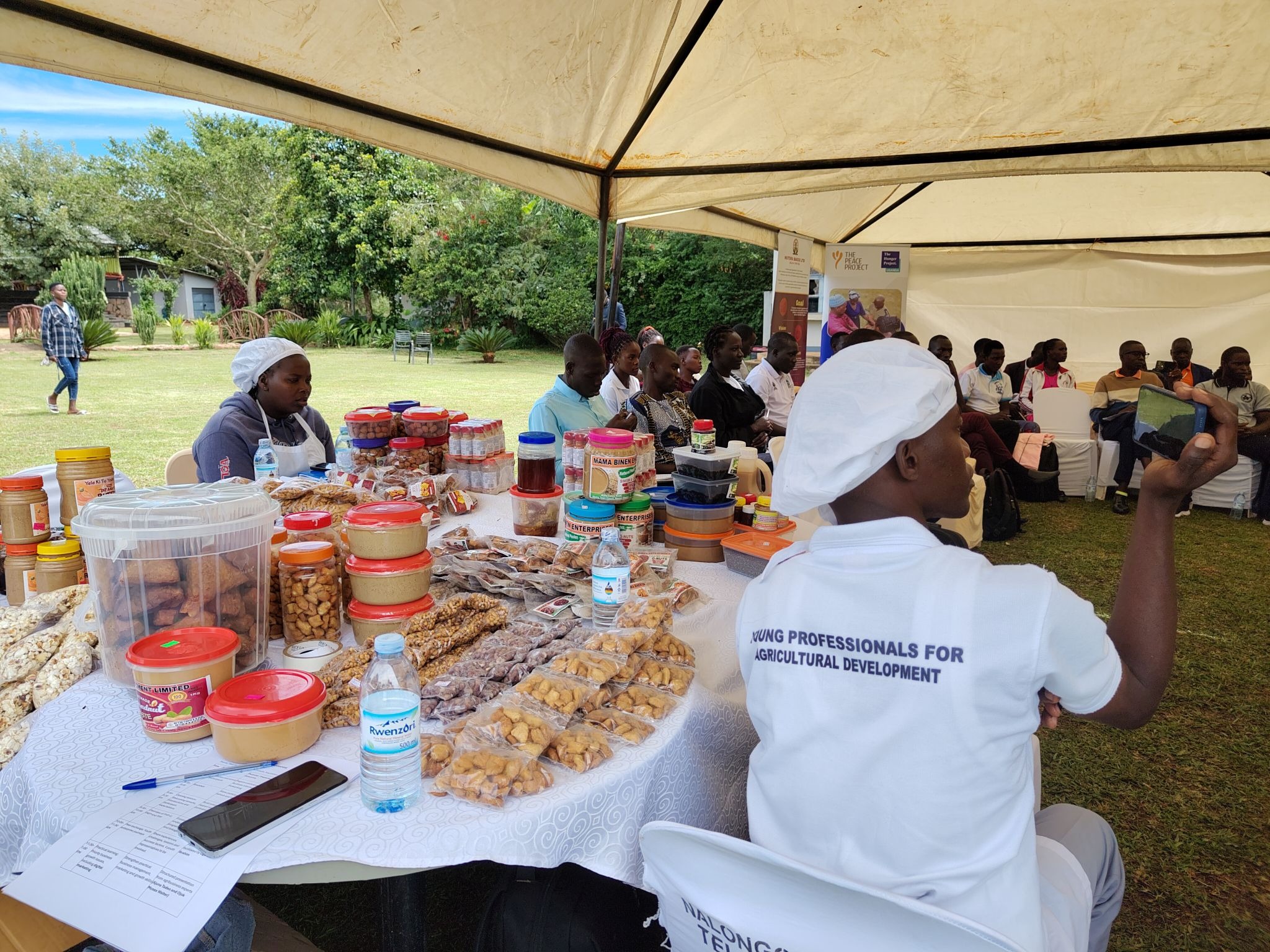
The boot camp further featured an Enterprise Showcase, Networking and Marketplace Exchange, where participating young entrepreneurs had the opportunity to exhibit, promote and market their products, interact with potential customers and establish connections with fellow entrepreneurs and other stakeholders.
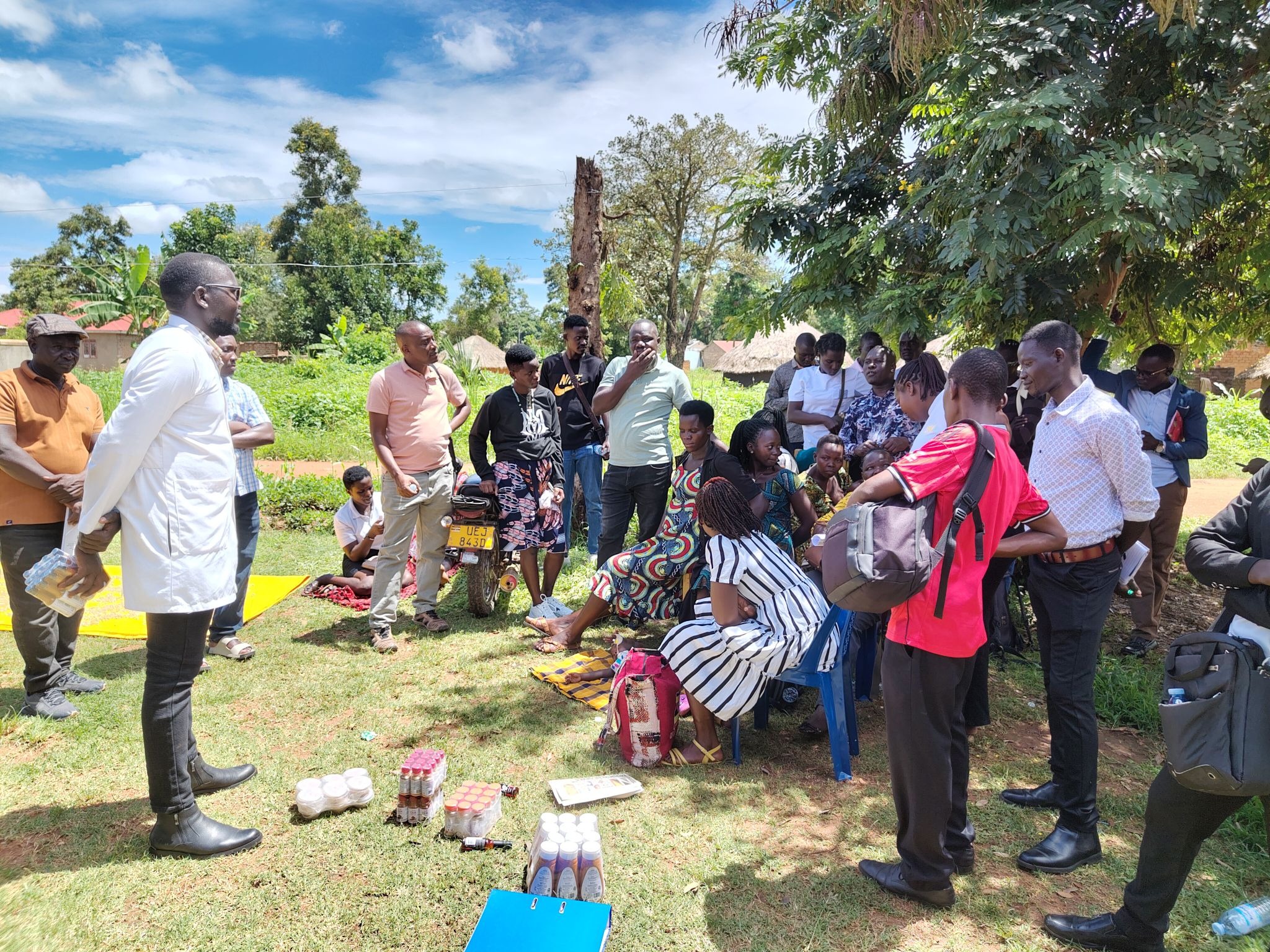
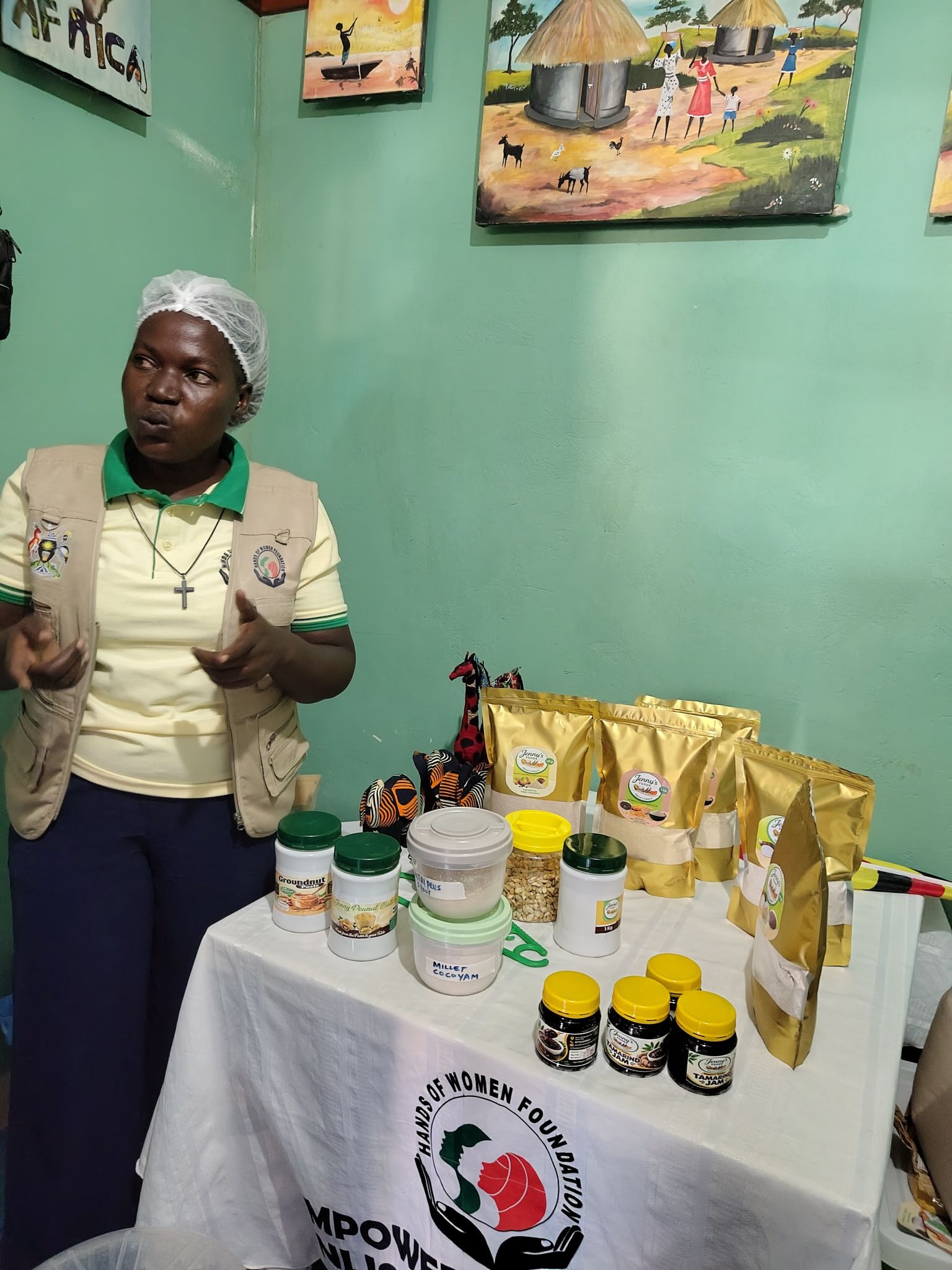
An important feature of the boot camp was its emphasis on experiential learning through visits to youth-led agribusiness enterprises in Gulu City. The selected enterprises showcased the potential of local agricultural products to create value beyond primary production.
The enterprises included those of Anena Jennifer, who specialises in composite flours, roasted pumpkin seeds and ginger value addition, and Ojok Moses Walter, whose business activities include chilli and ginger value addition, as well as the production of confectioneries such as daddies, roasted groundnuts, roasted soybeans and bagiyaa.
These youth-led initiatives provided relevant examples of how agricultural products can be transformed into marketable products, creating opportunities for enterprise development, employment and improved market participation among young people.
The practical exposure also reinforced the importance of understanding the entire business process, from sourcing raw materials and production to processing, quality management, packaging, branding and accessing markets.
-Bringing together youth from different districts and organisations is particularly important in addressing the isolation that many young entrepreneurs experience.
-Strong networks can help young people identify business partners, access technical expertise, share market information, learn from successful enterprises and collectively advocate for a more enabling environment for youth-led agribusiness.
-The boot camp also created an opportunity for interaction between young entrepreneurs, local government representatives, financial service providers, produce off-takers, cooperatives and other agricultural stakeholders.
SPECIAL THANKS | The Hunger Project Uganda Country Director and all Staff that made this event a success.