


Running from 2025 to 2028, RAENS is building a regional, multi-actor agroecology research and knowledge network across Malawi, South Africa, Tanzania, Zambia, and Zimbabwe. The initiative brings together farmers, researchers, universities, civil society organizations, extension agents, and market actors to strengthen agroecology research, learning, knowledge sharing, and policy engagement across the SADC region.
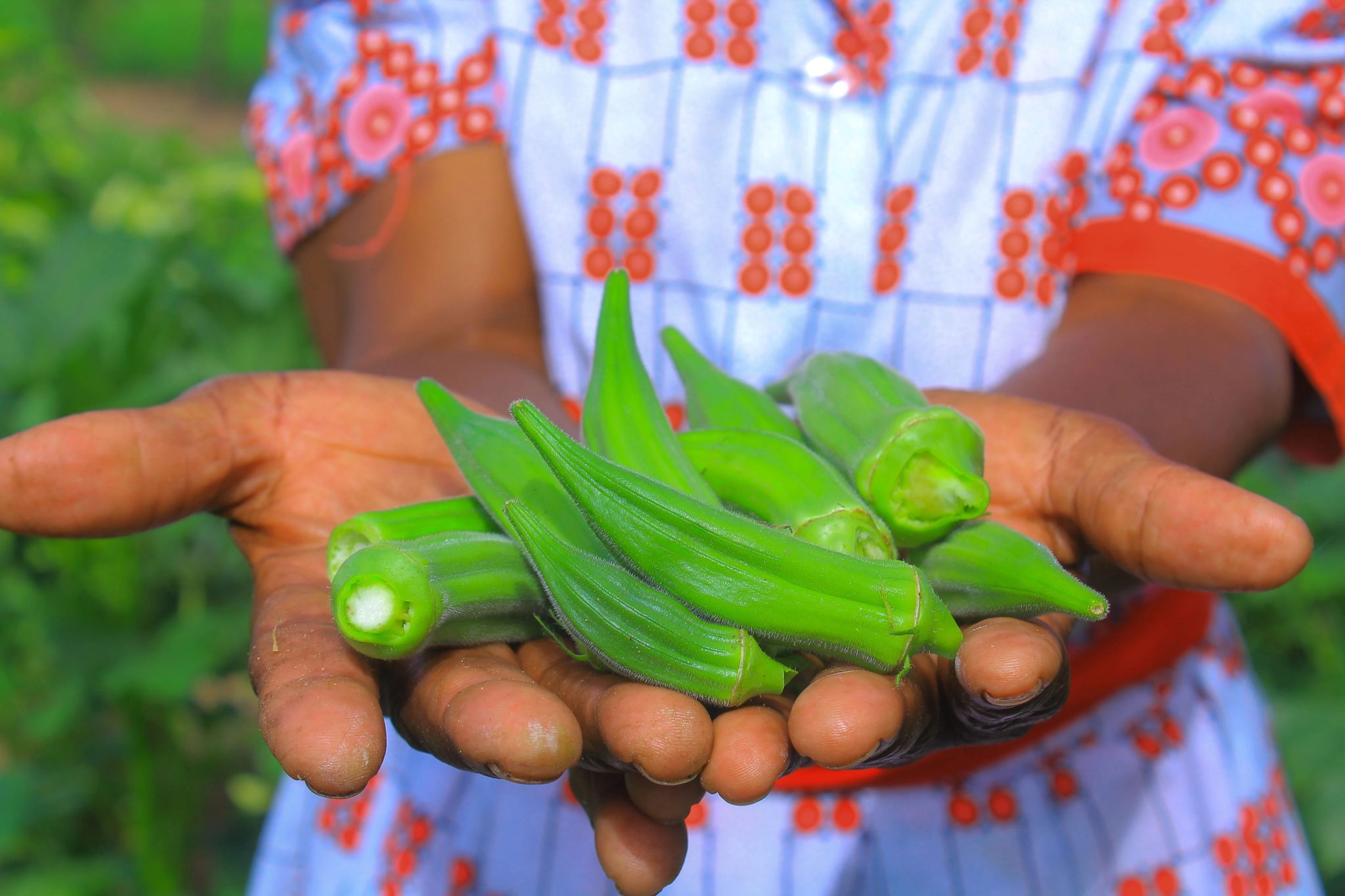
Agroecology is not only about farming practices. It is about people, knowledge, culture, and power. RAENS embraces farmer-led, transdisciplinary research and values both scientific and indigenous knowledge systems. Within this approach, youth, gender, and nutrition-sensitive practices are essential.
YPARD through the RAENS, creates spaces where young professionals who are researchers, farmers, practitioners, and innovators can learn, connect, and lead. Through its regional and global networks, YPARD helps bridge generations, disciplines, and countries, strengthening the next generation of agroecology champions.
YPARD’s engagement focuses on learning, visibility, and meaningful participation turning ideas into action and conversations into collaboration.
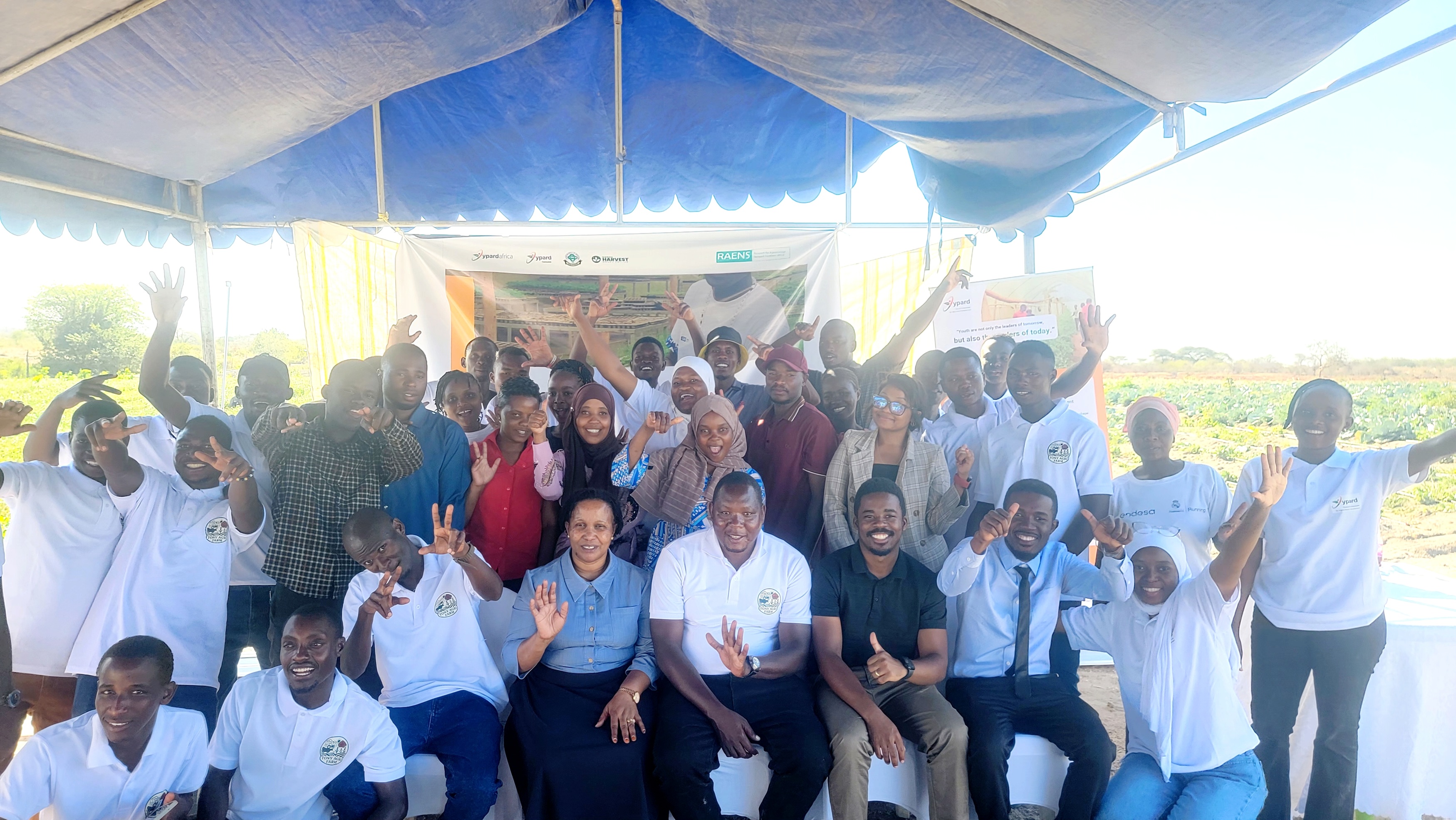
One of YPARD’s core contributions to RAENS is organising YPARD Cafés, which are youth-focused side events or parallel sessions held during agroecology conferences, institutional meetings, or partner events. These Cafés create safe, inclusive spaces where young people can share their experiences, challenges, and innovations in agroecology.
Depending on the context, YPARD Cafés may take the form of farm visits, workshops, exhibitions, seminars, or virtual dialogues. They encourage storytelling, cross-country learning, and open conversations between youth and experts ensuring that young voices are heard and valued.
Every YPARD Café and youth engagement activity is documented. Post-event summaries, lessons learned, youth recommendations, and examples of best practices are captured and shared. These contributions feed directly into the RAENS knowledge base.
YPARD brings these insights together in a regional youth synthesis report, inspired by the Global YPARD Café model. This ensures that youth experiences and ideas don’t stop at events but inform learning, research, and future agroecology practice.
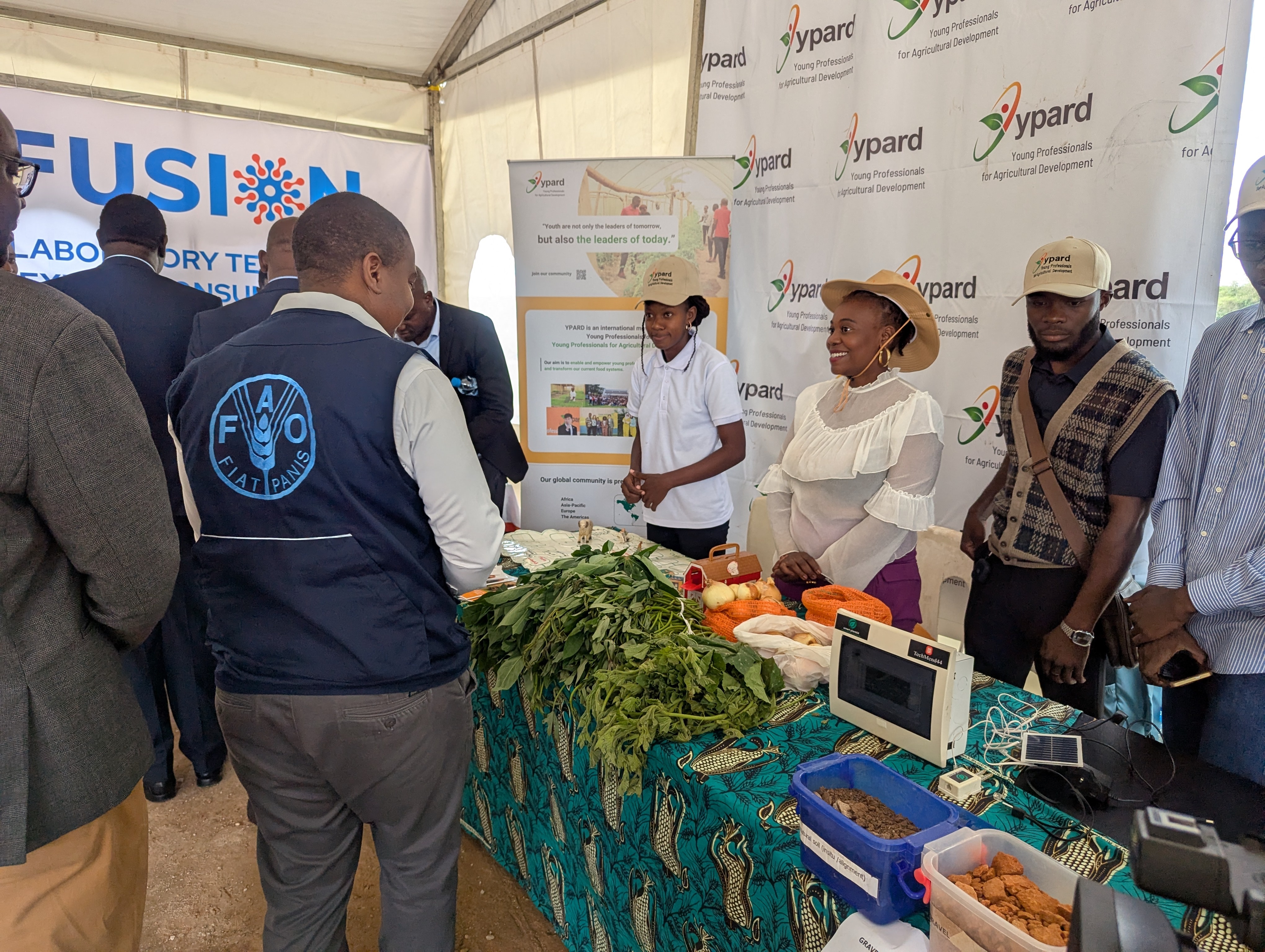
Through RAENS, YPARD supports youth participation in agroecology exhibitions and forums. Youth-led initiatives are showcased through research posters, infographics, videos, and interactive displays highlighting innovations in farming, climate resilience, food processing, and community education.
These spaces also celebrate the role of universities and partner institutions in mentoring and supporting young agroecology leaders
YPARD also works to ensure youth are represented in agroecology hubs and networks at institutional and national levels. This allows young professionals to contribute directly to research planning, curriculum development, and community outreach not as observers, but as co-creators of change.
Through its engagement in RAENS, YPARD helps build a vibrant, connected community of young agroecology practitioners across Southern Africa. By creating opportunities to learn, lead, and collaborate, YPARD supports RAENS’ broader goal of transforming food systems towards approaches that are sustainable, inclusive, and rooted in local knowledge.
At its core, this partnership is about putting trust in youth and young people to imagine better food systems and giving them the space, tools, and networks to make those visions real.
CCARDESA coordinates the RAENS project and involves a group of eight implementing partners:
University of Cape Town (UCT)
Lilongwe University of Agriculture and Natural Resources (LUANAR)
Sokoine University of Agriculture (SUA)
Marondera University of Agriculture, Science and Technology (MUAST)
The Zambia Agricultural Research Institute (ZARI)
Center for International Forestry Research and World Agroforestry (CIFOR-ICRAF)
Research Institute of Organic Agriculture (FiBL)
Young Professionals for Agricultural Development (YPARD)

.jpg)