

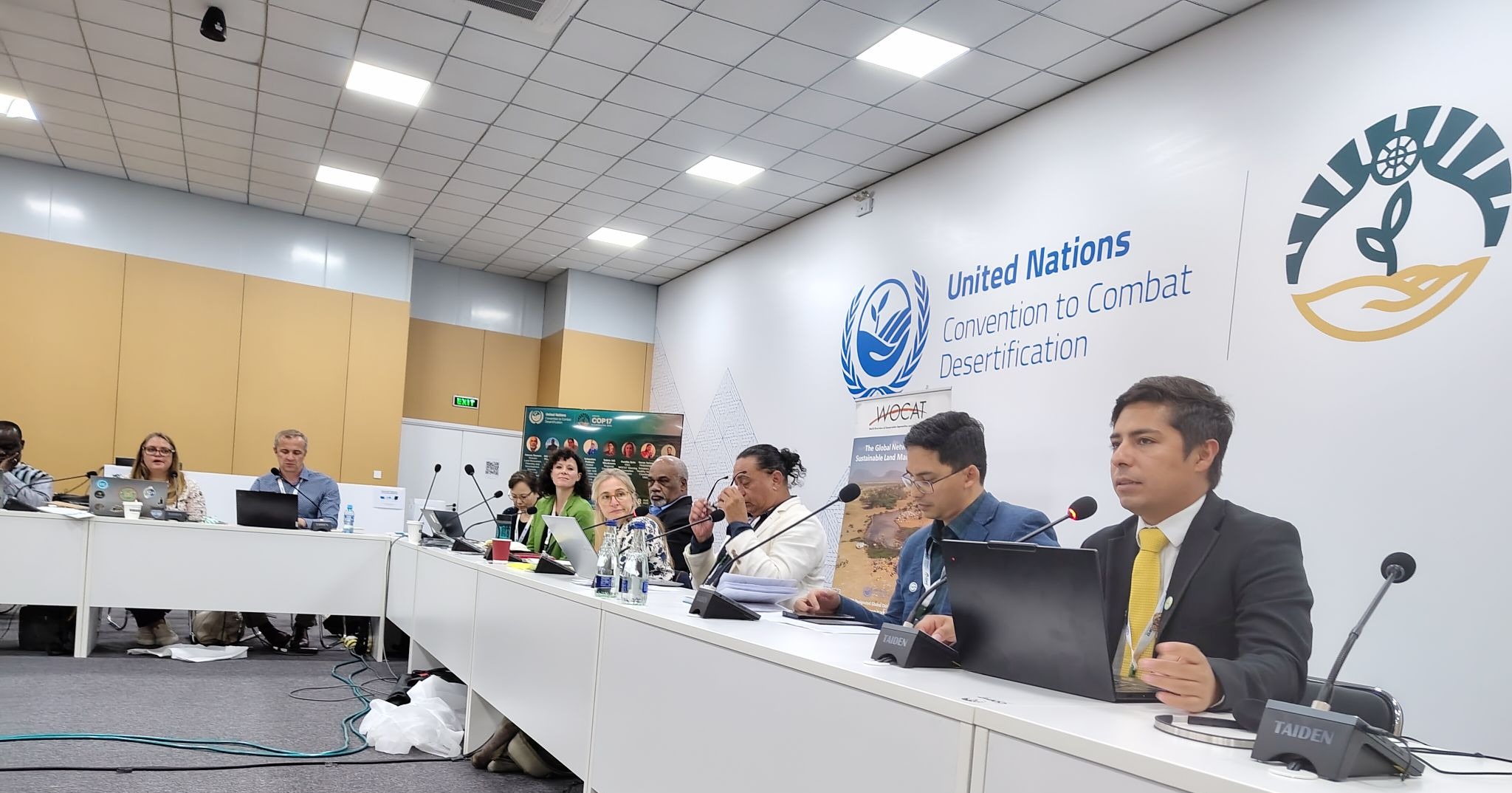
Over the years, YPARD has championed and facilitated meaningful engagement of young people in agrifood systems and climate change processes at national, regional, and global levels. Through its various policy working groups, YPARD has created spaces for young people to engage with policy processes, share their experiences, and contribute perspectives on issues that directly affect their lives, livelihoods, and communities.
This year 2026, with support from the Building Women- and Youth-led Networks in Africa (WYNA) Programme, implemented by YPARD, PELUM Kenya, and AGSN, YPARD further strengthened this commitment by facilitating the participation of young people to actively engage in the 17th session of the Conference of the Parties (COP17) of United Nations Convention to Combat Desertification (UNCCD) , held in Ulaanbaatar, Mongolia from 17th-28th August 2026.
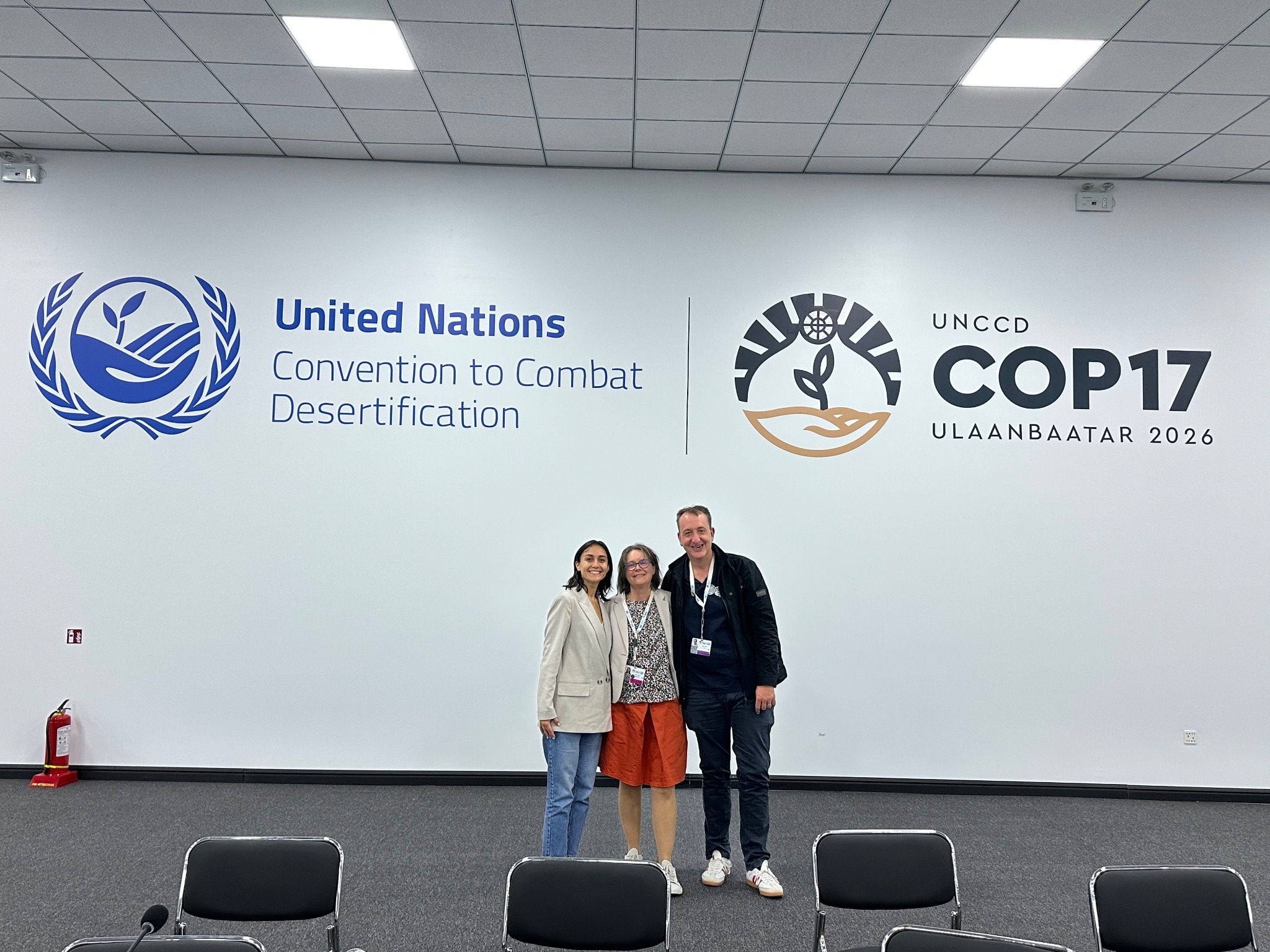
The YPARD delegation was led by YPARD Global Engagement Manager Sebastian Pedraza and included YPARD Programme coordinator and WYNA Programme Lead Ajuna Tadeo, YPARD UNCCD Focal Point and Policy Working Group representative Aya Ait El Madani , YPARD Land Policy Working Group co- lead and YPARD Zambia Country Representative, Sussana Phiri, and YPARD Georgia Country Representative, co-focal point of the UNCCD Policy Working Group Sopiko Babalashvilli, who currently also serve on the UNCCD CSO Panel. i
Beyond the formal delegation,Support for the UNCCD Youth Caucus through the accreditation of more than 15 delegates.YPARD’s delegation participated in more than 20 speaking engagements
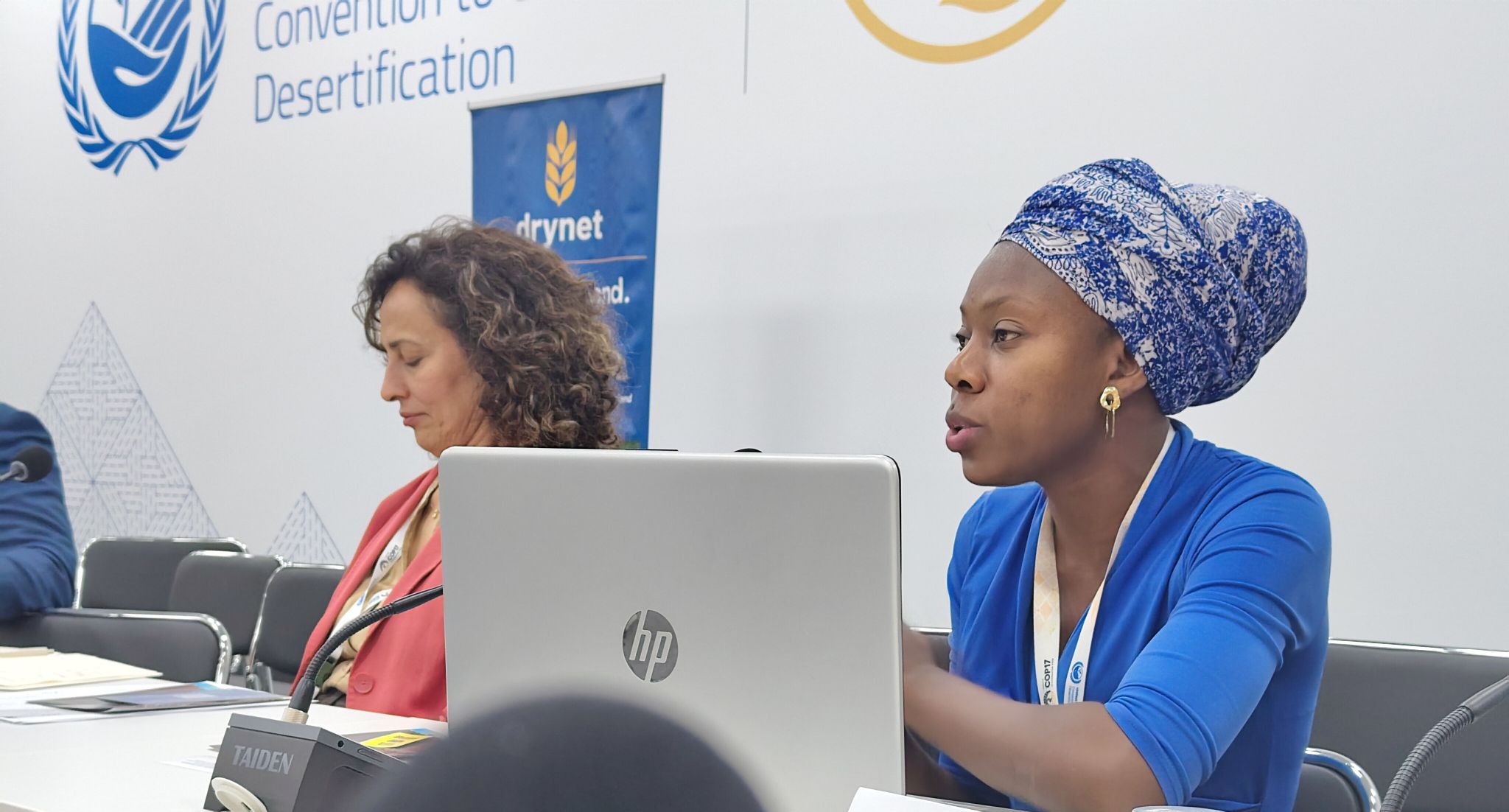
throughout the Conference and, for the first time, convened an official UNCCD side event themed "Young People Fostering Multisectoral Partnerships to Combat Desertification and Promote Synergies under the Rio Conventions,”
“UNCCD COP Is NOT One Activity. Its negotiations, side events, contact groups, dinners, corridor conversations, partnerships, Green Zone and more. Understanding my role and appreciating the roles of others helped me better understand how our different efforts can align to create lasting impact where it matters most: on the ground.” said YPARD Zambia Country Representative Sussana Phiri
For Ajuna Tadeo, YPARD Programme Coordinator and WYNA Programme Lead, the experience represented a particularly important moment in amplifying the solutions and innovations of young people that redefine restoration stating that: “This is a dream come true. I could speak of community solutions by innovative young people at YPARD, and gladly, we are taking centre stage in UNCCD restoration efforts.”
The following sections provide a summary of YPARD’s engagement at COP 17, highlighting the key activities, speaking engagements, partnerships, policy contributions, and experiences that shaped the delegation’s participation in Ulaanbaatar.
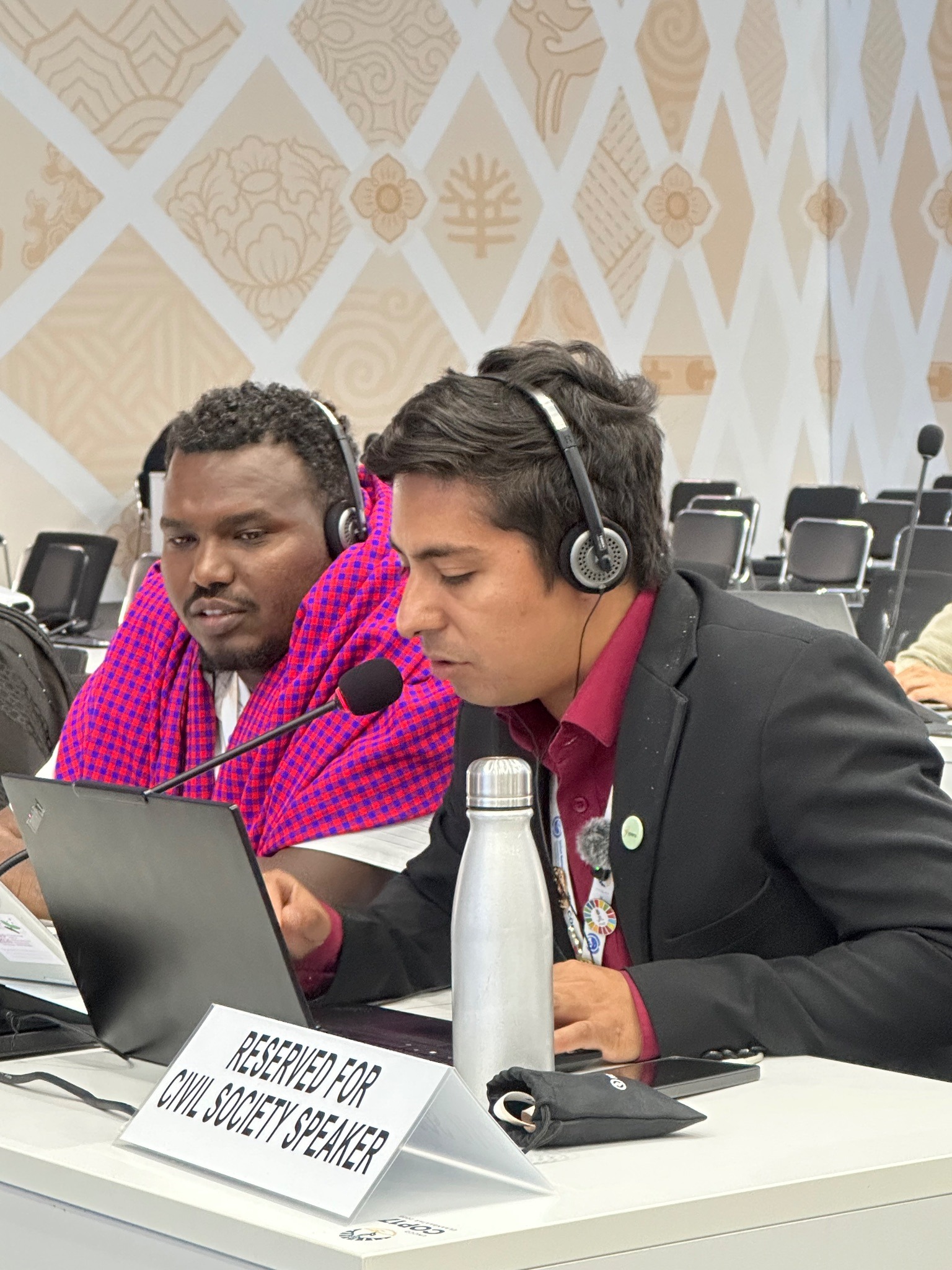
During the UNCCD COPs, civil society representatives are allowed to deliver statements, reflecting key perspectives, messages, and recommendations of civil society organizations, Indigenous Peoples, local communities, pastoralists, women, and for sure youth on each agenda item. To leverage official engagement mechanisms, YPARD actively engaged with the UNCCD CSO Panel, to ensure that the key messages and priorities of the UNCCD Youth Caucus were reflected in the official statements.
The UNCCD CSO Panel is the responsible platform for coordinating the preparation and delivery of civil society statements,YPARD Global Engagement Manager Sebastian Pedraza attended daily coordination meetings of the Panel and contributed to the preparation of statements, ensuring the reflection of youth perspectives in documents. On 24 August, during the ministerial dialogue on innovative financial mechanisms for healthy land and drought resilience, Sebastian Pedraza delivered a statement on behalf of the civil society.
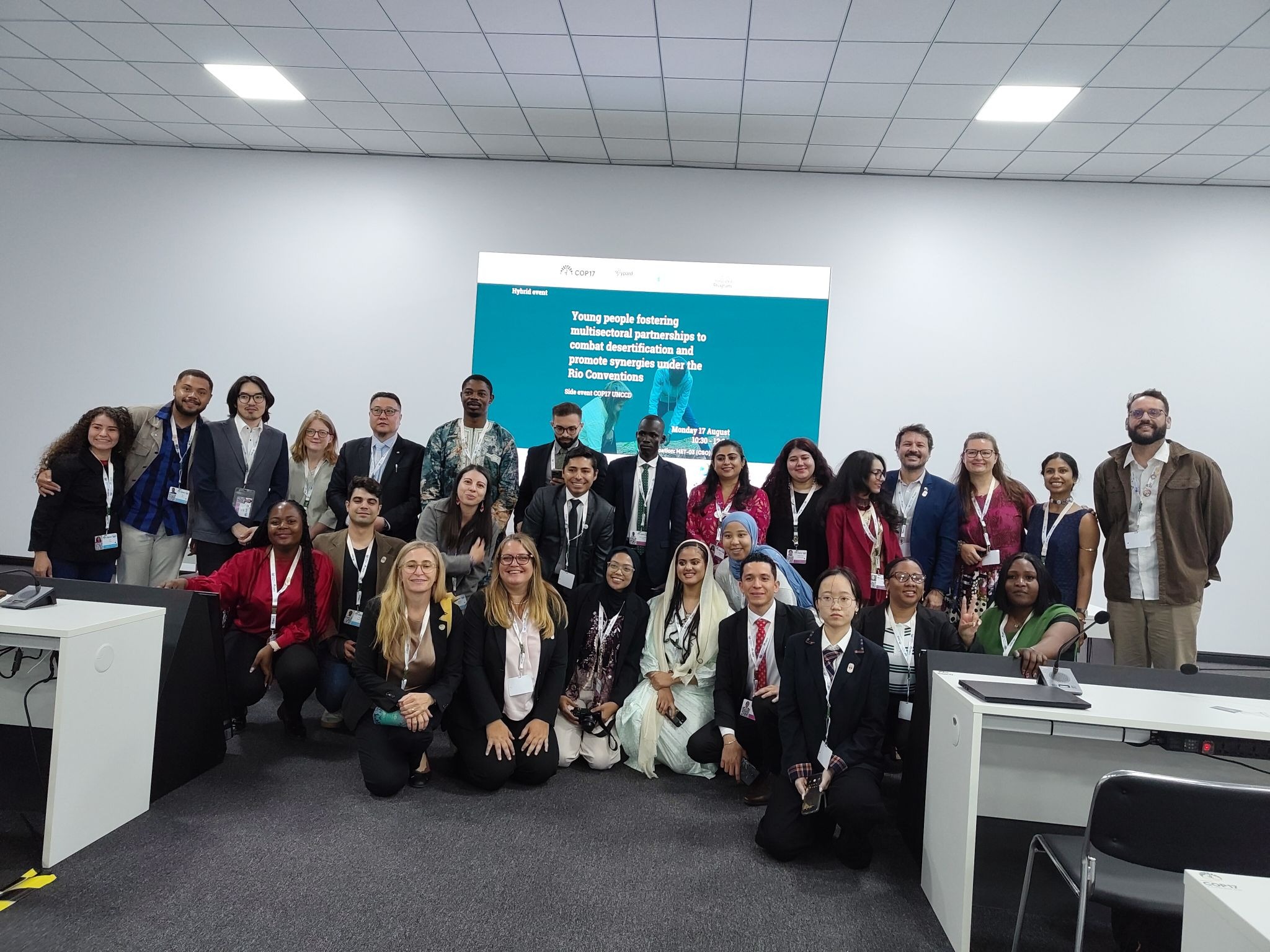
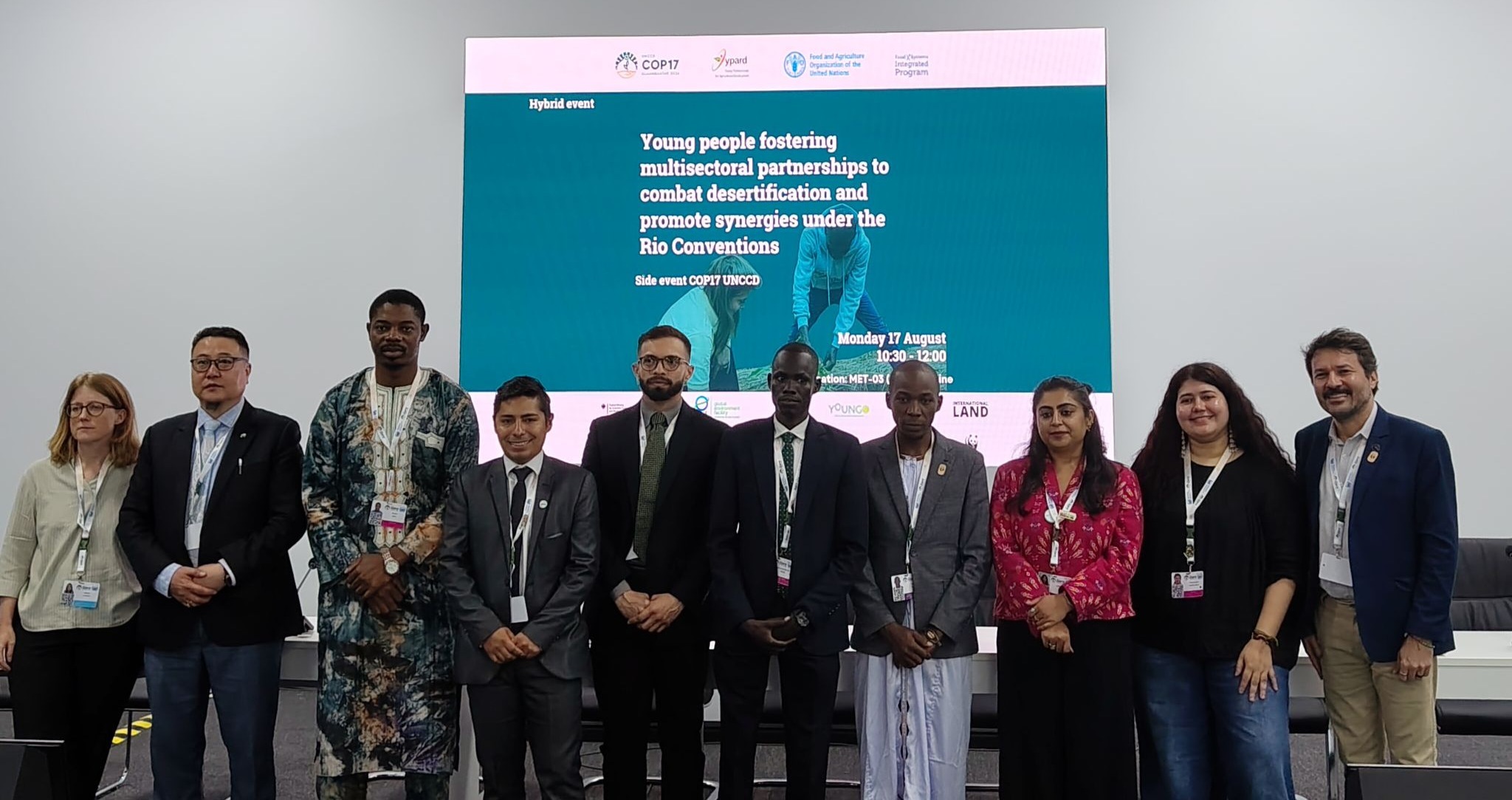
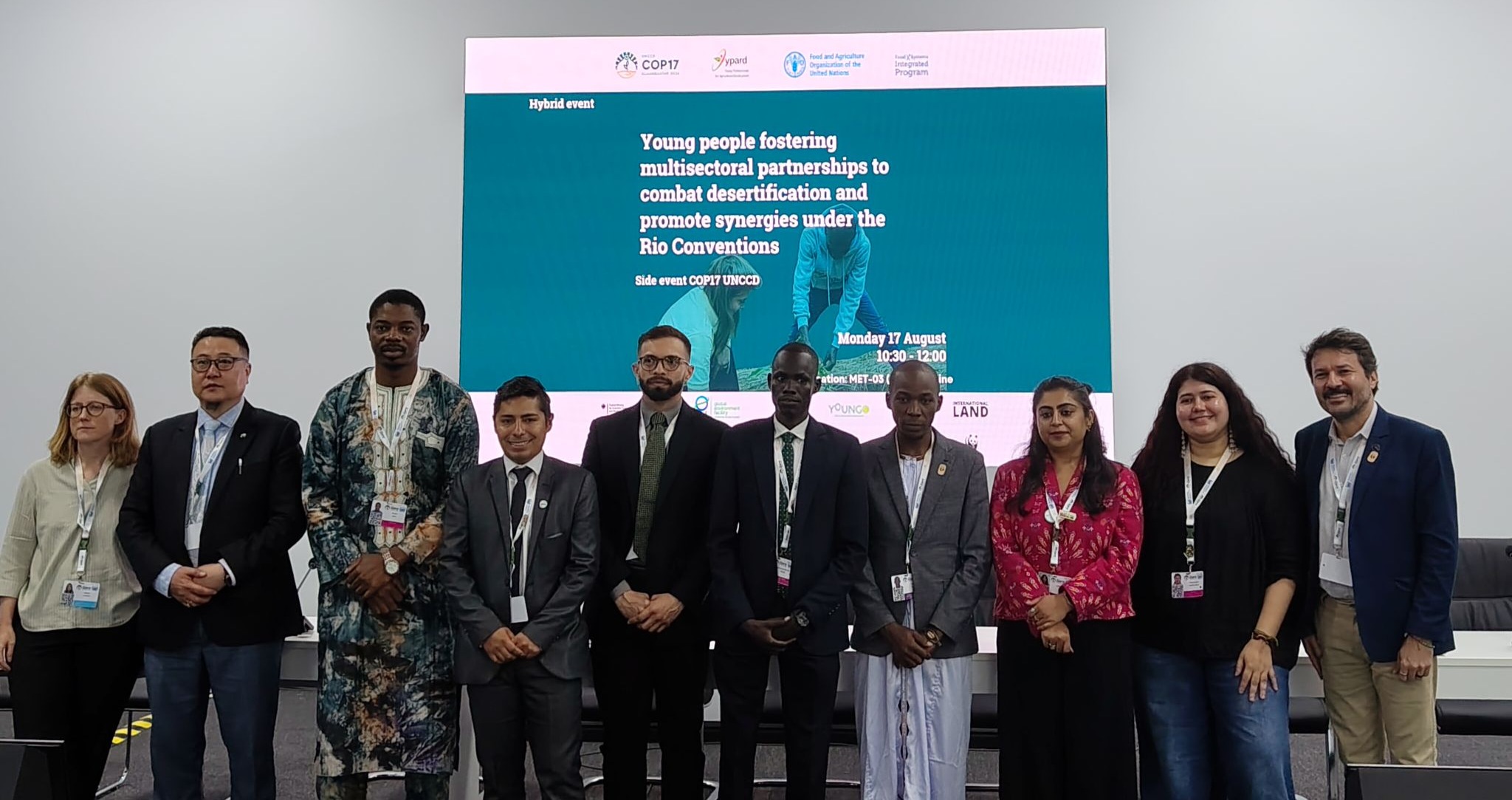
Day one of UNCCD COP 17 started on a high note with YPARD hosting an official highlevel side event titled “Young People Fostering Multisectoral Partnerships to Combat Desertification and Promote Synergies under the Rio Conventions,” was convened during COP17 of the United Nations Convention to Combat Desertification (UNCCD) to highlight the role of young people in advancing multisectoral partnerships and strengthening synergies across the Rio Conventions. The side event, “Young People Fostering Multisectoral Partnerships to Combat Desertification and Promote Synergies under the Rio Conventions,” was convened during COP17 of the United Nations Convention to Combat Desertification (UNCCD) to highlight the role of young people as key actors and drivers of multisectoral partnerships. The session brought together youth
representatives, governments, civil society and international organisations to explore integrated approaches to climate change, biodiversity loss and desertification, with particular attention to sustainable agrifood systems and soil health.
The session opened with Sebastian Pedraza, Global Engagement Manager at Young Professionals for Agricultural Development (YPARD), who moderated the event. Juliane Wiesenhütter, Team Leader at GIZ’s Sector Programme Resilient Rural Areas, delivered the opening remarks.
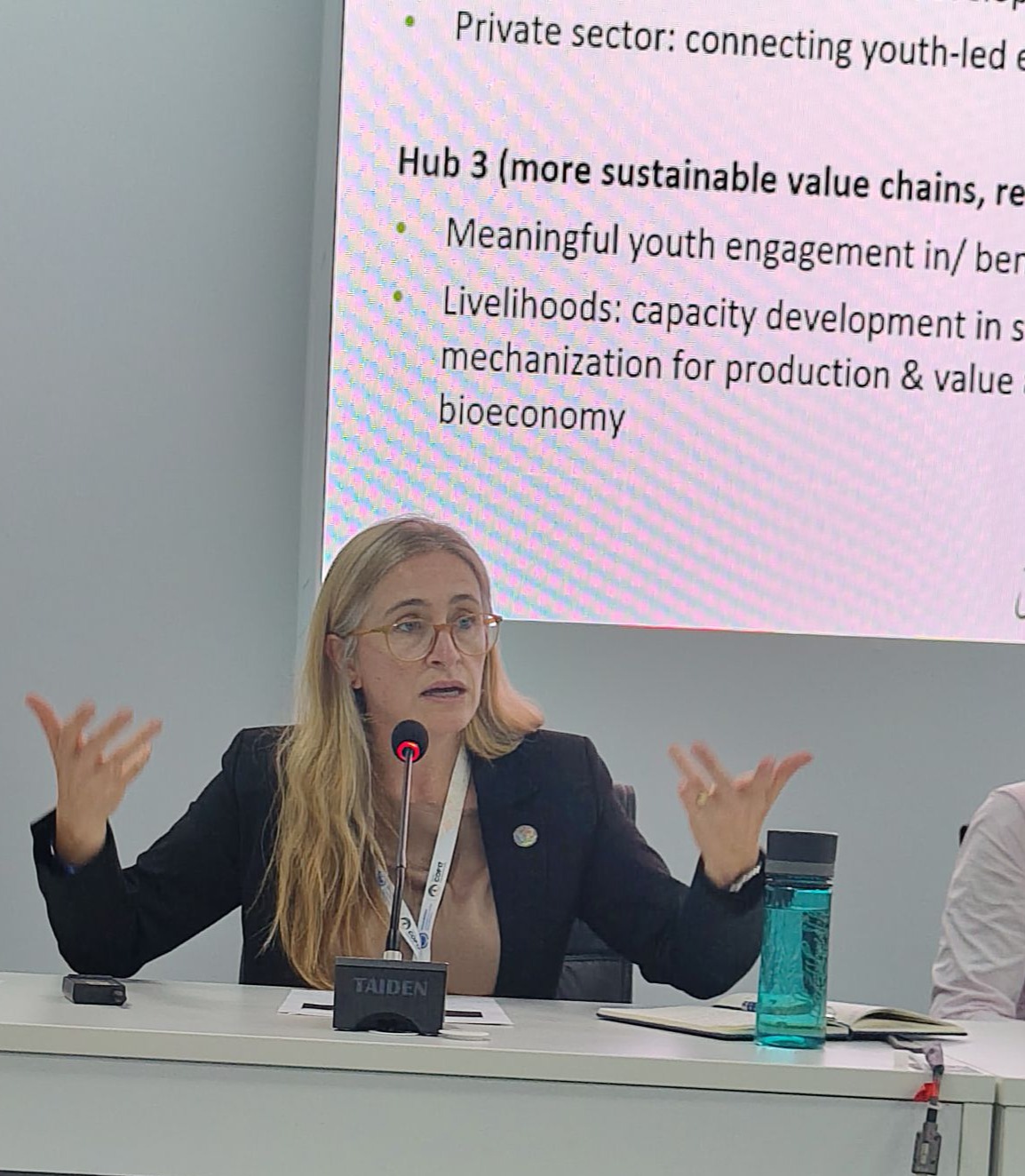
Ajuna Tadeo, Programmes Coordinator at YPARD, provided an overview of recent developments in youth advocacy and impact across the Rio Conventions, including youth engagement in the GEF8 Food Systems Integrated Programme and contributions to the GEF9 process.
The session also featured keynote presentations on youth-focused investment. Alla Ljungman, Environmental Specialist at the Global Environment Facility (GEF), presented on the ambitions of GEF8 and GEF9 for investment in youth. Aurélie Brès, Land and Water Officer at the Food and Agriculture Organization of the United Nations (FAO), shared perspectives on youth-forward investment across the Rio Conventions.
The main panel, “Bridging youth engagement between the Rios, from local to global,” brought together diverse perspectives from youth constituencies, civil society and governments. Panelists included Chehek Bilgi, Regional Focal Point for the Asia-Pacific Region of the UNCCD Youth Caucus; Garan Garang Adim Garang of YOUNGO; Adamou Ndam of the Global Youth Biodiversity Network (GYBN); Johanna Von Braun, Lead for Climate and Nature at the International Land Coalition (ILC); Roberto Hernández Rodríguez, Deputy Director at Mexico’s Undersecretariat for Multilateral Affairs and Human Rights; Alexandre Bezerra Pires, Director of Combating Desertification in Brazil’s Ministry of Environment and Climate Change; and
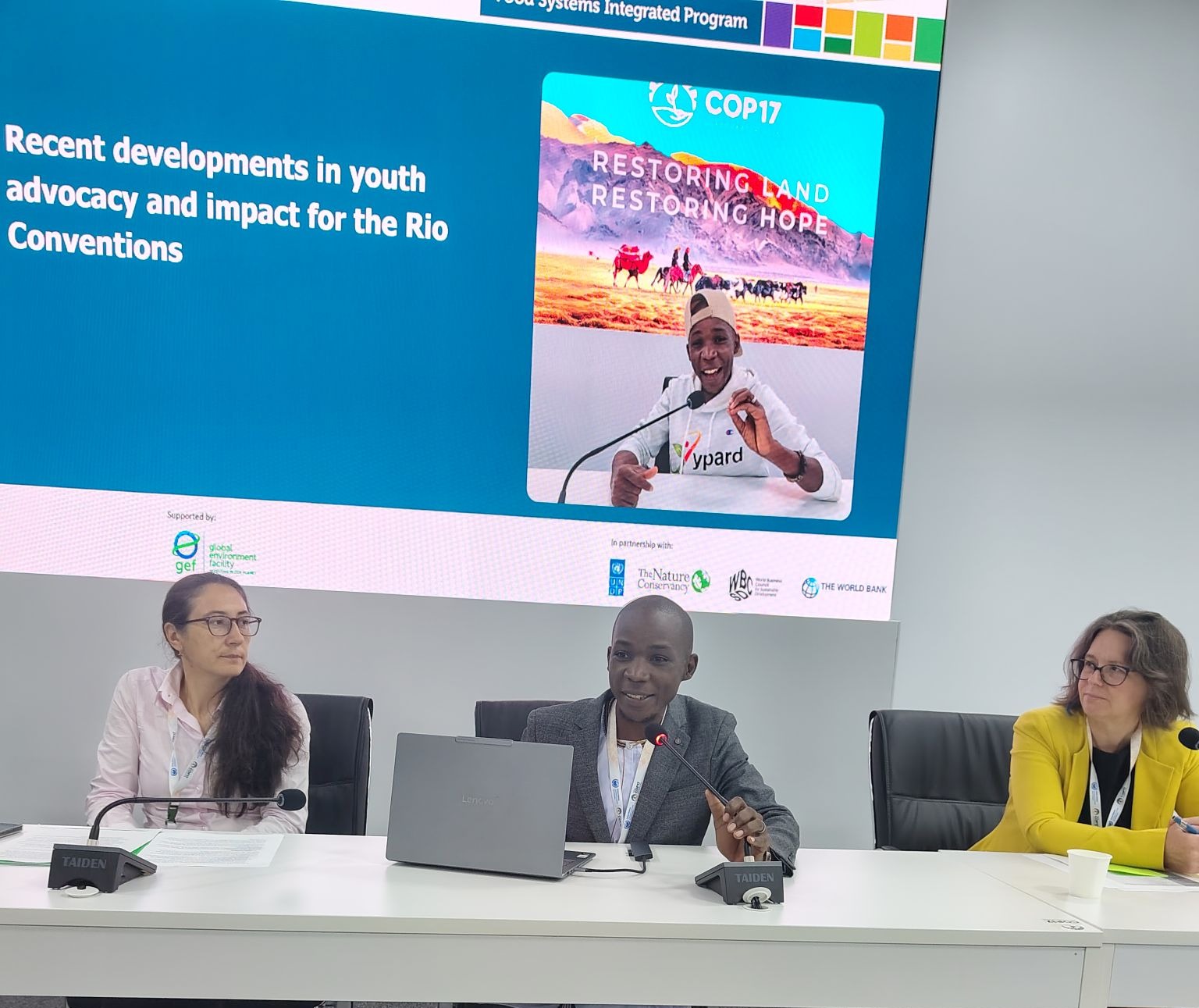
Kenneth Moran, Panama’s National Focal Point to the UNCCD.
The discussion examined meaningful youth participation beyond consultation, youth access to land, scaling youth-led initiatives, integration of youth priorities into public policy, and the role of food-system transformation in connecting the climate, biodiversity and desertification agendas. Participants also explored how national frameworks and coordination mechanisms can strengthen cooperation among governments, civil society, academia and young people.
The side event concluded with a call to action by Xiomara Acevedo, Director of the Barranquilla+20 Foundation, followed by closing remarks from Chimeddorj Buyanaa, Conservation Director at WWF-Mongolia. Overall, the session reinforced the importance of meaningful youth participation, multisectoral partnerships and stronger synergies among the three Rio Conventions in advancing coordinated responses to interconnected environmental challenges.
Security, Land Restoration and Youth Action
Held at the Türkiye Pavilion during the 17th session of the Conference of the Parties to the United Nations Convention to Combat Desertification (UNCCD COP17), the side event brought together experts, practitioners and youth representatives to examine integrated approaches to drought resilience, water security, land restoration and sustainable resource management. The session was moderated by Pinar Canli, Co-Chair of the UNCCD Community of Learning and Practice (CLP) Northern Mediterranean, and featured contributions from Dieudonné Ilboudo, Water and Environment Specialist from Burkina Faso and Co-Chair of UNCCD CLP Africa; Aya Ait El Madani, UNCCD Focal Point and YPARD; Prof. Dr. Sabrija Čadro, Professor at the University of Sarajevo and Co-Chair of UNCCD CLP Central and Eastern Europe; and Amélia Francine Bazi, Deputy Representative of the NGO AutreTerre in Burkina Faso.
The discussion addressed the interconnected challenges of drought, land degradation, water insecurity and climate vulnerability, highlighting the importance of combining scientific evidence, local and indigenous knowledge, data, innovation and community-based approaches. Particular emphasis was placed on strengthening drought preparedness and adaptive capacity while ensuring that restoration and water-management interventions respond to local ecological and socio-economic conditions. From a youth perspective, the session highlighted the importance of moving beyond consultation towards meaningful participation in decision-making, implementation, monitoring and innovation. Young professionals were recognized as potential partners and solution builders who can contribute through research, climate action, sustainable agriculture, entrepreneurship, digital innovation and community engagement.
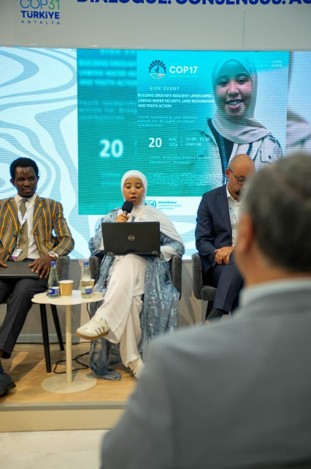
Aya Ait El Madani highlighted the importance of anticipating risks, adapting systems, fostering innovation and strengthening cross-sectoral collaboration before drought impacts escalate. She also emphasized the need to enable, invest in and connect young professionals by providing access to knowledge, capacity development, networks, resources and decision-making spaces. The session ultimately reinforced the importance of connecting water security, land restoration, drought risk management, knowledge systems and youth-led action to build resilient communities and landscapes.
Aya said:"Youth empowerment is not only about giving young people a voice. It is also about giving them opportunities to learn, connect, experiment and contribute to real solutions.”
She made this point to emphasize that meaningful youth participation should go beyond representation and consultation, enabling young people to build capacities, access knowledge and networks, test innovative ideas, and actively contribute to the design and implementation of climate and land-restoration solutions.
The session examined the role of knowledge generation, knowledge exchange, science-policy interfaces, institutional cooperation and cross-sectoral coordination in translating the objectives of the Rio Conventions into effective implementation. Discussions highlighted the need to strengthen policy coherence and synergies across the three Rio Conventions, particularly in addressing the interconnected challenges of climate change, biodiversity loss, land degradation, desertification and ecosystem resilience.
A key focus was placed on strengthening knowledge-to-action pathways, ensuring that scientific evidence, traditional and local knowledge are integrated into policy development, planning and implementation. Knowledge-sharing mechanisms, regional networks and youth platforms were highlighted as important tools for peer-to-peer learning, capacity-building, knowledge transfer and the dissemination of technical and policy information.
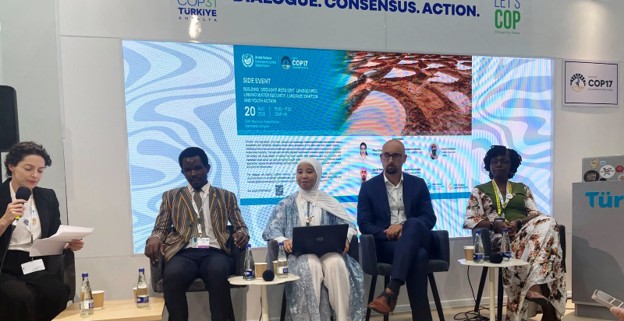
The discussions also emphasized the importance of connecting international commitments with national implementation frameworks and locally driven action, including linkages with the Sustainable Development Goals (SDGs), Nationally Determined Contributions (NDCs), National Biodiversity Strategies and Action Plans (NBSAPs), and Land Degradation Neutrality (LDN) targets, where relevant.
Youth networks were recognized as important actors in strengthening the science-policy-practice nexus. Young professionals can contribute through knowledge exchange, community engagement, capacity development and by creating stronger linkages between international processes and national and subnational implementation.
Overall, the session reinforced the importance of an integrated and coherent approach to implementing the Rio Conventions, combining scientific evidence, traditional and Indigenous knowledge, multi-stakeholder partnerships and capacity development to translate international commitments into context-specific, evidence-based and locally owned solutions.
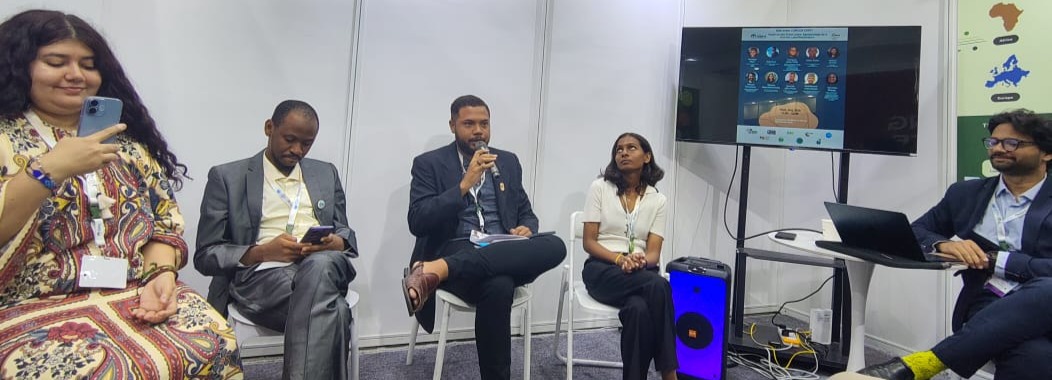
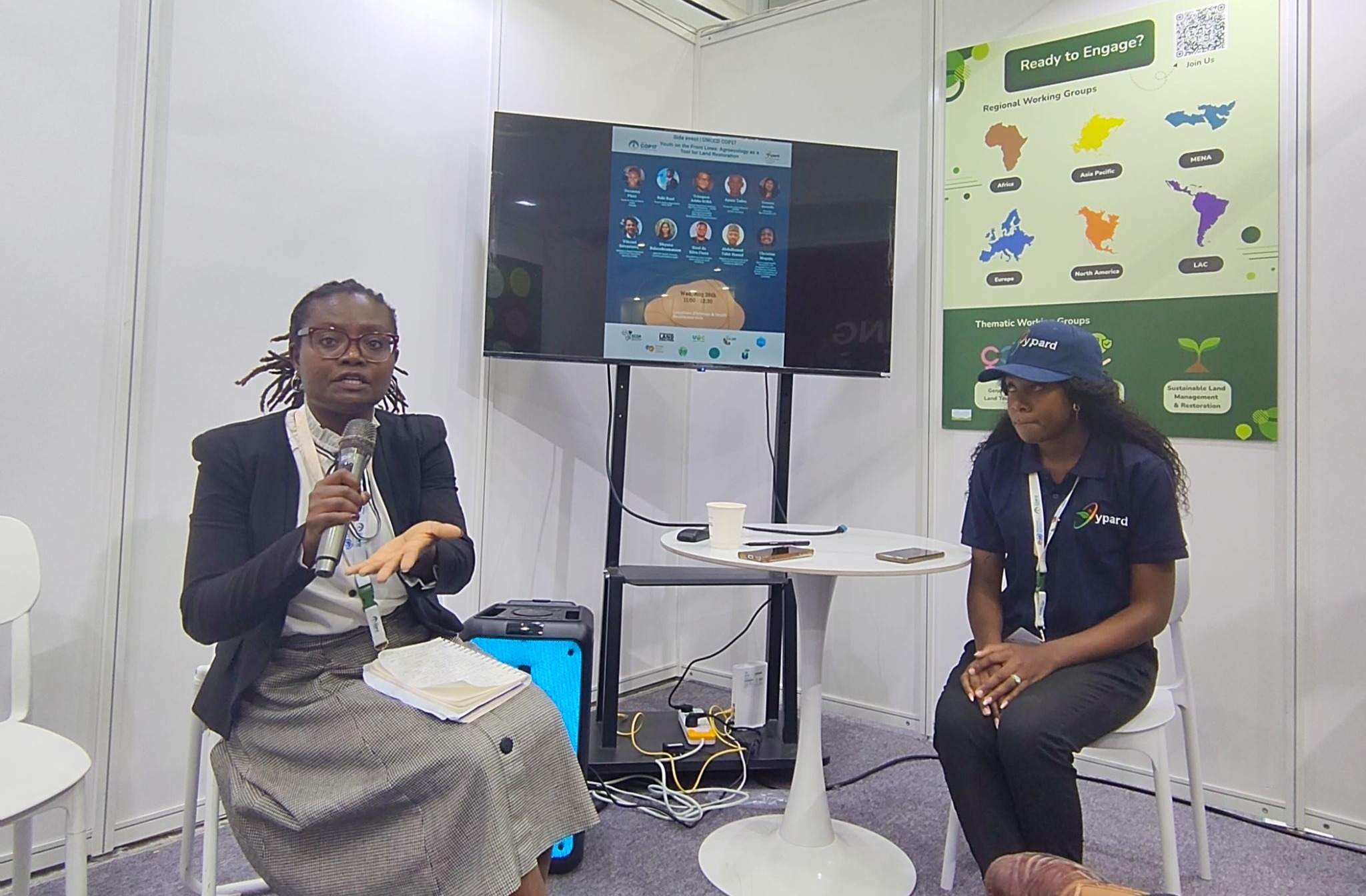
The session held at the UNCCD COP17 Children & Youth Resilience Hub convened youth leaders, practitioners, policymakers, and development partners to explore how agroecology can accelerate land restoration while strengthening resilient agrifood systems. Moderator Sussana Phiri welcomed participants and emphasized the growing role of young people in restoring degraded landscapes and advocating for sustainable land management solutions. In his opening remarks, Rabi Raut, Youth Policy Specialist at the FAO World Food Forum, underscored the importance of moving beyond youth consultation toward meaningful youth engagement in
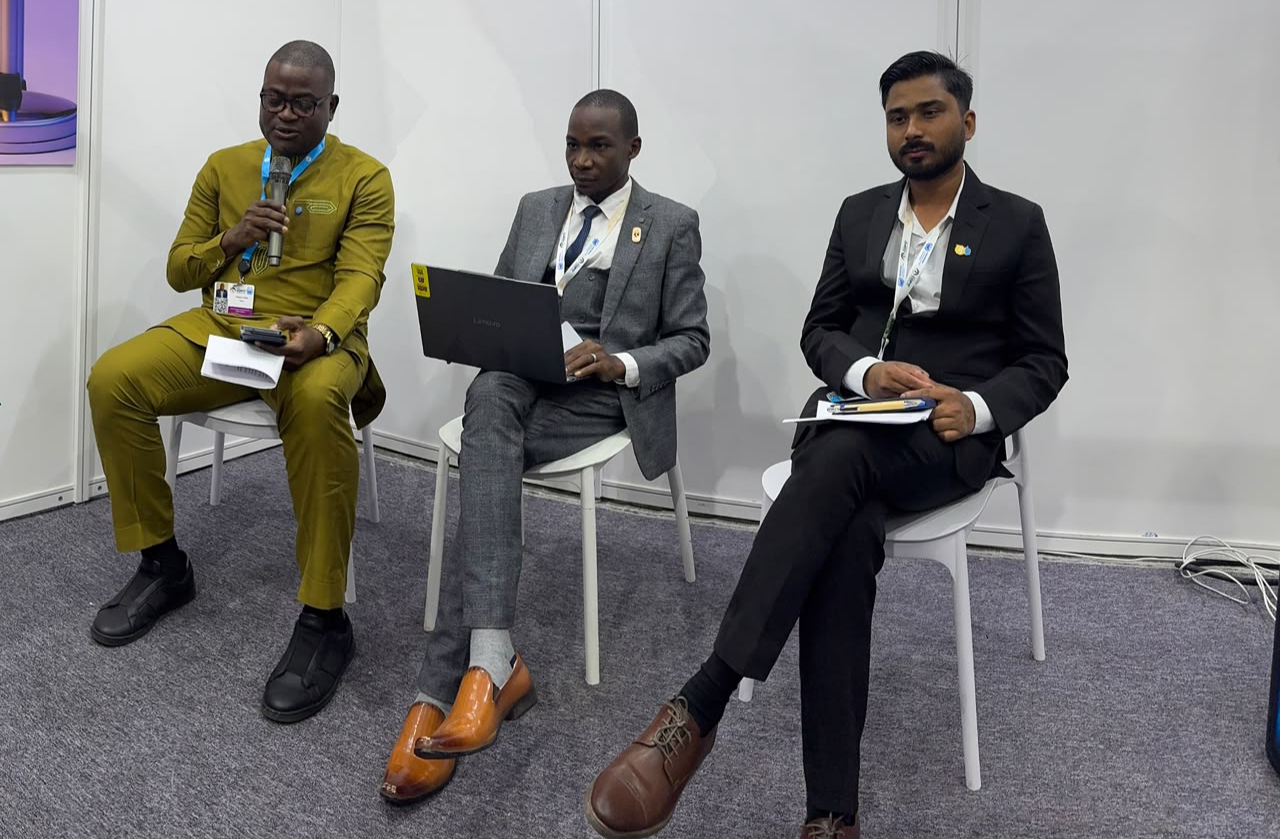
decision-making processes. He highlighted young people's potential to drive innovation, influence policy, and contribute directly to achieving global commitments on food security, climate resilience, and sustainable land management.
Setting the scene for the discussion, Tchegoun Adebo KOBA, Global Technical Advisor on Agrifood Systems, Youth Employment and Entrepreneurship at SNV, explored the intersection between agroecology, youth employment, and economic empowerment. He emphasized that agroecology offers more than environmental benefits; it creates opportunities for entrepreneurship, decent livelihoods, and local economic development, particularly for rural youth. By connecting sustainable production practices with market opportunities and business development, he demonstrated how agroecology can become a powerful vehicle for both ecosystem restoration and youth employment. Complementing this perspective, Ajuna Tadeo, Programs Coordinator at YPARD, shared experiences from the Knowledge Centre for Organic
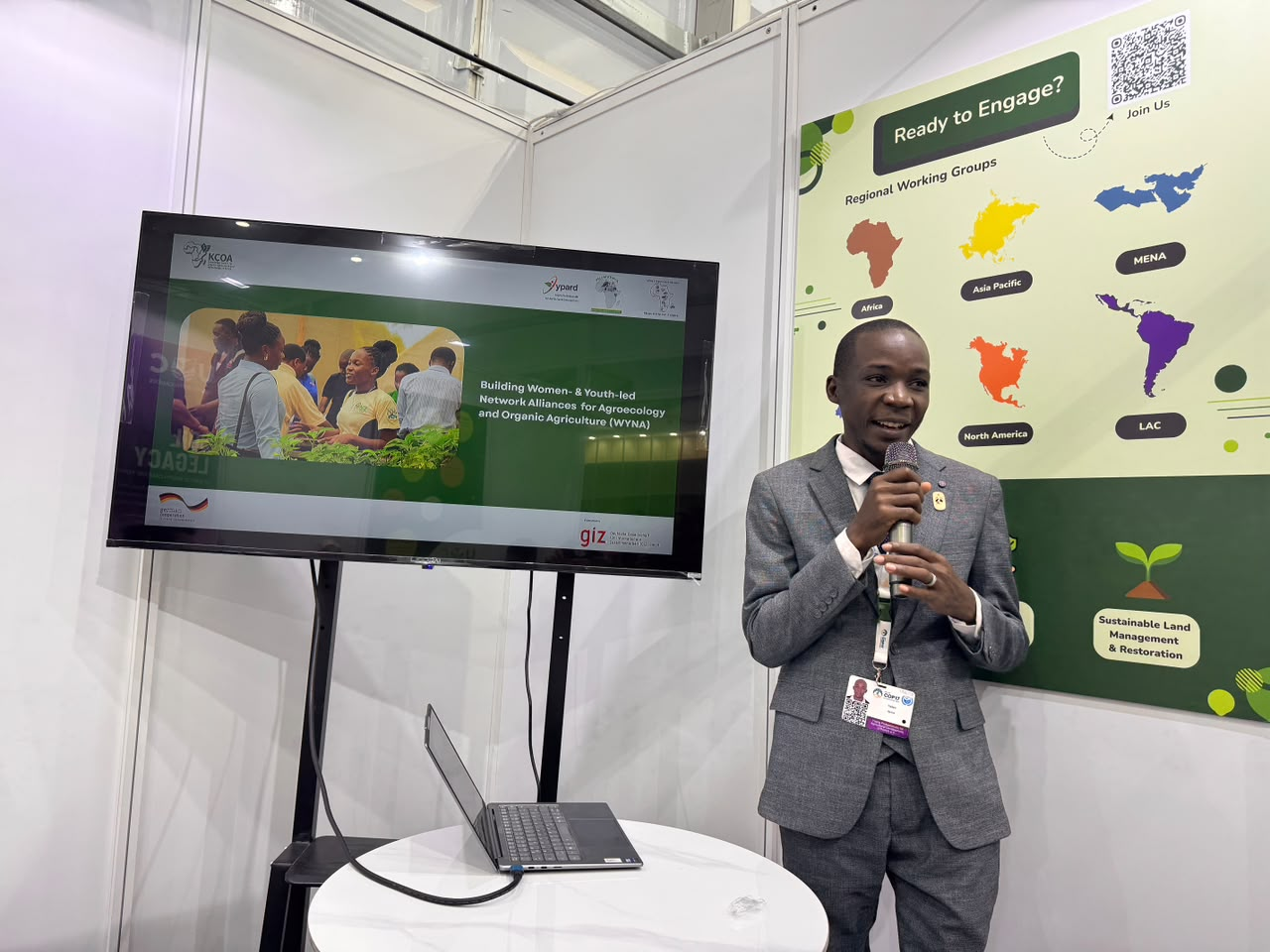
Agriculture and Agroecology (KCOA) network and the WYNA Programme, highlighting the importance of knowledge exchange, capacity strengthening, and regional partnerships. He illustrated how youth-led learning platforms and networks are helping to translate policy commitments into practical action on the ground, enabling young farmers and agripreneurs to access skills, innovations, and opportunities that support agroecological transitions.
The panel discussion, featuring Xiomara Acevedo, Dhyana Balasubramanian, Sival da Silva Fiuza, and Abdulhamid Tahir Hamid, explored pathways for scaling youth-led agroecological solutions, strengthening community resilience, and increasing youth influence in policy processes. A recurring theme throughout the session was that young people are already leading successful restoration initiatives but continue to face barriers related to financing, land access, capacity development, and representation in decision-making. Participants called for stronger policy recognition of agroecology within the UNCCD framework, increased investment in youth-led restoration efforts, and greater support for young women engaged in land management initiatives. In her closing remarks, Christine Magaju, Soil & Land Health Research and Engagement Lead, Landscape Alliance (ICRAF) and Coalition of Action 4 Soil Health (CA4SH) reinforced the need for collaborative action among stakeholders as essential for achieving land degradation neutrality, healthy soil, biodiversity conservation, and resilient food systems far beyond COP17.
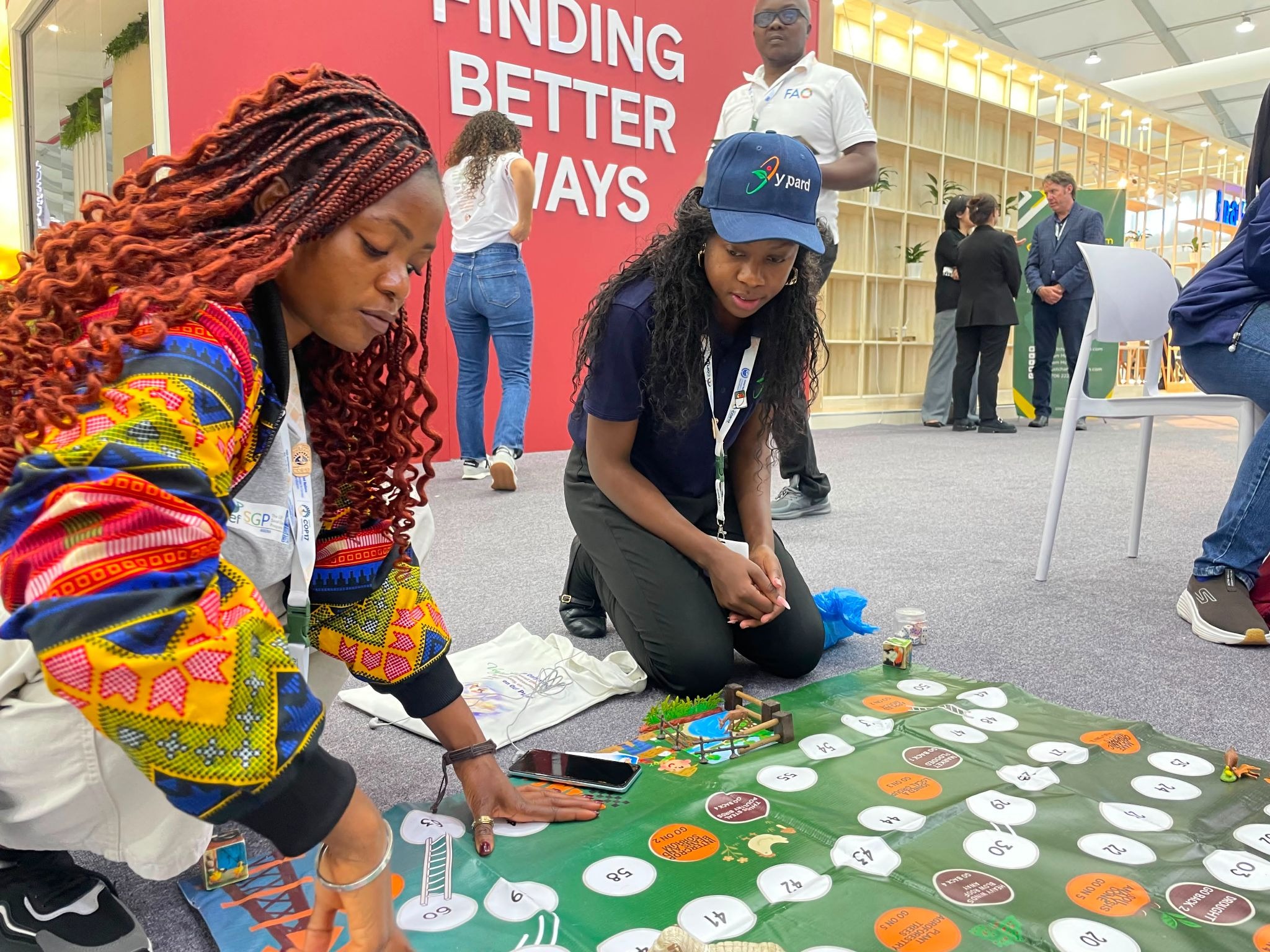
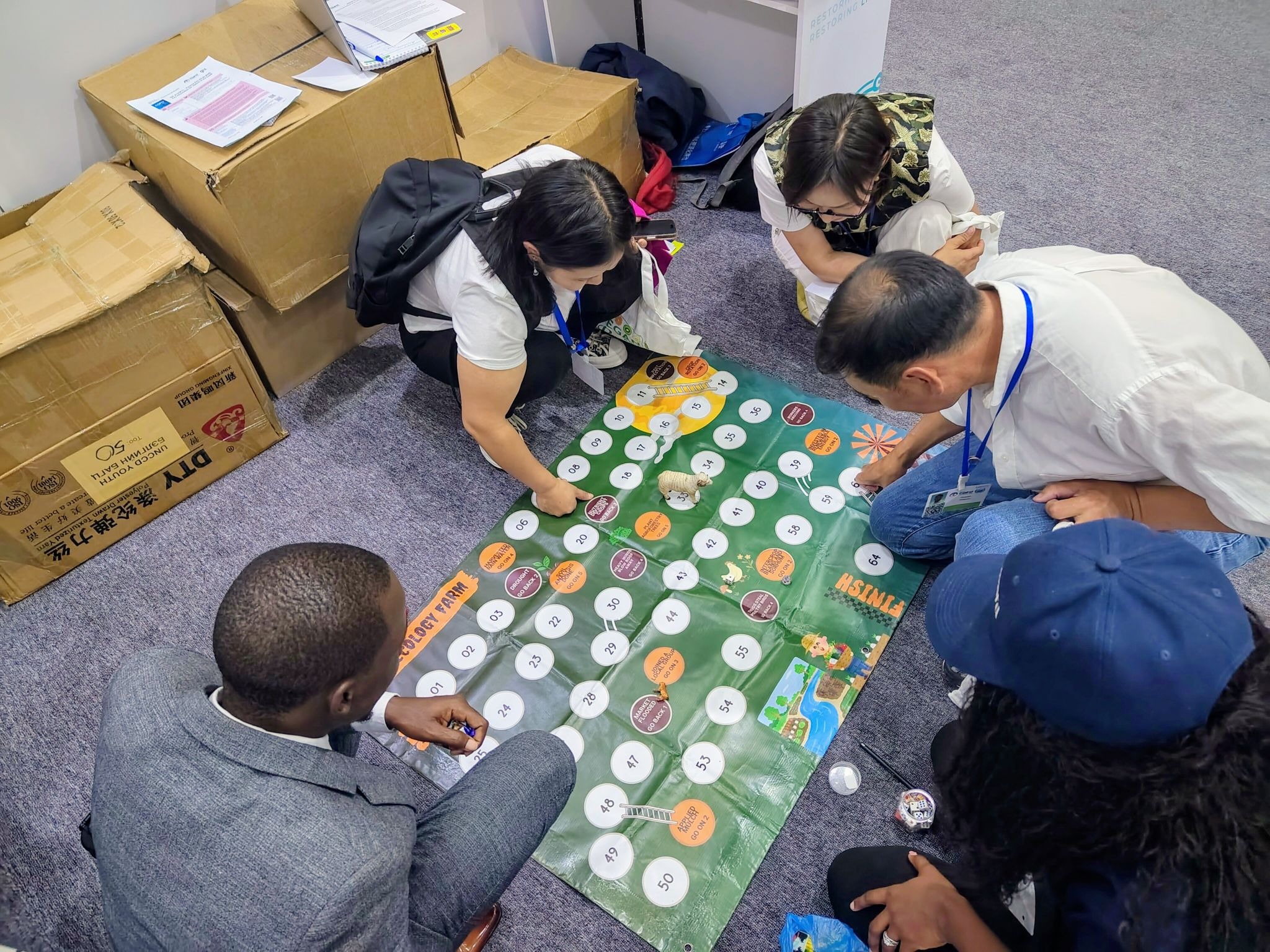
After the session, participants engaged with the Agroecology Farm Board Game, an interactive learning tool that brings agroecological concepts to life in a fun and practical way. Attendees appreciated the activity's relevance for youth capacity development, highlighting its value in promoting peer learning, critical thinking, and a deeper understanding of sustainable land management and restoration practices.
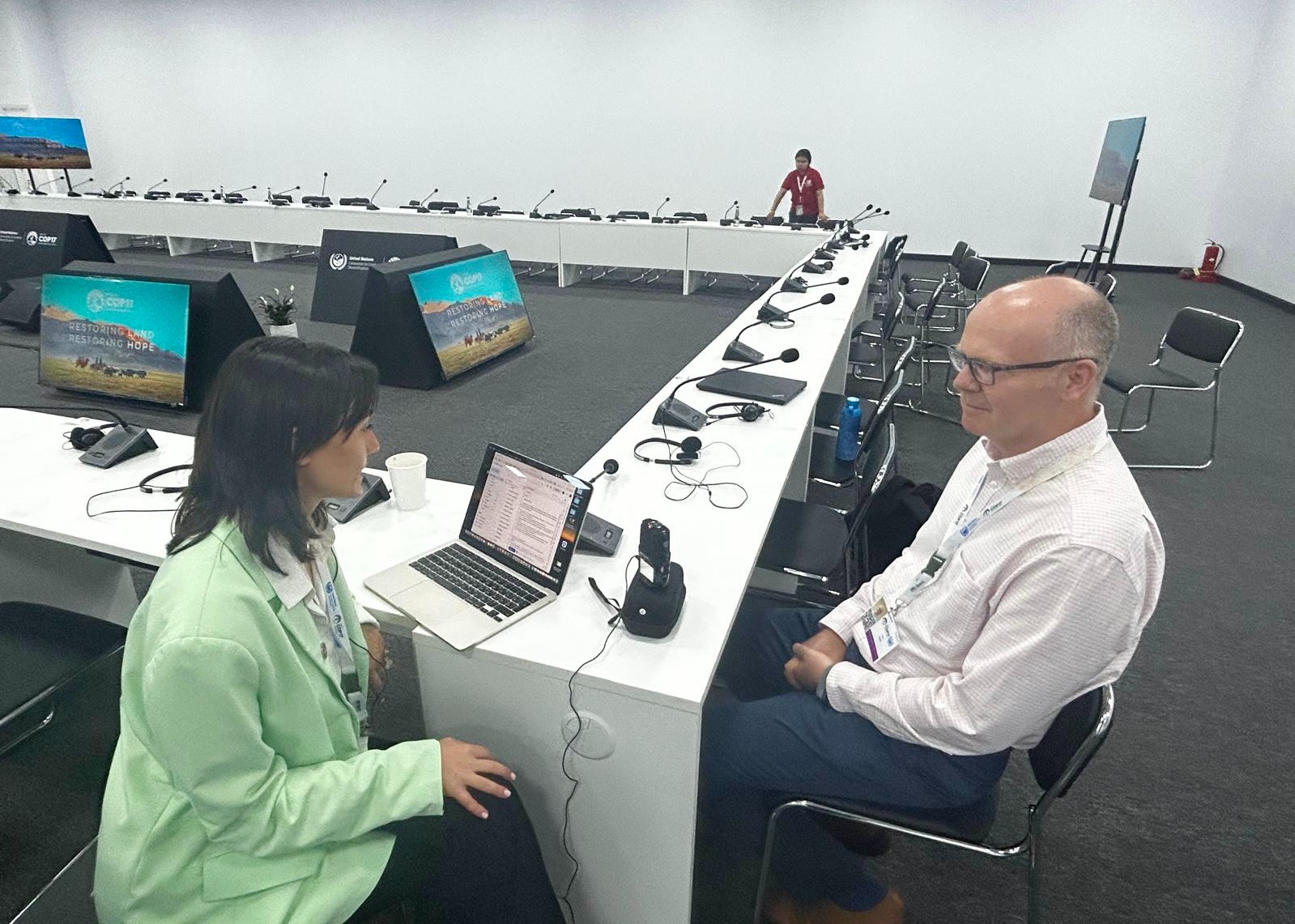
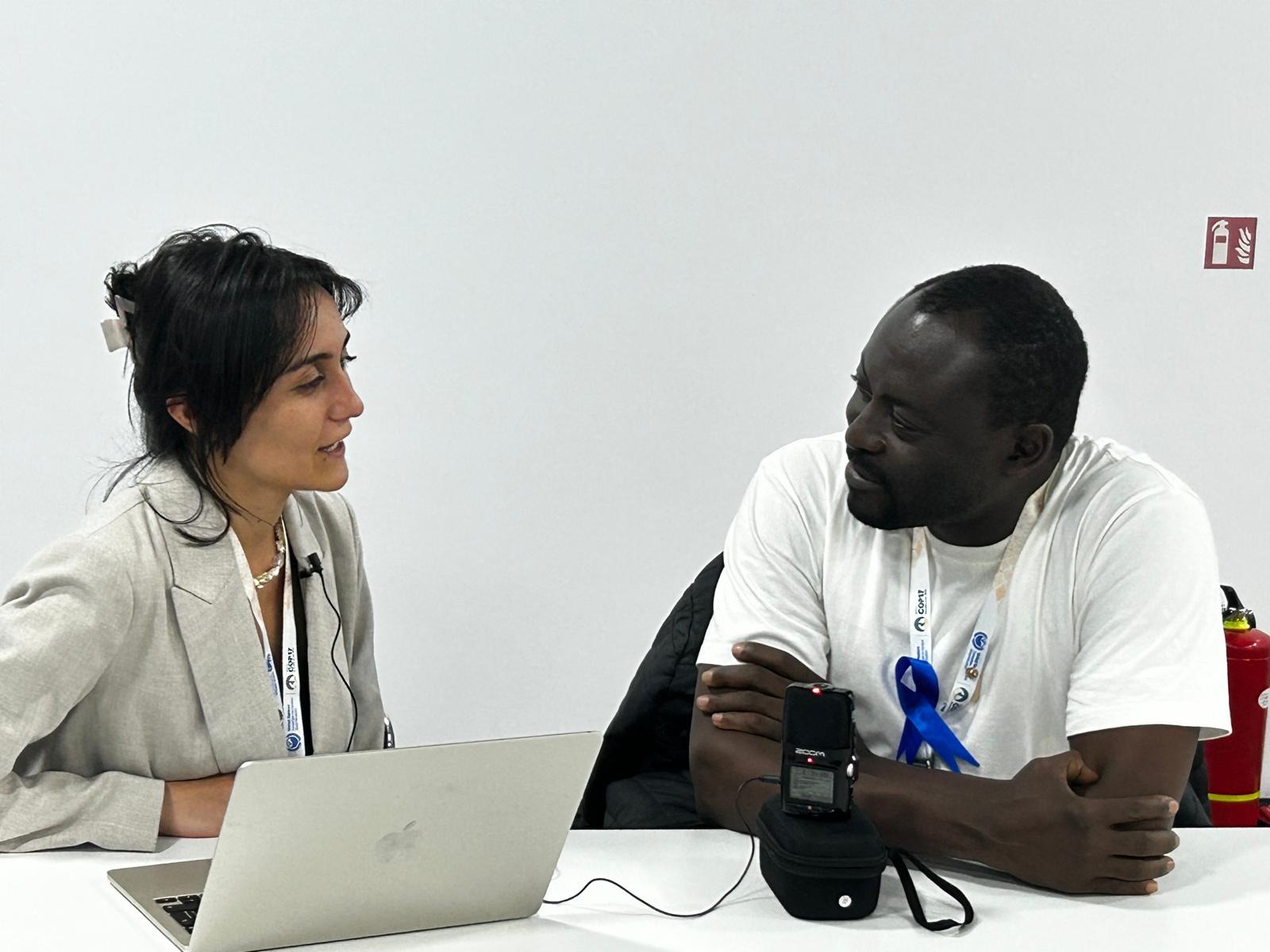
In conjunction with the British Society of the Soil Science, Sopiko Babalashvii actively contributed to recording of the special edition of Soil Matters podcast at COP17. The special episode includes exclusive interviews and reflections from an exceptional line-up of global leaders and experts, including Former President of Finland and UNCCD Land Ambassador Tarja Halonen, Indigenous Peoples’ leader Hindou Oumarou Ibrahim, UNCCD Youth Caucus Global Focal Point Rico Rau, EU soil scientist Dr Karen Daly, Spanish UNCCD National Focal Point María Medina, Juliane Wiesenhüter of GIZ and advisor to the German UNCCD Focal Point, Professor Paul Hallett, President of the British Society of Soil Science, Linda Sparrow of Bangalow Koalas, Harrison Achibe Nonoco, Mariana Kapović-Solomun, and members of the UNCCD Civil Society Organisation Panel. Together they discuss the future of land restoration, the growing role of science in policymaking, Indigenous and local knowledge, youth leadership, food security, and the challenges and opportunities emerging from COP17. From high-level diplomacy to grassroots action, this is a powerful and timely conversation about the future of our soils, our landscapes and our shared responsibility to restore hope through restoring land.
Listen here: https://lnkd.in/d3cmFdUx
COP17 was positioned as an implementation-oriented and people-centered session. From the outset, two major parties blocked several substantive agenda items, including gender, synergies between Rio Conventions, civil society participation, and science-policy guidance. We were expecting the official establishment of Indigenous Peoples Caucus and local communities Caucus, and advancements in meaningful participation of civil society in the UNCCD decision-making processes. The objection of the agenda items demonstrated how domestic politics and geopolitical tensions served to undermine the process of international cooperation, which is vital for the implementation of the Convention.
Muting civic space, stripping gender equality, and blocking science-backed synergies at COP17 strikes at the heart of the international rules-based order. If Parties are permitted to erase human rights, Indigenous leadership, and cross-convention cooperation from the agenda of one UN body, it creates a devastating precedent that will spill over into future UNFCCC and CBD negotiations, threatening multilateralism as a whole.
Indigenous Peoples are rights-holders, knowledge-holders, and custodians of more than half of the world's land surface. They are not stakeholders to be consulted after the fact; they are the people already restoring degraded land, adapting food systems, and building resilience through generations of stewardship, mobility, traditional knowledge coupled with scientific research, and collective action. Sidelining their formal participation, as well as the leadership of local communities, women, and youth, signals that grassroots knowledge is treated as optional in fulfilling Land Degradation Neutrality (LDN) targets.
Prepared by Sussana Phiri, Aya Ait El Madani, Sopiko Babalashvilli, Ajuna Tadeo and Sebastian Pedraza
.png)