
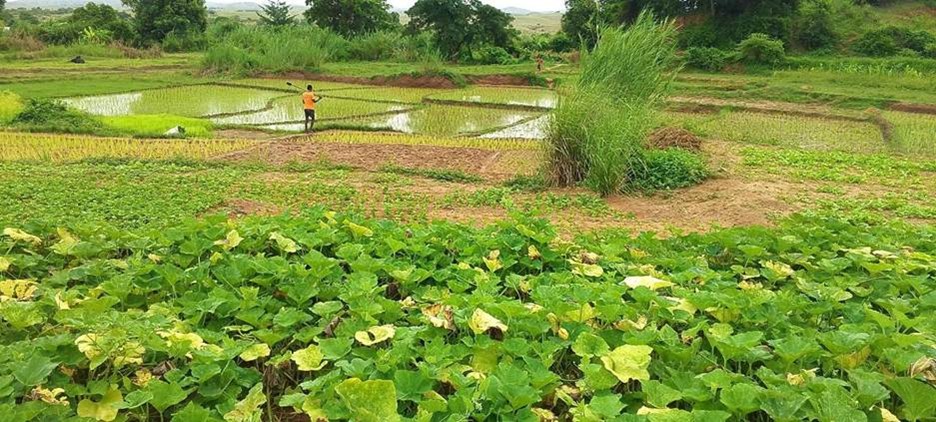

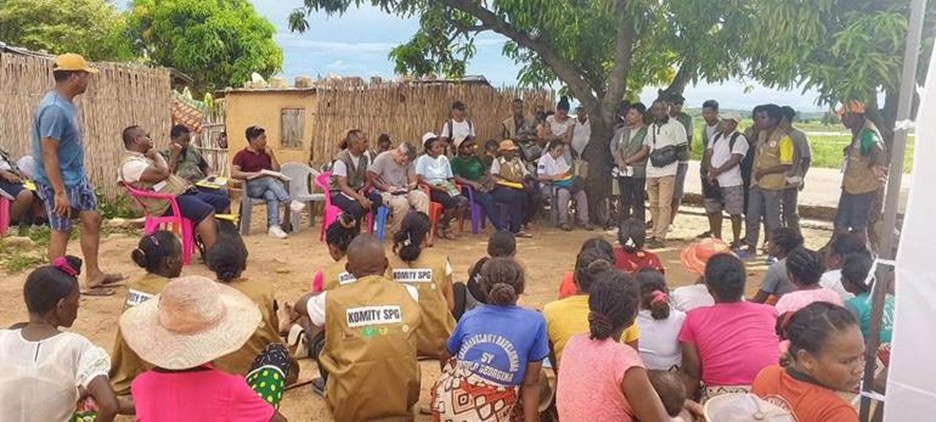
From 20–22 January 2026, two YPARD GP-SAEP Youth Fellows, Nomenjanahary Fallet Pierrot and Ambinintsoa Laricha, participated in the field monitoring visit under the Global Programme for Small-Scale Agroecology Producers and Sustainable Food Systems Transformation (GP-SAEP) project in Miandrivazo and the wider Menabe region of Madagascar. The monitoring visits brought together donors, project partners i.e FCA, AIM, CTAS AGRICULURE, YPARD, and IFAD as well as project beneficiaries to assess progress, learning, and sustainability of agroecological interventions.
From 20th-21st January 2026, a YPARD GP-SAEP project fellow Nomenjanahary Fallet Pierrot, participated in the GP-SAEP project monitoring visit in Miandrivazo Madagascar, joining the project’s donor representatives, partners, and beneficiary farmers to assess progress and sustainability of agroecological interventions under the Global Programme for Small-Scale Agroecology Producers and Sustainable Food Systems Transformation (GP-SAEP). The monitoring visit was led by Mr. Jean Christophe from the International Fund for Agricultural Development (IFAD) and brought together key partners including Forum du Conseil Agricole de Madagascar (FCA), Aim Madagascar (AIM), CTAS, ACCESS AGRICULTURE, and YPARD (Represented by Fallet). The visit provided an opportunity for partners to engage directly with farmers (project beneficiaries) while strengthening learning and knowledge exchange across the programme.
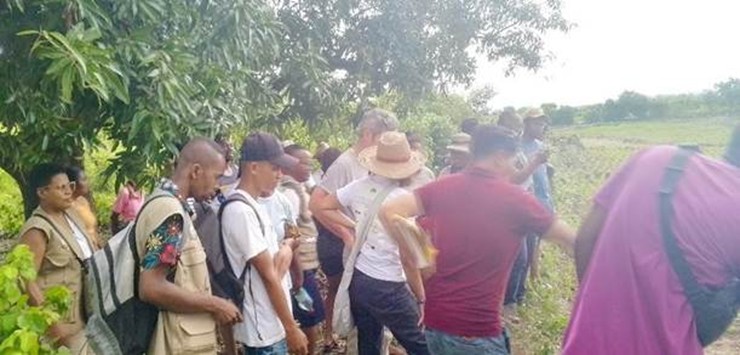
During field visits and community dialogues, farmers demonstrated how they are applying agroecological practices across both crop and livestock systems. They presented practical innovations, including the use of organic fertilizers and bio-pesticides, improved soil management techniques, and integrated farming approaches that enhance productivity while safeguarding the environment.
Farmers reported that the transition to agroecology has significantly reduced reliance on chemical inputs, lowered production costs, and improved the quality and consistency of their harvests. Several beneficiaries also noted growing consumer demand for agroecological products, which is strengthening market opportunities, improving household incomes, and contributing to better food security.
In Ambatomena, the visit included in-depth discussions with representatives of the Bloc Agroécologique (BAE) Ambatomena, seed entrepreneurs, Village Savings and Loan Groups (GVEC), agroecological market actors, CEP/FEP (Farmer Field School) members, and project implementation partners. These exchanges provided insight into how agroecology is being embedded across production, finance, learning, and local markets.
Sustainability emerged as a central theme throughout the discussions. Mr. Jean Christophe engaged farmers and partners on strategies for maintaining agroecological practices beyond the project’s duration, emphasizing community resilience, farmer autonomy, and strong local ownership as critical pillars for long-term impact.
As a YPARD GP-SAEP Fellow, Nomenjanahary Fallet Pierrot played an active role in the visit by engaging with farmers, supporting documentation of best practices, and amplifying youth perspectives within the monitoring process. His participation highlighted the importance of youth involvement in agroecology and sustainable food systems transformation, as well as YPARD’s commitment to nurturing the next generation of agroecology leaders.
“We have translated the learnings from the YCOP into practice, mobilising our peers to adopt agroecology practices and actively join as well as participate in CEP FCA activities,” members of the Youth Community Of Practice (YCoP) said.
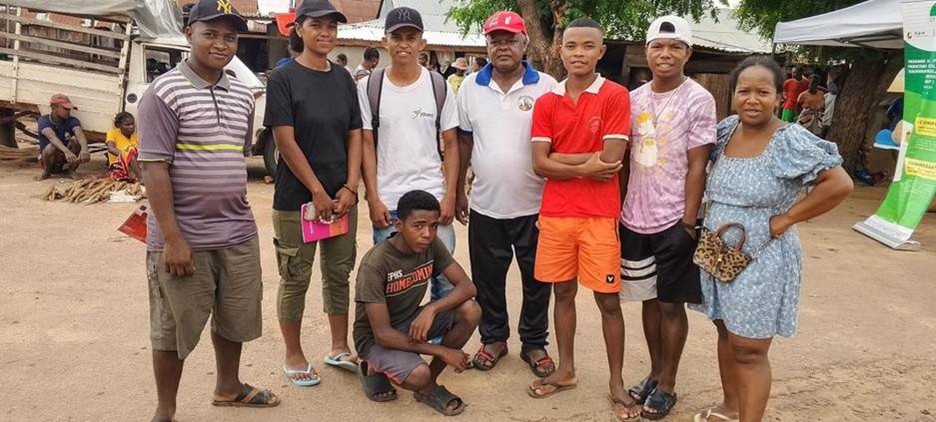
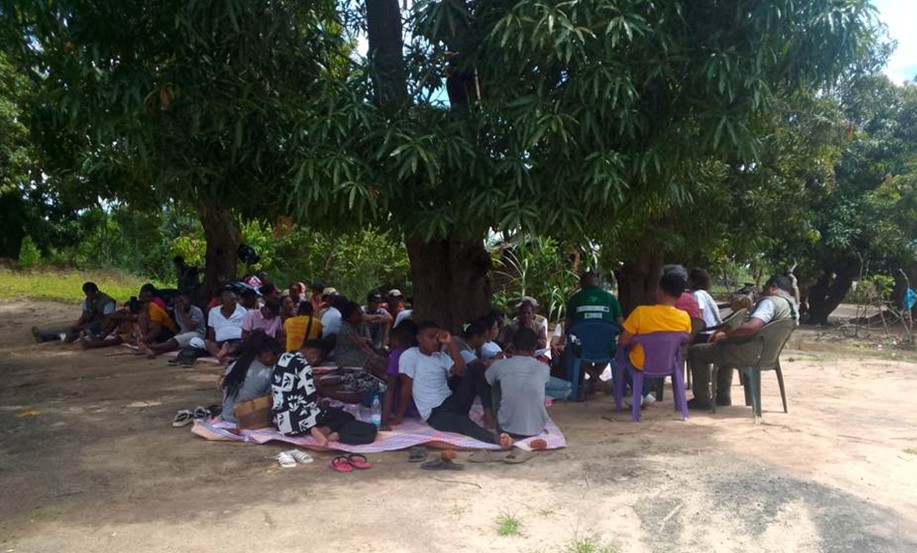
On 22 January 2026, Ambinintsoa Laricha, participated in a GP-SAEP monitoring visit across the Menabe region to observe ongoing activities, engage with farmers, and document community-led agroecological initiatives.
The visit began at the seed Centre in Mahabo, where the team assessed and characterized rice varieties cultivated by farmers in the Menabe region. This activity, led by CTAS, aims to produce high-quality seeds for local producers, with a long-term vision of seed certification.
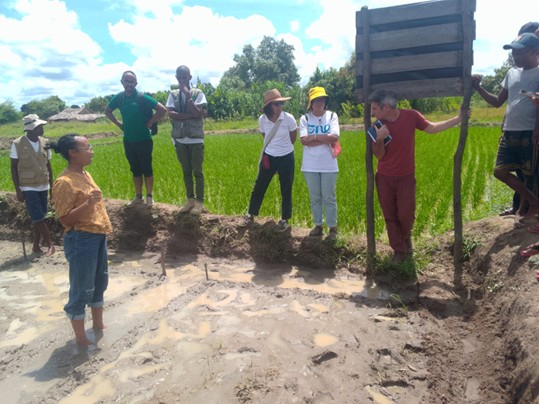
The team then travelled to Antevamena in Morondava District, where a focus group discussion was held with members of the Bloc Agroécologique (BAE). Discussions focused on:
The visit further showcased examples of youth and community engagement. For example:
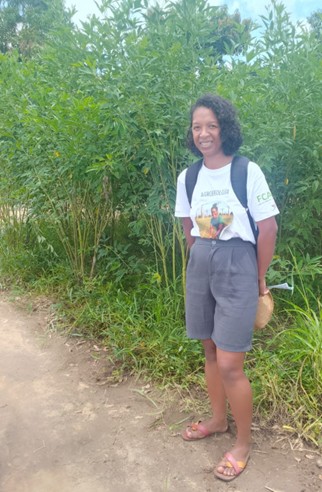
a. Narcisse, a young farmer who participated in YCOP, has since joined CEP and is now an entrepreneur specializing in peanut seed production, as well as a member of the PGS committee.
b. Odette is engaged in producing vermicompost, used as organic fertilizer for vegetable and rice cultivation.
The team also visited CEP Mamiratra in Antevamena, where CTAS is supporting agroecological practices. Following a focus group discussion facilitated by FCA, CEP members discussed the history of Farmer Field Schools, member identification, Rural Advisory Services, farmer evaluation criteria, adoption of agroecological practices, marketing strategies, and sustainability of programme outcomes.
Youth engagement was further demonstrated by Nirina, a student who attended YCOP and is currently conducting experimental trials at the CEP aimed at controlling rice pests.
The visit concluded with observations at the BAE in Antevamena, where Cajanus (pigeon pea) at nine months of growth demonstrated the progress of agroecological cropping systems.
The GP-SAEP field visits conducted from 20–22 January 2026 in Miandrivazo and the Menabe region highlighted clear progress in farmer-led agroecological practices, strengthened local organisation, and growing benefits from reduced reliance on chemical inputs. The participation of YPARD Youth Fellows Nomenjanahary Fallet Pierrot and Ambinintsoa Laricha reinforced learning, documentation, and youth engagement within the same monitoring mission. Together, the visits underscored the importance of farmer autonomy, local ownership, and youth involvement in sustaining agroecological achievements beyond the programme period.

.jpg)